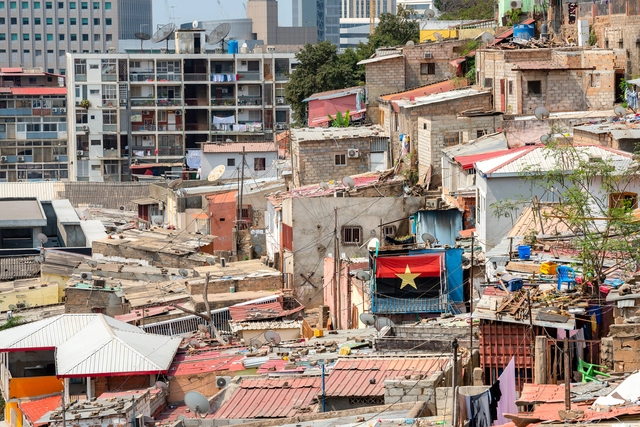
This article offers an observation and analysis of the diverse forms of land occupation and use within informal or self-built urban fabrics on the outskirts of Luanda, examining their relationship with the Angolan capital's consolidated urban core.
This article offers an observation and analysis of the diverse forms of land occupation and use within informal or self-built urban fabrics on the outskirts of Luanda, examining their relationship with the Angolan capital's consolidated urban core.
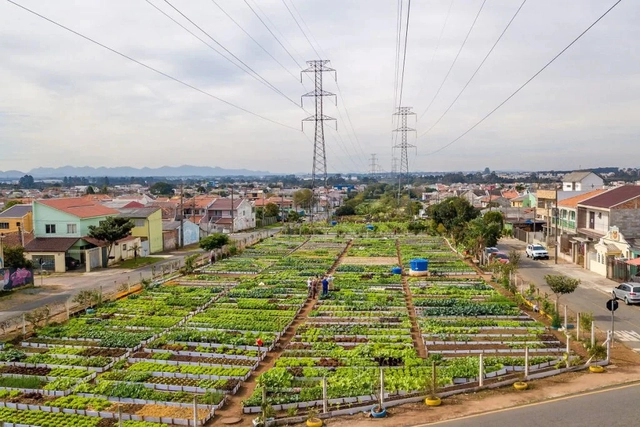
Curitiba has implemented several initiatives to strengthen biodiversity and enhance the quality of vegetation in its urban landscape. Consequently, the capital of Paraná, alongside 18 other cities worldwide, has been selected to participate in UNEP's (United Nations Environment Programme) Generation Restoration project.
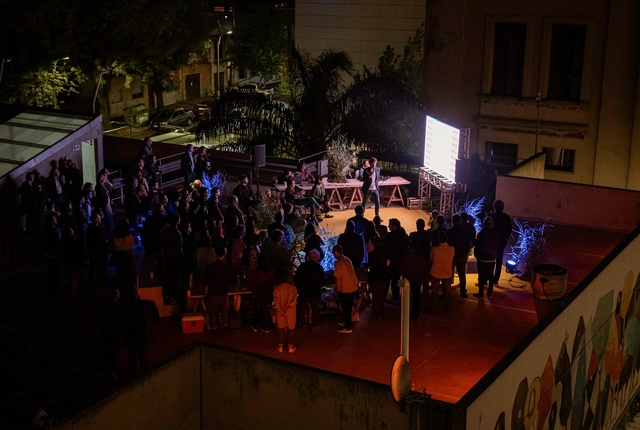
With its sights set on the future, in 2024, the Universidad Católica del Uruguay is adding the Architecture, Design, and Environment program to its academic offerings. Felipe Reyno, PhD in Architecture and director of this new degree program, reflects on the need to train architects with a contemporary, contextual, diverse, critical, and collaborative perspective.
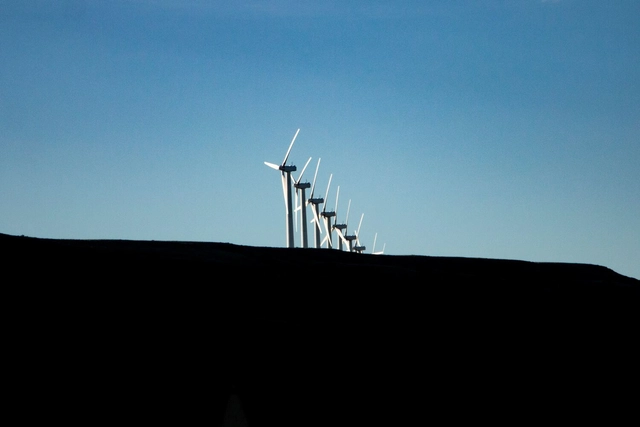
When it comes to climate change, the headlines can sometimes seem contradictory. One day, we read about catastrophic wildfires wreaking havoc across the globe; the next, we see an optimistic article about the rapid rise of solar and wind energy. Taken together, these narratives can make it difficult to grasp the big picture of climate action. Are countries actually implementing effective solutions if greenhouse gas (GHG) emissions continue to rise? In which areas has the world made enough progress to overcome the climate crisis, and where are the gaps? What specific measures are needed to get us on the right track?
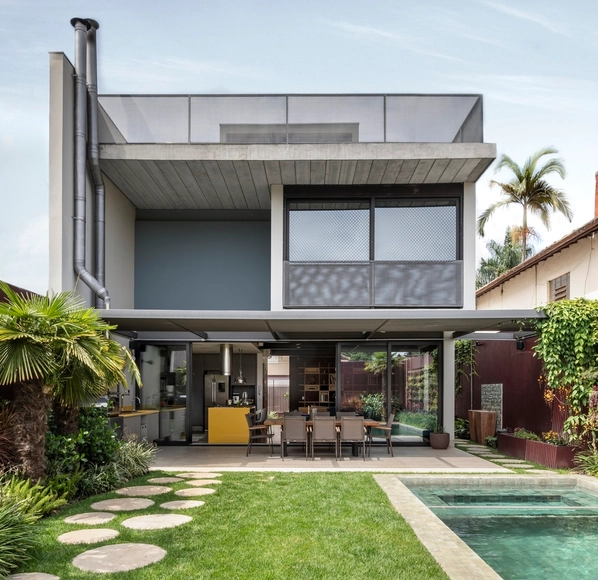
Historically associated with factories and industrial buildings in general, exposed building services have increasingly been adopted in other typologies in recent years, including residential architecture. Conduits, plumbing, and other elements used in building systems—long relegated to the background, concealed behind walls and ceilings—can actually serve as key features of an architectural concept.
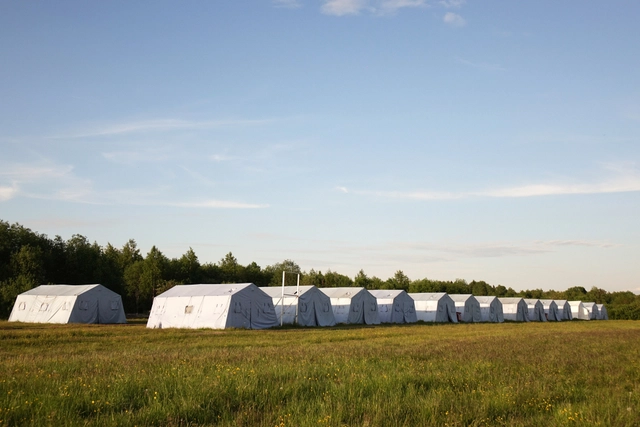
Like the flight of a bird, a summer rain, ocean tides, lightning during a storm, or a prolonged drought, natural phenomena occur every day without our noticing. Yet, some draw more attention, such as volcanic eruptions, earthquakes, the emergence of a new virus, or major floods. Even so, if they occur in an uninhabited region and do not cause significant material damage, they remain merely natural phenomena. If, however, they strike populated areas, causing deaths, injuries, production disruptions, major financial losses, and displacement, only then are they considered natural disasters.
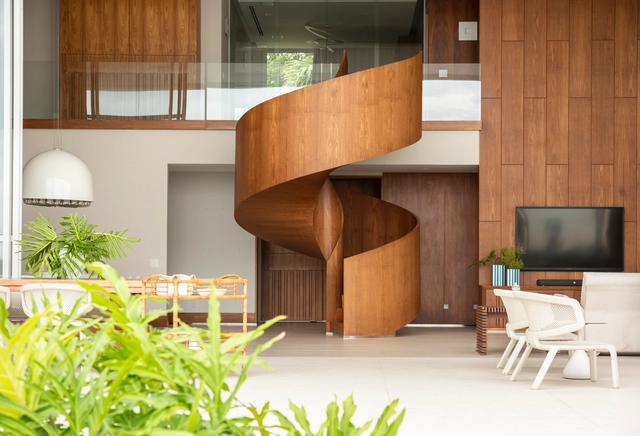
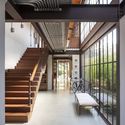
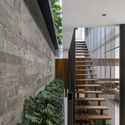
Staircases made of wood can offer a unique character to each project, thanks not only to the different configurations they can occupy in a space, but also to the variations in color and texture provided by different wood species and cuts, as well as the various ways of arranging the treads.
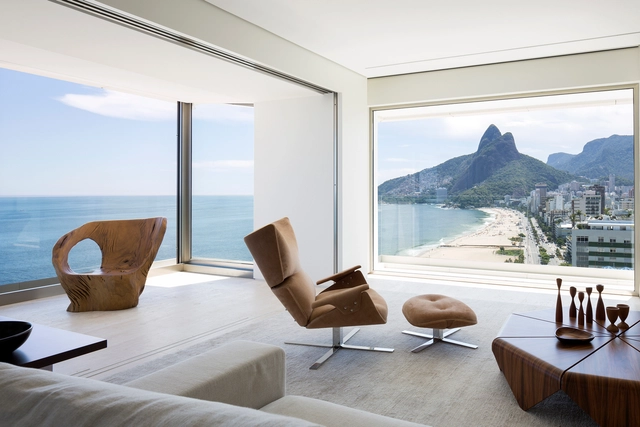
In interior design projects, we often encounter certain pieces of furniture that are easily recognized as milestones of a specific era, place, culture, or the career of the designer who created them.
What makes an object or piece of furniture iconic—whether within the design world or beyond—is not determined by a set of rigid rules. Asking what elevates a design to “icon” status leads to deeper questions: Is it its instant recognizability, its ability to break canons, or its timelessness? Furthermore, who are the arbiters who define this iconicity?

Originally written as a final paper for the elective course Traditional Dwellings (Moradias Tradicionais) at Escola da Cidade in 2017, this essay addresses the little-known presence of large-scale pre-Columbian structures in the heart of the Amazon Rainforest.
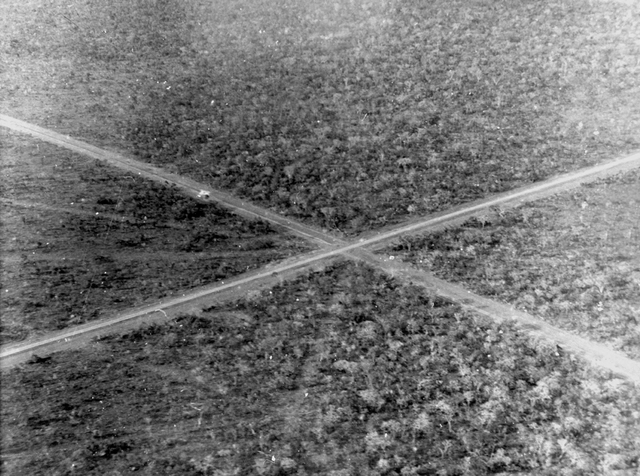
Over the last 40 years, hundreds of massive geometric formations carved into the ground—known as geoglyphs—have been discovered in the state of Acre. These structures show that the Amazon was inhabited thousands of years ago and that its vegetation was managed, debunking the notion of the region as an untouched, pristine wilderness.


A faucet is a mechanical valve used to regulate (release or block) the flow of a fluid (usually water) from plumbing. While turning on a faucet seems almost mundane today, we rarely think about the vast knowledge and technology required to provide water at any given moment with a simple movement of the hand. Yet, between intake, treatment, and distribution to a kitchen or bathroom, water travels a complex path.
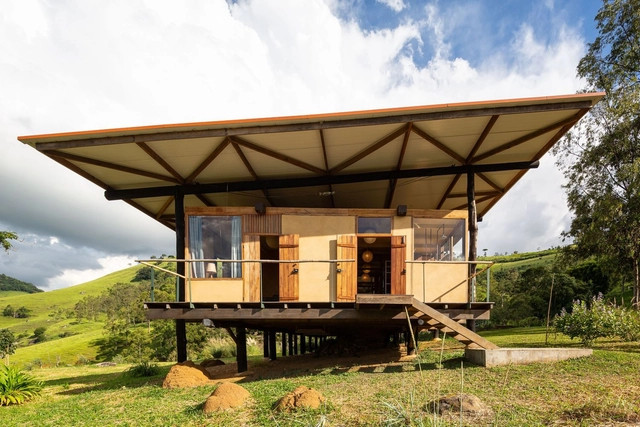
In recent years, metal roofing has increasingly gained ground in architectural projects, from the industrial to the residential scale, especially when there is a need to lighten structural loads or span large distances. In residential architecture, this solution offers a viable alternative to traditional ceramic tiles due to its low cost, rapid installation, and the wide variety of types and models available on the market.
_11.44.10.jpg?1595963269&format=webp&width=640&height=580)
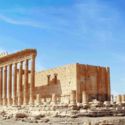
Despite UNESCO's recognition of specific world heritage sites, some are in constant danger of disappearing due to natural phenomena like earthquakes and human factors such as urbanization. By definition, these landmarks are significant to human history, embodying characteristics that reflect the core values of various civilizations. However, many have never been experienced firsthand by a large portion of the global population.

The way you experience the city, the urban infrastructure provided in the areas you frequent, and even the job opportunities that come your way are all, to some extent, shaped by the color of your skin. These themes unfold across multiple layers to discuss racial segregation in the urban environment in the seminar "The City and Racial Subjection," organized in 2018 by the Laboratory of Race and Urban Space Studies (Labraça) at FAUUSP.
As it celebrates its 60th anniversary, Brasília has an opportunity to draw inspiration from the anti-racist and anti-colonial movements worldwide that have challenged the monumentality of official history, confronting the memorialization of colonialism within its own urban landscape. Rather than celebratory events that reiterate official narratives, marking the city as a *bandeirante* milestone of national modernity, we should pause—a pause moreover imposed by the pandemic—to reflect on how certain memories are eternalized while others are erased, and thus trace new memorial cartographies onto the urban fabric of the capital.

During the pandemic, major cities became some of the most vulnerable environments; moreover, the global health crisis validated remote work and called into question the necessity of living in dense urban centers. Consequently, the urban exodus is likely to remain a constant theme in the near future, sparking major discussions within the fields of architecture and urban planning on how to manage this shift.

Twenty-first-century urbanism will be marked by an increase in both the number and scale of global megacities—urban agglomerations with over 10 million inhabitants, according to the UN—alongside a geographical shift. By 2100, African metropolises such as Lagos (Nigeria) and Kinshasa (Democratic Republic of the Congo) are projected to exceed 80 million residents. The rise of these new, larger metropolises, especially in Africa and Asia, compounded by the urgent need to address the ongoing climate crisis, demands immediate changes in the discourse surrounding urban mobility.


While the architecture and construction industry has been advancing in new fields for years, it remains one of the most lagging in terms of automation and efficiency. And indeed, while many of these innovations never progress past the experimental stage, we face a sobering reality: the sector is one of the largest producers of pollutants and waste worldwide. How can we reverse this trend?
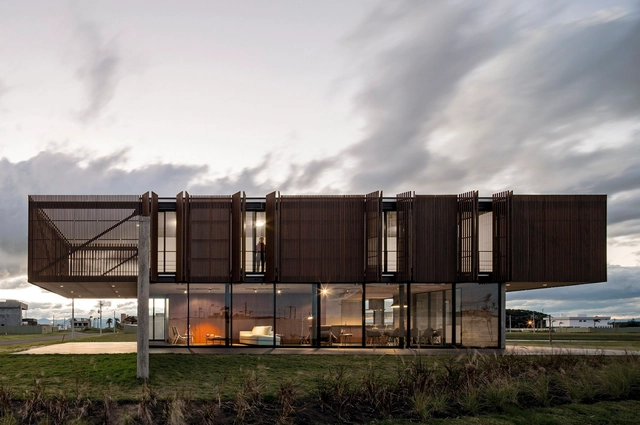
Movable doors, windows, and panels operate through various mechanisms that determine not only how they open and close, but also their classification and terminology. Among the array of systems used for operable architectural elements—ranging from the simplest to the most ingenious—the mechanism found in folding or bifold doors and windows is frequently adopted to blend aesthetics and functionality.
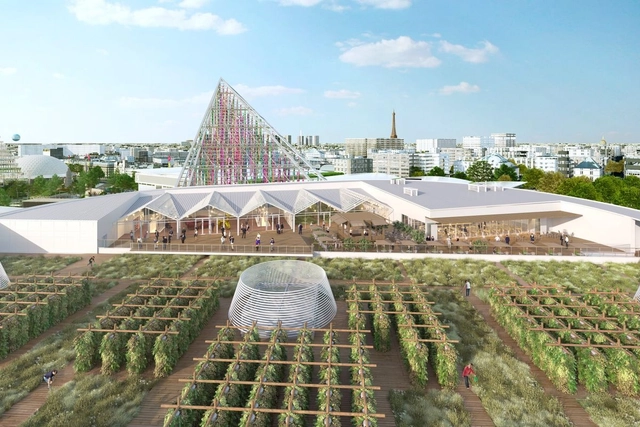
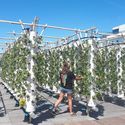
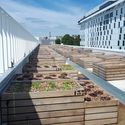
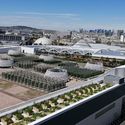
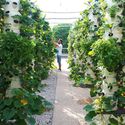
While modern metropolises have verticalized our way of life, creative solutions are continually emerging to reclaim and redefine urban space. Rooftops are already widely used for events and leisure, and now, growing plants and crops on them is becoming increasingly common. In Paris, a massive 14,000 m² urban farm has just opened on a building's rooftop. Although cultivation does not yet cover the entire area, once fully completed, it will be considered the largest in Europe and, perhaps, the world.
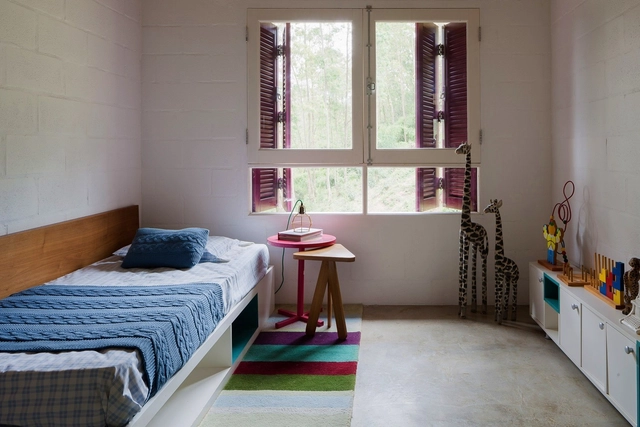
Many factors influence people's well-being, but few have power as great as the quality of sleep. Adults spend, on average, a third of their day (and their life) sleeping. In the case of young children, this proportion is even higher. According to a study published by the WHO in 2019, babies (4 to 11 months) should sleep between 12 and 16 hours/day; and children up to 4 years old should sleep between 10 and 13 hours/day.
Quality sleep acts directly on the child's brain development, especially during his first and second childhood (from birth to 12 years old). During the rest period, the body releases the hormones necessary for growth and learning, and this is directly related to physical, motor, emotional, and cognitive development. It is also known that the environment where one sleeps interferes with the quality of that sleep, and some important aspects must be considered when designing sleeping spaces for children and babies.
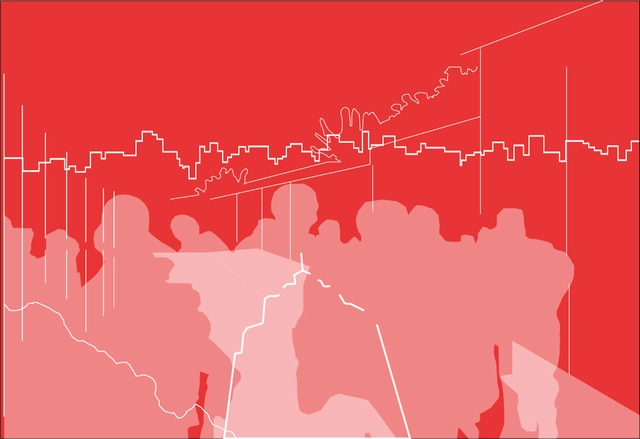
São Paulo, Sociedade Anônima is a film with a complex and profound approach to São Paulo, crafted with a sensitive and distinct 1960s perspective by those who lived through a moment of urban and socioeconomic renewal in the metropolis. Capturing this unique social transformation, the film became a cinematic landmark of the era, tracing an intense relationship between character and urban space. It contains multiple layers of interpretation that dissect the meaning of the modern, the urban, the scenographic, and the architectural, using these concepts as tools to express a historical period lived and experienced by its population, capturing the transformations of both the city and its society.
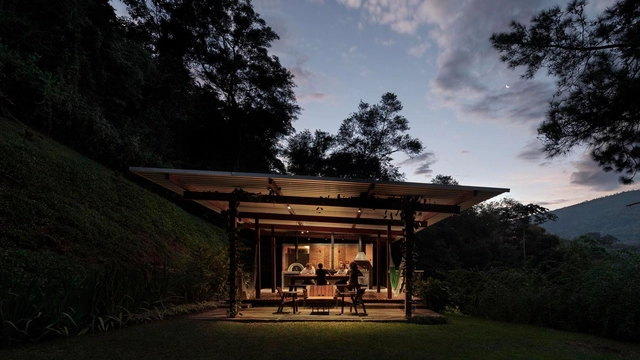
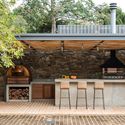
Across much of Brazil, the climate allows for the daily use of outdoor spaces. From the simplest backyards to backyard annexes equipped with barbecues and ovens, outdoor cooking is deeply rooted in the local culture. This practice has become even more prominent in light of the lessons learned from the pandemic, as open-air spaces tend to be safer. With this in mind, we have compiled twelve outdoor kitchens—or kitchens that open up completely to the outdoors—to provide design inspiration for this type of space.
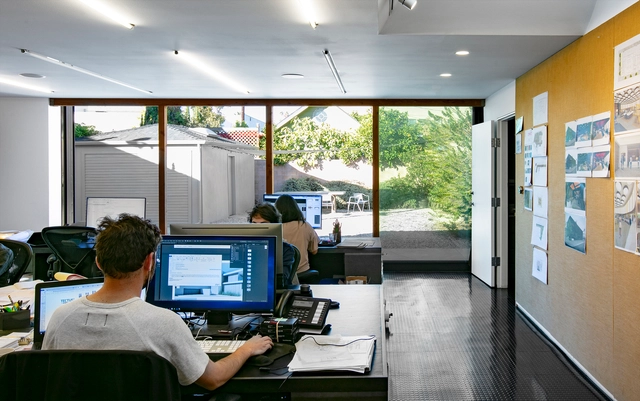
Architecture is one of the most beautiful professions—there is an undeniable romance in building the spaces where human beings dwell. It is also one of the oldest: if considered as an activity that organizes space, some form of architectural thinking can be identified dating back at least hundreds of thousands of years. Its beauty, however, is partially eclipsed by widespread frustration within the professional field in Brazil. A general lack of awareness regarding its importance to society, difficulty securing contracts, fierce competition, scarce opportunities in public projects, low-paying jobs, and a willingness to work without fees all contribute to the precarious state of architecture and urban planning.

The composition of interior spaces is essential to human well-being. During the Covid-19 pandemic, this topic gained even greater prominence, as the design of indoor environments—beyond being aesthetically pleasing—can also help prevent disease and directly influence how we feel.












_11.44.10.jpg?1595963269)