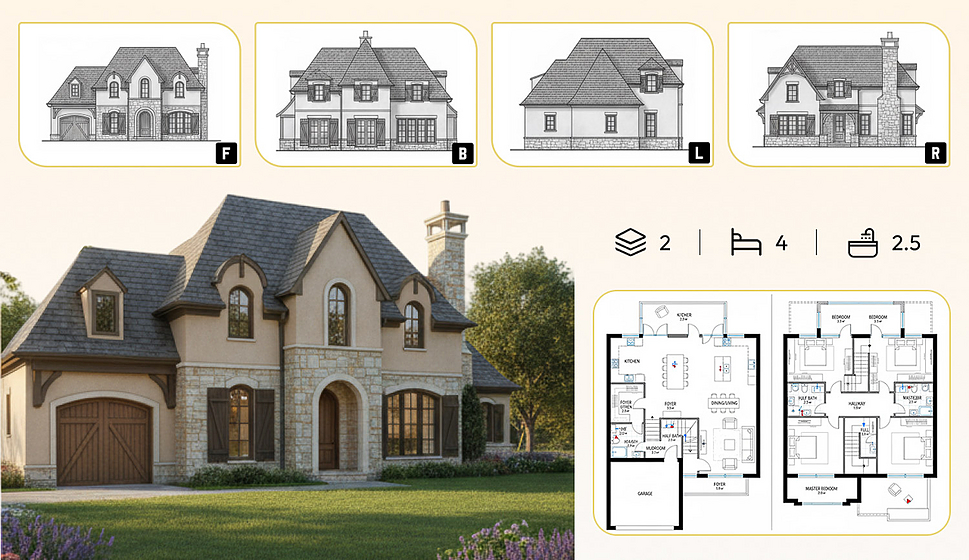
This guide covers a workflow that moves from project parameters to generated floor plans, 3D perspective views, exterior design exploration, and site context visualization, using AI tools in place of preliminary CAD and rendering work.
This guide covers a workflow that moves from project parameters to generated floor plans, 3D perspective views, exterior design exploration, and site context visualization, using AI tools in place of preliminary CAD and rendering work.
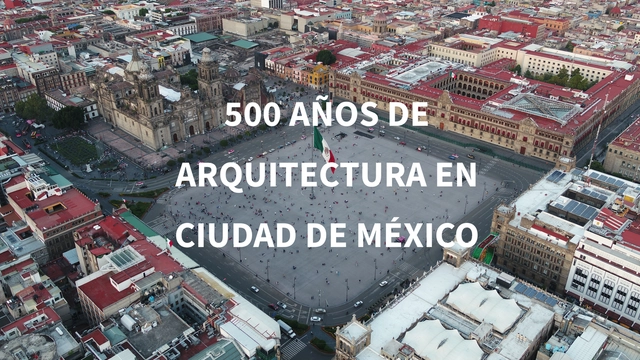
Today, August 13, commemorates two pivotal events in Mexico's history: the approximate founding of Tenochtitlan, capital of the Mexica civilization, around 1325 on an island in Lake Texcoco in the Valley of Mexico; and the fall of this empire in 1521 to the Spanish army led by the conquistador Hernán Cortés.
These are just a few of the many events that shape today's Mexico City, making it nearly impossible to summarize them all. Nonetheless, revisiting some of these milestones helps us understand the very ground we stand on and, above all, reflect on the future of our actions as architecture professionals: from the pre-Hispanic period, colonization, Independence, and the Revolution, to the foreign influences of the Modern Movement and the diverse interpretations that culminate in what we recognize today as contemporary architecture.

Although the COVID-19 pandemic postponed COP26 to November 2021, UN negotiators were still hard at work throughout 2020. Following a series of virtual events in June of last year, more than 3,000 national delegates concluded the Climate Dialogues, a series of 80 virtual meetings in which countries shared, reviewed, and discussed outstanding issues in international climate negotiations.
From the outset, countries agreed that the dialogues would not include the formal negotiations that typically occur at COPs and would not lead to any official decisions. Instead, they addressed events that countries had previously scheduled for 2020, alongside other informal exchanges. The dialogues served as a platform for countries and non-state actors to take stock of overall climate action progress in 2020, offering an informal space for negotiators to better understand outstanding issues as they prepared to resume negotiations in 2021.

Hiring this week is Shanghai-based Atelier I-N-D-J. Active in the fields of architecture, spatial, product, and furniture design with a highly distinct style, they welcome young talents passionate about architectural design to join their team.
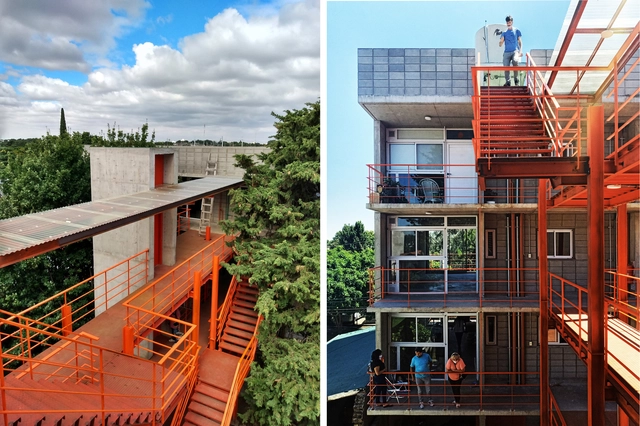
Located at Castelli 3902, this project is the result of a collaborative partnership between the architecture and urban planning organization Proyecto Habitar and COOPTEBA SM/3F, a housing cooperative of education workers from the Province of Buenos Aires, San Martín, and Tres de Febrero. In a world where unequal access to urban goods and services shapes the lives of much of the population, the designers sought to work collectively and interdisciplinarily to address existing social and spatial injustices. Read on to learn more about this experience.

Since ArchDaily launched its recruitment services, we have received job listings from architecture practices of all scales across China, from Beijing and Shenzhen to Hangzhou. Characterized by their distinct design philosophies, these practices operate across diverse architectural fields, seeking talented professionals to join their teams. Concurrently, ArchDaily and its sister platform, the design and materials database Architonic, are seeking a Business Development Manager for China. Below is a curated selection of nine active openings and representative practices. We invite qualified candidates to apply.
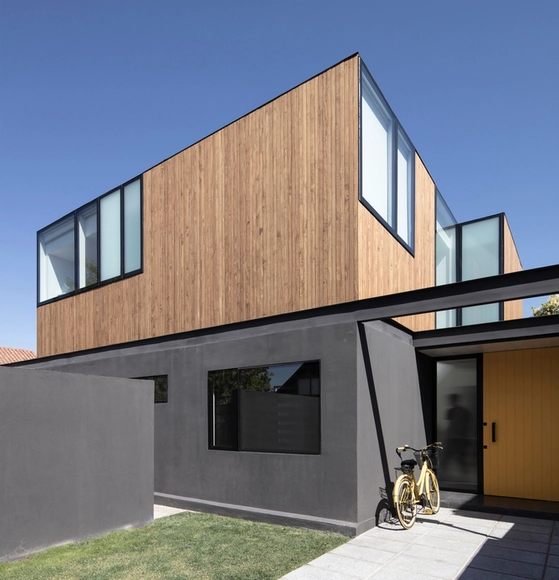
In recent years, wood has gained traction as a renewable, versatile, and aesthetically appealing building material. Its strength, ease of handling, and insulating properties give it advantages that other materials cannot match, making it an increasingly popular choice among designers, architects, and builders. However, while it offers multiple benefits, it is also susceptible to degradation and decay, requiring preservation care to withstand the passage of time and other external threats.
Historically, to address these durability issues, there were two options: applying chemical treatments or using tropical hardwoods. While the former generates harmful toxins, the latter drives deforestation in the context of climate change. Consequently—and driven by an increasing demand for the material—alternative methods have been developed to protect it. One of these is acetylation, a non-toxic process that, in addition to offering high performance, significantly reduces environmental impact.
"Domingos Libro" is hosted by Carmelo of Enorme Studio. Every two weeks, the series takes a deep dive into forgotten architectural publications, books, and architecture magazines from the '60s, '70s, and '80s that harbor the most fascinating backstories.
In this latest episode, we explore the monograph on Japanese architect Arata Isozaki published by Rizzoli, and his obsession with Marilyn Monroe—an obsession that led him to replicate her body's geometry across several of his buildings.

# Number of architectural projects completed annually: 3,000
# Total length of fabric sold annually: 3,999,220 meters
#Retail price of the most expensive textile: ¥ 4,000 / meter
# Textile Brand Kvadrat
Founded in Denmark in 1968, Kvadrat is a renowned textile brand deeply rooted in Scandinavia's world-famous design tradition. The name Kvadrat means “square” in Danish, inspired by the grid paper commonly used by designers and engineers for sketching in the 1960s. Refusing to be homogenized by global trends, the company maintains its distinct Scandinavian identity. As a leader in design innovation, Kvadrat continuously explores new ideas in material and technological applications within design and manufacturing, producing high-quality contemporary textiles and textile-related products for architects, designers, and private consumers worldwide.

This article is a collaboration with Colectivo RE and was originally published on August 2, 2020, in the second edition of Huevo de pato, a publication that aims to share thoughts and experiences as a strategy toward the democratization of knowledge and practice.
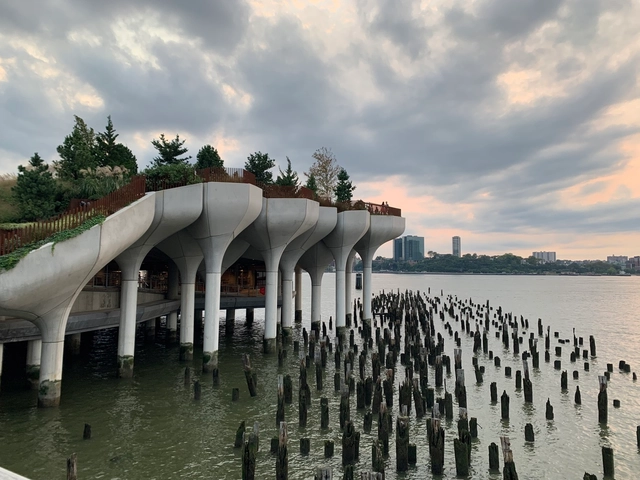
Citymakers is working with ArchDaily to publish a series of articles, conversations, and interviews with different actors in urban co-production, who are behind the Citymakers Barcelona Lab 2021, a program returning to Barcelona between November 8 and 12, 2021.
CityMakers is the global platform of experts in urban co-production best practices, seeking to connect city co-producers and influential leaders from around the world to inspire each other and drive transformation in their cities.
For this edition, Albert Santasusagna del Riu – IdRA – Barcelona Water Research Institute, presents his article "Towards a Globalization of Water Landscapes? Context Matters!".

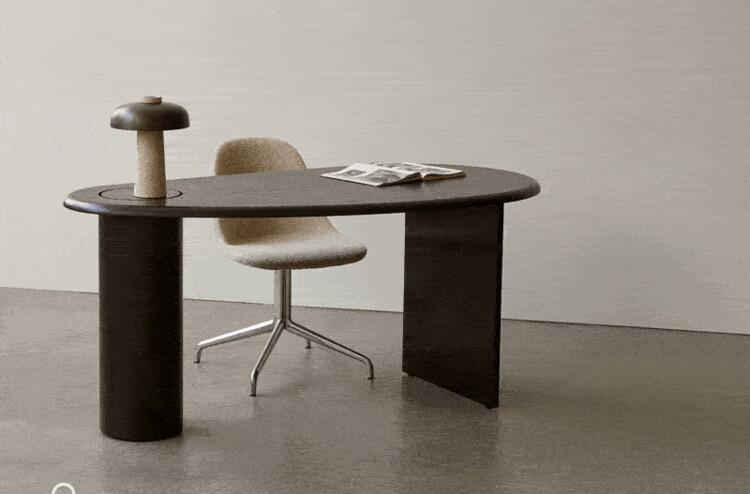
Growing up in the rolling coastal countryside of Dorset in West England, Fred Rigby drew creative inspiration from natural elements—a passion that ultimately shaped his design philosophy. Characterized by organic forms, natural symbolism, and earthy materials, his work fosters a deep connection to nature within indoor environments. Premium Scandinavian design brand MENU collaborated with Rigby to develop their latest office furniture collection as a response to the pandemic-induced shift toward working from home. By integrating the warm, soft, and nature-centric qualities of his work, the collection aims to bring a sense of calm to the anxieties of our time.
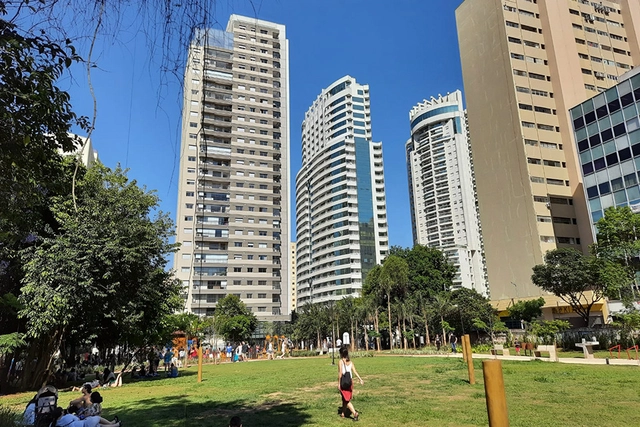
In November 2021, the Mayor Bruno Covas Augusta Municipal Park opened in central São Paulo. Despite the celebrations, the outcome could have been better. The decision to turn the area into a park was the result of a process that dragged on for years between developers planning to build residential and commercial towers on the site, and residents and activist groups advocating for a park on the same plot of land.

What if we told you that fungi could be the future of building materials? The possibilities of mycelium in architecture are becoming increasingly tangible, thanks to its capacity to be molded into everything from furniture and packaging to insulation panels and bricks. It offers excellent acoustic and thermal properties, along with remarkable fire resistance.
In Argentina, this is already a reality. Refugio Fúngico is a recent experimental biotechnological research and development project led by SUPERPRAXIS. It takes the form of a temporary installation in the city of San Carlos de Bariloche, crafted from a biomaterial made from organic waste and mycelium.
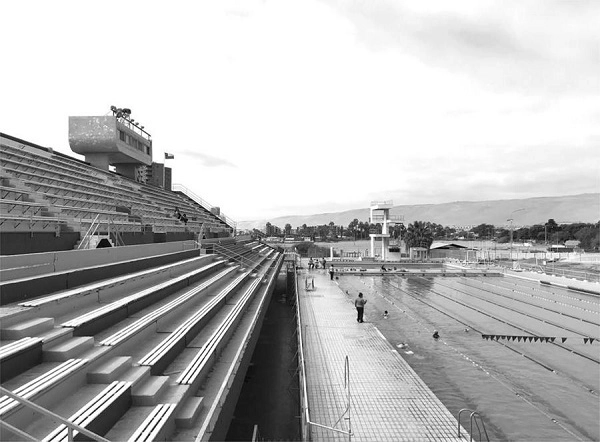
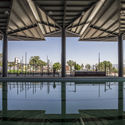
Although the Olympic Pool of Arica, built in 1972 by architect Alicia Meza and former CORMU members Nelson Berthelon and Sergio Román, received widespread national and international recognition at the time, today it is far from being part of the collective imaginary of modern architecture in Chile.
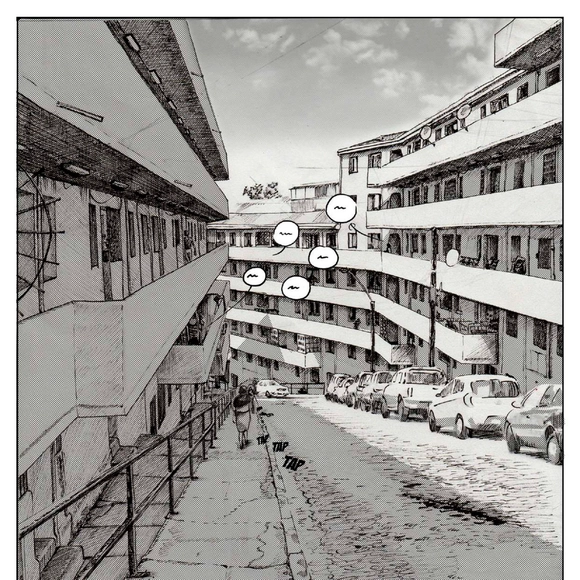
Exploring the relationship between comics and architectural representation, the thesis of Isis Zúñiga Campos invites us on a journey through the “Quebrada Márquez” housing complex, demonstrating how these narratives, built from drawings and images, can convey and represent both ways of inhabiting and the architectural experiences that surround us. Through the use of various graphic tools, drawing characters becomes a fundamental part of understanding how spaces are lived. Indeed, as the author describes, architecture without people is not architecture. While comics still have a long way to go in representing modes of living, in the meantime they reveal the pathways, spaces, and daily uses people create, offering a perspective closer to reality.
Below, the author explains this in detail in her own words.
"Domingos Libro" is hosted by Carmelo of Enorme Studio. Every two weeks, he takes a deep dive into forgotten architectural publications, exploring books and magazines from the 1960s, '70s, and '80s that hide the most fascinating backstories.
In this new episode, titled "La Casa de Muñecas" (The Dollhouse), he discusses the 1983 issue of the British magazine Architectural Design titled "Dolls' Houses," and how its editor, Andreas Papadakis, turned the search for a dollhouse for his daughter Alexandra into one of the most unusual and entertaining architectural competitions in history.

ARIZON Design was founded in Shanghai in 2008 by Junwei Shen. The firm specializes in providing master planning, design, and consulting services for boutique shopping centers, commercial complexes, and other architectural spaces. Its completed projects have won numerous international professional awards, positioning the firm as one of the most forward-thinking and specialized design agencies in the commercial retail sector. The name ARIZON is inspired by a passage from the I Ching (Book of Changes): “Great indeed is the generating power of Qian, to which all things owe their beginning,” symbolizing the use of boundless creativity to breathe endless life into architectural spaces. Championing an “ECO-FASHION” aesthetic and driven by the mission of “designing the future of business,” ARIZON strives to create greater commercial value for its clients.

This second year of the pandemic offered a tremendous opportunity to continue reflecting on and debating the most urgent issues in architecture. To this end, we wanted our readers to actively participate by contributing their experiences and knowledge. Throughout the year, we invited them each month to share their comments and insights on a wide range of topics—from the future of cities, automation, and multidisciplinary design, to green infrastructure, adaptive reuse, migration, equity, and well-being.
After reading and compiling all the submissions received—from construction professionals and students to architecture enthusiasts—it is now time to present the key perspectives. Thank you very much for sharing your opinions!

Since ArchDaily launched its recruitment services, we have received job postings from design firms of all scales across the country, from Beijing and Hangzhou to Shenzhen. Active across diverse architectural fields, these practices bring distinct perspectives and are looking for talented designers to join their teams. Below, we feature eight outstanding offices and a selection of their work. Readers are highly encouraged to apply.
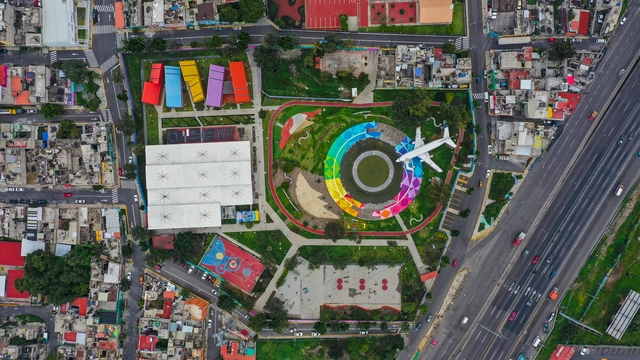
As part of an initiative by the UHPH Platform, co-organized with Habitat for Humanity, the 2021 call for entries was launched for the "Inspiring Practices" competition, held within the framework of the 4th Latin American and Caribbean Housing and Habitat Forum: "Action for Housing and Settlements Facing COVID-19." This initiative seeks to improve urban spaces and equip them with infrastructure that promotes community development.
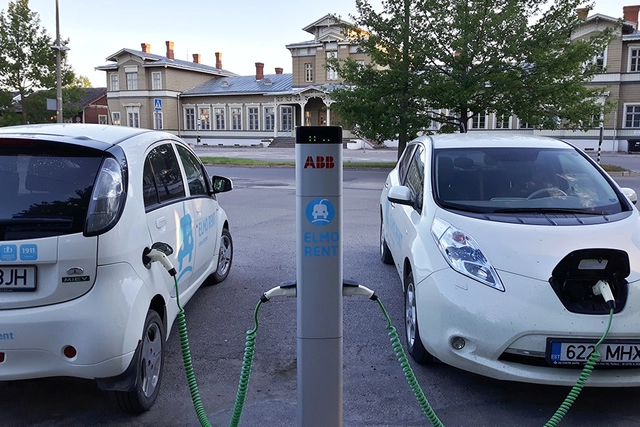
Public and private sector leaders and civil society representatives from around the world gathered at COP26, held in Glasgow from October 31 to November 12, to debate and deliberate on one of the most pressing issues of the 21st century: climate change. The summit centered on four key goals:

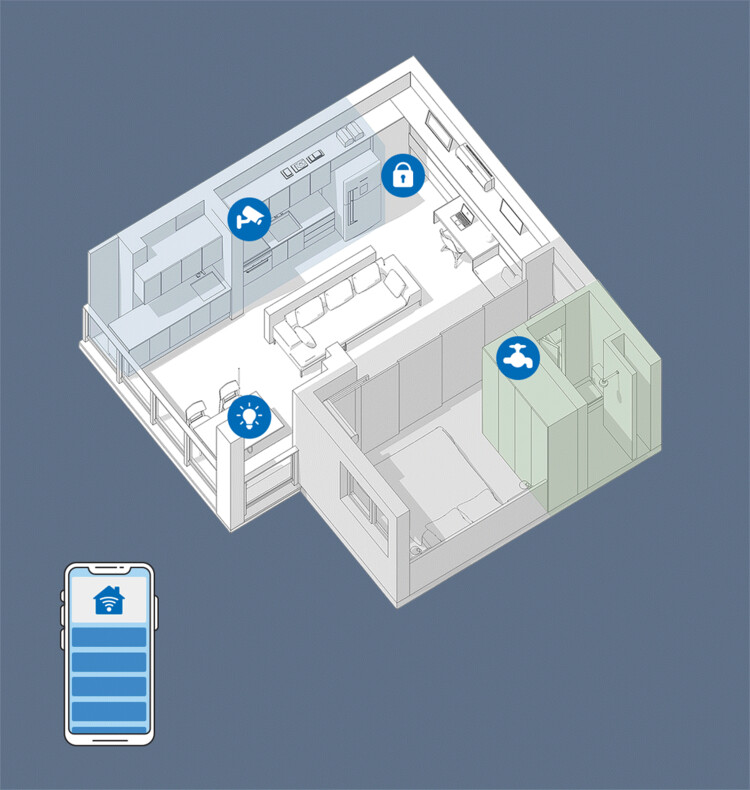
In the future, the Internet of Things (IoT) will play an increasingly profound role in our lives, with devices communicating independently and integrating into our daily routines as smart assistants. As a result, demand for smart home technology is growing in tandem with the range of products on offer. In a recent report, market research firm Statista predicted that this year, approximately 12% of households worldwide will own smart home devices, a figure projected to rise to over 21% by 2025—translating to more than 478.2 million users globally. But which of these devices are actually useful? A selection of outstanding technologies and designs has recently been honored with the 2021 iF Design Award, and here we take a closer look at nine of them.
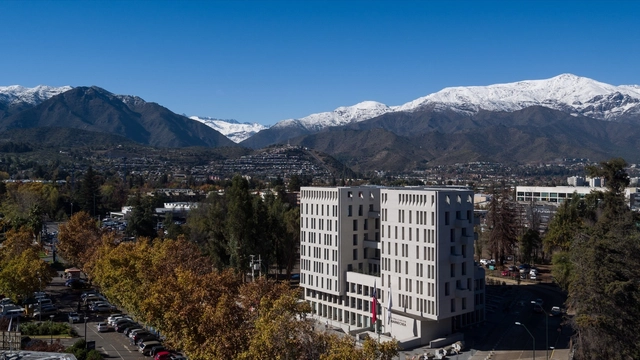
This is not a book about architecture; rather, it is a book about a territory—a territory in Chile, within the Metropolitan Region, shaped by a mountain range, a river, and a valley.
"Domingos Libro" is hosted by Carmelo from Enorme Studio. Every two weeks, the series delves deep into forgotten architectural publications, books, and magazines from the '60s, '70s, and '80s, uncovering the fascinating stories behind them.
In this eleventh episode, titled "El Huevo" (The Egg), Carmelo discusses the 1978 book *L'Oeuf* by André Bruyère. An obsession with eggs led the French architect to propose an egg-shaped skyscraper for New York and write this book, which champions the ovoid as a fundamental form.