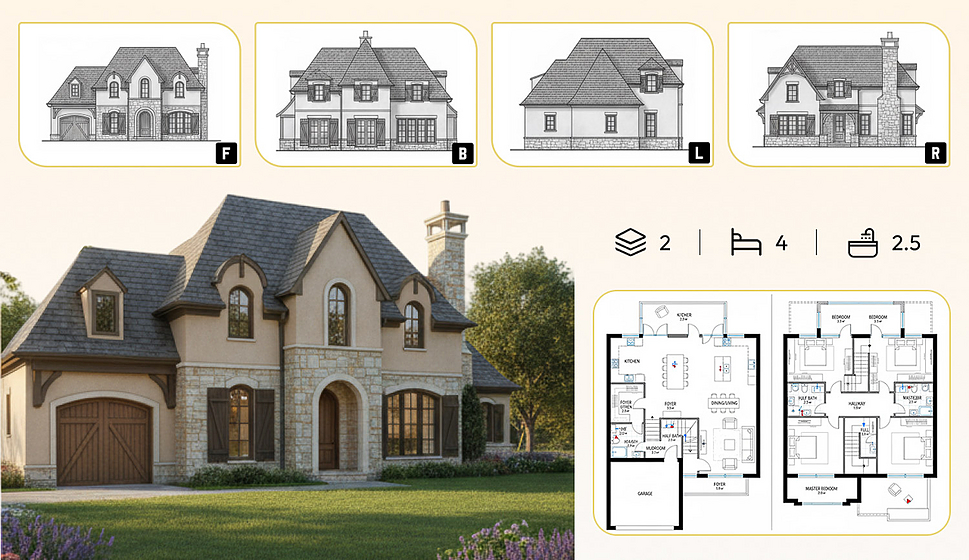
This guide covers a workflow that moves from project parameters to generated floor plans, 3D perspective views, exterior design exploration, and site context visualization, using AI tools in place of preliminary CAD and rendering work.
This guide covers a workflow that moves from project parameters to generated floor plans, 3D perspective views, exterior design exploration, and site context visualization, using AI tools in place of preliminary CAD and rendering work.
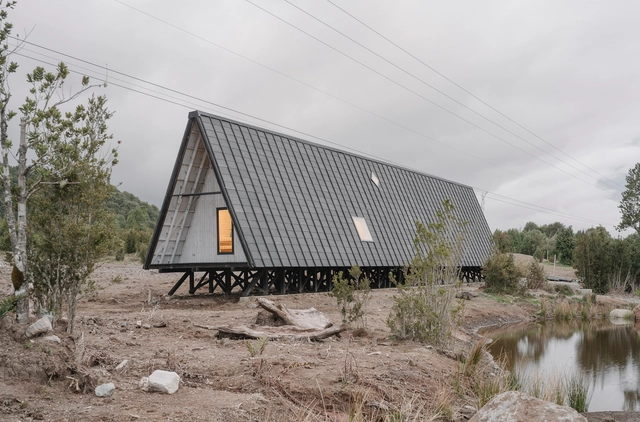
ArchDaily's curatorial team strives every day to present our readers with the most significant, inspiring, and innovative projects, while also ensuring a diverse representation of global architecture.
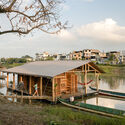
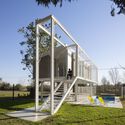
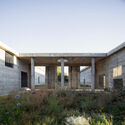
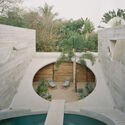
As part of our 2023 Year in Review retrospective on ArchDaily, we look back and reflect on what was published over the past year. Residential architecture remains one of our most visited categories of built projects, generating immense interest among our users worldwide. With this in mind, we have selected the 50 best houses published this year on ArchDaily en Español, offering a brief showcase of the form and character of residential architecture across the Spanish-speaking world.
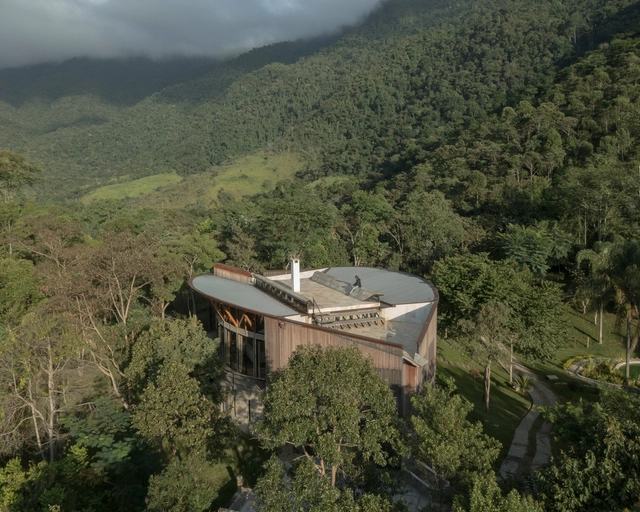
ArchDaily's curation team strives daily to present our readers with the most significant, inspiring, and innovative projects, expanding the knowledge and repertoire of students and architects worldwide. From small renovations to projects designed from scratch, residential architecture is a constant in the daily practice of most firms. Year after year, we see the deep interest this typology sparks: it remains the most popular category among our audience.
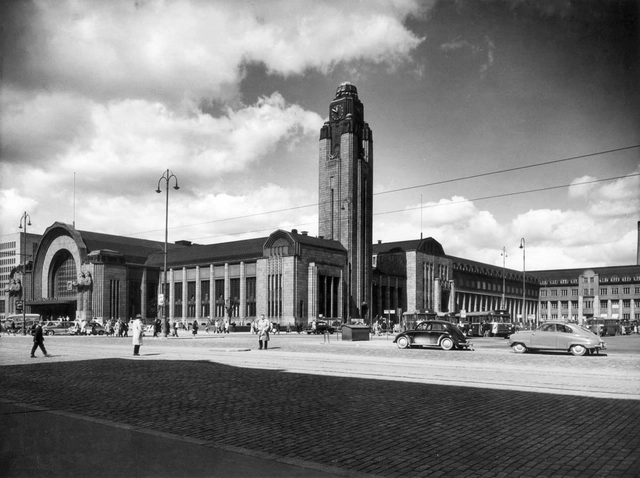
Kenneth Frampton, a prominent architectural critic, characterizes a group of late nineteenth-century works as belonging to the “New Tradition”: with its origins spanning from 1900 to 1914, he defines it as “a consciously modernized historicist style” (1997, p. 255). He proposes these buildings as a response to two significant historical events: on the one hand, nascent European Modernism, tending toward machine aesthetics, functionalism, and formal abstraction; on the other, the consolidation of national states occurring across the continent.
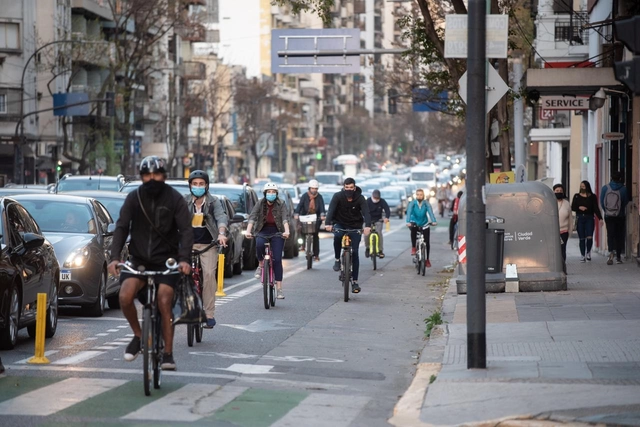
Bicycle infrastructure has grown rapidly in Latin American cities over the last decade. Cities like Bogotá and Santiago have more than doubled the extent of their bike networks. This is promising news, as studies show that cities prioritizing safe infrastructure record significant reductions in cyclist deaths and injuries and gain considerable economic benefits from reduced traffic congestion and fewer sick leave requests.
Nevertheless, much of the existing bicycle infrastructure in Latin American cities was built on local and secondary roads. While implementation may be easier on less busy streets, this approach also reduces the efficiency and overall impact of cycling, in addition to creating safety issues. Cyclists tend to seek shortcuts and the most direct routes, potentially leading to dangerous interactions with cars when they enter arterial roads not designed for non-motorized transport.

Promoting homeownership as an investment strategy is a risky proposition. No financial advisor would recommend taking on debt to put such a large portion of your savings into a single financial asset, whatever it may be, as it represents a major concentration of risk.
Worse still, this risk is not random: it falls most heavily on low-income buyers, who receive worse financing terms and whose neighborhoods are systematically more likely to have lower or even declining home values, leading to devastating consequences for the racial wealth gap.
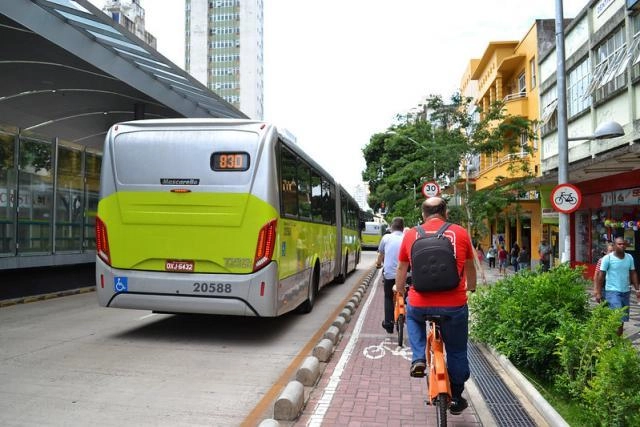
Cities are changing in many ways—some, fortunately, for the better. More Brazilians have come to see the bicycle as the best choice for urban mobility, and 67% of people would swap their cars or motorcycles for cleaner transit alternatives. While public perception of air quality is discouraging, awareness of climate change has grown, and 92% of people want electric buses in their cities.
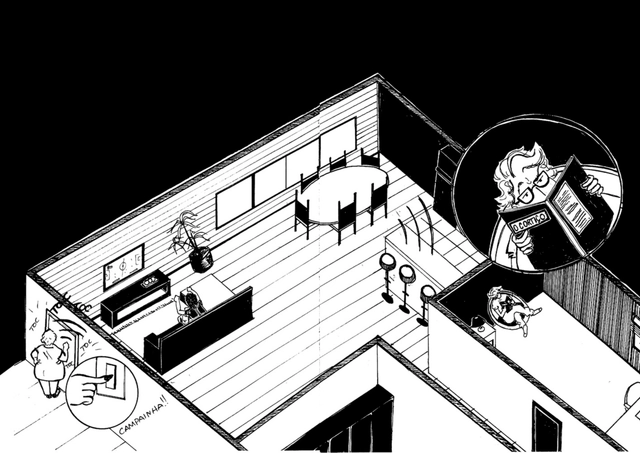
TEIA re(p)resents the city of São Paulo through a comic book narrative. The characters were developed as protagonists based on an empirical selection of twelve neighborhoods key to the city's history, whose residents served as the foundation for the character archetypes in the script. The graphic novel format provided the ideal medium to develop a language that allows for spatial thinking about the urban context and the observation of human relationships within this created and illustrated universe, highlighting its role as a communicative medium. Beyond experiencing and understanding the neighborhoods, the project aimed to explore the notion of belonging. The in situ experience in the neighborhoods and spontaneous conversations with residents—who served as references for the protagonists—allowed the narrative to reflect on the difference between being (of a place) and existing (in a place) in Brazil's most populous and diverse metropolis.
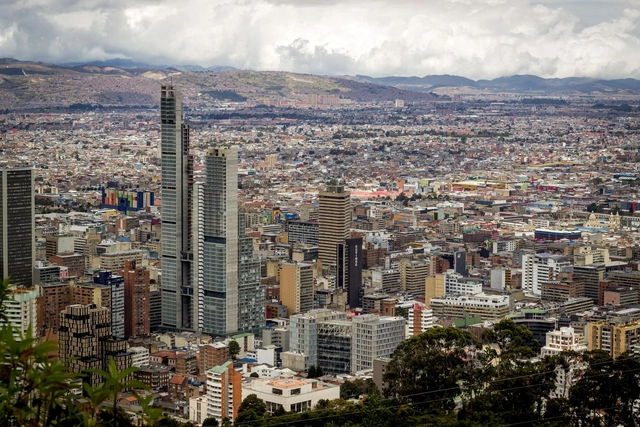
Shortly before taking office in January 2020, Mayor Claudia López committed to redesigning a major arterial road in Bogotá, aiming to transform it into a green corridor for active and sustainable mobility. To do so, the mayor also pledged to promote a planning process with broad public participation—a rather daunting task in a city of nine million people.
Known since the 16th century as Calle Real, Avenida Séptima is widely considered Bogotá's most important thoroughfare, stretching 23 kilometers and traversing the city's eastern zone. It is perhaps the only road that runs through every income bracket in the municipality, from the poorest to the very wealthy. It is also the most hotly debated space in the Colombian capital.

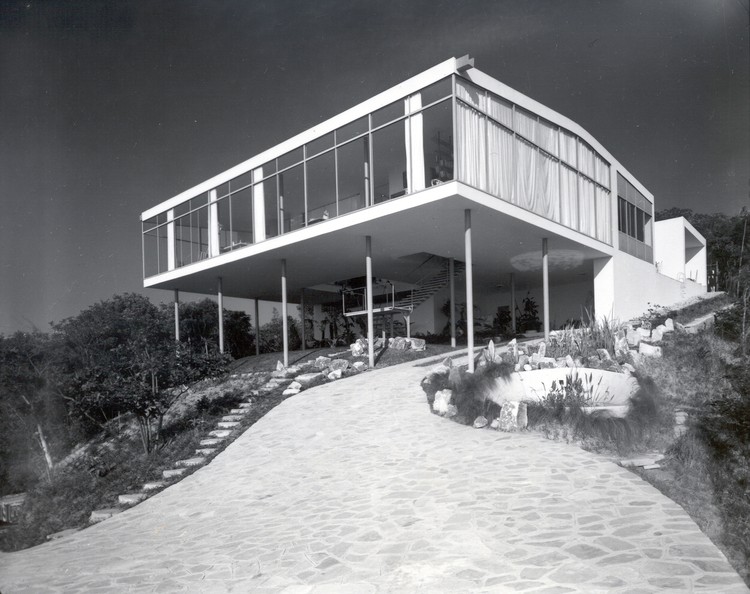
When we think of the residential designs of Italian architect Lina Bo Bardi, the immediate image that comes to mind is her private residence in São Paulo (1951)—more precisely, the image of its glazed social pavilion, captured from a low angle. This perspective further dramatizes the contrasting relationship between that light, suspended orthogonal volume and the steep natural slope of the terrain.
I would venture to say that no other work of Brazilian architecture is as well-known from a single photograph. This image, which has illustrated nearly every publication on the architect since the building's completion nearly 70 years ago, and which indeed justifies its famous moniker, the “Glass House,” exposes the unequivocal modern condition of this project—or, at least, the portion revealed by the angle of this celebrated photograph: a transparent, prismatic volume suspended on slender pillars set back from the edge of the floor slab and, consequently, free-standing within the elevated space.
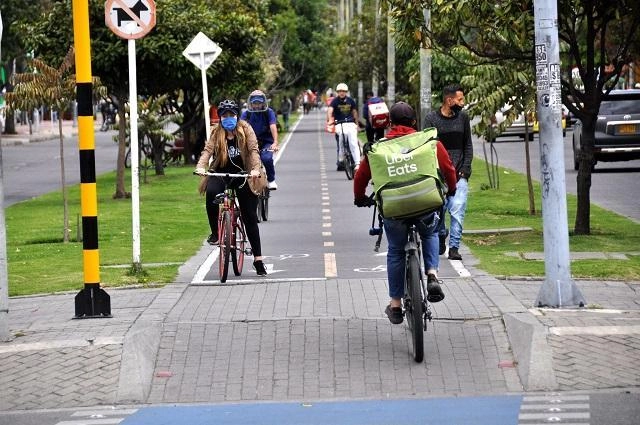
When the Covid-19 pandemic broke out, concerns over virus transmission on public transit prompted many to opt for alternative mobility options—chiefly, cycling. Bicycles gained popularity for both recreation and transport, a trend especially evident in the United States, Mexico, Colombia, Germany, and France. In France, Germany, and the United States, the weekly average of bicycle use increased by 4%, 7%, and 20% respectively compared to 2019 figures.
While the corporate world debates remote work, Amazon has decided to double down on physical offices. Earlier this year, the company announced plans for its new headquarters in Arlington, Virginia. The building complex will be anchored by a spiraling structure more than 100 meters tall, dubbed the Helix. In addition to 260,000 square meters of office space, there will also be 10,000 square meters of public space, including an amphitheater, a market, restaurants, and plazas. The choice of location, in the heart of the Washington, D.C. metropolitan area, stands in contrast to companies like Apple and Facebook, which built their closed-off headquarters in the suburbs.


We have curated a selection of online exhibitions on urbanism—available for free on Google Arts & Culture—exploring the history of development in major cities around the world. Discover them below:

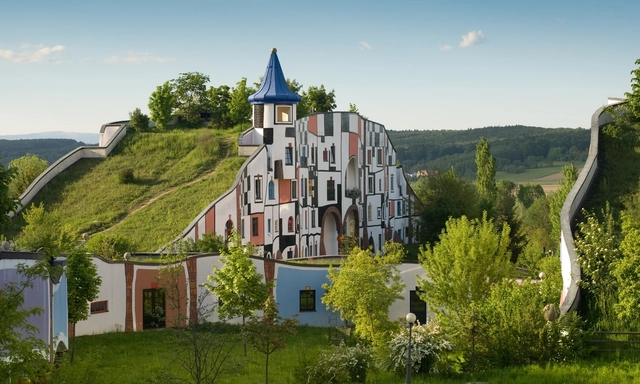
Imagining and experiencing alternative ways to understand the relationship between the human body, space, and the ideas that connect it to the world was one of the central themes that Hundertwasser brought to light. The Austrian artist and architect, born in 1928, dedicated much of his work to environmental issues, expressing his perspective through the theory of the five skins: the epidermis, clothing, the home, social identity, and the world. Due to its universality, this concept retains a contemporary relevance.
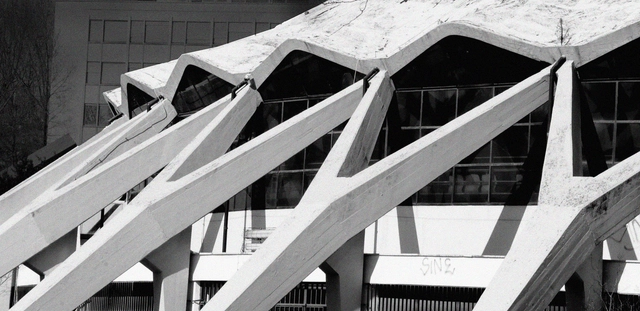
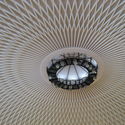
Pier Luigi Nervi is a curious case in architectural history. He designed large reinforced concrete buildings—and was even responsible for technical developments related to this material—defined by their bold, expressive, and heroic structural concepts. His design method was similar to Le Corbusier's during his so-called "Brutalist phase," which "(...) approached the architectural program starting from general principles, subsequently adapting them to the real situation. The project was defined by the structural concept [partido], which was organized from the general to the particular" (Acayaba, 1985). This is evident in the Italian's buildings, which are largely pavilion-like structures in which a massive structural roof spans the specificities of the program.
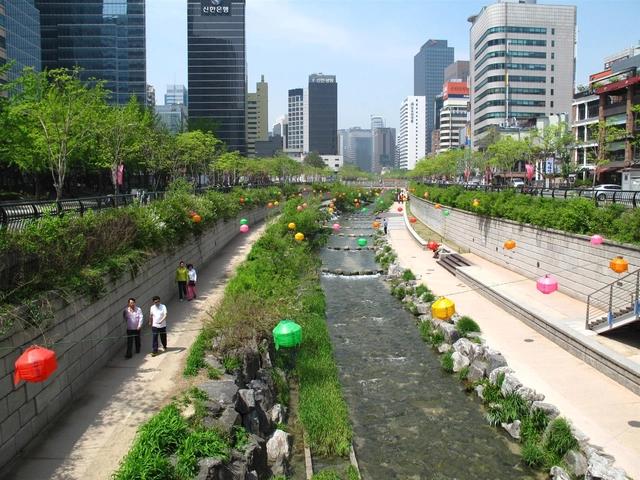
The construction of streets throughout the twentieth century was largely based on the premise that more infrastructure eases traffic. Evidence shows, however, that instead of reducing congestion, building more roads actually increases traffic. Reducing drive times makes driving more convenient; consequently, coupled with the status-symbol appeal of private vehicles, people tend to make more trips by car. A recent study by researchers at the University of Barcelona analyzed data from 545 European cities between 1985 and 2005, confirming that two decades of efforts to expand road capacity led to an increase—rather than a decrease—in vehicle traffic, failing to alleviate congestion.
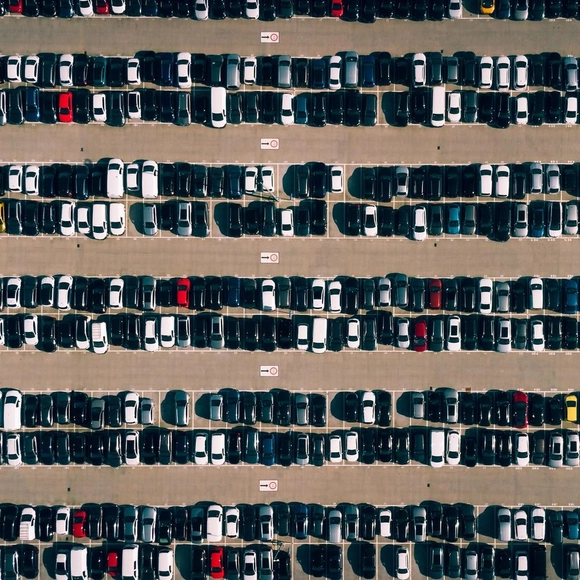
The book “The High Cost of Free Parking,” by retired University of California professor Donald Shoup, demonstrates that parking can impose a significant social cost. Shoup argues that the car-centric city model is irrational, allocating increasingly more resources and space to a machine that goes unused 95% of the time.
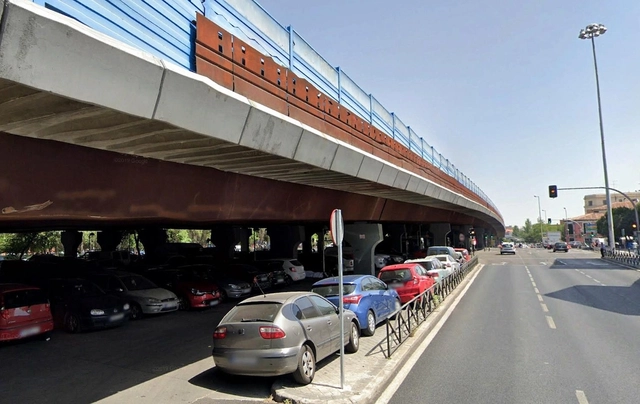
Madrid will demolish the M-30 highway overpass, located between the Puente de Vallecas and Retiro neighborhoods. This was the unanimous decision of the councilors of the Plenary of the Ayuntamiento de Madrid—the city's elected municipal council—who met on March 30. According to the author of the proposal, councilor and member of the Más Madrid party Francisco Pérez Ramos, the decision is crucial because the overpass has turned “into a wall.”
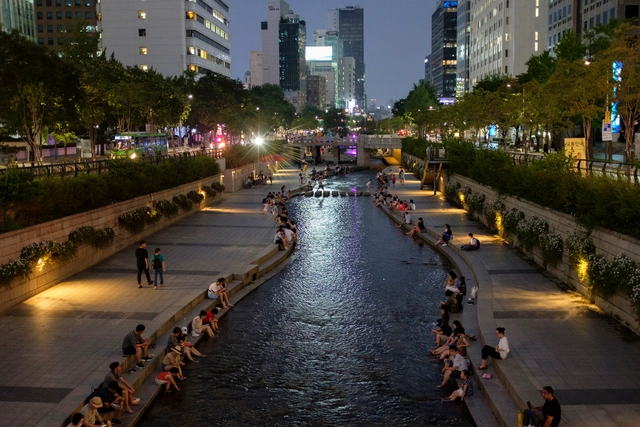
Throughout the 20th century, road construction was primarily based on the premise that more infrastructure eases traffic. However, evidence shows that instead of reducing congestion, building more roads actually increases traffic. When driving times are reduced, convenience increases. Consequently, alongside the appeal of private vehicles as status symbols of wealth and social standing, people tend to make more trips by car. A recent study by researchers at the University of Barcelona analyzed data from 545 European cities between 1985 and 2005. It confirmed that efforts to expand road capacity over those two decades led to an increase rather than a reduction in vehicle traffic, and failed to ease congestion.
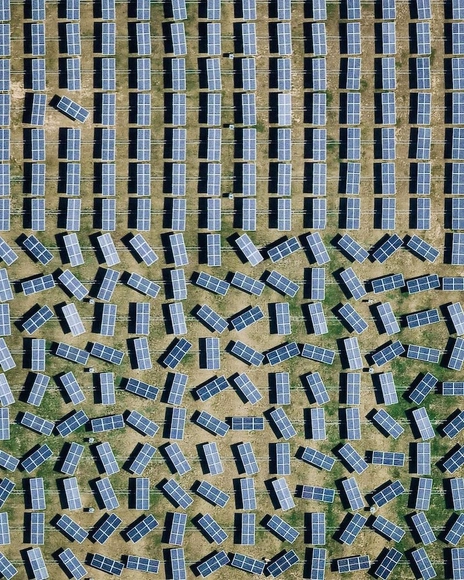
The global transition to a green economy could create 18 million jobs, with the potential to generate quality employment and livelihoods worldwide. But what about the people and communities whose livelihoods currently depend on fossil fuels and high-carbon sectors?
An estimated 6 million jobs in coal-fired power generation, oil extraction, and other sectors could disappear by 2030. Many of these new green job opportunities will require different skills than those needed for previous roles, or will be located in new areas.

As longtime partners, Portobello and journalist and TV host Pedro Andrade have embarked on a new project together—this time collaborating on the Horizontes line. Inspired by Andrade's five favorite destinations, the line was launched this year as part of the 2021 Unlimited Experience collection. This partnership represents another innovative step for Portobello in engaging professionals from diverse fields in its creative process, which typically invites architects and furniture or surface designers.
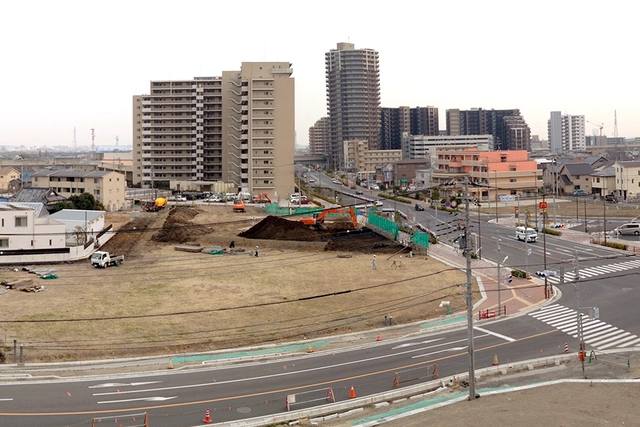
Once urbanization occurs, whether legally or illegally, and land is subdivided and populated, it becomes extremely difficult to retroactively reorganize its boundaries—especially property lines—and secure land for basic public needs.
This difficulty stems from two main factors. First, any land reorganization requires displacing existing users, which disrupts their social, cultural, and economic networks—their so-called "social capital"—and also affects the sense of equality and the fair distribution of rights. Second, the value of urban land rises with intensive use, particularly when supply is scarce amid high demand.
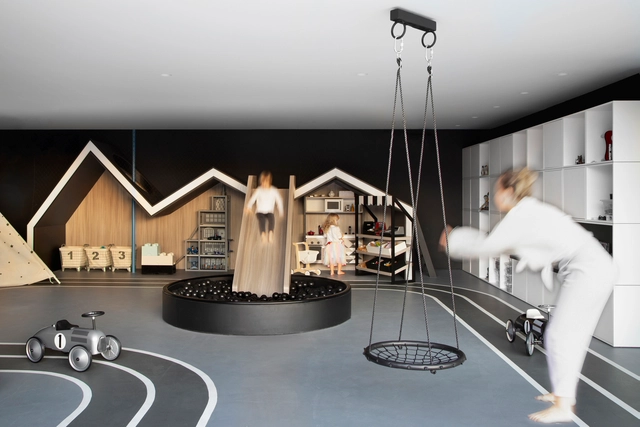
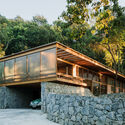
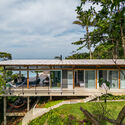
Beyond viewing the home as mere shelter and protection, there is now a much greater complexity of functions integrated into the elementary programs of dwelling. We no longer think only of spaces for sleeping, cooking, and bathing, but rather of a series of new programs that demand new spaces and configurations. Among these, leisure emerges as an activity integrated into living, in the form of backyards, swimming pools, and TV rooms.
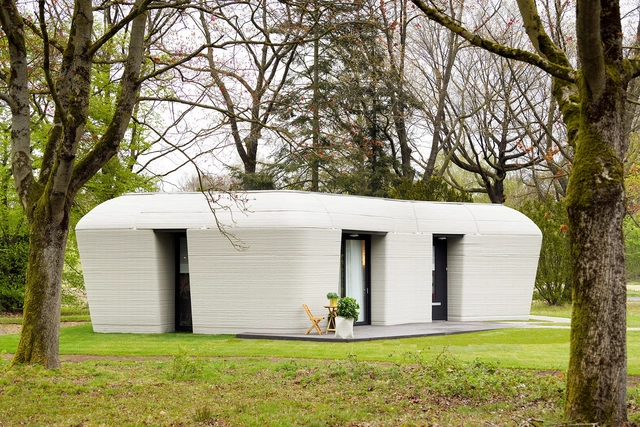
Years ago, the construction industry was among the most technologically lagging; today, however, we can confidently say that automation is here to stay.
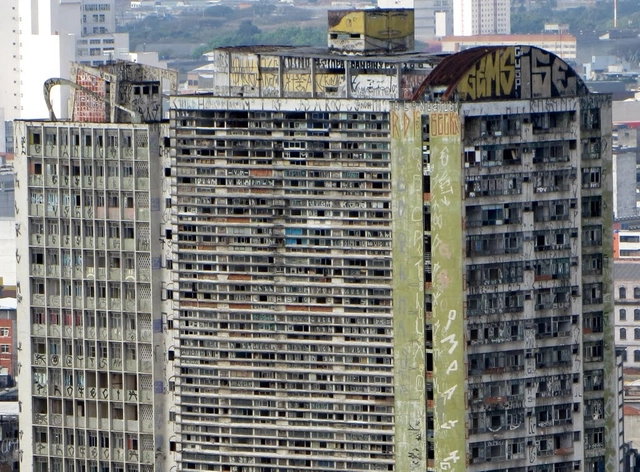
Are there more homes without people than people without homes? This recurring claim had already been described as a “myth” by urban planner Nabil Bonduki in 2018, but the persistent suggestion of a simplistic formula for solving the housing crisis deserves to be addressed once again. Recently, an article in Folha de São Paulo by urban planner Alexandre Benoit suggested that the approximately 300,000 vacant properties in São Paulo could be designated to “eradicate the city’s housing deficit.”






.jpg?1617308349 "Photo: Martin Abegglen from Bern, Switzerland, CC BY-SA 2.0 , via Wikimedia Commons")
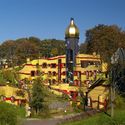
.jpg?1617308454 "Main facade of the KunstHausWien Museum by Friedensreich Hundertwasser (Vienna, Austria). Photo: Jules Verne Times Two / www.julesvernex2.com, CC BY-SA 4.0 , via Wikimedia Commons")