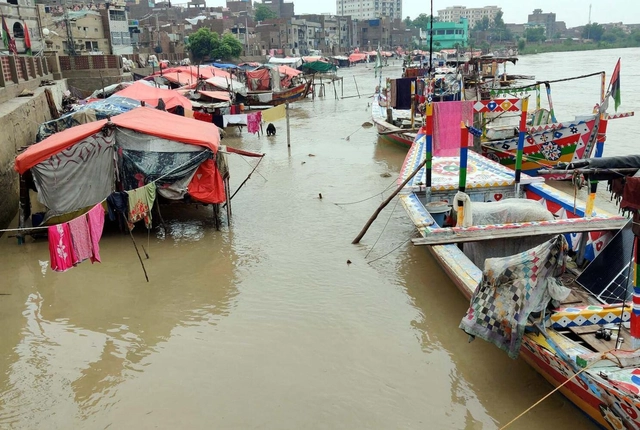
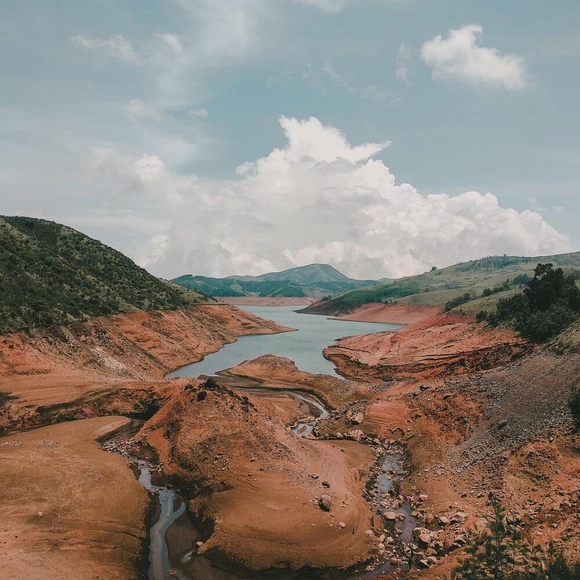
Flooding of the Indus River in Pakistan. The intense flooding in Pakistan was just one of many extreme weather events that affected communities around the world in 2022. Photo: Asianet-Pakistan/Shutterstock
This year's United Nations Climate Change Conference, COP27, takes place against a backdrop of multiple global crises.
The cascading effects of COVID-19 and Russia's invasion of Ukraine have pushed energy prices to record highs. At the same time, unprecedented climate disasters are causing devastating and widespread disruptions. Historic levels of rainfall, heat, drought, wildfires, and storms are battering virtually every corner of the globe.
https://www.archdaily.com/1131857/6-global-priorities-for-cop27Nathan Cogswell, David Waskow, Rebecca Carter, Jamal Srouji, Nate Warszawski, Preety Bhandari, Nisha Krishnan e Maria Lemos Gonzalez
Based in Mendoza, Argentina, Estudio Reynals was founded in 2018 by partners and sisters Laia and Cristina Reynals, two architecture and design professionals.
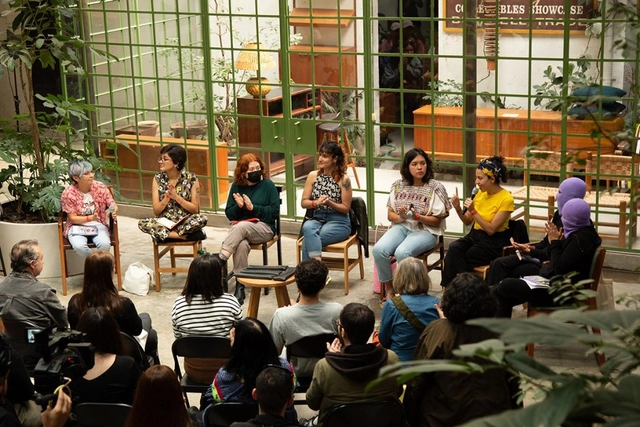
On October 19, 21, and 22, Laguna in Mexico City hosted the second edition of the first design festival created by Coolhuntermx, conceived by and for projects led by cis women, trans women, and dissident communities. This festival was conceived with an inclusive, diverse, and collective approach, curated by designers Andrea Soler and Taina Campos. Following a first edition filled with key learnings and shared knowledge, the objective remains the same: to serve as an inclusive platform for design proposals and other creative expressions seeking alternative dialogues to those taking place during Design Month. This year, various forums were held to address topics such as "Social and Community Impact," "Representation and Decision-Making," "Activism for Transformation," and "Design of Care." In addition, the "Voces Estudiantiles" (Student Voices) exhibition showcased posters addressing various contemporary topics being explored in universities. Similarly, a mural by Artsynonym and Flaminguettes captured some of the core concepts and guiding principles of the festival. The event also featured 'Mujeres de la Tierra' (Women of the Earth), a collective of Indigenous women who defend the land and their lives against violence: "we stand in solidarity with the struggle by planting, cooking, and sharing knowledge." Attendance and participation during the event were highly diverse, enriching the panels to foster a horizontal dialogue addressing specific concerns. It is increasingly necessary to create these spaces to bring visibility to the collective struggles resisting day-to-day dynamics. Therefore, if you were unable to attend, the full talks are available below on coolhuntermx's Twitch channel; simply click on the link for each session. DAY 1 Panel: Social and Community Impact WATCH THE RECORDING HERE The panel featured Alessandra Cireddu (Moderator): National Director of the Architecture Program, Tecnológico de Monterrey (@alitac); Talachas Girl (Speaker): EXCLUSIVE SERVICE FOR WOMEN AND LGBTQ+. Remodeling, interior design, recycling, savings, construction, and creation (@talachas.girl); CACEH. Marcelina Bautista (Speaker): Domestic worker for 22 years, currently director of CACEH, a civil society organization that empowers and professionalizes domestic workers (@caceh_nacional); and Colectiva Argamasa (Speaker): A women's collective seeking to coordinate the presence of women in spaces through cross-cutting architectural interventions (@colectiva_argamasa). Panel: Representation and Decision-Making WATCH THE RECORDING OF THE TALK HERE The panel featured Vulvísima, Avelina Fonseca (Moderator): Feminist activist, B.A. in Political Science from UNAM, specializing in emancipatory feminist economics and the social organization of care. Creator of Vulvísima (@vulvisima); AshbySolano (Speaker): Creative Direction. Digital Fabrication Jedi. Multidimensional creative being (@ashbysolano); GirlUp (Speaker): Passionate advocates for gender equality, sexual and reproductive rights, climate action, mental health, and other social injustice issues (@girlupmx); Marbella Figueroa (Speaker): Co-creator and collaborator of Afrochingonas, a self-managed project addressing and problematizing Afro-descent and racism in Mexico (@marbellabrilhinho); and Astra Lem (Speaker): Graphic designer and trans activism (@astra.lem). DAY 2 Panel: Activism for Transformation WATCH THE RECORDING OF THE TALK HERE The panel featured Dora Bartiloti (Moderator): Multimedia artist. She explores the material qualities of textiles and electronics as tactical mediums for feminist activism and collective action (@dorabartilotti); Zines por Morras (Speaker): The project aims to share experiences of harassment against lesbian and bisexual women in Mexico City (@zinespormorras); Alina Kiliwa (Speaker): "As a lettering artist, I seek to reclaim the sign-painting tradition and revalue the practice through participatory processes" (@alinakiliwa); Mi calle Nuestra Calle (Speaker): Urban laboratory of participatory futures [futures + feminist urbanism + community art] (@micalle_nuestracalle); and MOFA (Speaker): Feminist collective of young women from the urbanism, landscape, architecture, and industrial design programs at the Faculty of Architecture, UNAM (@mujeres_organizadas_fa). Panel: Design of Care WATCH THE RECORDING OF THE TALK HERE The panel featured Sofía Probert (Moderator): Illustrator. Through her work, she invites political and philosophical questioning around socio-environmental issues (@sofia.probert); Jovenas Comuneras de Milpa Alta. Daniela Moreno (Speaker): "We are a space for meeting and constructing action-participation to defend and care for our territories, land, and our existence within them" (@jovenascomuneras); Eli Caballero (Speaker): Environmental care and support for ADHD (@hazcompitas); Madres desobedientes (Speaker): Mothers parenting and transforming the world. Disseminating women's artistic projects and supporting feminist parenting (@madresdesobedientes); and Mariana Robles (Speaker): Gynecologist with a feminist perspective. Non-conscientious objector. Health at Every Size. Mom of two (@dra.mariana.robles). For more information, visit Diseña Mexicana.
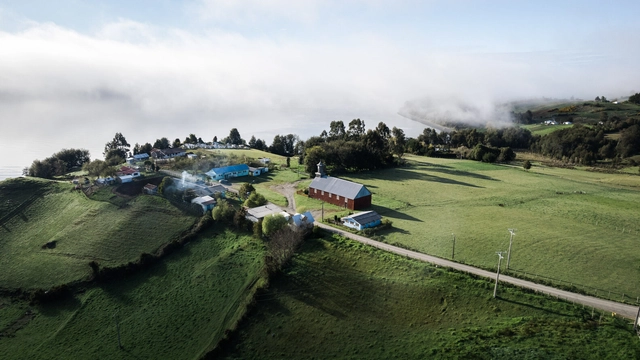
Buildings hold stories, but those who built them are the ones who tell them. Mañungo, a Chilote carpenter, narrates through his notebooks the cultural, identity-defining, and architectural history of 12 rural communities in the archipelago of Chiloé. Through ethnographic research, the study reveals the attributes and qualities of the churches belonging to these territories and their connection to the lives of their inhabitants.
In 1972, Caetano Veloso announced in the song Triste Bahia that “the steamboat from Cachoeira no longer sails on the sea.” Indeed, ours is a generation unfamiliar with Salvador's nautical capacity, since most of us have not had the opportunity to experience the daily rhythm of a port city. A brief look at the records of photographers such as Marcel Gautherot, Pierre Verger, and Lázaro Roberto, from the 1950s to the 1970s, reveals that the daily dynamics along the waterfront were vastly different from those of today.
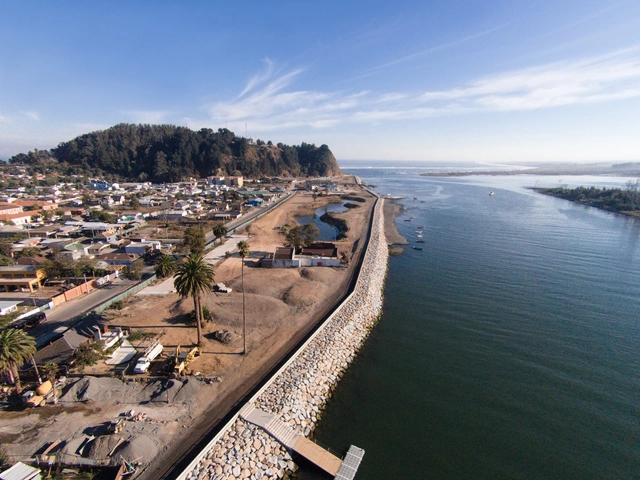
Earthquakes, tsunamis, mudslides, and wildfires are just some of the natural disasters that Chile has experienced throughout its history. Every November 5, the UN-declared World Tsunami Awareness Day is observed to promote a global culture of preparedness and awareness around this issue. Following the 27F earthquake and tsunami in 2010, Chile had to maximize its efforts to improve its emergency management and construction regulations, streamline reconstruction plans, and place greater emphasis on the strategic planning of its cities, given the country's vast number of coastal urban settlements. This opened up new possibilities for waterfronts. Below, we invite you to reflect on the future of the urban image of Chile's coastlines through the example set by the city of Constitución.
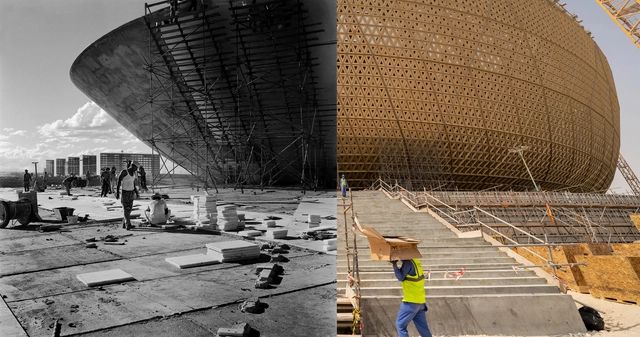
Composition by the author. From left to right: National Congress building (Marcel Gautherot/La Boite Verte) and Lusail Stadium (Sorin Furcoi/Al Jazeera), both under construction
Sixty-two years separate the inauguration of Brasília and the opening of the 22nd edition of the FIFA Men's World Cup, hosted in 2022 in Qatar. Of course, it is not only their placement in time and space that differentiates these two historical occasions; we must also add the geopolitical context, the character, the actors, and the interests surrounding each. What, then, remains as a link between them? Beyond the fact that the emirate now has its own model city (Lusail)—built in the wilderness of the peninsula under the playbook of the latest urban and technological trends, echoing to some extent the avant-garde spirit of Brazil's Federal District at the time of its construction—the inextricable link between the two events lies in the construction sites that materialized the architecture hosting them.
https://www.archdaily.com/1132382/suppression-of-rights-on-the-construction-site-parallels-between-brasilia-and-qatarJoão G. Santos
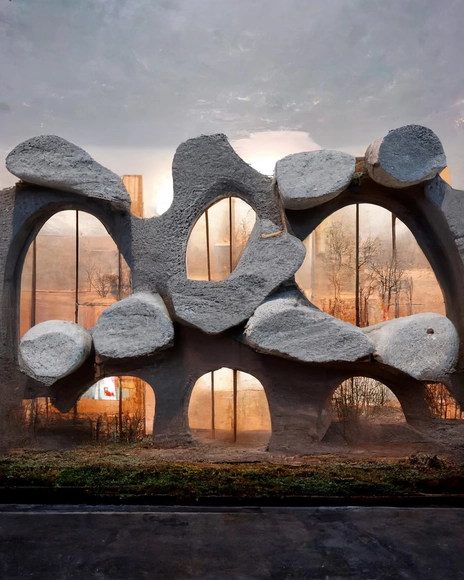
Much has been said about the power of artificial intelligence and how its rise could transform the architectural profession. This topic has already been explored in previous articles here.
The primary tool causing concern among industry experts is DALL-E, a machine learning-based software that generates images from text prompts entered by the user. Other platforms offer similar capabilities, such as Midjourney and Stable Diffusion.
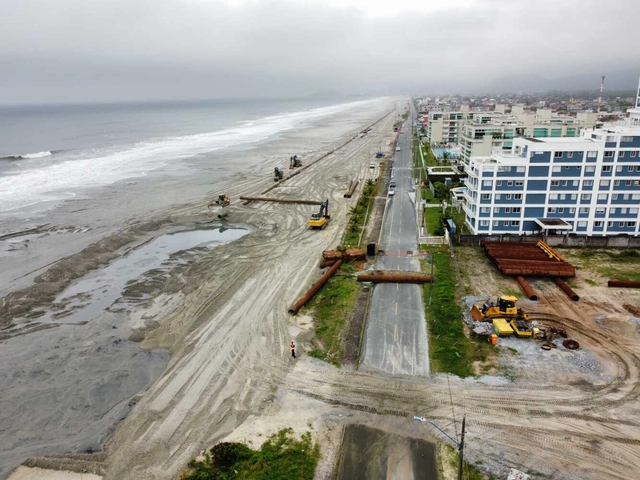
Works in Balneário Camboriú. Source: Balneário City Hall (Reproduction)
Brazil is currently the sixth country in the world most affected by climate disasters, according to the United Nations. The primary issues are waterlogging and flooding, as they bring windstorms, landslides, and flash floods. One in three disasters in Brazil falls into this category — with more than 10,000 official occurrences recorded between 1991 and 2010.
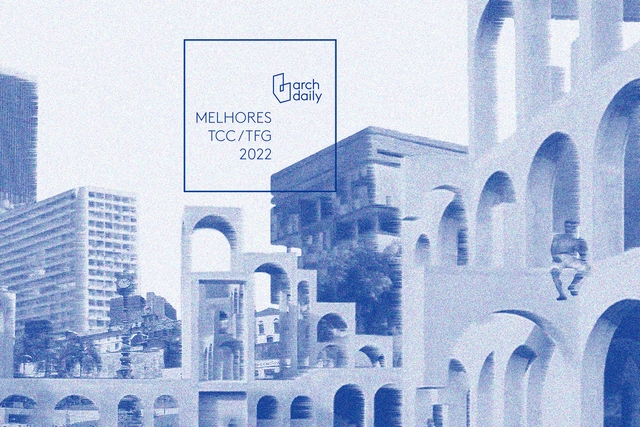
Photomontage made over the image of the work "Another headquarters for the School of Fine Arts" by Marcos Antonio Studt Roxo, a 2022 participant.
After at least five years of study, the time comes for Architecture and Urbanism students to present their final graduation projects—often referred to as TCC, TFG, or final thesis projects. In choosing their topics, students highlight civil, urban, or theoretical projects of great importance, sparking crucial debates about the future of our cities, the built environment, urban infrastructure, mobility, and many other essential topics shaping how we inhabit space.
https://www.archdaily.com/1132487/the-best-graduation-projects-of-2022-submit-yoursArchDaily Team
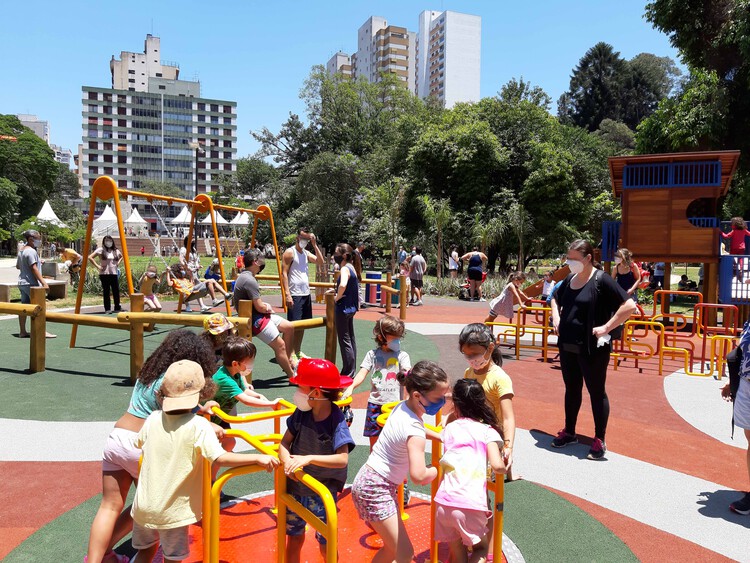
In November 2022, Augusta Park celebrated its first anniversary of reopening to the public. The park reached maximum capacity on its opening day and, today, has welcomed over 1.5 million visitors. The site went through a long journey before reaching consolidation. The nearly 50-year struggle for the park deserves to be highlighted, and public participation in its creation must be recorded and shared so it can inspire new campaigns for public spaces across the city.
https://www.archdaily.com/1132482/the-history-of-parque-augusta-citizen-participation-and-mobilizationIngrid Bisterzo, Isabella Maria Davenis Armentano, Lucas Lavecchia de Gouvea e Paula Hori
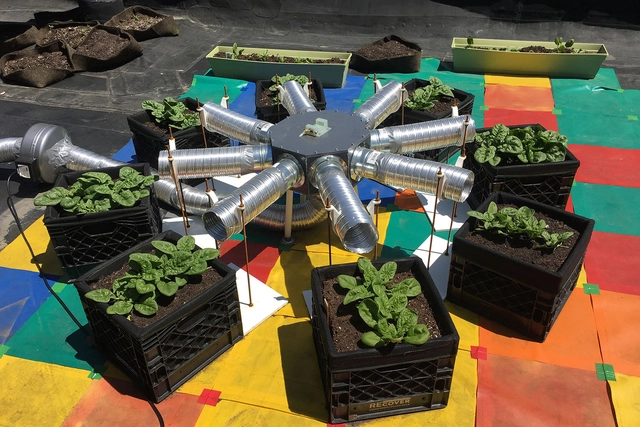
The spinach garden receiving CO2 from the ventilation system | Photo: Bruce Gellerman / WBUR
Rooftop farms and urban gardens are popular options for providing food in cities while mitigating heat islands, increasing building thermal insulation, and improving air quality. However, these plants often end up smaller and less healthy, as they suffer from higher solar radiation, wind exposure, and low soil moisture.
https://www.archdaily.com/1132440/building-ventilation-can-help-fertilize-rooftop-gardensMayra Rosa
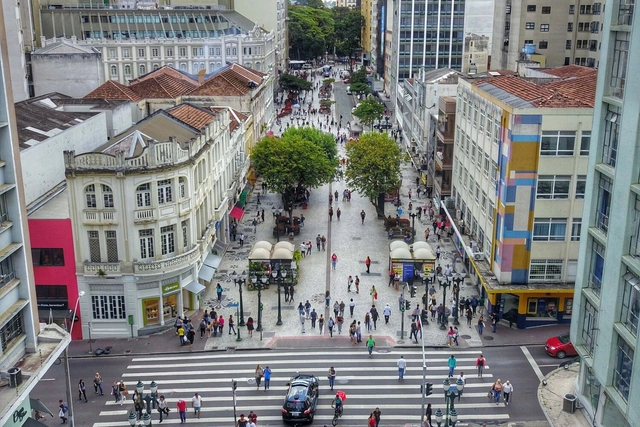
XV de Novembro Street in Curitiba, Brazil, became a social gathering point after being closed to cars in 1972. Via: CBN Curitiba
The urgent need to reduce greenhouse gas (GHG) emissions in the transportation sector presents both a challenge and an opportunity for local governments. This is particularly true for Zero Emission Areas (ZEAs)—urban zones where pollutant emissions are neutralized. This measure primarily benefits citizens, who enjoy healthier urban spaces and more vibrant commercial activity. However, ensuring success—or at least mitigating public backlash—requires deep social engagement and effective communication with the population.
https://www.archdaily.com/1132084/what-are-zero-emission-zonesITDP Brasil
Various studies have indicated that, to prevent temperatures from rising more than 1.5°C, there must be a major drop in greenhouse gas (GHG) emissions. To achieve this, it is necessary to developcompact cities designed for pedestrians, cyclists, and transit users, as well as rapidly and strategically adopting electric vehicles, with a focus on public transportation.
https://www.archdaily.com/1132312/compact-and-electrified-cities-to-curb-climate-changeITDP Brasil
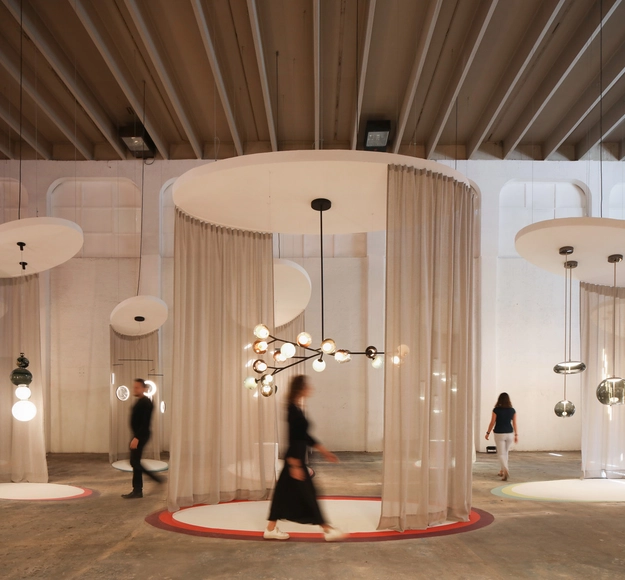
On November 10, Diez Company launched the fourth edition of Maison Diez Company to Mexican and international audiences. This space, dedicated to lighting design, brings together designers, creatives, architects, interior designers, business partners, lighting experts, and representatives of international brands to celebrate light.
The city of Sharm El Sheikh, Egypt, hosts the 2022 United Nations Climate Change Conference, COP27, from November 6 to 18. The conference builds on the negotiations of COP26 in Glasgow, Scotland, in 2021, with the expectation that countries will demonstrate climate ambition and urgency to limit the rise in global temperature to 1.5°C.
https://www.archdaily.com/1132088/3-topics-of-interest-to-brazil-at-cop27WRI Brasil
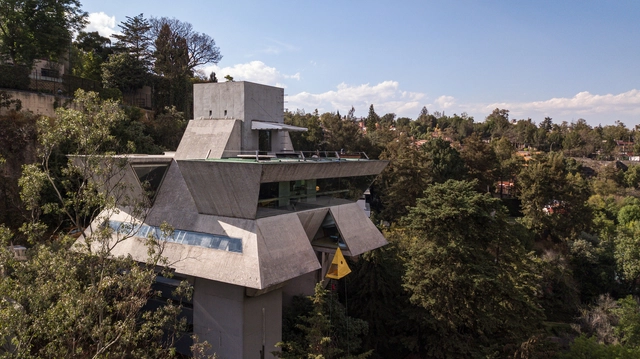
Today, November 10, the National Academy of Architecture, through a statement issued by Arch. José F. Reygadas Valdéz (President) and Arch. Antonio Gallardo E. (Secretary General), announced the passing of Mexican architect Agustín Hernández Navarro, an Emeritus Academic of the institution.
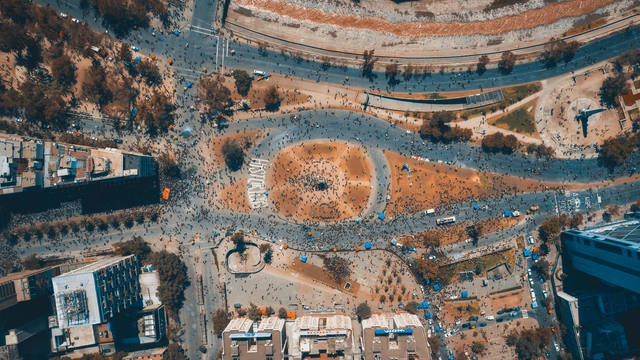
Plaza Baquedano durante las manifestaciones del 19 de octubre. Image Cortesía de Enzo Giusti / Shuttertstock
On Wednesday, November 3, work began on the redevelopment plan for Plaza Baquedano and its surroundings in Santiago de Chile. It is worth noting that Plaza Baquedano—traditionally known as Plaza Italia and recently referred to as Plaza de la Dignidad—is the convergence point for both celebrations and protests. These events have often been marked by social unrest and, particularly following the events of October 18, 2019, have left their mark on the public space. What does the future hold for this site of immense social and political significance?
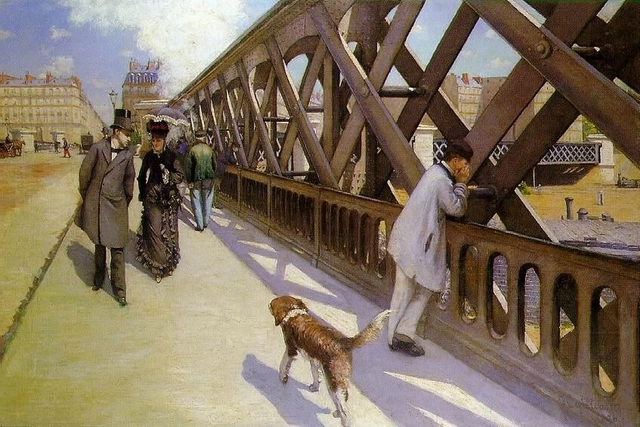
In the early 19th century, in a Paris on the verge of having its medieval fabric torn open by Haussmann's grand boulevards, novelist George Sand dressed as a man to walk the streets. According to her journals, "in trousers and boots I could fly from one end of the city to the other, regardless of the weather, the hour, or the place." No one paid her any attention, no one guessed her disguise, and no one stared or criticized; she was just another "atom lost in that immense crowd." Thanks to her male attire, Sand experienced fearless incursions and solitary wanderings like a true flâneur—experiences that would later become fundamental to crafting her successful narratives.
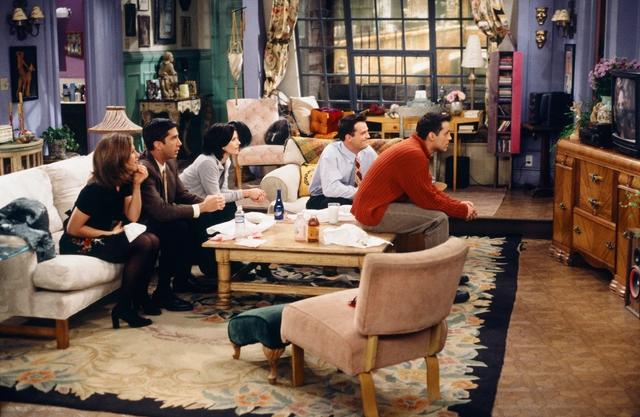
On November 21, we celebrate World Television Day, a communication tool that has transformed social relations since its invention in the late 19th century and its industrial widespread adoption beginning in the 1920s. Since then, television programs—inheriting theatrical genres—emerged, evolved, and multiplied, taking center stage in daily life and sparking widespread curiosity about how they work. Among their various aspects, we explore the set designs and present the logic behind television environments.
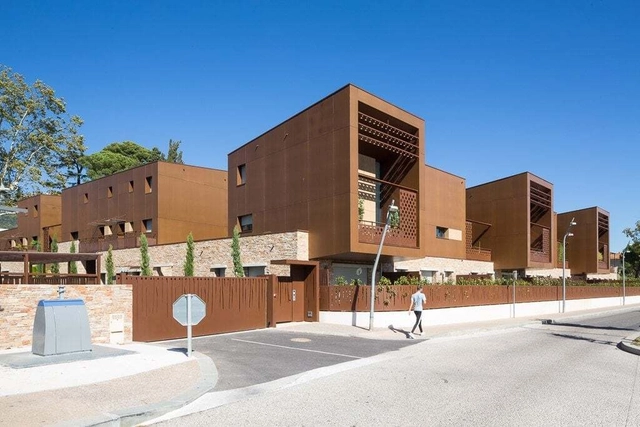
The Lofts of La Baume / Serge Botello, C + B Architect. Image Cortesia de Fundermax
To explain the passage of time, the ancient Greeks relied on two gods: Chronos and Kairos. While the former is represented as ruthless, like a clock that never stops, Kairos evoked the opportune moment for action. In other words, while Chronos is quantitative, Kairos has a qualitative and permanent nature. Indeed, humanity's relationship with the passage of time is not always an easy one.
Buildings are no different. In his seminal work The Seven Lamps of Architecture (1849), John Ruskin argued that only ruined buildings could preserve our past perceptions and, at the same time, allow us to confront our own mortality. In this sense, the marks of time and rubble were crucial witnesses to architectural aging, which, in his view, achieved an aesthetic somewhere between the sublime and the picturesque. Although this is a somewhat controversial perspective, the idea of considering how a building will endure over time has been gaining traction. It is well known that some materials age better than others: while a plastered white wall quickly shows cracks and stains, a stone wall seems to improve with age, blending into its surroundings, for example. Time brings new nuances, tells the story of what has passed, and lends authenticity to surfaces.
Cities have never been more engaged in climate action. At the 2021 UN Climate Change Conference (COP26), more than 1,100 cities representing a quarter of global CO2 emissions joined the Cities Race to Zero initiative. By doing so, these municipalities committed to ambitious, inclusive, and equitable actions to keep global temperature rise below 1.5°C. In November of this year, at COP27, these cities presented their progress and shared how they plan to deliver on their commitments.
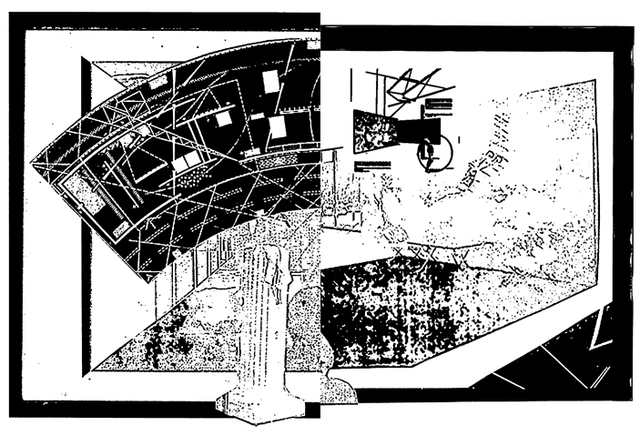
CASA PALESTRA. Collage produced by the author from images taken from the book S, M, L, XL and the OMA website
There is no doubt that the construction of the Barcelona Pavilion by Mies van der Rohe was designed to reaffirm the Modern Movement. This "icon" of the movement, deeply embedded in the architectural imagination, was built to be ephemeral. At the end of the International Exposition, the pavilion was dismantled; however, it was reconstructed 54 years later, sparking a debate within the architectural field regarding the authenticity of this replica.