This guide covers a workflow that moves from project parameters to generated floor plans, 3D perspective views, exterior design exploration, and site context visualization, using AI tools in place of preliminary CAD and rendering work.
This guide covers a workflow that moves from project parameters to generated floor plans, 3D perspective views, exterior design exploration, and site context visualization, using AI tools in place of preliminary CAD and rendering work.
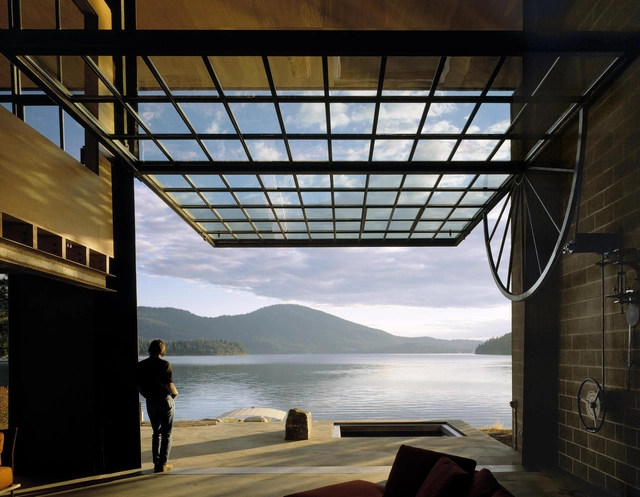
Seattle-based Olson Kundig is a prime example of how a firm's design approach is shaped by geography and culture. Founded by Jim Olson (Jim Olson) in 1966, the firm now comprises hundreds of employees and four other partners, including Tom Kundig. The practice boasts a wide and diverse portfolio. In lectures and interviews, Kundig frequently discusses how his upbringing in a region with a rich history of mining and logging influenced his industrial and rational aesthetic, his use of durable, low-maintenance materials, and his keen focus on craftsmanship. At the same time, an imaginative approach that emphasizes kinetic elements and blurs the boundaries between indoors and outdoors is a hallmark of many of the firm's designs. This is often achieved through the integration of manual, hand-operated devices that allow users to physically activate the building, connecting them to the environment, the architecture, and its kinetic mechanisms.
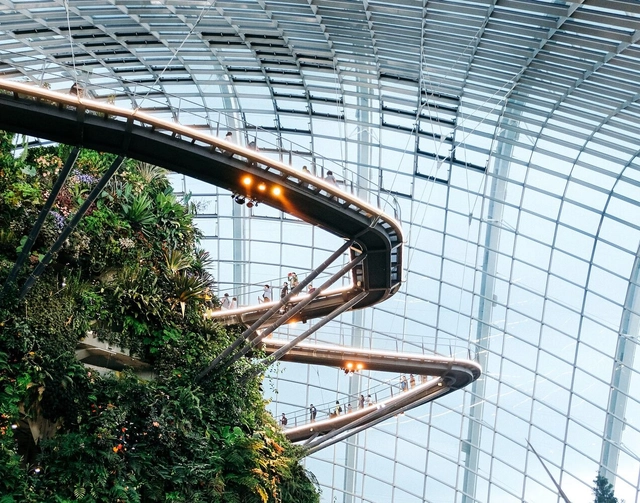
We can define green technology as a set of instruments that enable sustainable production. This means managing product lifecycles more responsibly, always striving for minimal environmental impact.
The production stages span from raw material extraction, manufacturing, and distribution, to end-use and disposal. Consequently, the entire lifecycle can benefit from the application of green technologies, which help reduce environmental impact by using natural resources in a sustainable and conscious manner.
Some symbols transcend language barriers, easily recognized and understood across different cultures—such as restroom icons, the medical cross, and, more recently, the universal Wi-Fi symbol. Among these ubiquitous graphics is the "recycling" logo, conceived in 1971 by architect and designer Gary Anderson while he was a student at the University of Southern California. The symbol features three clockwise arrows forming a triangle, representing industry, consumers, and recycling, respectively.
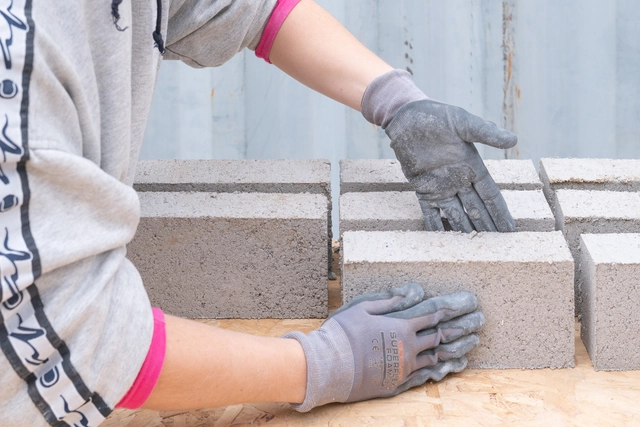
Reintegrating what is typically discarded as waste back into the production cycle is a core tenet of the circular economy. This concept is particularly relevant to the construction industry, which has historically relied on resource extraction and destruction to sustain itself. Because the brick is synonymous with building anew, nothing embodies the circular concept quite like it. Innovators have risen to the challenge, devising solutions that transform waste into high-value resources, producing building blocks from raw waste materials ranging from seaweed and plastic to human hair. These innovations not only address pressing environmental concerns but also fundamentally redefine how we construct and inhabit our spaces. In this article, we highlight seven initiatives turning waste into valuable building blocks.
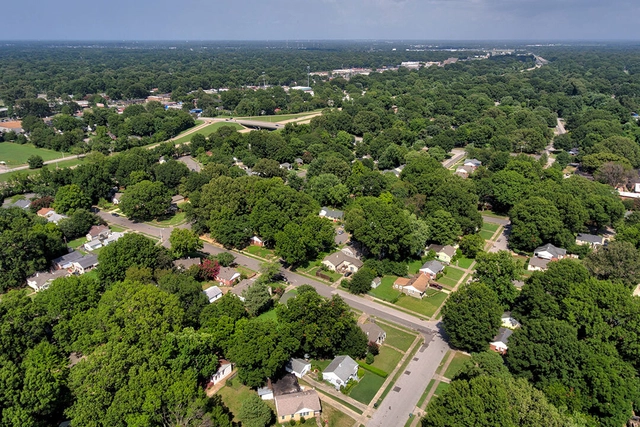
On a recent trip to the United States, looking out the airplane window while taking off from Tampa, Florida, I was struck by the pristine green landscape of the American suburb. Neatly organized rows of seemingly identical trees blanketed the flat terrain like a green carpet. To some, this abundance of green might look like a dream of environmentally integrated sustainability.
Nothing could be further from the truth. The American suburb, based on the outdated concept of the “garden city,” was designed to favor the automobile, low-density single-family housing, and single-use zoning. This model virtually rules out active transportation (walking or cycling) and makes mass transit—which relies on density and walkability—wholly unviable.
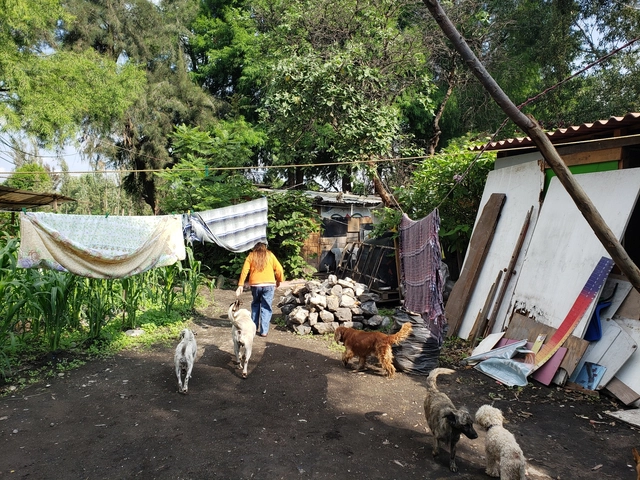
Since the pandemic, urban issues have become more pressing than ever for many people in Latin America. COVID-19 triggered a turbulent shift in the real estate market, driven both by speculation in second-home markets and the influx of “digital nomads” in cities like Medellín, Buenos Aires, and Mexico City.
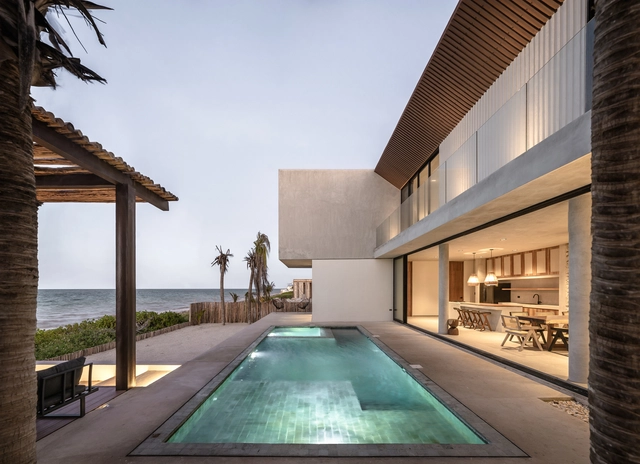
Pool design is an opportunity to create sophisticated, relaxing spaces that complement and enhance their surroundings. When choosing materials, it is essential to look for options that are not only aesthetically appealing but also durable and wear-resistant. One material that meets all these criteria is Sukabumi stone.
This natural stone is quarried in the region from which it takes its name, Sukabumi, Indonesia. In addition to its visual appeal and emerald green color, Sukabumi stone has slip-resistant properties and is highly resistant to erosion. These qualities make it a popular choice for pool projects and decorative accents with a natural aesthetic worldwide.
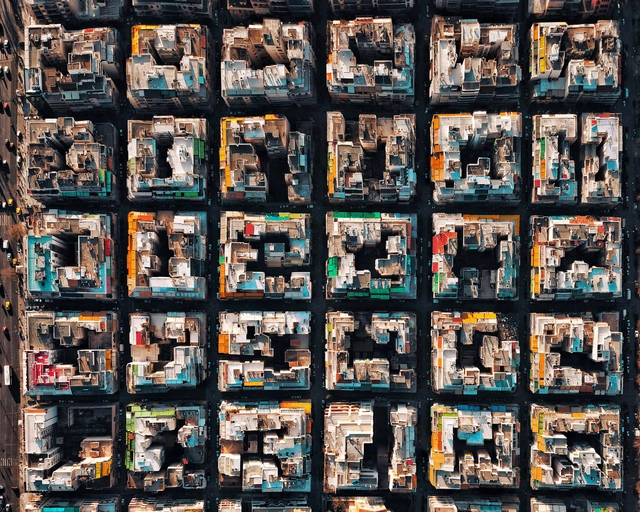
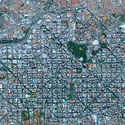
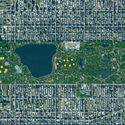
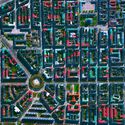
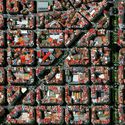
Navigating certain cities around the world is remarkably easy to grasp, just as finding an address without GPS is not particularly difficult, even for first-time visitors. Urban design explains this ease of navigation. Urban spaces designed on a grid, such as Barcelona (Spain), New York, Chicago, and Phoenix (US), and Toronto (Canada)—where streets intersect at right angles to form a gridiron pattern—make orientation intuitive and optimize spatial utility.
On December 10, 2022, ArchDaily successfully hosted the inaugural "Co-Creation & Co-Ideation" forum for ArchDaily Building Materials (Jianri Zhucai). The event featured seven guest speakers who shared their stories about materials: Libin Chen (Partner at David Chipperfield Architects Shanghai), Jing Lin (Senior Project Architect / Associate Director at SHL Architects), Shuangquan Ni (Marketing Director at Avarte), Yi Yao (Deputy General Manager of the Design Management Department of China Resources Land East China Region), Zhou Qing (Deputy General Manager and Design Director at GOA), Isabel (Residential Project Manager at iGuzzini), and Chunyan Cai (Principal of Atelier Tao+C). Additionally, Shuang Han, ArchDaily China's Editor-in-Chief, introduced our decision to launch a WeChat Mini Program to enter the building materials sector, along with our future plans. We would like to extend our special thanks to China Resources Land for providing the venue, to our sponsors iGuzzini and Avarte for their generous support, and to all the attendees.
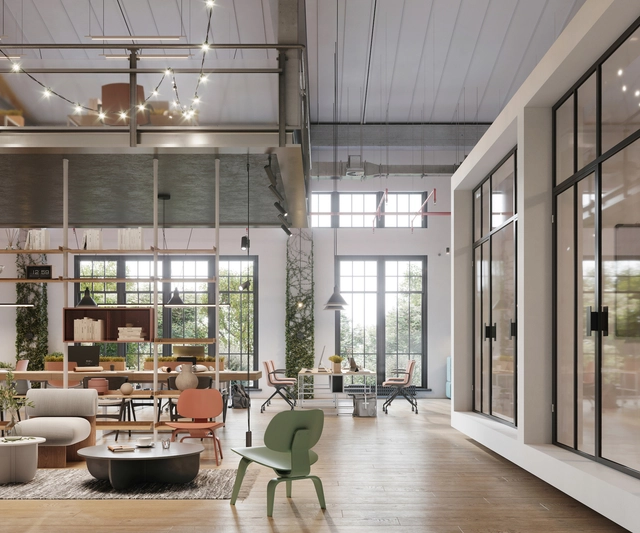
Choosing color palettes plays a fundamental role in any design strategy. Beyond their influence on aesthetics, spatial perception, and emotion, selected colors can define the character of an environment. When choosing a color palette, it is essential to consider the context, the building's use, and the lifestyle of its inhabitants, while also accounting for how the colors interact—whether as complementary hues, highlights, or counterpoints to predominant tones.
In addition to enhancing interior comfort, colors profoundly influence user perception and behavior. Alongside structural and ornamental elements, paint choices complete the definition of color palettes in architecture and design. As they do every year, Sherwin-Williams has presented its color trends—this year introducing Terra Colormix 2023, which features 40 trending colors inspired by the rich interweaving of our lives and spaces. Below, we present various color palettes tailored to different types of projects—such as workspaces, educational and healthcare centers, multifamily buildings, contemporary residences, and hospitality spaces—showcasing the versatility of this collection through practical applications.
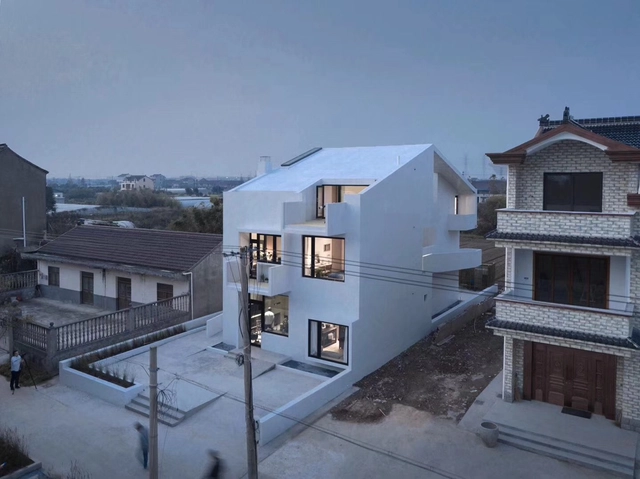
Founded in 2006, Shanghai Hetai Architectural Decoration Co., Ltd. has spent the past 17 years specializing in the research and practice of fair-faced concrete restoration and long-term protection, as well as the creation of fair-faced concrete finishes (weather-resistant Portland cement and weather-resistant white cement finishes). Through rigorous product selection, performance testing, process exploration, project application, and technological innovation, the company has successfully completed the restoration and long-term protection of 36 fair-faced and conventional concrete buildings cast across various periods. Additionally, they have completed nine fair-faced concrete finish projects alongside ongoing weather-resistance and stability testing spanning 10 to 16 years.
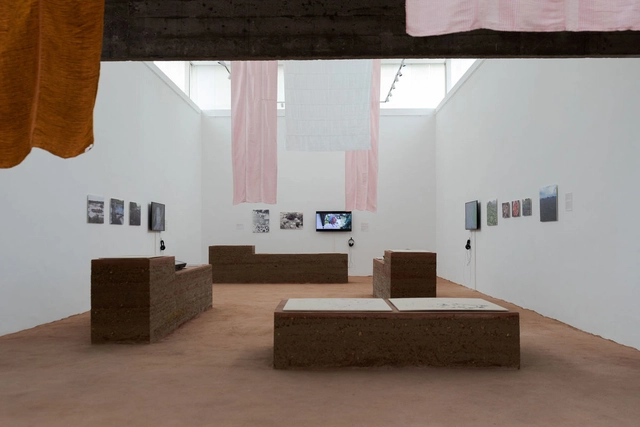
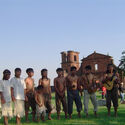
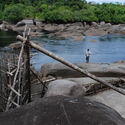
Terra is the title of Brazil's participation in the 2023 Venice Architecture Biennale, an exhibition curated by Gabriela de Matos and Paulo Tavares that occupies the spaces of the Brazilian pavilion at the Giardini. Divided into two galleries, the exhibition challenges the canons of modern architecture while seeking alternatives for a decolonized and decarbonized future in marginalized ancestral narratives. Terra is the first Brazilian pavilion to be awarded the Venice Architecture Biennale's highest honor, the Golden Lion.
In an effort to expand access to the content exhibited in Venice, we present here the texts and images from the second gallery, titled Places of Origin, Archaeologies of the Future. The first gallery, Decolonizing the Canon, can be revisited here. ArchDaily would like to thank the Fundação Bienal de São Paulo, which generously provided the material from the Terra pavilion for this publication.
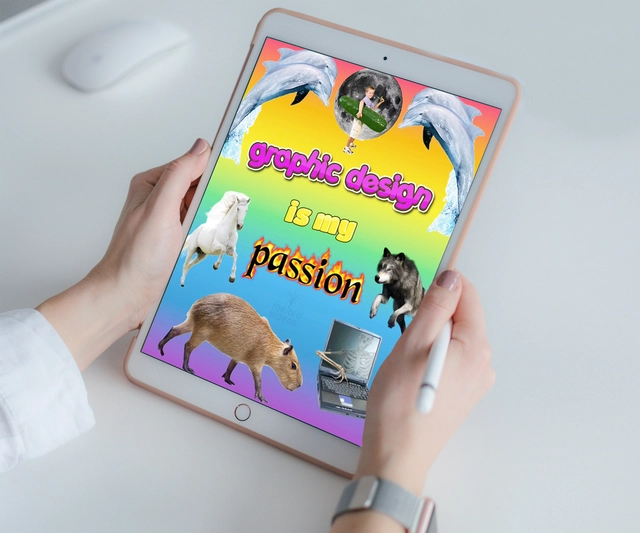
While design has become increasingly professionalized over the years, design literacy and visual thinking—the ability to understand and interpret visual resources—are becoming non-negotiable in many workplaces, even for those who do not consider themselves designers.
Visual thinking is the tool of processing information visually, using the emotional and creative parts of the brain to organize data intuitively and simultaneously through drawings, graphics, and strong aesthetic clarity and color theory.
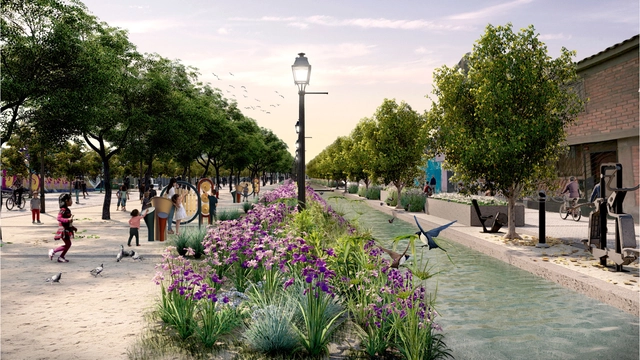
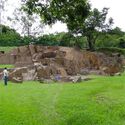
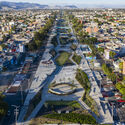
As part of the 66 interventions planned under the Rímac River Special Landscape Project (PEPRR)—and developed by the Public Space Projects team at PROLIMA (Program for the Recovery of the Historic Center of Lima)—the Monserrate Canal Promenade and Plaza project in the Historic Center of Lima seeks the comprehensive revitalization of the historic Monserrate neighborhood. By highlighting the archaeological heritage of the canal, the project aims to integrate the memory of the historic landscape and the identity of its residents into the public space.
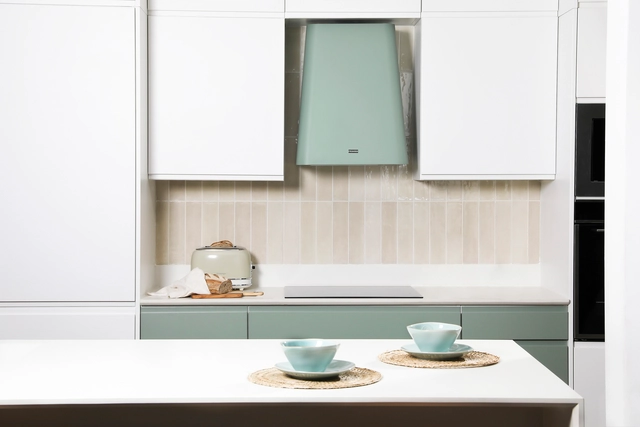
The role of fire in human development is undeniable. Our ancestors leveraged this discovery to cope with low temperatures, protect themselves from predators, and cook food to make it more digestible. Over time, the ritual of cooking evolved from a simple open-air campfire to enclosing fire within chambers. These chambers gradually became more sophisticated over the years, eventually transforming into the complex, modern elements that served as the starting point for the emergence of kitchens as social architectural spaces.
Regardless of its size or layout, the kitchen as a shared space has preserved its ritualistic nature to this day. In ancient times, we gathered around the fire to prepare food and tell stories; today, we meet in our home kitchens to connect with one another. The importance of this space in daily life is enhanced by kitchen furniture lines like Wasser, a brand distributed by CHC that balances aesthetics and functionality, conceiving kitchens as utilitarian and social spaces, with special attention paid to design.
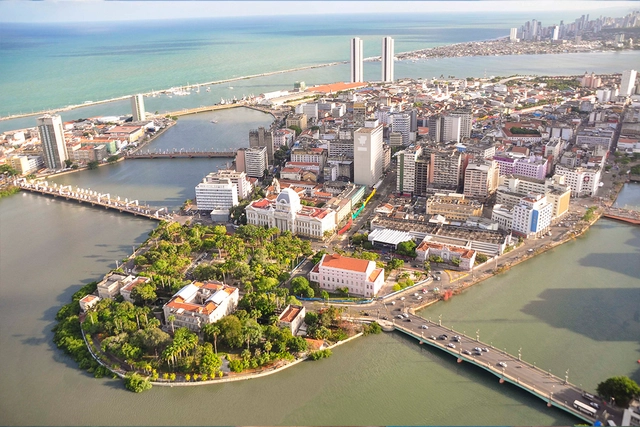
There are many reasons why some urban areas deteriorate while others thrive, including economic, planning, social, and cultural factors, as well as sheer chance. Understanding these dynamics—and, more importantly, minimizing the risk of decay while fostering vitality in urban areas—is a recurring theme in urban planning, driven by the shared and legitimate desire to live in beautiful, pleasant, and prosperous environments.
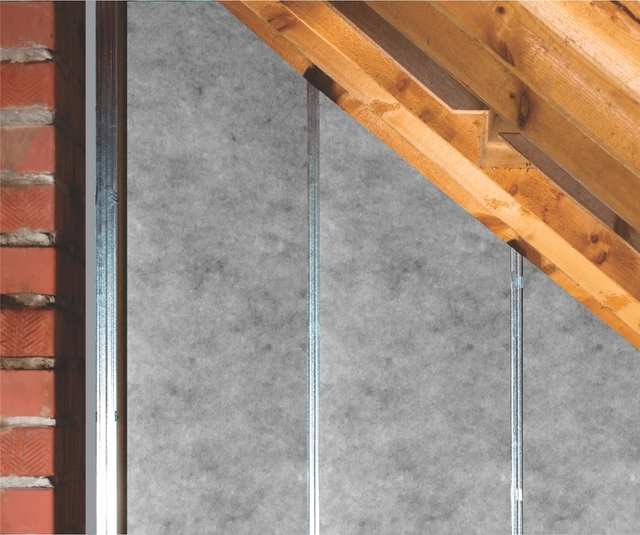
Proper home insulation and selecting the right materials are fundamental when undertaking a construction project. These strategies enhance interior comfort and serve as a long-term cost-saving measure.
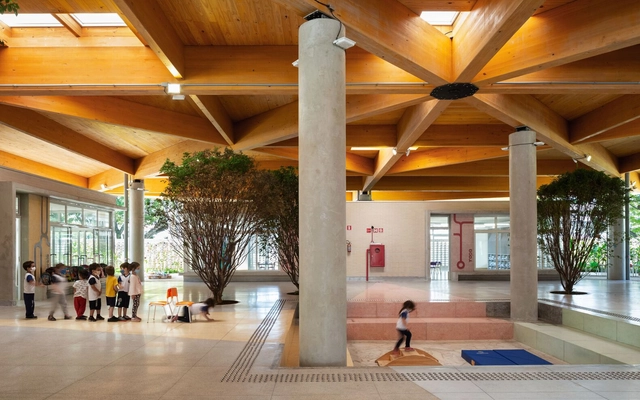
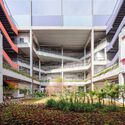
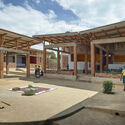
Today, Brazil celebrates Student Day. Established in 1927, the date marks access to a fundamental right for all citizens: education. Nearly a century later, new pedagogies and ways of looking at learning have emerged, bringing with them new architectures that embrace both pedagogical and technical advancements. With this in mind, we have gathered seven examples of Brazilian educational spaces designed after 2020. Through solutions that highlight key design aspects, these projects help outline a brief overview of contemporary references on the subject.
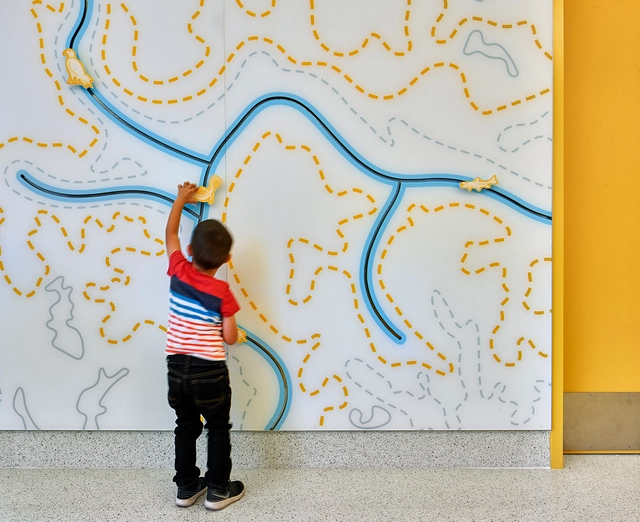
Increasingly robust and promising scientific evidence can assist architects and other designers seeking inclusive design by taking diverse minds into account—that is, creating built environments that engage with neurodiversity. Neurodiversity has always been a part of humanity. The term encompasses people with a wide range of neurological conditions and was coined by sociologist Judy Singer in 1999.
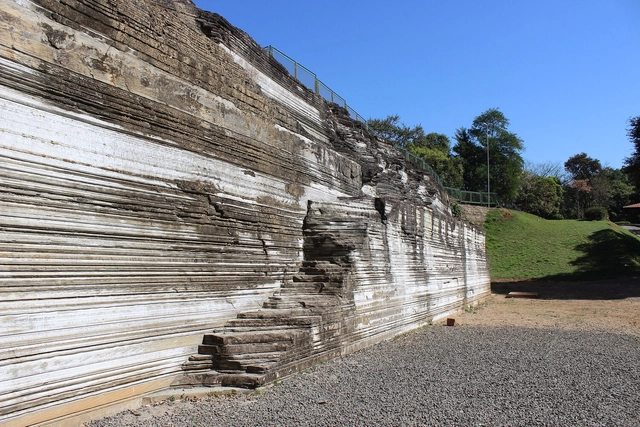
Studies link green areas to a reduction in anxiety and depression, boosted immunity in children, relief from loneliness in cities for adults, and even increased intelligence. Seeking outdoor leisure activities in contact with nature offers numerous benefits. To help you choose interesting places to visit in the state of São Paulo, we present a list of ten protected environmental heritage sites, compiled by the São Paulo State Secretariat of Culture and Creative Economy.
According to the Secretariat of Infrastructure and Environment, the State of São Paulo has 5,670,532 hectares of native vegetation in various stages of recovery. This area is equivalent to 22.9% of the state's territory. Below, check out some of the spaces that preserve this greenery. In addition to urban parks, trails, and campsites, the list even includes the headwaters of the Tietê River.
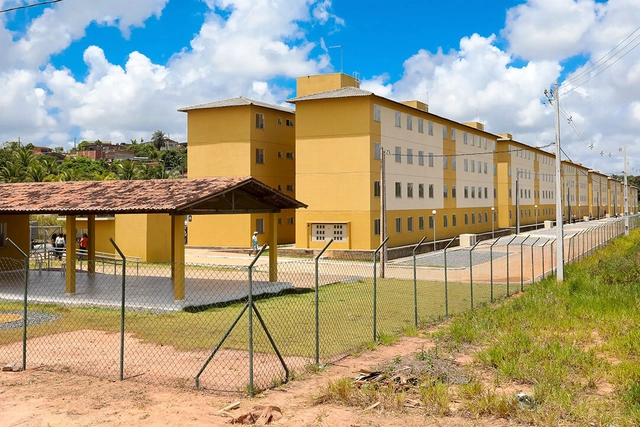
I suspect many readers here experience the same, shall we say, “predicament” as I do: as soon as we step outside our “bubble,” advocating for urban design principles that seem obvious to us — such as eliminating fences and walls, and promoting public access, visual permeability, mixed-use zoning, and active frontages — inevitably runs into the same obstacle: the lack of public safety.
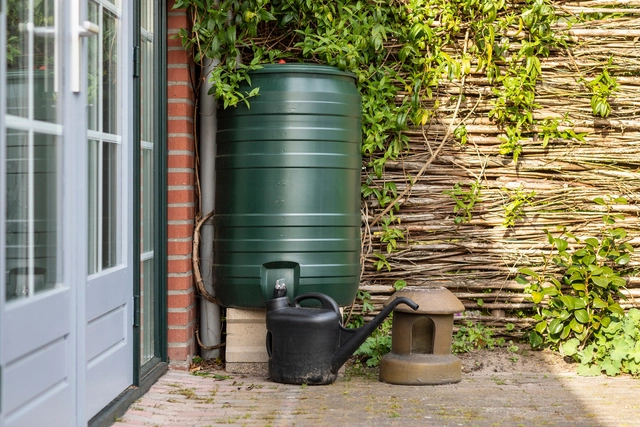
Each person needs about 110 liters of water to meet their daily consumption and hygiene needs. However, in Brazil, daily consumption can exceed 200 liters per person, according to Sabesp. Due to high water pressure in apartment buildings, this consumption can be even higher. Furthermore, the country loses about 40% of all treated water captured, according to 2022 data from Instituto Trata Brasil. Nonetheless, at least within the home, this waste of clean water can be mitigated through a few simple changes.
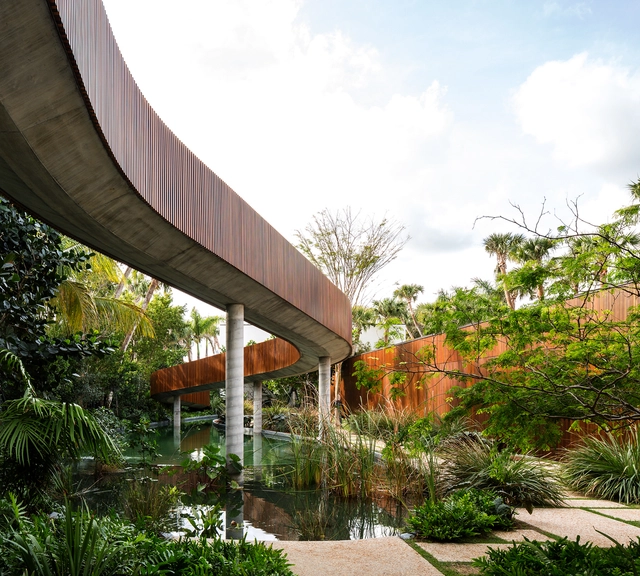
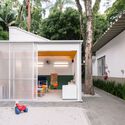
Whether establishing greater fluidity between spaces, integrating distinct elements of an architectural design, or creating a more playful atmosphere, suspended structures in residential projects yield a wide range of spatial experiences.
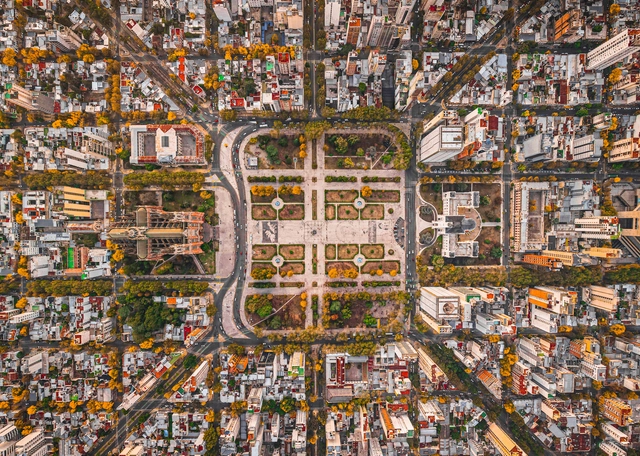
Located in Argentina, approximately 56 km (35 miles) southeast of the Autonomous City of Buenos Aires, stands the city of La Plata, founded on November 19, 1882, as the capital of the Province of Buenos Aires. As the product of the country's most ambitious urban and architectural undertaking, La Plata was conceived as a forward-looking city—one of the first in the world designed in accordance with the new principles of urban hygiene and rational construction generated by 19th-century scientific advancements. Furthermore, the city was showcased at the 1889 Paris Exposition Universelle, the grand exhibition celebrating the centennial of the French Revolution.
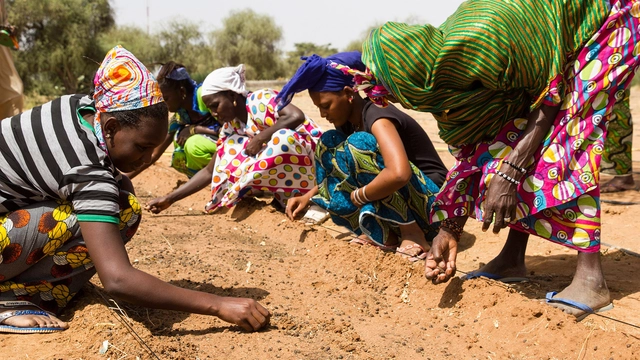
Designated by the United Nations (UN), June 17 was established as the World Day to Combat Desertification and Drought, a date that serves to raise awareness about these phenomena while promoting initiatives to address them. Broadly speaking, desertification refers to the process of land degradation in arid regions, caused primarily by human activities and climatic variations. This phenomenon leads to the loss of vegetation cover, soil erosion, and reduced agricultural productivity, among other negative consequences. Drought, on the other hand, is a prolonged period of abnormally low rainfall resulting in water scarcity, which can have severe impacts on ecosystems, agriculture, and human livelihoods.