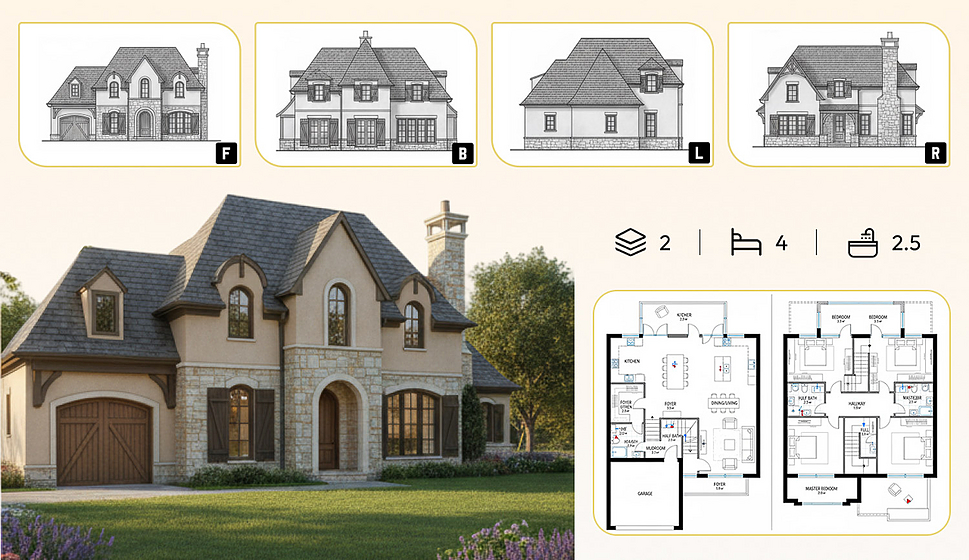
This guide covers a workflow that moves from project parameters to generated floor plans, 3D perspective views, exterior design exploration, and site context visualization, using AI tools in place of preliminary CAD and rendering work.
This guide covers a workflow that moves from project parameters to generated floor plans, 3D perspective views, exterior design exploration, and site context visualization, using AI tools in place of preliminary CAD and rendering work.
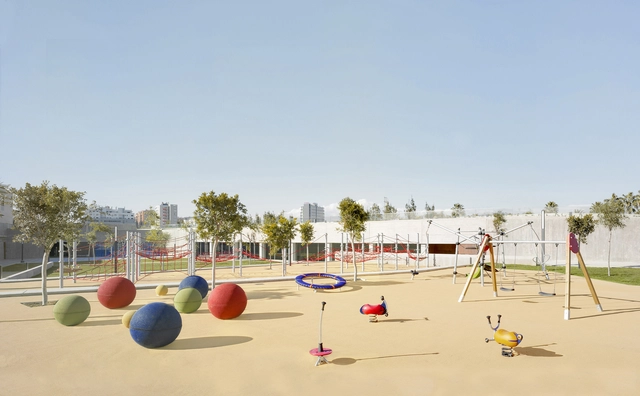
Play represents a key opportunity for children to acquire skills and knowledge in a natural and engaging way. Among the key innovations in early childhood and primary education, play stands out as a central axis of the learning process, serving as a fundamental pedagogical principle to achieve educational goals. Combining play with outdoor learning fosters exploration, experimentation, sensory stimulation, and motor development during childhood.
Featuring diverse materials, designs, and dynamics, the playground equipment represented by Urbanplay fosters open, spontaneous interactions, providing children with spaces to take risks, explore, and connect with nature.
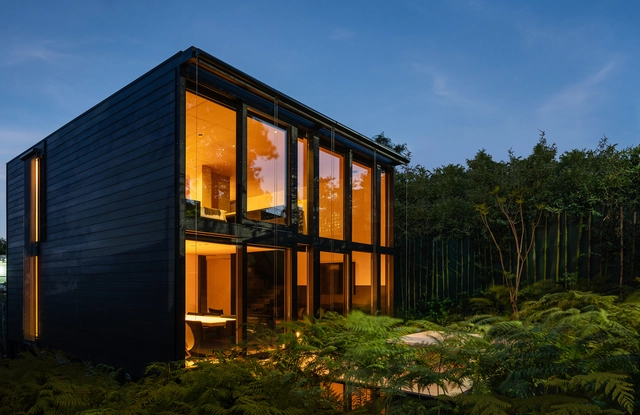
Buildings consume natural resources. Whether in their construction or during their operation, architecture can have a significant impact on the environment. Promoting sustainable practices to minimize energy, water, and material consumption is essential to reduce carbon emissions and help mitigate the climate crisis. With the ongoing debate surrounding sustainability, environmental consciousness has not only become vital, but it has also started to add value to properties built with this focus. Therefore, moving beyond mere greenwashing, we must look for solutions that make a real difference.

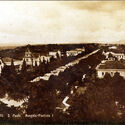
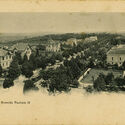
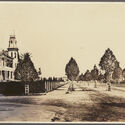
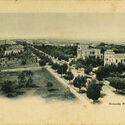
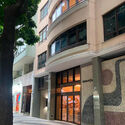
A major urban axis where thousands of people, subways, buses, cars, and bicycles pass daily. High-rise buildings, cultural centers, banks, and shopping malls. As the symbol of São Paulo, Avenida Paulista once looked very different. As difficult as it may be to imagine today, it was once lined with grand mansions of the most diverse architectural styles, and its destiny was altered in a matter of days by heritage preservation disputes and... a pizza.
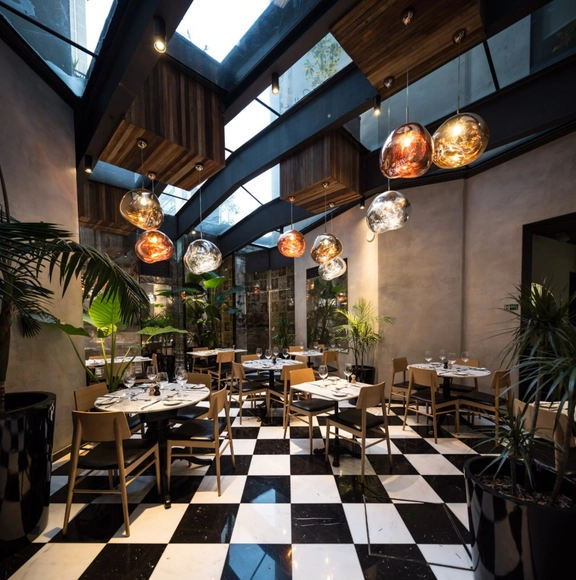
Hotel Magnolia, designed by architect Cazú Zegers and built in 2013 in Santiago, Chile, has been featured for the fourth consecutive year in the Condé Nast Traveler Readers' Choice Awards, ranking among the Top 20 Hotels in South America.
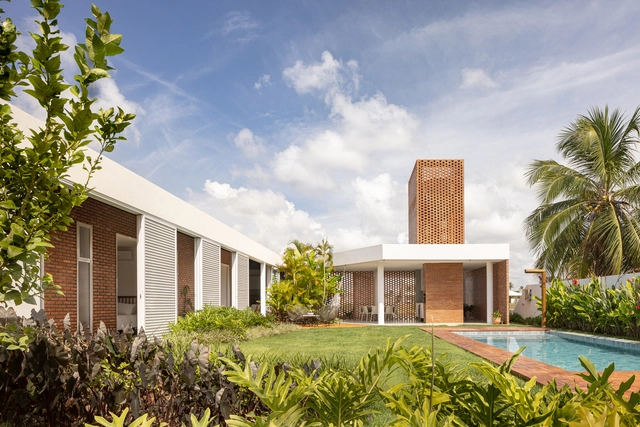
Review the best of architecture from the past week according to our readers and editors, featuring this selection of the most read articles, most visited projects, and most popular products on ArchDaily Brasil.
To make sure you don't miss the best of each week, subscribe to our weekly newsletter and receive these and other updates on architecture, cities, and the built environment directly in your inbox.
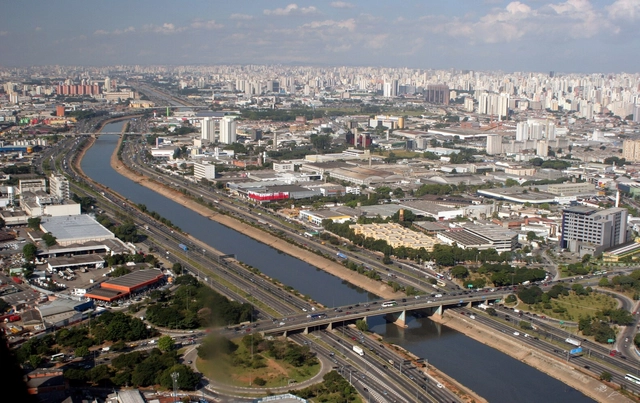
Swimming in the Tietê. Although many people did so until the 1930s — when the river was already polluted, though much less than today, and swimming and rowing competitions were held even along the stretch within the São Paulo capital —, no one believes this will be possible in the coming years. Cleaning the river, however, is a feasible ambition, provided we understand that there are various gradations within the category of “clean.”

Cities occupy just 3% of the Earth's land surface, yet they account for most of the world's energy consumption and carbon emissions. Many are also highly vulnerable to climate change and natural disasters due to their high population densities and interconnected infrastructure. To prevent the worst impacts of climate change—including human, social, and economic losses—making cities more resilient and prepared for a changing climate is crucial. Yet, recent studies indicate we are still far from achieving this.
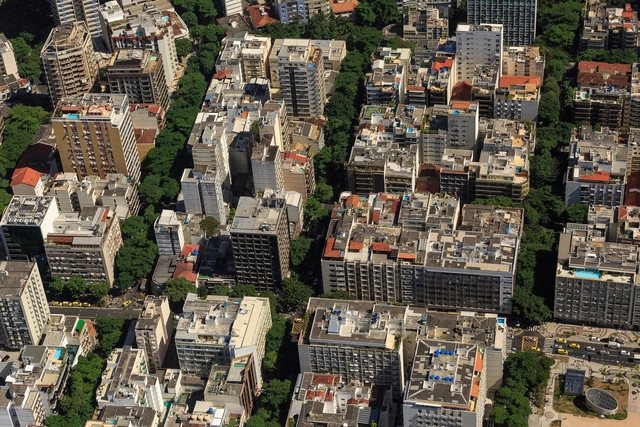
Major cities like Rio de Janeiro, São Paulo, and Belo Horizonte have been transforming their downtown areas into more residential zones, reclaiming a past of greater vitality. Rio de Janeiro pioneered this trend with the launch of its Reviver Centro program in 2021. More recently, São Paulo launched Todos pelo Centro, which also aims to “promote transformative actions in downtown São Paulo, bringing new life alongside the city's memories and history.”
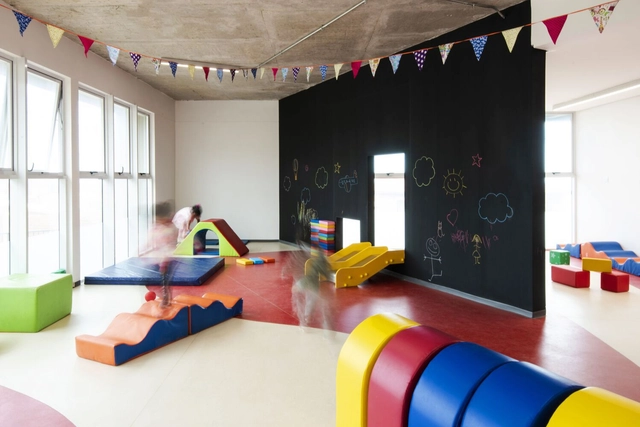
Preschool is more than just a place to leave young children; it is a space that allows them to connect with their imagination and senses through the colors, textures, and layout of their environment. In Chile, many architects have committed to translating these learning opportunities into the architecture itself.
From the recently built Golondrina Preschool and Nursery in Valparaíso to the renowned Bambú Preschool in Santiago, we present a selection of outstanding projects that leverage these attributes, enabling both children and educators to engage in their activities in dynamic and creative ways.
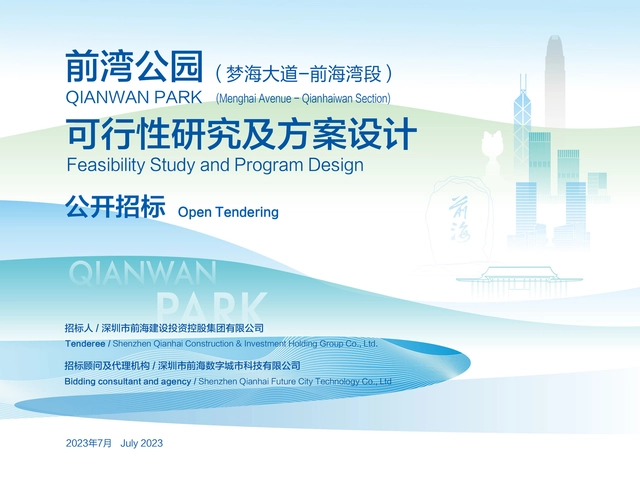
Project Name
Feasibility Study and Schematic Design for Qianwan Park (Menghai Boulevard to Qianhai Bay Section)
Project Location
Qianhai Shenzhen-Hong Kong Modern Service Industry Cooperation Zone, Shenzhen, Guangdong Province
Tendering Platform
Shenzhen Public Resources Trading Center
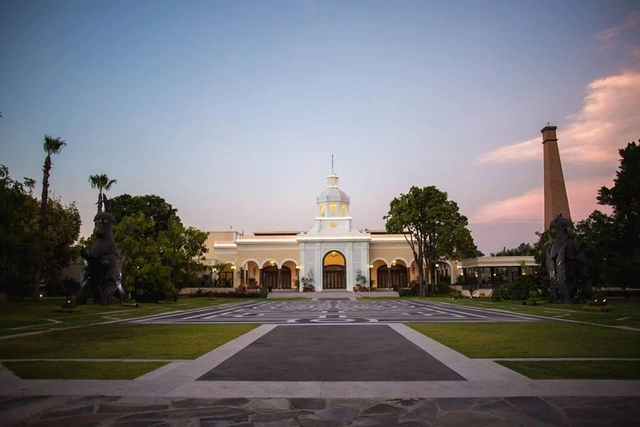
Perhaps the aphorism that holds the greatest truth in both architecture and other areas of life is the following: “those who know the past can control their future.” This is reflected in architecture schools, where texts and works of traditional Mexican architecture are still taught, though 20th and 21st-century architecture is featured in a much greater proportion. Yet, an analysis of current architectural production suggests that recent graduates and professionals are unfamiliar with their own history. This is problematic as our identity, expressed through the architecture of our cities, is fading. At least, this is the view of the founders of the new multidisciplinary association “INTBAU México.”

The Integrated Permanent Site Construction Project of the Shenzhen Medical Academy of Research and Translation (SMART) and Shenzhen Bay Laboratory (SZBL) is located in the northeastern sector of the Science and Education Integration Cluster in Guangming Science City, Guangming District, Shenzhen. Tasked with the core mission of establishing a comprehensive national science center in the Greater Bay Area, the project will establish a strategic scientific and technological institution integrating basic research, clinical research, full-chain industrial translation, and technical innovation in the biomedical field, supporting Shenzhen's development into a pioneering demonstration hub for medical and life sciences innovation.
The Integrated Permanent Site Construction Project of the Shenzhen Medical Academy of Research and Translation (SMART) & Shenzhen Bay Laboratory (SZBL) is located in the northeastern sector of the Science and Education Integration Cluster within Guangming Science City, Guangming District, Shenzhen. Carrying the core mission of establishing a comprehensive national science center in the Greater Bay Area, the project aims to develop strategic scientific and technological institutions that integrate basic research, clinical research, full-chain industrial translation, and technical innovation in the biomedical and life sciences fields, supporting Shenzhen's development into a pioneering demonstration hub for medical and life sciences innovation.
The tender for the schematic design and preliminary architectural design of Bid Section II of the Integrated Permanent Site Construction Project of the Shenzhen Medical Academy of Research and Translation and Shenzhen Bay Laboratory is about to commence, with the official tender announcement to be released shortly. The tenderee is the Engineering Design Management Center of the Bureau of Public Works of Shenzhen Municipality. Pre-registration and expressions of interest are now open to design teams worldwide.
Tenders for the schematic design and preliminary architectural design of the Integrated Permanent Site Construction Project of the Shenzhen Medical Academy of Research and Translation & Shenzhen Bay Laboratory (Bid Section II) will launch soon, with the official tender announcements to be released shortly. The tenderee is the Engineering Design Management Center of the Bureau of Public Works of Shenzhen Municipality. Pre-registration is now open to design teams from around the globe.
Tender Project: Shenzhen Medical Academy of Research and Translation and Shenzhen Bay Laboratory Integrated Permanent Site Construction Project Design Bid Section II
Project Name: Design for the Integrated Permanent Site Construction of the Shenzhen Medical Academy of Research and Translation & Shenzhen Bay Laboratory (Bid Section II)
Project Location: Northeastern sector of the Science and Education Integration Cluster in Guangming Science City; situated at the northeastern gateway of Shenzhen, adjacent to Sun Yat-sen University (Shenzhen Campus) and Shenzhen Institute of Advanced Technology.
Project Location: Northeastern sector of the Science and Education Integration Cluster in Guangming Science City; at the northeastern gateway of Shenzhen; adjacent to Sun Yat-sen University (Shenzhen Campus) and Shenzhen Institute of Advanced Technology
Pre-registration Deadline: June 4, 2023, 17:00 (Beijing Time)
Pre-registration Deadline: 17:00, June 4, 2023
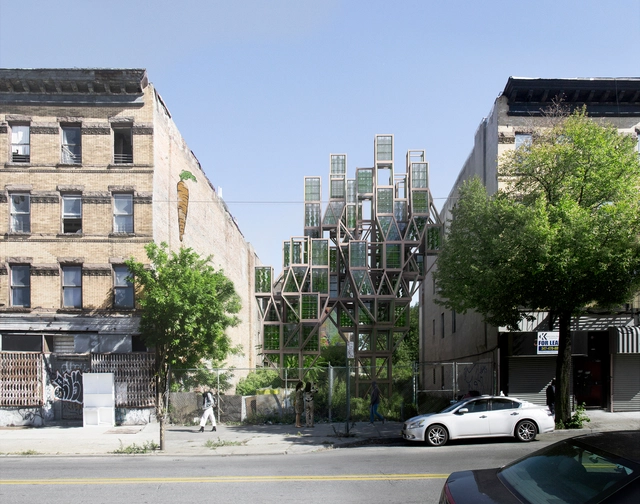
We are living in a state of emergency. Since the dawn of industrialization, we have rushed through our planet's finite resources as if they were limitless, depleting and destabilizing the very ecosystems we depend on for our sustenance, economy, food, health, and quality of life.
In just 50 years, we have lost more than half of the world's wildlife. Currently, the Earth is on track to warm beyond 1.5 degrees Celsius, which scientists warn is a hard planetary boundary for existing ecosystems. This is a “code red for humanity,” as described in the IPCC Sixth Assessment Report. Continuing on our current path will mean irreversibly damaging the very conditions that sustain life on this planet.

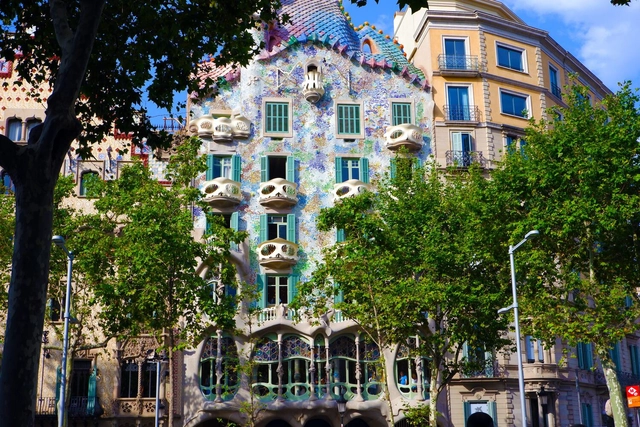
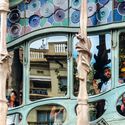
Casa Batlló, located on the iconic Passeig de Gràcia in Barcelona, Spain, is an architectural masterpiece that embodies a synthesis of creativity, innovation, and architect Antoni Gaudí's deep connection with nature. Built between 1904 and 1906, this residence is a major tourist attraction in the city and an important contribution to architectural history. Here, we analyze Casa Batlló through concepts central to the field of neuroarchitecture.

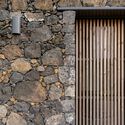
As part of a new collaboration between Mexican firms Dellekamp Arquitectos and Rojkind Arquitectos, Casa Roca is presented in Puerto Los Cabos, San José del Cabo, Mexico. Inspired by the rock formations at the site's summit, the project features a radial layout carefully organized in response to its topography. Sited on a 5,000 m² lot, the 1,200 m² house organizes its program along the natural landscape, minimizing its footprint and establishing a close relationship with nature as the core living experience.
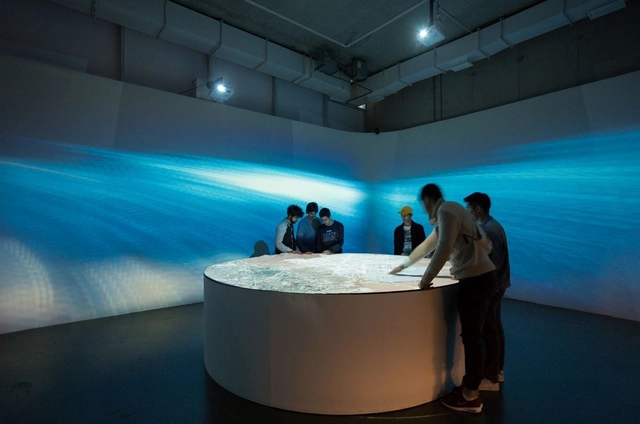
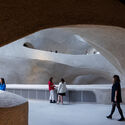
In a context where cultural expressions are increasingly valued, and their presentation and representation are vital to conveying diverse content, the design of exhibition spaces becomes particularly relevant when projecting and establishing different perceptions and narratives, both in daily life and during specific events.
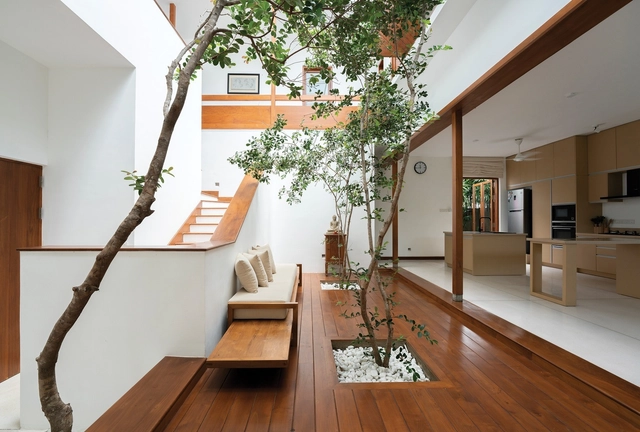
Residential architecture plays a vital role in people's lives, influencing their quality of life and well-being. To design environments that are truly tailored to the biopsychosocial needs of each user, it is essential to incorporate the principles of neuroscience applied to architecture. In this regard, Rudolf Steiner's Seven-Year Cycles theory offers a valuable conceptual framework for understanding the different phases of life and their implications for home design. This article addresses the stages of the architectural project, from briefing to execution, highlighting the relevance of cognitive and behavioral neuroscience concepts—such as priming, framing, nudging, wayfinding, salutogenic design, and biophilic design—in light of the Seven-Year Cycles theory.
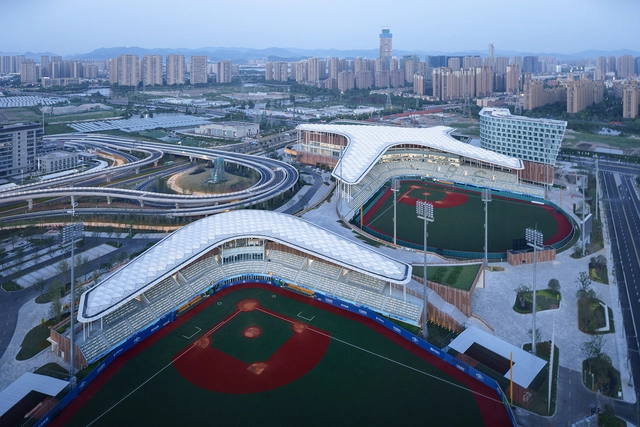
At the recently concluded Asian Games, the Architectural Design and Research Institute of Zhejiang University (UAD) participated in the design of numerous competition venues. Among them, the Hangzhou Asian Games Baseball and Softball Sports Cultural Center is the largest newly built venue for this edition of the Games, as well as the largest, most advanced, and highest-standard baseball and softball sports center in China to date. For this edition of Spotlight, we interviewed UAD's Qian Xidong to discuss his design philosophy shaped by years of professional practice.
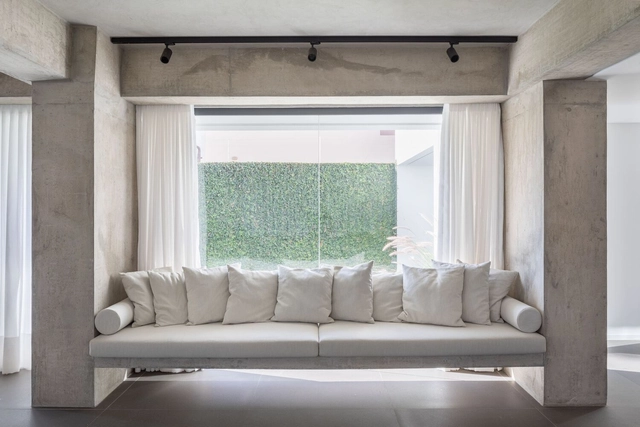
One of the greatest difficulties when studying is understanding how to apply the concepts presented to us. In structural engineering education, it is common to use symbols and abstractions to understand the forces involved in a structure and how they work. Another major challenge is translating this abstract information into something tangible: the actual building elements.
Engineer Matheus Borges has been creating illustrations on his Instagram to help decode this information. Below, we look at what these support types are and how they behave.
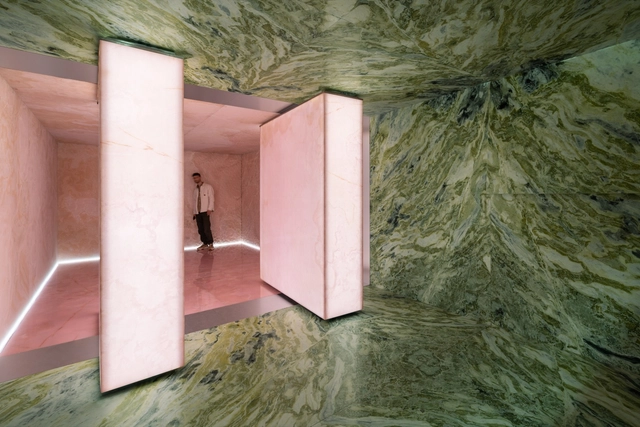
Throughout its existence, architecture has continuously reinvented itself, driven not only by the emergence of new techniques and trends, but also by a deeper understanding of the human being. In recent times, the field of neuroarchitecture has yielded valuable research into how built environments influence our brains and, consequently, our behavior and well-being. This interdisciplinary approach suggests that interior design—specifically materiality and surface design—can play a crucial role in modulating individuals' neural and behavioral responses.
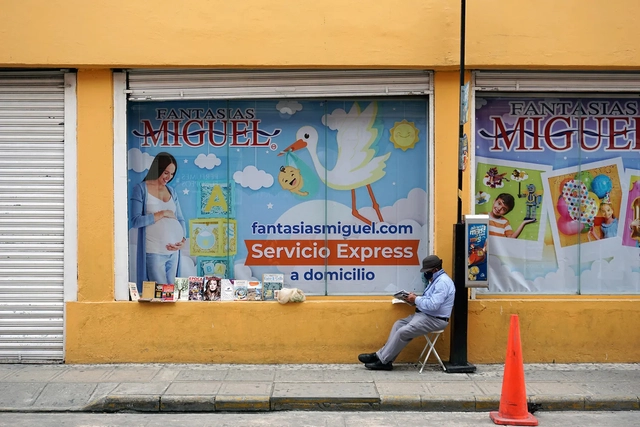
A few years ago, one of my favorite university professors (who inspired me to study urban planning) approached me with a small request: she wanted to transform her small bedroom window into a balcony so she could look out onto the street.
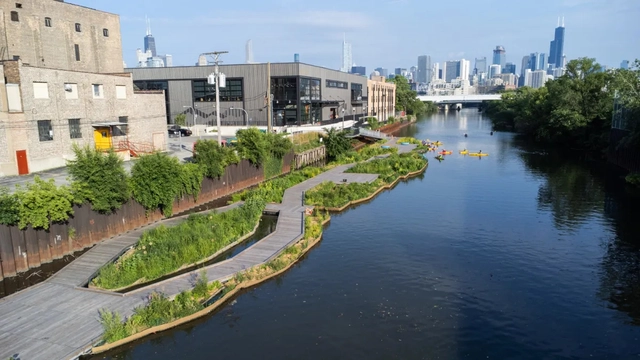
The Wild Mile project is an ambitious initiative by the nonprofit organization Urban Rivers, aiming to restore a 1.5-kilometer stretch of the Chicago River in the United States. The project involves creating a vibrant and sustainable urban oasis with boardwalks and floating gardens.
Since the opening of its first section in July 2023, the Wild Mile has already attracted over 30,000 visitors, including local residents, educational programs, and special events. Leaders at Urban Rivers express pride in the project's achievements, highlighting the transformation of a once-neglected stretch of the river into a thriving public space for both wildlife and people.
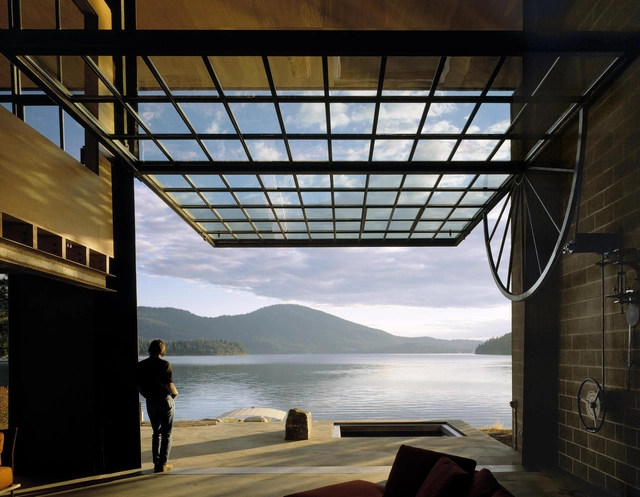
Seattle-based Olson Kundig is a prime example of how a firm's design approach is shaped by geography and culture. Founded by Jim Olson (Jim Olson) in 1966, the firm now comprises hundreds of employees and four other partners, including Tom Kundig. The practice boasts a wide and diverse portfolio. In lectures and interviews, Kundig frequently discusses how his upbringing in a region with a rich history of mining and logging influenced his industrial and rational aesthetic, his use of durable, low-maintenance materials, and his keen focus on craftsmanship. At the same time, an imaginative approach that emphasizes kinetic elements and blurs the boundaries between indoors and outdoors is a hallmark of many of the firm's designs. This is often achieved through the integration of manual, hand-operated devices that allow users to physically activate the building, connecting them to the environment, the architecture, and its kinetic mechanisms.
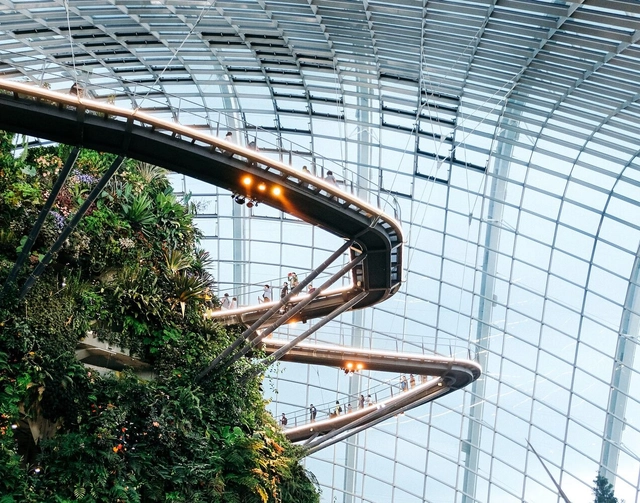
We can define green technology as a set of instruments that enable sustainable production. This means managing product lifecycles more responsibly, always striving for minimal environmental impact.
The production stages span from raw material extraction, manufacturing, and distribution, to end-use and disposal. Consequently, the entire lifecycle can benefit from the application of green technologies, which help reduce environmental impact by using natural resources in a sustainable and conscious manner.