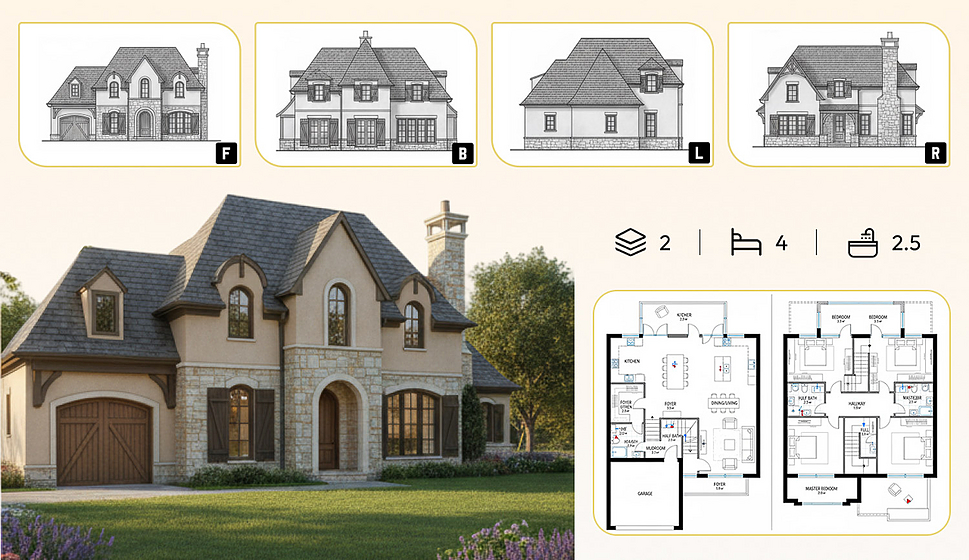
This guide covers a workflow that moves from project parameters to generated floor plans, 3D perspective views, exterior design exploration, and site context visualization, using AI tools in place of preliminary CAD and rendering work.
This guide covers a workflow that moves from project parameters to generated floor plans, 3D perspective views, exterior design exploration, and site context visualization, using AI tools in place of preliminary CAD and rendering work.
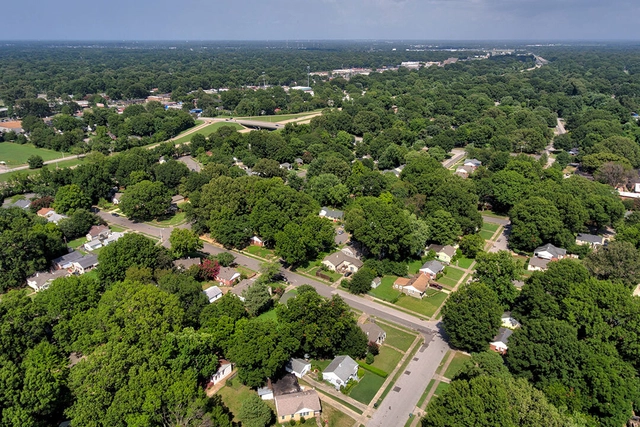
On a recent trip to the United States, looking out the airplane window while taking off from Tampa, Florida, I was struck by the pristine green landscape of the American suburb. Neatly organized rows of seemingly identical trees blanketed the flat terrain like a green carpet. To some, this abundance of green might look like a dream of environmentally integrated sustainability.
Nothing could be further from the truth. The American suburb, based on the outdated concept of the “garden city,” was designed to favor the automobile, low-density single-family housing, and single-use zoning. This model virtually rules out active transportation (walking or cycling) and makes mass transit—which relies on density and walkability—wholly unviable.
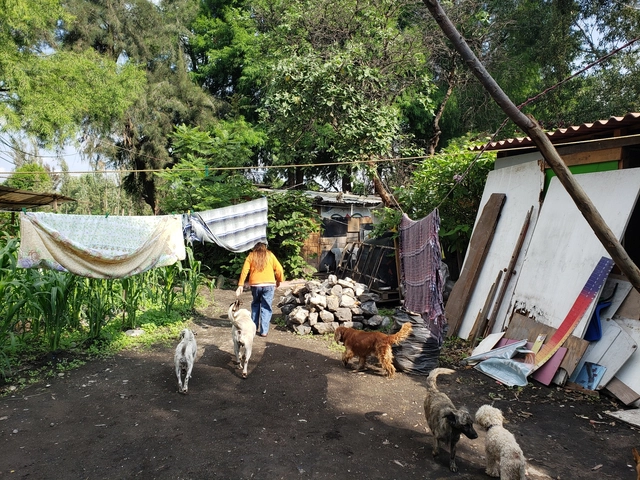
Since the pandemic, urban issues have become more pressing than ever for many people in Latin America. COVID-19 triggered a turbulent shift in the real estate market, driven both by speculation in second-home markets and the influx of “digital nomads” in cities like Medellín, Buenos Aires, and Mexico City.
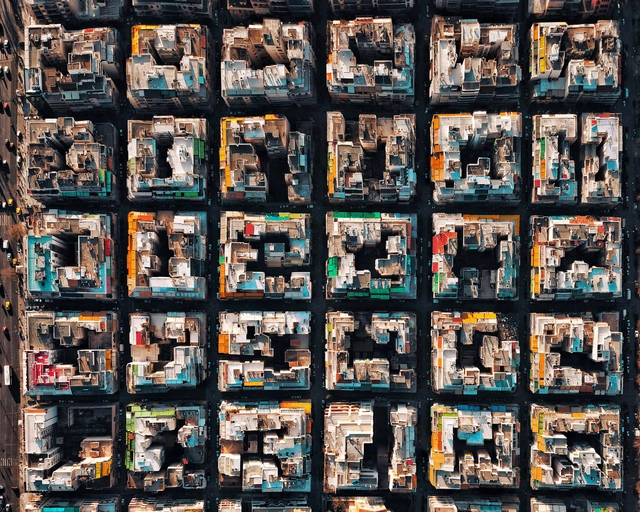
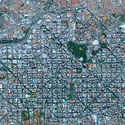
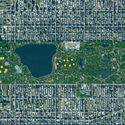
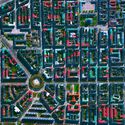
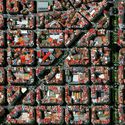
Navigating certain cities around the world is remarkably easy to grasp, just as finding an address without GPS is not particularly difficult, even for first-time visitors. Urban design explains this ease of navigation. Urban spaces designed on a grid, such as Barcelona (Spain), New York, Chicago, and Phoenix (US), and Toronto (Canada)—where streets intersect at right angles to form a gridiron pattern—make orientation intuitive and optimize spatial utility.
On December 10, 2022, ArchDaily successfully hosted the inaugural "Co-Creation & Co-Ideation" forum for ArchDaily Building Materials (Jianri Zhucai). The event featured seven guest speakers who shared their stories about materials: Libin Chen (Partner at David Chipperfield Architects Shanghai), Jing Lin (Senior Project Architect / Associate Director at SHL Architects), Shuangquan Ni (Marketing Director at Avarte), Yi Yao (Deputy General Manager of the Design Management Department of China Resources Land East China Region), Zhou Qing (Deputy General Manager and Design Director at GOA), Isabel (Residential Project Manager at iGuzzini), and Chunyan Cai (Principal of Atelier Tao+C). Additionally, Shuang Han, ArchDaily China's Editor-in-Chief, introduced our decision to launch a WeChat Mini Program to enter the building materials sector, along with our future plans. We would like to extend our special thanks to China Resources Land for providing the venue, to our sponsors iGuzzini and Avarte for their generous support, and to all the attendees.
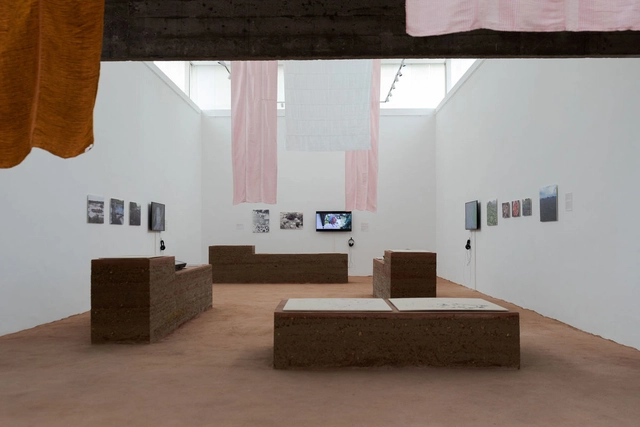
Terra is the title of Brazil's participation in the 2023 Venice Architecture Biennale, an exhibition curated by Gabriela de Matos and Paulo Tavares that occupies the spaces of the Brazilian pavilion at the Giardini. Divided into two galleries, the exhibition challenges the canons of modern architecture while seeking alternatives for a decolonized and decarbonized future in marginalized ancestral narratives. Terra is the first Brazilian pavilion to be awarded the Venice Architecture Biennale's highest honor, the Golden Lion.
In an effort to expand access to the content exhibited in Venice, we present here the texts and images from the second gallery, titled Places of Origin, Archaeologies of the Future. The first gallery, Decolonizing the Canon, can be revisited here. ArchDaily would like to thank the Fundação Bienal de São Paulo, which generously provided the material from the Terra pavilion for this publication.
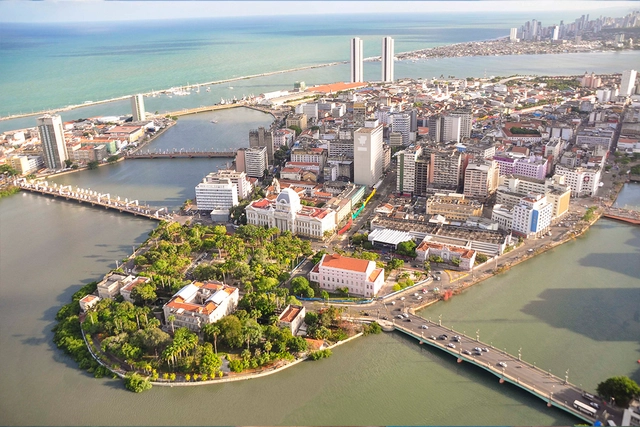
There are many reasons why some urban areas deteriorate while others thrive, including economic, planning, social, and cultural factors, as well as sheer chance. Understanding these dynamics—and, more importantly, minimizing the risk of decay while fostering vitality in urban areas—is a recurring theme in urban planning, driven by the shared and legitimate desire to live in beautiful, pleasant, and prosperous environments.
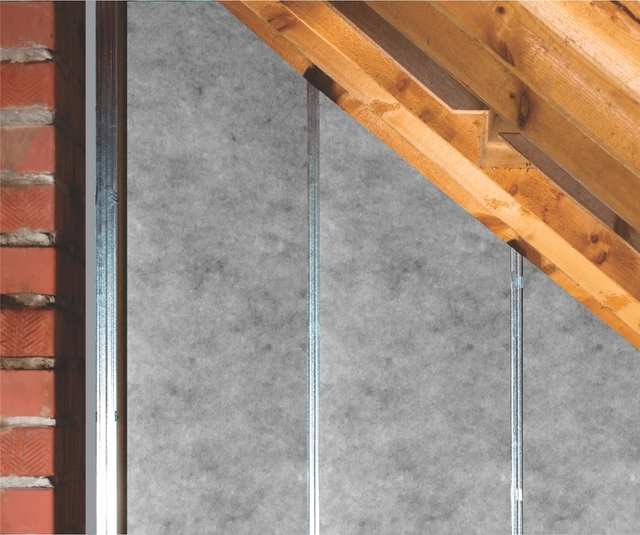
Proper home insulation and selecting the right materials are fundamental when undertaking a construction project. These strategies enhance interior comfort and serve as a long-term cost-saving measure.
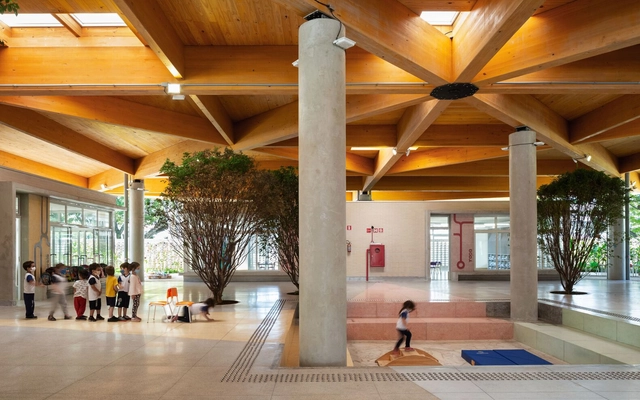
Today, Brazil celebrates Student Day. Established in 1927, the date marks access to a fundamental right for all citizens: education. Nearly a century later, new pedagogies and ways of looking at learning have emerged, bringing with them new architectures that embrace both pedagogical and technical advancements. With this in mind, we have gathered seven examples of Brazilian educational spaces designed after 2020. Through solutions that highlight key design aspects, these projects help outline a brief overview of contemporary references on the subject.
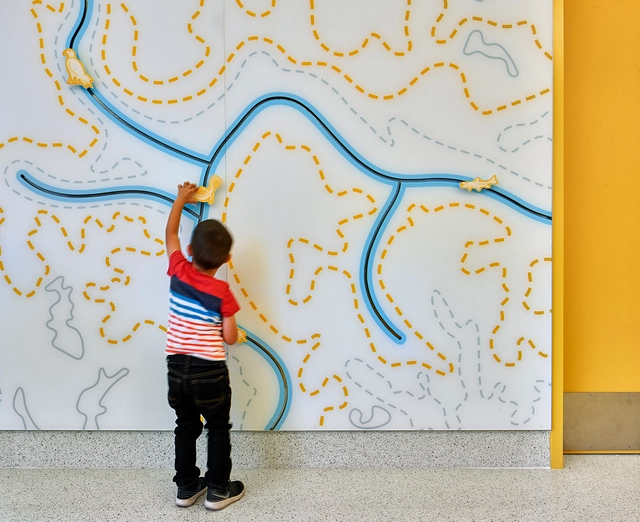
Increasingly robust and promising scientific evidence can assist architects and other designers seeking inclusive design by taking diverse minds into account—that is, creating built environments that engage with neurodiversity. Neurodiversity has always been a part of humanity. The term encompasses people with a wide range of neurological conditions and was coined by sociologist Judy Singer in 1999.
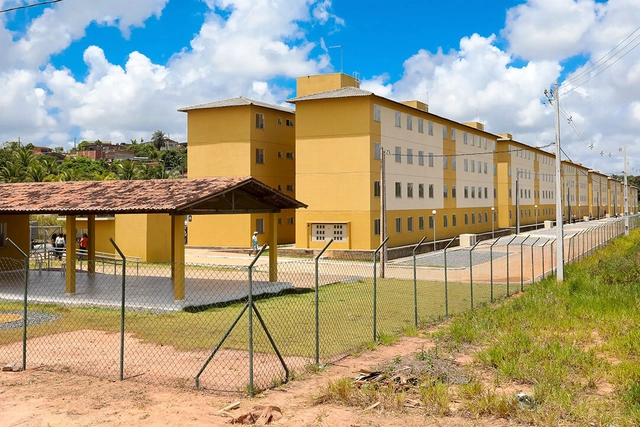
I suspect many readers here experience the same, shall we say, “predicament” as I do: as soon as we step outside our “bubble,” advocating for urban design principles that seem obvious to us — such as eliminating fences and walls, and promoting public access, visual permeability, mixed-use zoning, and active frontages — inevitably runs into the same obstacle: the lack of public safety.
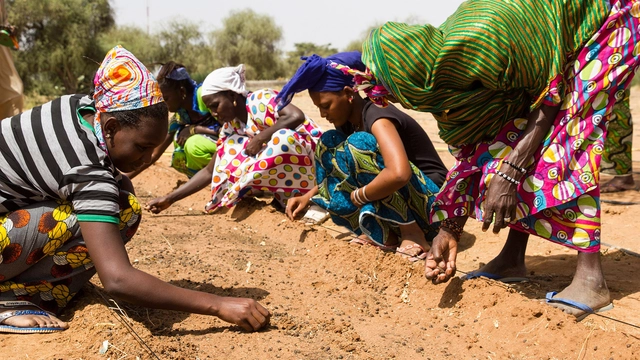
Designated by the United Nations (UN), June 17 was established as the World Day to Combat Desertification and Drought, a date that serves to raise awareness about these phenomena while promoting initiatives to address them. Broadly speaking, desertification refers to the process of land degradation in arid regions, caused primarily by human activities and climatic variations. This phenomenon leads to the loss of vegetation cover, soil erosion, and reduced agricultural productivity, among other negative consequences. Drought, on the other hand, is a prolonged period of abnormally low rainfall resulting in water scarcity, which can have severe impacts on ecosystems, agriculture, and human livelihoods.
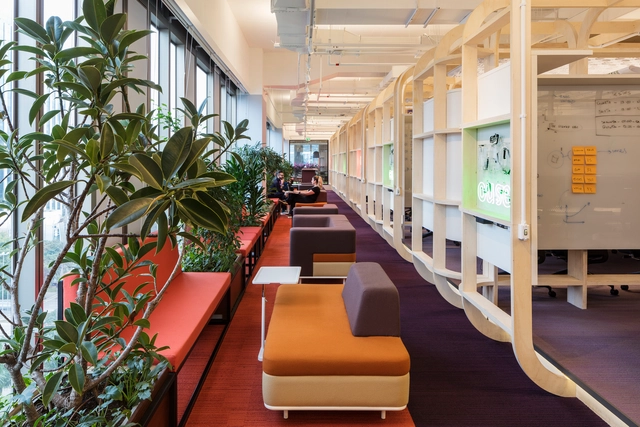
Burnout Syndrome, or professional exhaustion syndrome, is an emotional disorder characterized by extreme exhaustion, stress, and physical depletion resulting from demanding work environments that entail intense competition or high levels of responsibility. Particularly during and after the pandemic—essentially our current reality—burnout rates have surged. Yet, the topic remains under-discussed. Given the significant role of spatial design in the lives of employees, how can neuroarchitecture support quality of life and help mitigate burnout?




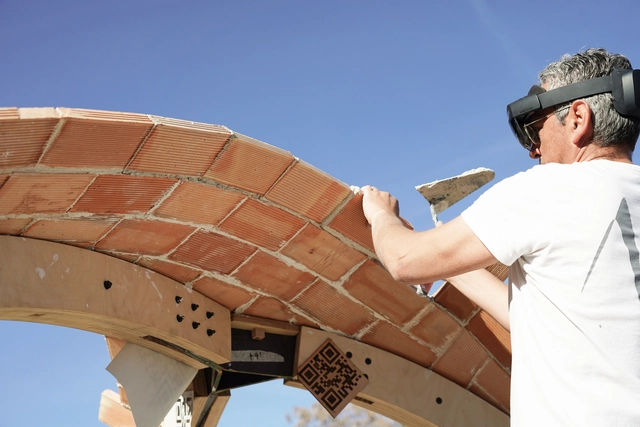
Although the architecture and construction industry has advanced in recent years into new areas such as artificial intelligence (AI), parametric modeling, virtual reality (VR), and other cutting-edge tools, their integration and systematization within the design process remains slow. In an increasingly connected and constantly evolving world, digital tools and emerging technologies are revolutionizing how architects design and build, rewriting the rules and expanding creative horizons. Therefore, it is essential to continue discussing how these tools are being integrated and how their potential can be further unlocked within the discipline.
This July, ArchDaily is exploring the topic of the design process. Within this framework, we want to open up the discussion to hear about your experiences, learn from your successes, challenges, and mistakes—and explore together how these new tools are transforming the practice of architecture.
In the 1940s, as director of the Division of Studies and Heritage Listing at IPHAN, Lucio Costa sent his staff into the field to identify the cultural heritage scattered across Brazil, waiting to be discovered.
“Who,” “when,” and “how” were the questions his assistants had up their sleeves. Supposedly, they were meant to reveal the characteristics of the analyzed assets, in order to then categorize them as worthy or unworthy of heritage listing.
From Le Corbusier's polychromy to the aesthetic concepts of the Bauhaus, color has played an essential role throughout architectural history. Yet, we stand on the threshold of a new era of innovation where the meaning, application, and impact of color in architecture are constantly evolving. This evolution brings new questions to the fore: Could new materials and finishes revolutionize the color palette? What possibilities does color application hold in virtual spaces? What will be the upcoming color trends in the world of interior design?
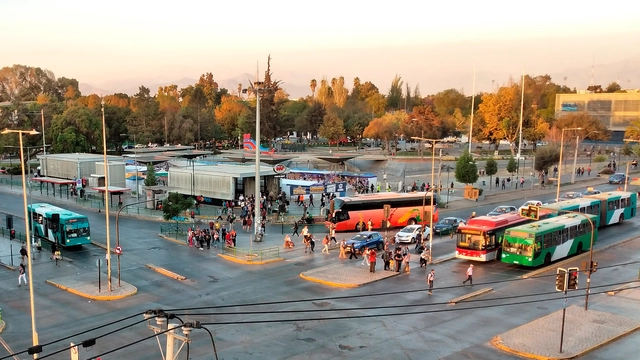
Tomás Vodanovic, mayor of the municipality of Maipú in Santiago, Chile, announced a new measure prohibiting high-rise construction along major thoroughfares, such as Pajaritos, Américo Vespucio, and 5 de Abril, in an effort to foster the aesthetic and sustainable development of the district.
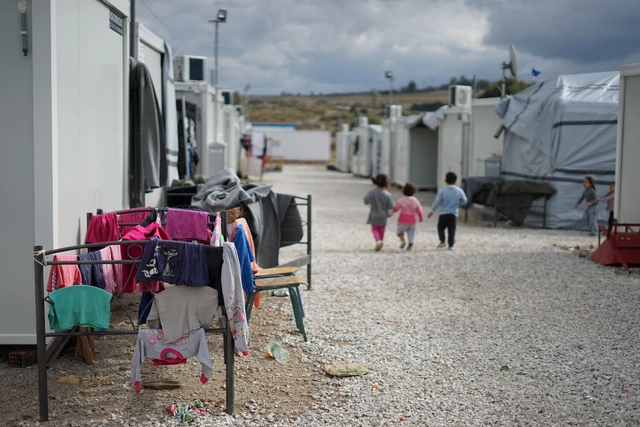
As the climate emergency worsens globally, an ever-larger number of people are forced to flee their homes due to natural disasters, droughts, and other meteorological events. These displaced populations are often referred to as “climate refugees.” This humanitarian crisis demands immediate action, but first we must understand who these individuals are and how the international community can appropriately address this growing issue.
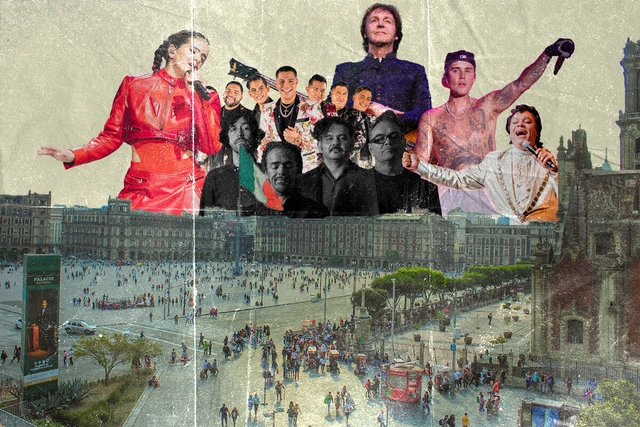
Being present has become the new currency, another way to accumulate symbolic capital, and a new way to validate status. It began with a sudden and rapid surge in museum attendance, alongside the visible crowding of specific areas of Mexico City. This points to an issue currently affecting us: gentrification and forced displacement.
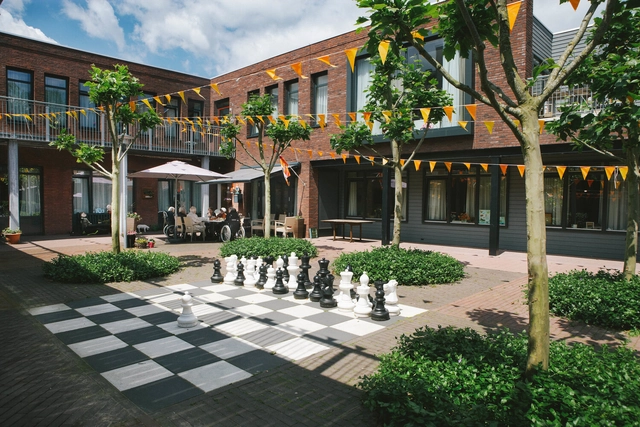
Dementia villages, or communities designed for people living with dementia, represent an innovative model of care for individuals experiencing cognitive decline, such as Alzheimer's disease. These environments are adapted and welcoming, fostering a sense of community while promoting resident autonomy and well-being.
Neuroarchitecture and dementia villages are closely linked, as both seek to create spaces that enhance the well-being and quality of life of those with dementia. Combining neuroscience with design, neuroarchitecture explores how the physical environment impacts the human brain and behavior.
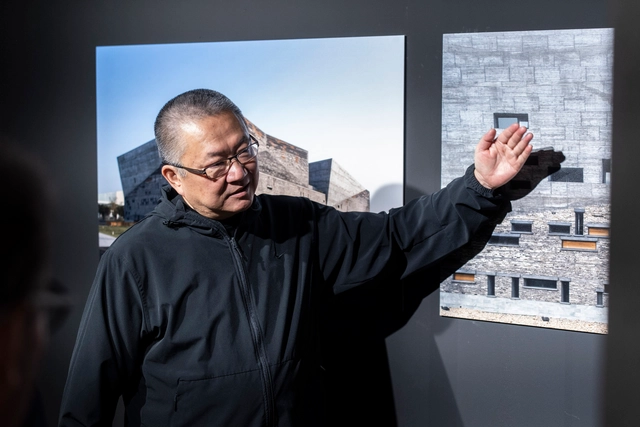
In October 2023, the Mugak International Architecture Biennial of the Basque Country opened its fourth central exhibition in the city of San Sebastián, Spain, the result of a collective dialogue between key figures from the architectural and artistic worlds. Positioned as one of the leading architectural events of the Atlantic Arc, this public meeting point engages with the trends and concerns of our time.
Running through February 2024 with free admission at the Basque Country Architecture Institute, the reflective exhibition "Habitar el Cambio" (Inhabiting Change) is structured around the concepts of "rebuilding, rehabilitating, and rethinking," responding to the current climate of complexity and crisis across economic, health, ecological, and social spheres.
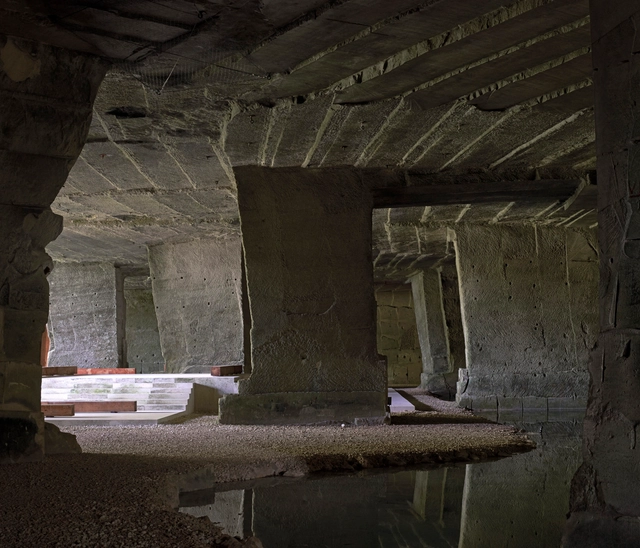
Can we construct buildings using less water? Throughout June, ArchDaily opened the debate on water resources in architecture, inviting our readers to join the discussion.
Global water use data is discouraging, and the construction process accounts for a significant portion of this consumption. It was time to think about how to reduce this impact. The need to design buildings that do not require water offered a unique opportunity to explore innovative and sustainable alternatives to minimize or even completely eliminate water use in construction.
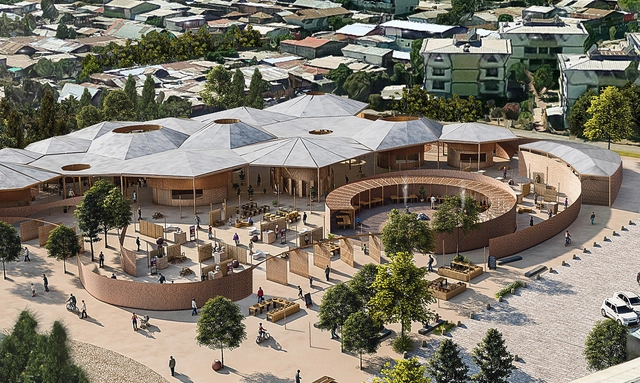
As part of the XXVI Arquisur Congress “Turns of Architecture,” held from October 11 to 13 at the Faculty of Architecture, Design and Urbanism of the University of the Republic of Uruguay, the winners of the 2023 edition of the Arq. José Miguel Aroztegui Award for Architecture Students, the Arquisur Research Award, and the Arquisur Outreach Award were announced.
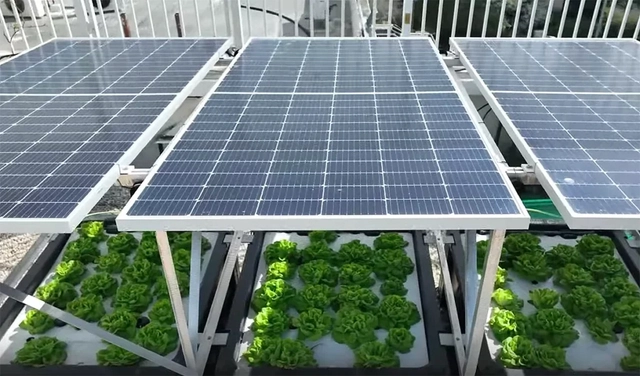
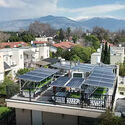
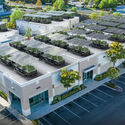
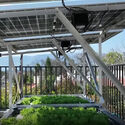
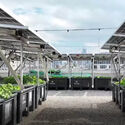
Bringing greenery and, in many cases, vegetable cultivation into urban areas yields countless benefits for city dwellers. Green roofs offer a solution for transforming underutilized areas into true natural oases, helping to mitigate urban heat islands, absorb rainwater, improve air quality, control noise levels, and attract biodiversity.