Guadalupe Marín con sus hijas, Ruth, a la izquierda, y Guadalupe,1939. Foto vía Un día, una arquitecta. Image Cortesía de coolhuntermx
Writing about the participation of women as architects or in the construction industry is complex. Today, we are well aware of award-winning, highly recognized contemporary women architects; yet, looking to the past reveals a dark and solitary landscape.
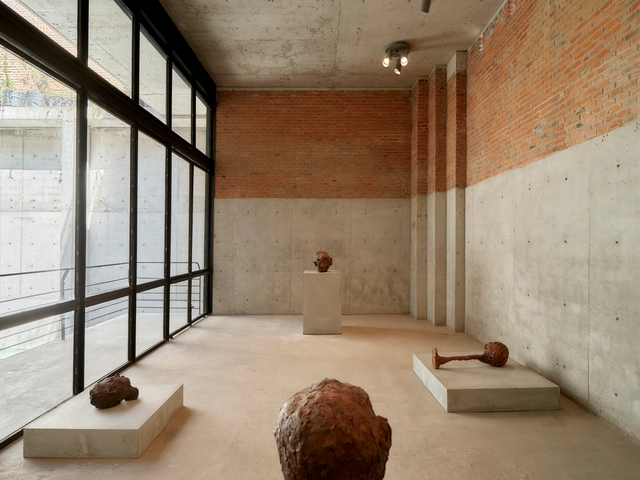
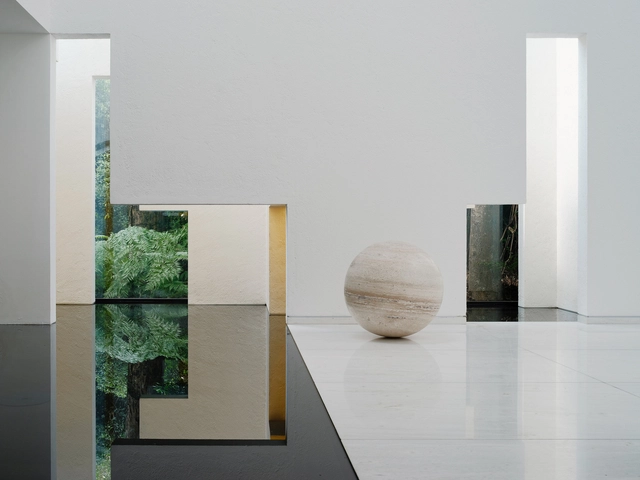
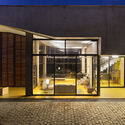
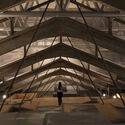
The artistic practice of Bosco Sodi has opened a new space in Mexico City that houses Sodi's new studio while serving as an extension of the Fundación Casa Wabi. This venue, named Sabino 336, was first unveiled during Art Week 2023, coinciding with Sodi's exhibition "Alabanzas" at the Galería Hilario Galguera. Curated by Dakin Hart, the exhibition showcased works from the artist's personal collection.
From figurative panels depicting historical scenes to modernist abstract geometric compositions, ceramic tiles have been a constant presence across different styles and eras of Brazilian architecture over the centuries. Today, composition possibilities are vast, stemming not only from how the pieces are arranged—be it randomly or in structured patterns—but also from the wide range of colors and designs offered by manufacturers.
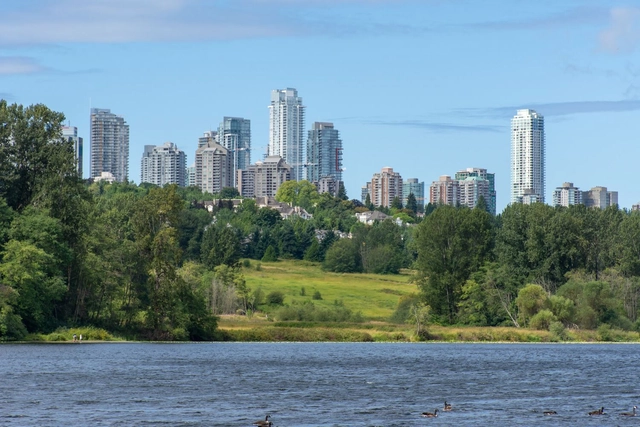
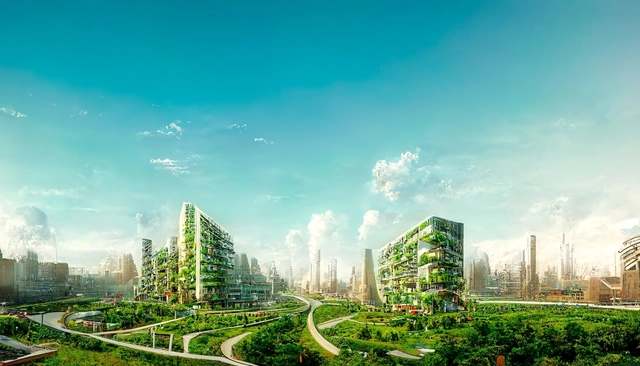
A UN survey revealed that in 2018, approximately 55% of the world's population lived in cities. This figure is projected to reach 60% by 2030. If urban centers are to become home to so many, evaluating these spaces and ensuring quality of life is essential – a challenge when considering population density and the impact of such large numbers.
Yet, urban living does not have to mean being cut off from nature, surrounded by gray and concrete. Green cities are proof of this. While life in urban centers poses a series of challenges, it also presents an opportunity to find solutions that transform these spaces, fostering significant and necessary societal change.
From fire in caves to street lighting in cities, lighting has evolved steadily alongside technological advancements—and in recent years, it has begun to change even more significantly due to a growing awareness of its impact on the environment and human health. Today, automated LEDs are commonplace in workspaces and homes, improving both energy efficiency and well-being and comfort. Meanwhile, public squares and streets are increasingly integrating sensors and software configurations to enhance safety and mobility. With the global urban population projected to reach 68% by 2050, urban lighting will undoubtedly become an even more critical factor to consider.
However, to make the most of these opportunities, we must view lighting as part of a holistic vision and work together to create better solutions. What does the future of lighting look like? We posed this question to our readers. After reviewing a vast number of comments and opinions from construction professionals, students, and architecture enthusiasts alike, it was surprising to find so much common ground and shared visions. There is a clear consensus on the importance of going a step beyond the status quo without increasing light pollution—while being more mindful of all living things. Discover the main perspectives below.
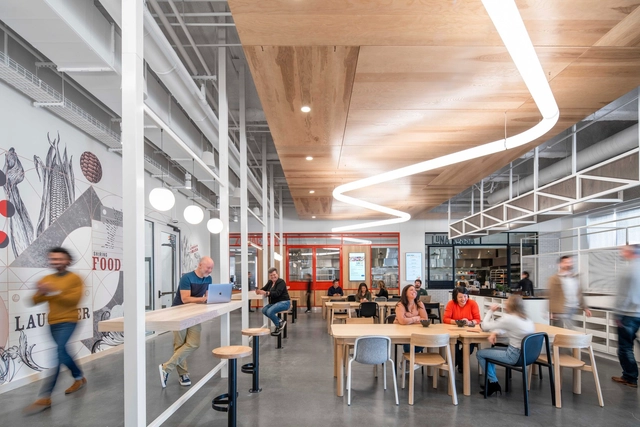
As part of a research project by the Gensler Research Institute, the first Gensler Mexico Workplace Survey was conducted in late 2022. The study aimed to highlight the fundamental role the office plays in facilitating face-to-face meetings with colleagues and clients. The findings presented below reveal key shortcomings in current office workspaces. Furthermore, they foster a better understanding of the characteristics that make workplaces efficient, functional, and engaging, offering insights to rethink user experience design. Ultimately, this presents a clear opportunity to enhance both individual and collaborative work.
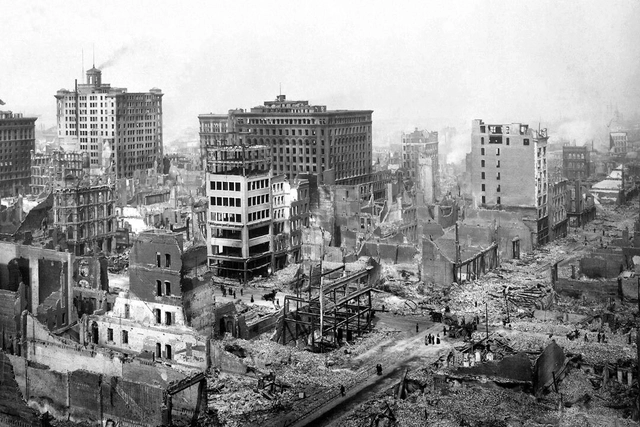
Image: National Archives and Records Administration
In 1906, a major earthquake struck San Francisco, California. The initial shock damaged buildings throughout the region. Yet the worst was still to come, as fires broke out in collapsed buildings, in some cases sparked by ruptured gas lines.
Over the next four days, a conflagration swept through more than half of the city, consuming over 4.7 square miles of the downtown area, destroying 28,188 buildings, killing more than 3,000 people according to the official count, and leaving between 227,000 and 300,000 people homeless (out of a total population of 410,000).
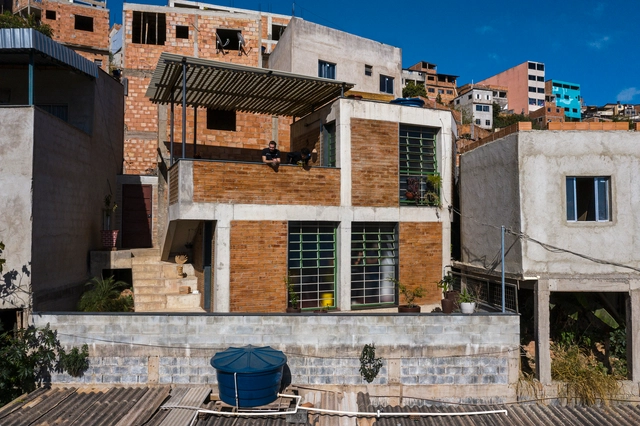
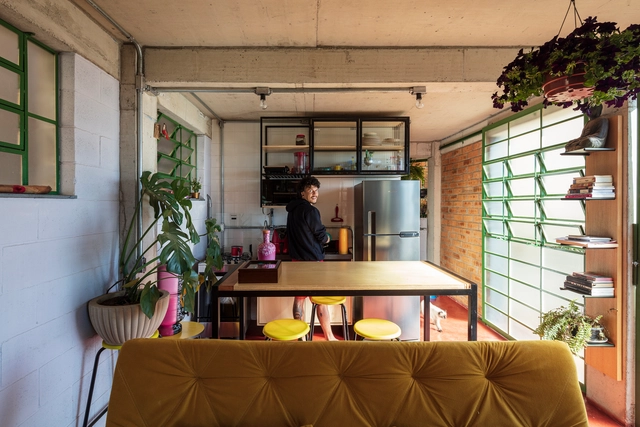
Reflecting on contemporary housing is perhaps one of the most compelling and relevant undertakings of our time. In a rapidly changing world—where technology advances at a breakneck pace, populations grow, and resources become increasingly scarce—it is vital to reconsider how we live and how we can do so better.
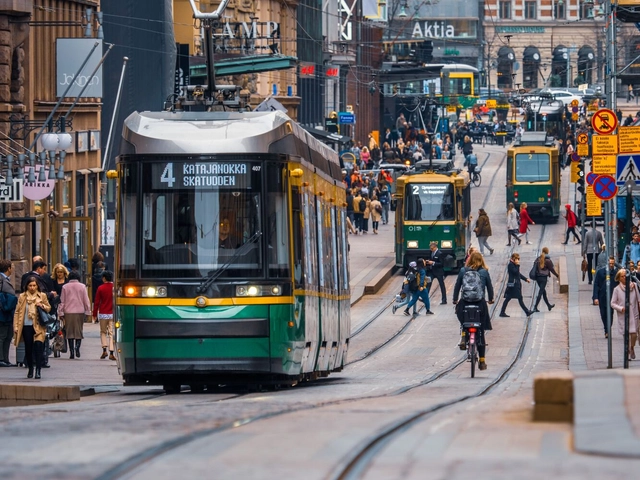
Transportation connects us. It is how we get to school and work, visit our families, and access grocery stores and healthcare services. It is also how we ship and receive goods and services. As economies and populations grow, so does the need for efficient, accessible, and sustainable transportation options.
https://www.archdaily.com/1136401/5-changes-to-transform-transportation-and-meet-climate-goalsWRI Brasil
Moving from a country with four distinct seasons to a tropical climate in 1973 was a transformative life experience; in the practice of architecture, it required adapting to a completely new reality. Engaging with the customs and habits of the life that welcomed us, alongside the vernacular architecture we encountered, signaled that our design methodology had to change in order to integrate this new world, with its unique climate and way of living.
Videos
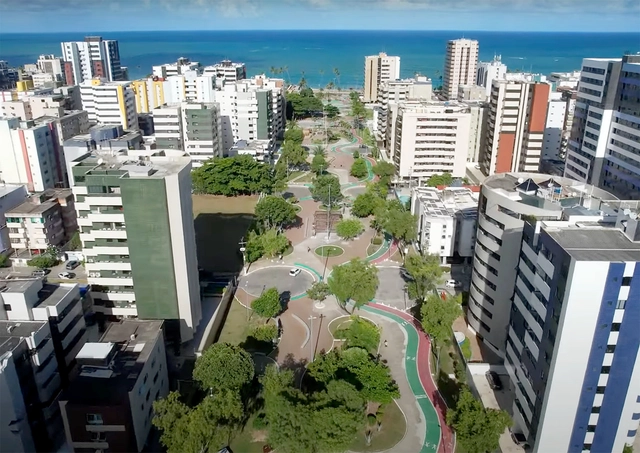
Panoramic view of Corredor Vera Arruda. Image via Tribuna Hoje
This is not the first article to address this, nor will it be the last. Numerous studies and pieces have pointed out the inconsistency of promoting car-centric urban policies as mobility solutions. I myself wrote in 2021 about the need to stop building overpasses and claiming they will solve mobility issues. Recently, however, Maceió’s Municipal Transport and Traffic Department (SMTT), a local government agency, launched a public consultation to gather feedback on opening streets within the city's largest linear park, the Vera Arruda Corridor. The proposal aims to improve "mobility" and "traffic flow" in an area that "suffers" from rush-hour congestion.
https://www.archdaily.com/1136452/maceio-can-opening-streets-in-a-park-improve-trafficRuan Victor Amaral
It is well known that Barragán was not interested in theorizing about his own work. He preferred to leave the interpretation of his architectural practice to others. However, among the few texts he did write to articulate his professional philosophy, there is one of particular interest.
Today, it is essential to integrate strategies that help limit the emissions generated by buildings over their lifespan into design and functionality concepts to mitigate climate change. Consequently, reducing embodied carbon in construction has become an urgent priority, and industry professionals are increasingly taking this into account to build with a smaller carbon footprint, alongside the principles of circularity, sustainable development, and energy efficiency.
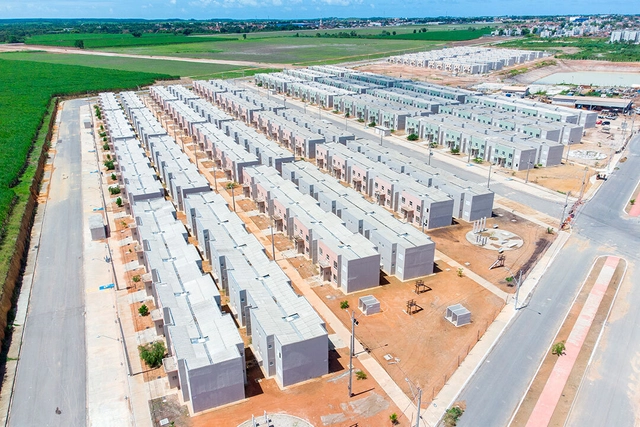
Celso Carvalho's article, recently published in Carta Capital magazine, offers important reflections on the Minha Casa, Minha Vida program, as well as the need to promote changes to its strategy. Carvalho points to the high cost of urban land as an obstacle to providing Social Interest Housing (HIS) in the most valuable neighborhoods of Brazilian cities—the so-called "land knot" (nó da terra). In short, Carvalho argues that the new MCMV should:
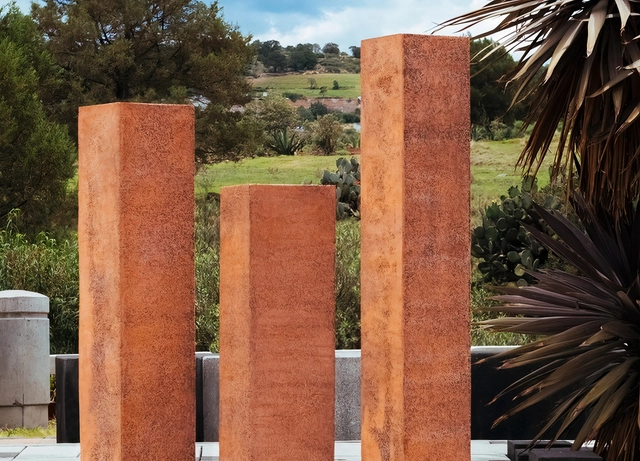
To develop materials that meet the needs of the future, it is important to consider the challenges of both the past and the present. Concrete, a widely used construction material, has maintained its basic composition since its modern conception in the 19th century with the invention of Portland cement by Joseph Aspdin. Highly valued for its strength and cohesion, concrete has become one of the most widely used materials in the world. Driven by its technical and aesthetic characteristics, architects have erected landmarks such as the ECLAC building and the Palmira Chapel, which have become milestones of contemporary architectural production. Today, however, such performance characteristics are no longer the sole criteria for weighing a material's value, given the pressing need to develop materials with a sustainable focus. Indeed, the concrete industry releases a high volume of pollutants into the atmosphere, accounting for approximately 8% of global CO₂ emissions.
https://www.archdaily.com/1136072/photocatalytic-concrete-a-sustainable-approach-to-air-quality-in-constructionEnrique Tovar
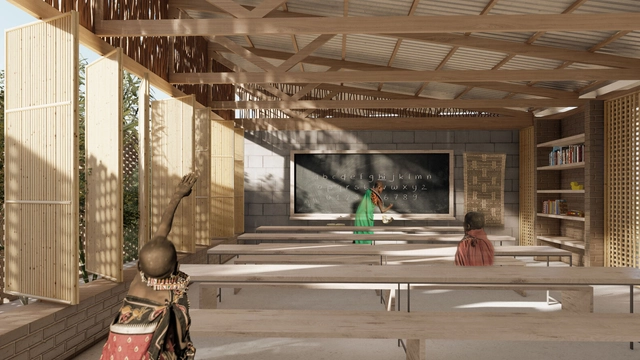
Primary School in Hiddi, by Eduardo Baptista Lopes, Gabriela Pretzel, and Lucas Heidenreich
Architectural competitions have long been used to select the best designs in a viable, fair, and democratic manner, regardless of their purpose. In Brazil, the Institute of Architects of Brazil (IAB) stands out, having represented the country's architects for over a century and strongly advocating for the popularization and formalization of competitions as the primary method for commissioning public works—whether for architecture, urban planning, or landscape design. These competitions ensure that public authorities contract the best project, rather than simply the cheapest, which is common in price-based competitive bidding.
https://www.archdaily.com/1136254/learning-architecture-through-competition-an-academic-experience-in-design-competitionsEduardo Baptista Lopes
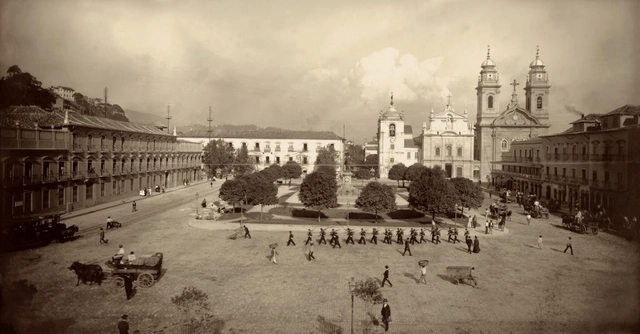
Marc Ferrez: Praça XV de Novembro, circa 1903 / Gilberto Ferrez Collection, Instituto Moreira Salles Collection
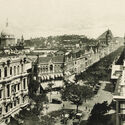
Joining numerous national and international institutions that already make portions of their collections available in the public domain, the Instituto Moreira Salles (IMS) is now providing free access to a selection of its photographic and iconographic archives.
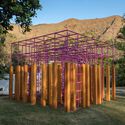
Unoccupied spaces within the city are typically viewed as conditions lying somewhere between problem and potential. It is partly the role of architecture and urbanism to thoughtfully mobilize these spaces within the urban context. With these issues in mind, the firm Vazio S/A proposes the activation of spaces deemed residual in the urban landscape or in specific contexts, drawing on the potential that vacant spaces offer.
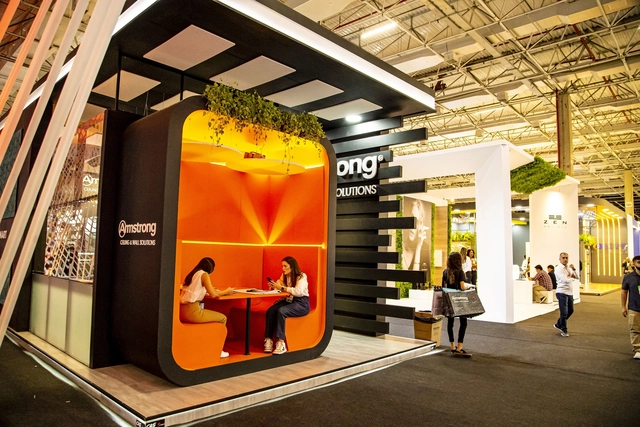
Jazz bars around the world were the subject of illustrations by architect Jose Ricardo Basiches and provided the theme for the booth designed for the Armstrong brand, conceived and built to foster real sensory experiences within the exhibition hall. Well-known for his freehand drawings on napkins and various unconventional surfaces, Basiches says he never leaves home without a pen in his pocket. "For me, drawing is more than a hobby. It is a way of experiencing the environment I am in," the architect adds. These illustrations permeated many elements of the booth during Expo Revestir 2023, particularly the acoustic wall and ceiling panels, presenting the idea that Design + Acoustics can stem from a fresh perspective shared by architects and acoustic consultants regarding existing market products.
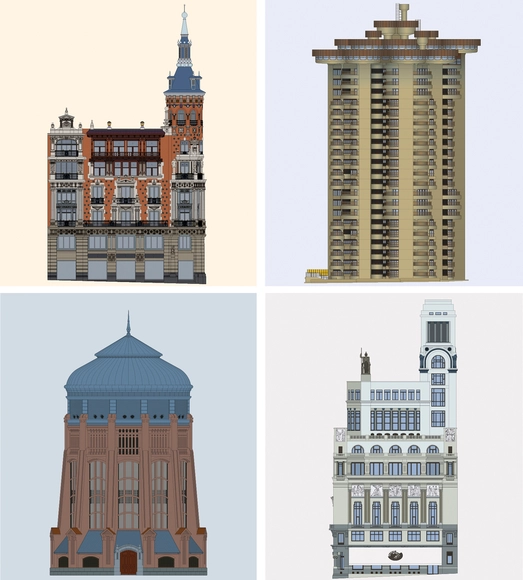
In an effort to highlight the richness and diversity of the architectural heritage of Madrid, Spain, “Fachadas de Madrid” (Facades of Madrid) has emerged—a digital illustration project that combines artistic representation with architectural outreach. Depicting the facades of the city's most iconic and emblematic buildings, as well as those of special architectural, historical, or heritage interest, through elevation drawings, Laura Arribas leads the production of this growing series of illustrations, which showcases an intentionally technical style with an exceptional level of detail.
Housing is not just the place where we live. It is a reflection of our society, our culture, and our aspirations. It is a space that influences our quality of life, our health, and our well-being. And in a world changing at an unprecedented pace—where technology advances by leaps and bounds, population grows, and resources become scarce—it is crucial to reflect on how we inhabit our homes and how we can make them better.
Throughout the month of April, ArchDaily opened up the debate on the topic of contemporary housing. We extended an invitation to our readers to join the discussion on its current state and future. After reviewing an immense number of comments and opinions from construction professionals, students, and architecture enthusiasts alike, we were surprised to find a strong consensus: above all, contemporary housing speaks as much to adaptability, innovation, and diversity as it does to real estate speculation, a lack of adequate public policies, and economic inequality. Read the main viewpoints in detail below.
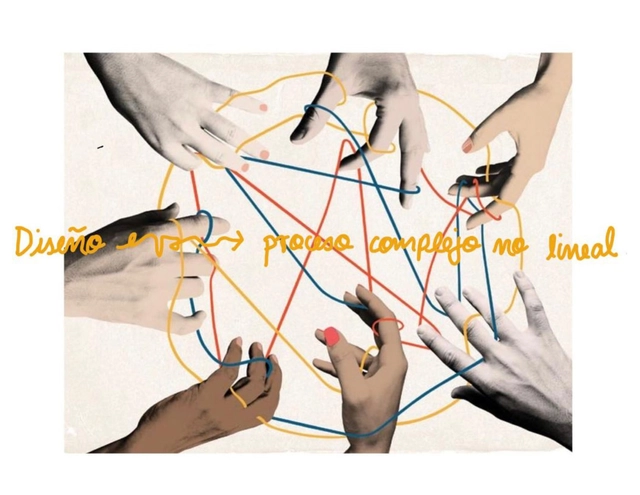
As the result of a seminar-workshop organized by COMUNAL—where participants engaged in critical readings and reflections starting from texts on habitat and autonomy, the Social Production and Management of Habitat, Participatory Design, and critical pedagogy—a collective fanzine has been launched and can be downloaded for free at this link. The document emerges as a proposal to imagine and build new narratives for producing and sharing knowledge.
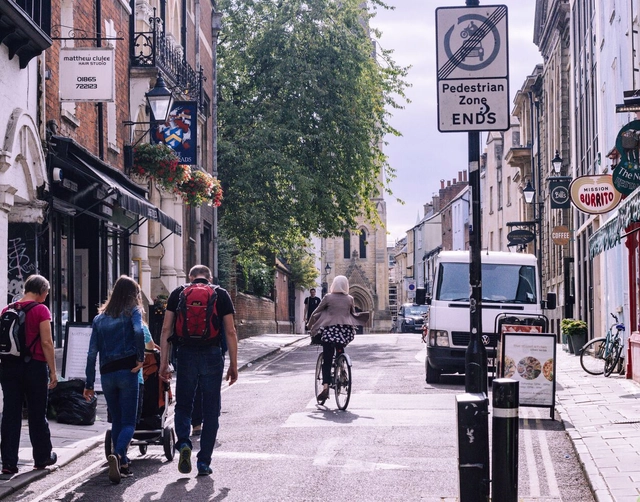
Oxford plans to transform its entire city center into a Zero Emission Zone. Photo by Suad Kamardeen, via Unsplash
The need to reduce greenhouse gas (GHG) emissions in the transportation sector is urgent, and implementing measures to this end represents both a challenge and an opportunity for local governments. This is the case with Zero-Emission Areas (ZEAs), urban sectors where pollutant emissions are neutralized. This measure primarily benefits those who will enjoy healthier urban spaces and more vibrant commercial activities. However, ensuring its success—or at least mitigating public backlash—requires deep social engagement and effective communication with the population.
https://www.archdaily.com/1136419/everything-you-need-to-know-about-zero-emission-zonesITDP Brasil
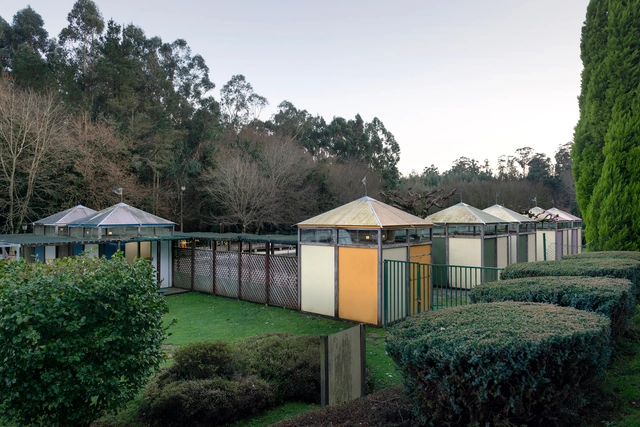
As a result of the research project MuWo - Women in Spanish (Post)Modern Architectural Culture (1965–2000), the interactive digital map of architecture designed by women in Spain was launched, aiming to study and bring visibility to women's work in architecture. As Myriam Goluboff Scheps is one of these architects, we set out to explore her history, ideals, and philosophy through one of her most recognized works: the open-air swimming pools for the Diputación de A Coruña.