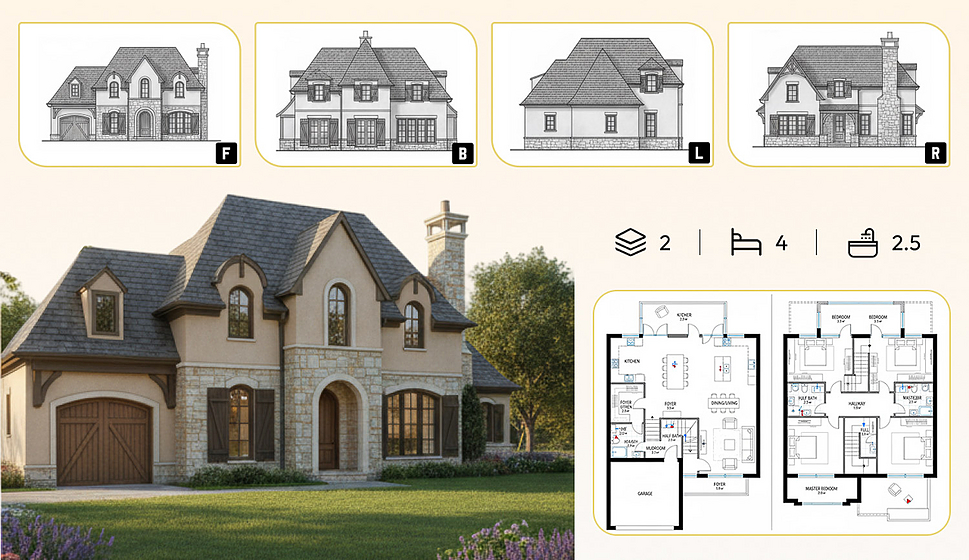
This guide covers a workflow that moves from project parameters to generated floor plans, 3D perspective views, exterior design exploration, and site context visualization, using AI tools in place of preliminary CAD and rendering work.
This guide covers a workflow that moves from project parameters to generated floor plans, 3D perspective views, exterior design exploration, and site context visualization, using AI tools in place of preliminary CAD and rendering work.
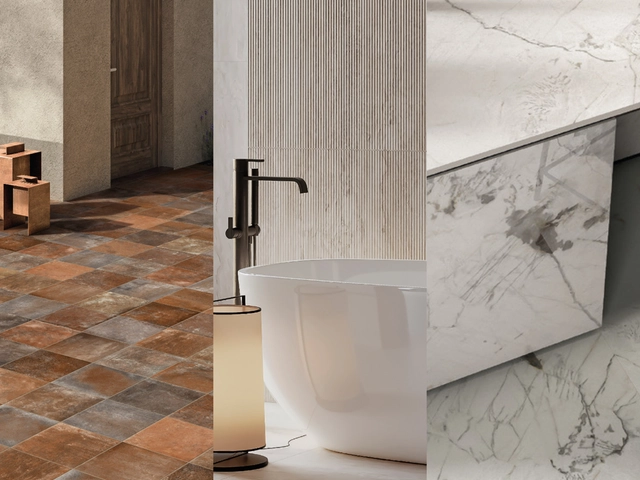
Stone and marble continue to establish themselves as essential materials in architecture and design, for both interiors and exteriors worldwide. CHC offers a curated selection designed to create spaces with a timeless, elegant character. Discover how to incorporate marble and stone into your projects to add a touch of modern style.

Choosing between vinyl and laminate flooring is no longer necessary, as resilient hybrid flooring combines the best features of both materials. Kiwi is a natural flooring made of 80% wood, utilizing a premium impregnation technology that makes it 100% waterproof. This product features 80% wood, while the remaining 20% is composed of plant-based resins. Consequently, it is 100% PVC-free, making it an entirely eco-friendly choice.

On this week's episode of the TERRAZA podcast, Nicolás Valencia speaks with Chilean architect Sandra Iturriaga about the book Mapocho Aguas Abajo (Ediciones ARQ), a publication developed by the Mapocho 42K Lab at the Pontificia Universidad Católica de Chile that proposes revaluing the heritage and landscape of the downstream stretch of the Mapocho River in Santiago, Chile.
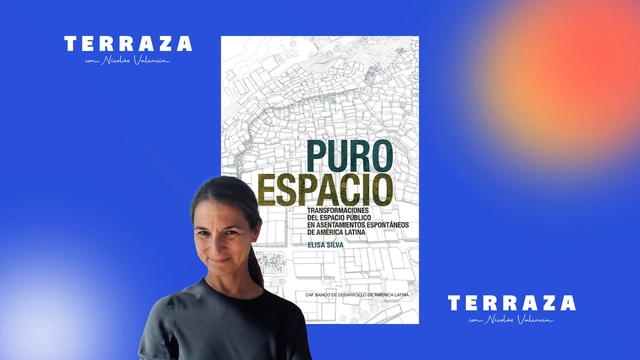
This week on the TERRAZA podcast, Nicolás Valencia talks with Venezuelan-American architect Elisa Silva about her book, "Pure Space: Public Space Transformations in Latin American Spontaneous Settlements" (Actar Publishers), an analysis of a series of public space interventions in communities across Mexico, Colombia, Venezuela, Brazil, Argentina, Peru, and Chile.
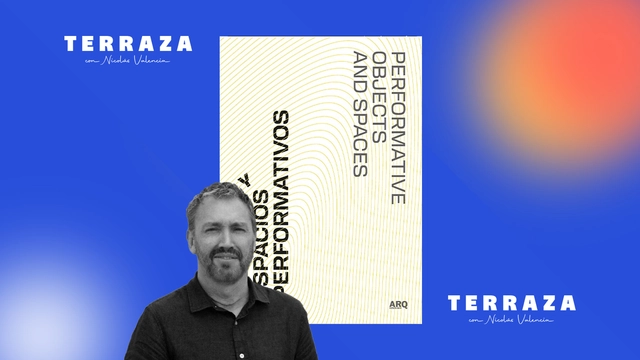
Nicolás Valencia talks this week on the TERRAZA podcast with Chilean architect Rodrigo Tisi about his book Objetos y espacios performativos (Ediciones ARQ), research that examines key moments to observe, explain, and establish the possibilities of certain performance practices in academia and creative environments.
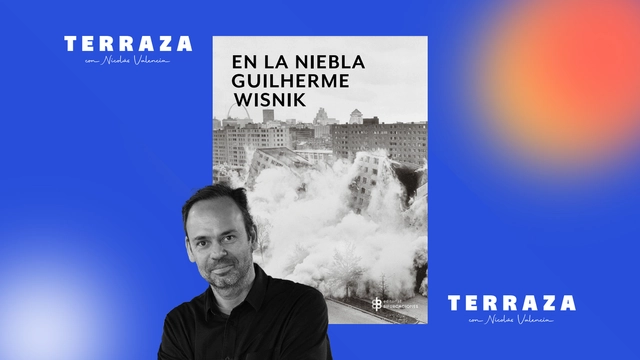
This week on the TERRAZA podcast, Nicolás Valencia talks with Brazilian architect and critic Guilherme Wisnik about his book En la niebla (Editorial Bifurcaciones), a series of essays where fog serves as a metaphor for the state of uncertainty in today's world, weaving together contemporary debates on space, art, and politics.

Cities occupy just 3% of the Earth's land surface, yet they account for most of the world's energy consumption and carbon emissions. Many are also highly vulnerable to climate change and natural disasters due to their high population densities and interconnected infrastructure. To prevent the worst impacts of climate change—including human, social, and economic losses—making cities more resilient and prepared for a changing climate is crucial. Yet, recent studies indicate we are still far from achieving this.
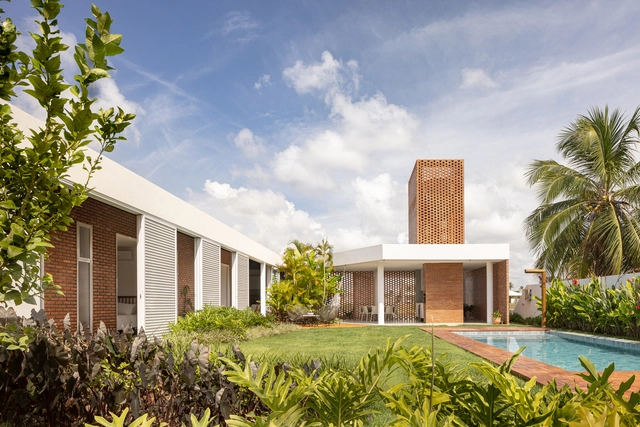
Review the best of architecture from the past week according to our readers and editors, featuring this selection of the most read articles, most visited projects, and most popular products on ArchDaily Brasil.
To make sure you don't miss the best of each week, subscribe to our weekly newsletter and receive these and other updates on architecture, cities, and the built environment directly in your inbox.
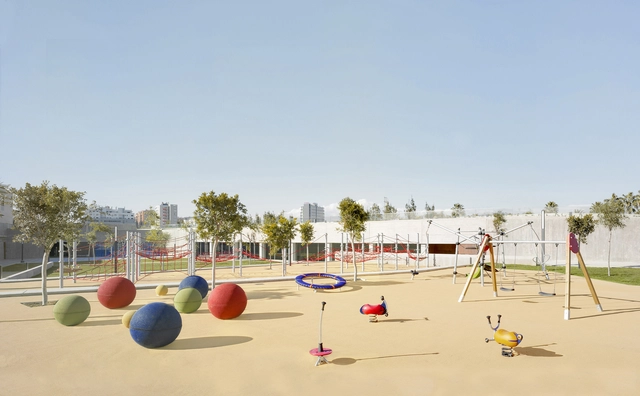
Play represents a key opportunity for children to acquire skills and knowledge in a natural and engaging way. Among the key innovations in early childhood and primary education, play stands out as a central axis of the learning process, serving as a fundamental pedagogical principle to achieve educational goals. Combining play with outdoor learning fosters exploration, experimentation, sensory stimulation, and motor development during childhood.
Featuring diverse materials, designs, and dynamics, the playground equipment represented by Urbanplay fosters open, spontaneous interactions, providing children with spaces to take risks, explore, and connect with nature.
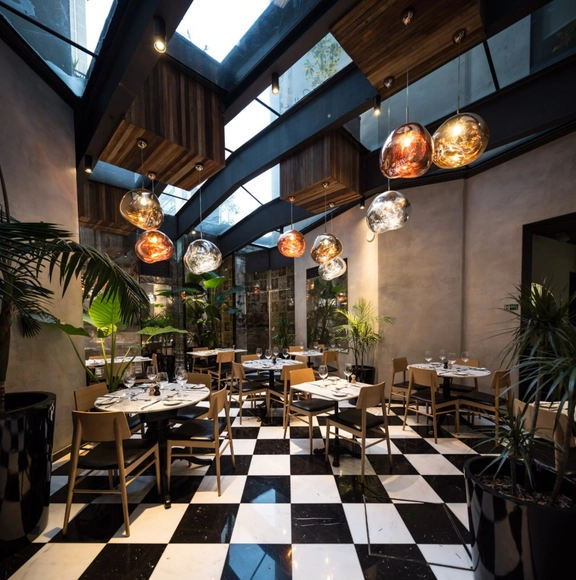
Hotel Magnolia, designed by architect Cazú Zegers and built in 2013 in Santiago, Chile, has been featured for the fourth consecutive year in the Condé Nast Traveler Readers' Choice Awards, ranking among the Top 20 Hotels in South America.
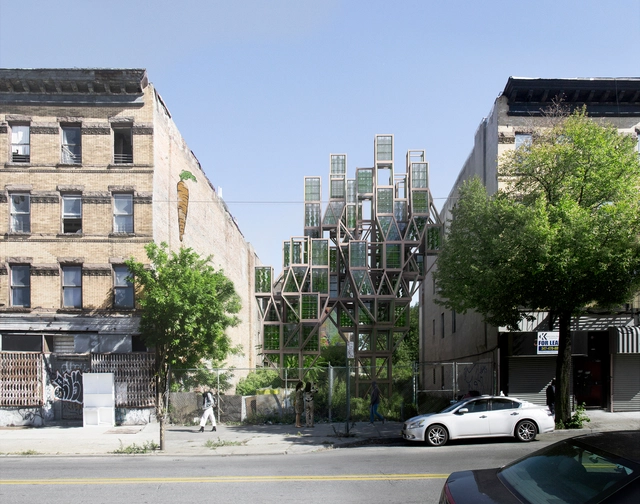
We are living in a state of emergency. Since the dawn of industrialization, we have rushed through our planet's finite resources as if they were limitless, depleting and destabilizing the very ecosystems we depend on for our sustenance, economy, food, health, and quality of life.
In just 50 years, we have lost more than half of the world's wildlife. Currently, the Earth is on track to warm beyond 1.5 degrees Celsius, which scientists warn is a hard planetary boundary for existing ecosystems. This is a “code red for humanity,” as described in the IPCC Sixth Assessment Report. Continuing on our current path will mean irreversibly damaging the very conditions that sustain life on this planet.

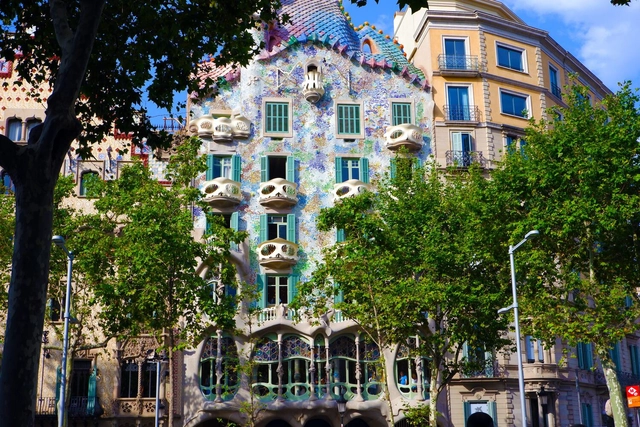
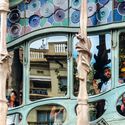
Casa Batlló, located on the iconic Passeig de Gràcia in Barcelona, Spain, is an architectural masterpiece that embodies a synthesis of creativity, innovation, and architect Antoni Gaudí's deep connection with nature. Built between 1904 and 1906, this residence is a major tourist attraction in the city and an important contribution to architectural history. Here, we analyze Casa Batlló through concepts central to the field of neuroarchitecture.

As part of a new collaboration between Mexican firms Dellekamp Arquitectos and Rojkind Arquitectos, Casa Roca is presented in Puerto Los Cabos, San José del Cabo, Mexico. Inspired by the rock formations at the site's summit, the project features a radial layout carefully organized in response to its topography. Sited on a 5,000 m² lot, the 1,200 m² house organizes its program along the natural landscape, minimizing its footprint and establishing a close relationship with nature as the core living experience.
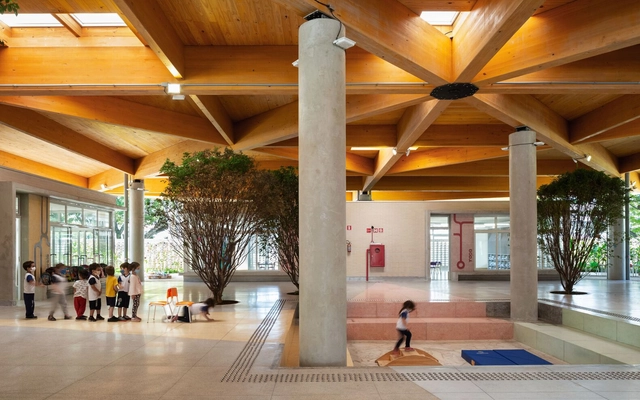
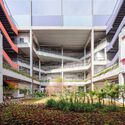
Today, Brazil celebrates Student Day. Established in 1927, the date marks access to a fundamental right for all citizens: education. Nearly a century later, new pedagogies and ways of looking at learning have emerged, bringing with them new architectures that embrace both pedagogical and technical advancements. With this in mind, we have gathered seven examples of Brazilian educational spaces designed after 2020. Through solutions that highlight key design aspects, these projects help outline a brief overview of contemporary references on the subject.
Some symbols transcend language barriers, easily recognized and understood across different cultures—such as restroom icons, the medical cross, and, more recently, the universal Wi-Fi symbol. Among these ubiquitous graphics is the "recycling" logo, conceived in 1971 by architect and designer Gary Anderson while he was a student at the University of Southern California. The symbol features three clockwise arrows forming a triangle, representing industry, consumers, and recycling, respectively.
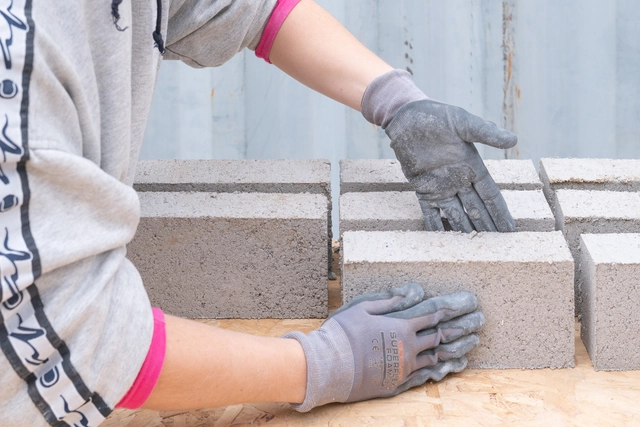
Reintegrating what is typically discarded as waste back into the production cycle is a core tenet of the circular economy. This concept is particularly relevant to the construction industry, which has historically relied on resource extraction and destruction to sustain itself. Because the brick is synonymous with building anew, nothing embodies the circular concept quite like it. Innovators have risen to the challenge, devising solutions that transform waste into high-value resources, producing building blocks from raw waste materials ranging from seaweed and plastic to human hair. These innovations not only address pressing environmental concerns but also fundamentally redefine how we construct and inhabit our spaces. In this article, we highlight seven initiatives turning waste into valuable building blocks.
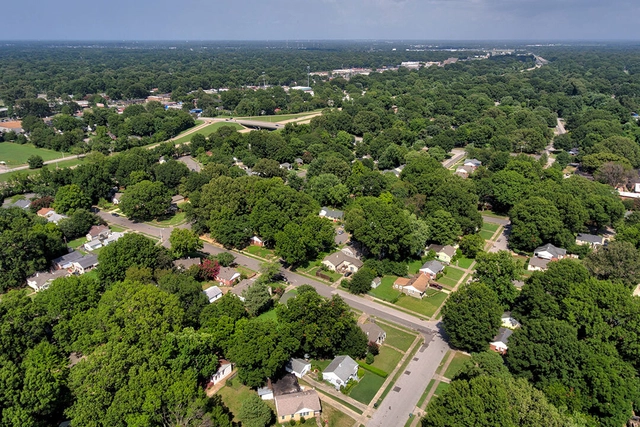
On a recent trip to the United States, looking out the airplane window while taking off from Tampa, Florida, I was struck by the pristine green landscape of the American suburb. Neatly organized rows of seemingly identical trees blanketed the flat terrain like a green carpet. To some, this abundance of green might look like a dream of environmentally integrated sustainability.
Nothing could be further from the truth. The American suburb, based on the outdated concept of the “garden city,” was designed to favor the automobile, low-density single-family housing, and single-use zoning. This model virtually rules out active transportation (walking or cycling) and makes mass transit—which relies on density and walkability—wholly unviable.
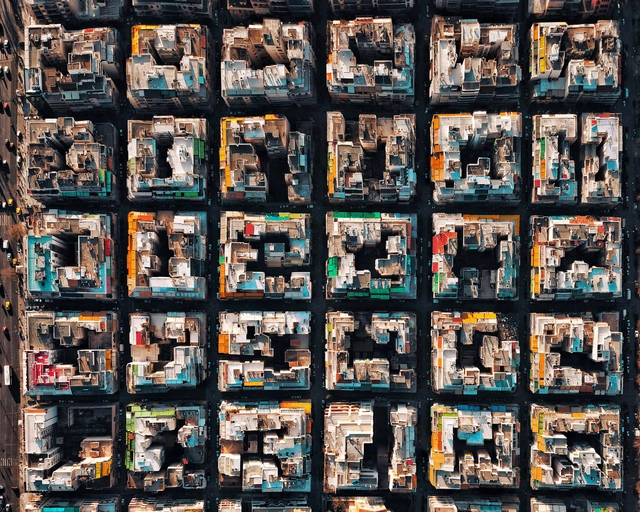
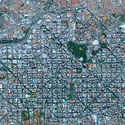
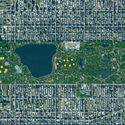
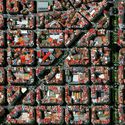
Navigating certain cities around the world is remarkably easy to grasp, just as finding an address without GPS is not particularly difficult, even for first-time visitors. Urban design explains this ease of navigation. Urban spaces designed on a grid, such as Barcelona (Spain), New York, Chicago, and Phoenix (US), and Toronto (Canada)—where streets intersect at right angles to form a gridiron pattern—make orientation intuitive and optimize spatial utility.
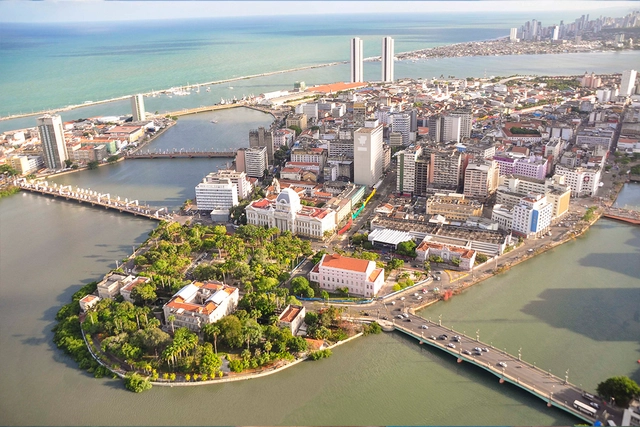
There are many reasons why some urban areas deteriorate while others thrive, including economic, planning, social, and cultural factors, as well as sheer chance. Understanding these dynamics—and, more importantly, minimizing the risk of decay while fostering vitality in urban areas—is a recurring theme in urban planning, driven by the shared and legitimate desire to live in beautiful, pleasant, and prosperous environments.
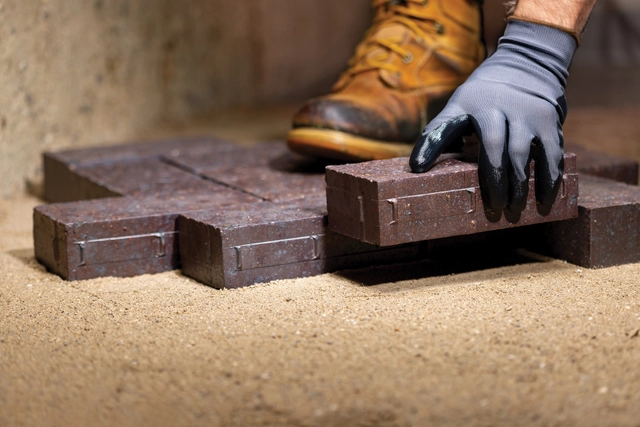
Composed of extremely fine mineral particles and formed through the long-term weathering and erosion of rock, clay possesses unique properties that make it highly versatile. When wet, it becomes highly plastic and malleable, allowing it to be molded into virtually any shape. Once dried and fired, it becomes hard and durable, leading to its widespread use in construction and ceramics. In outdoor applications, clay pavers are particularly common, favored for their durability, resistance to weathering and traffic, natural earthy tones, and ease of installation.
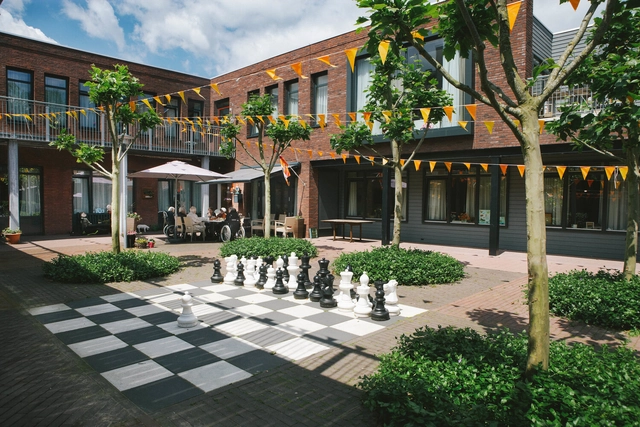
Dementia villages, or communities designed for people living with dementia, represent an innovative model of care for individuals experiencing cognitive decline, such as Alzheimer's disease. These environments are adapted and welcoming, fostering a sense of community while promoting resident autonomy and well-being.
Neuroarchitecture and dementia villages are closely linked, as both seek to create spaces that enhance the well-being and quality of life of those with dementia. Combining neuroscience with design, neuroarchitecture explores how the physical environment impacts the human brain and behavior.
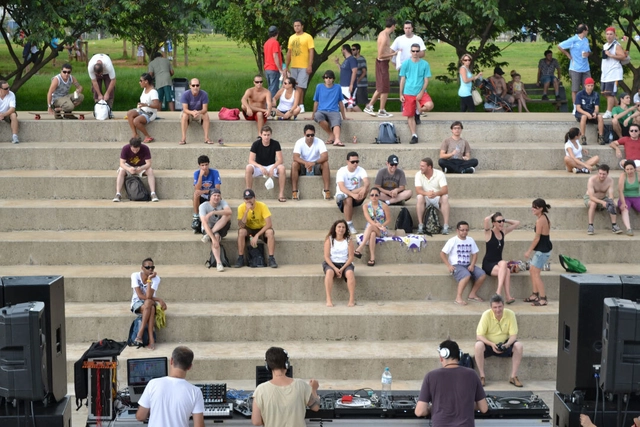
A few days ago, on a beautiful, sunny Sunday in the middle of winter, my wife and I decided to take our two young children to visit Villa-Lobos Park, in the far west of the city of São Paulo, nearly on the border with Osasco.
It is not a park we visit often nowadays, but it undoubtedly holds a special place in our personal history. She grew up in Cotia; I, in Osasco. Both cities lie in the western part of the São Paulo Metropolitan Area, and the park was perhaps the main public space relatively close to our homes during our childhood and youth. We even have photos from when we first started dating in 2013, capturing idle moments—sometimes stretched out on a broad green lawn, other times embracing under a blossoming tree.
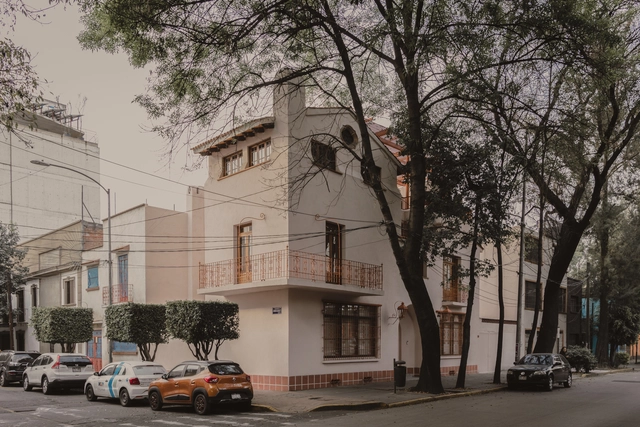
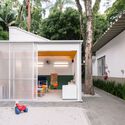
A new space has opened its doors in a 1930s house in the San Miguel Chapultepec neighborhood of Mexico City. This cultural enterprise, named ARCO, merges art, design, and architecture to create a collaborative venue housing the architecture firm WORC and the furniture-focused design studio VETA.
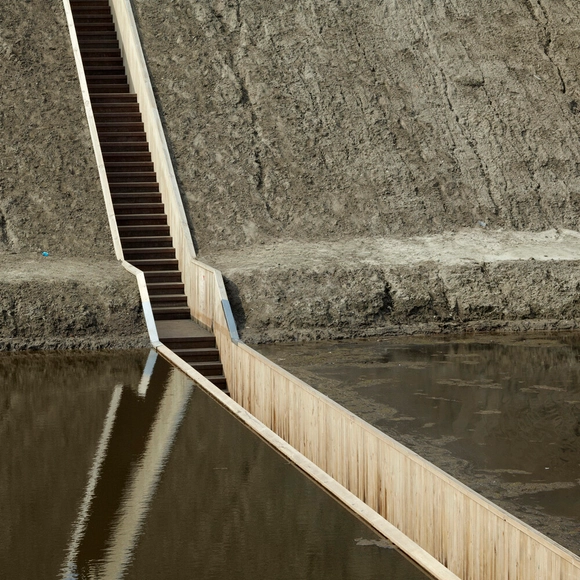
It is increasingly common to observe how current generations, characterized by greater respect and awareness of the environment, seek new ways to interact with nature while assuming a deep responsibility to protect it. Accordingly, the future of architecture is closely tied to the ability to balance these desires and obligations, particularly in the design of natural public spaces.
By integrating subtle paths and walkways, public space design can open up access for people of all ages and abilities. Combined with a natural material palette, architects and designers can create spaces that complement their surroundings. Yet, however beautiful these natural areas may be, making them safe and suitable for visitors can have detrimental effects on the environment. Consequently, design and material selection must be approached mindfully and with care.
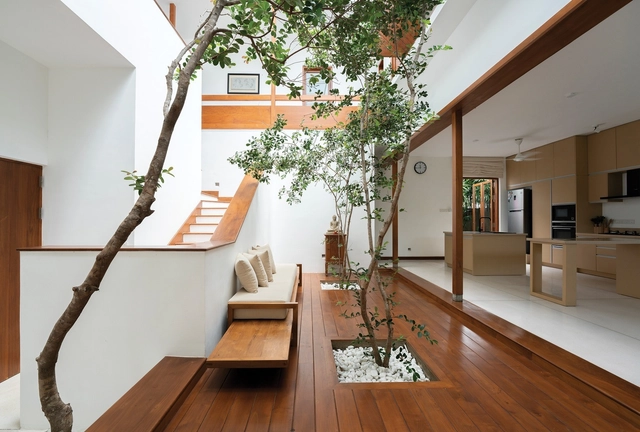
Residential architecture plays a vital role in people's lives, influencing their quality of life and well-being. To design environments that are truly tailored to the biopsychosocial needs of each user, it is essential to incorporate the principles of neuroscience applied to architecture. In this regard, Rudolf Steiner's Seven-Year Cycles theory offers a valuable conceptual framework for understanding the different phases of life and their implications for home design. This article addresses the stages of the architectural project, from briefing to execution, highlighting the relevance of cognitive and behavioral neuroscience concepts—such as priming, framing, nudging, wayfinding, salutogenic design, and biophilic design—in light of the Seven-Year Cycles theory.