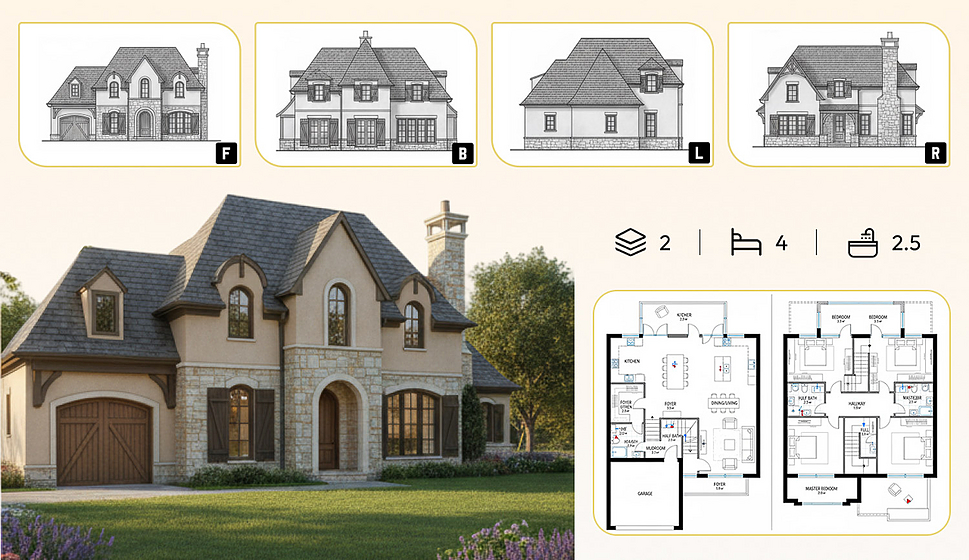
This guide covers a workflow that moves from project parameters to generated floor plans, 3D perspective views, exterior design exploration, and site context visualization, using AI tools in place of preliminary CAD and rendering work.
This guide covers a workflow that moves from project parameters to generated floor plans, 3D perspective views, exterior design exploration, and site context visualization, using AI tools in place of preliminary CAD and rendering work.
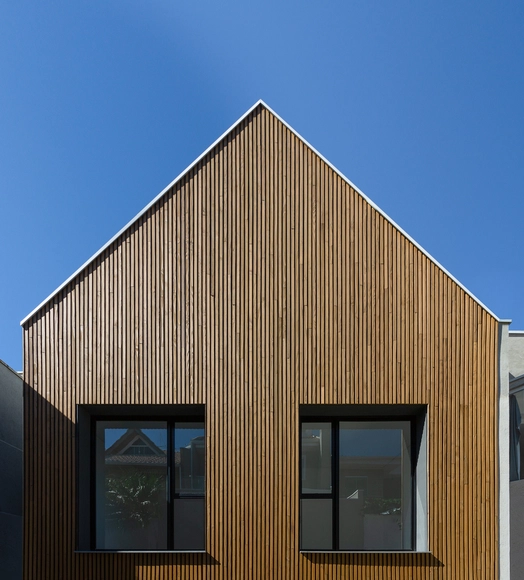
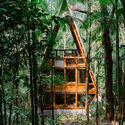
Wood is an incredibly common material in the construction industry, utilized across various stages and for multiple purposes. Below, we explore its potential to shape residential facades through 17 examples of Brazilian houses.
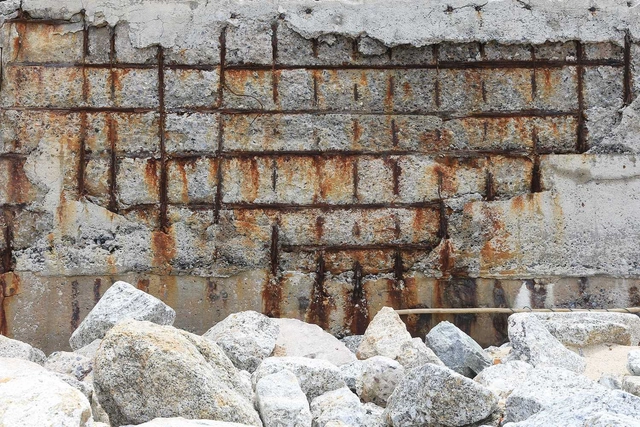
Reinforced concrete is the most widely used building material in the world. In Brazil, the nation's greatest architectural icon, Oscar Niemeyer, was passionate about the material, claiming it was the only one capable of giving shape to his sinuous curves.
Builders love concrete, making it the most widely used construction material in the world–but the production of the cement used in most concrete accounts for 8% of global greenhouse gas emissions.
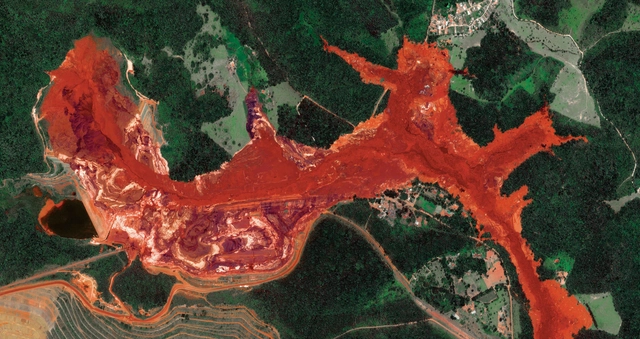
Summer in the Southern Hemisphere, particularly in the region between the tropics and the Equator, is marked by high humidity, heavy rainfall, and high temperatures. Alongside these summer storms, Brazil also contends with a series of severe events such as flooding, landslides, and dam failures. Over the years, the concentration of these events between November and March has become increasingly common. Their occurrence is directly linked to seasonal summer rains, but also to the country's ongoing economic activities.
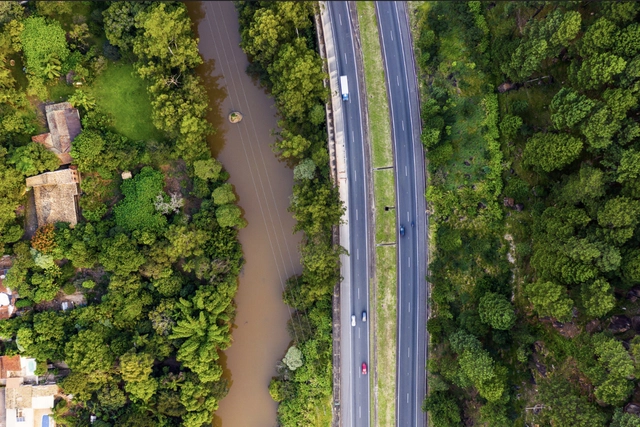
Will 2022 place Brazil on the path toward the economic transition needed to meet climate goals and keep the long-term target of net-zero emissions by 2050 viable? There is still a window of opportunity for the world to limit warming to 1.5°C, but countries' lack of ambition so far has made this scenario increasingly costly to achieve. Each passing year adds urgency, and science has made it clear that decisions made this decade will define the planet's climate balance.
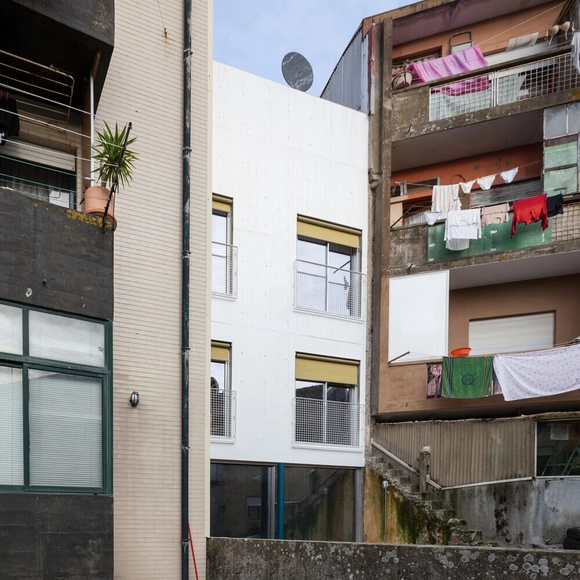
Facades are the calling card of any building, shaping visitors' first impressions of the space they are entering. They are also the part of a building most exposed to the elements and street pollution, requiring periodic maintenance. This article offers practical tips to guide you when renovating the front of your home.
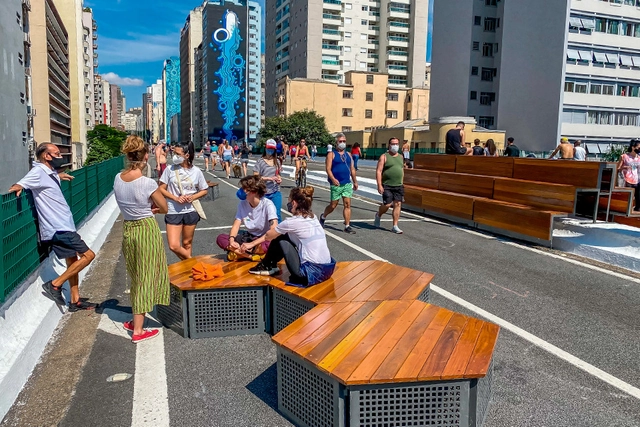
Departing from the 20th-century logic that shaped most cities, deprioritizing cars in urban development and reducing their designated street space does not worsen congestion. On the contrary, reclaiming road space by reducing vehicle lanes prompts a shift in transit habits. People increasingly opt for sustainable alternatives—such as walking, cycling, or public transit—which significantly reduces the volume of private vehicles.
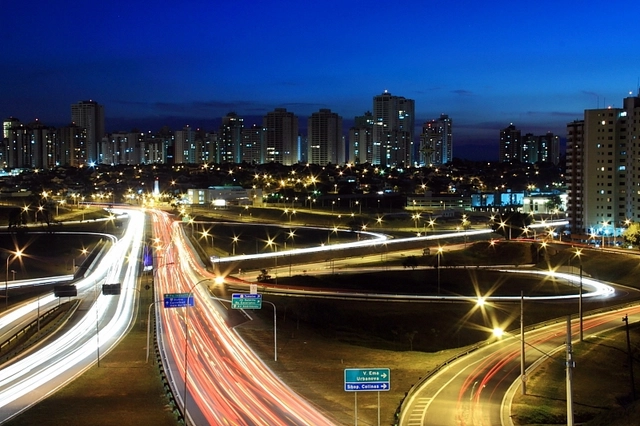
This article begins with the premise that cities are not neutral spaces. Territories, much like architecture, urbanism, literature, culture, and politics, are conditioned by the values of a given society at a specific point in time. Consequently, the configuration of these spaces is shaped by societal values—in this case, those of a patriarchal, racist, and capitalist society. As a result, this lack of neutrality in the production of urban space leads to different ways in which cities are used and experienced by their inhabitants. These unique experiences, in turn, are deeply intertwined with issues of social class, race, and gender.
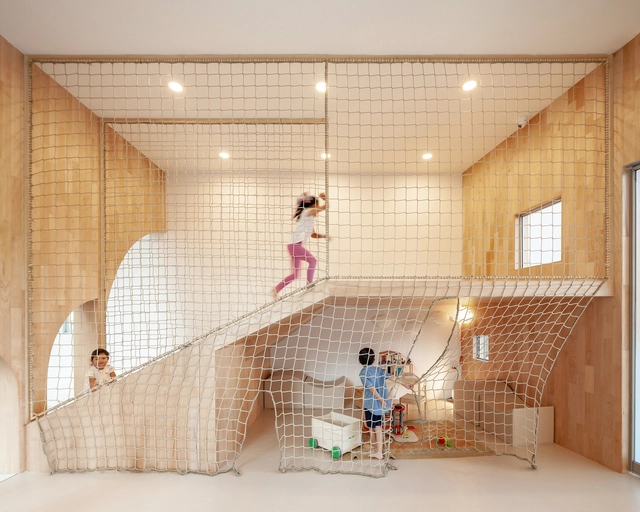
Whether or not they grow up to be architects, the fundamental skills that drive design and architecture can offer immense benefits to our children. The way children grow up to think, behave, solve problems, and create can be immeasurably enhanced by teaching them to think like architects from an early age.

We are living through a period of demographic transition—a shift we are all well aware of. The growth of the population over 60 has been exponential; however, it is not just this demographic increase that must be considered, but also the changing profile of this generation. After all, older adults are not what they used to be.

"I’m an architect... now what do I do?" is likely one of the most common questions asked by any recent architecture graduate. Over the years, many will find jobs in different industries that do not necessarily involve working in an office designing and constructing buildings.
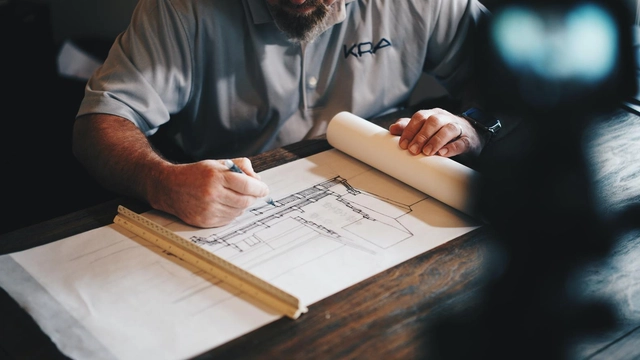
An architectural project goes far beyond final plans, stunning renderings, or physical models. It progresses through several phases that generate a comprehensive set of documents—including technical drawings, written reports, and various other forms of representation—covering everything from conceptualization to construction. More than just a methodology, these stages are governed by standards, with NBR 13532 (Preparation of Building Projects - Architecture) serving as the foundation for the necessary conditions of architectural design development.
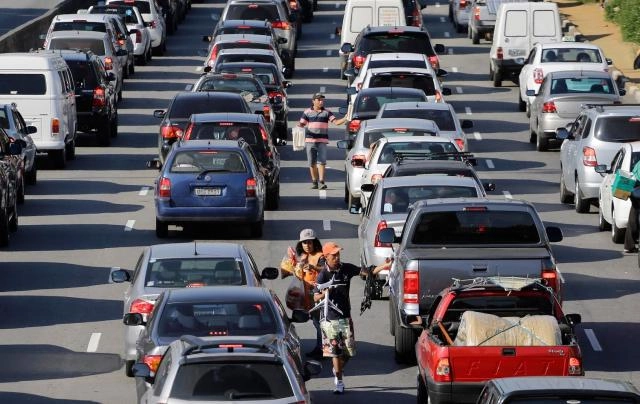
For decades, cars have been associated with a promise of convenience, autonomy, and comfort. Individually, this may well be true. However, prioritizing the automobile in city design makes urban mobility inefficient and fuels inequality by depriving a large portion of the population of access to opportunities. Using a car is an individual choice that imposes heavy collective costs. Charging for the social costs of this choice is a promising way to discourage it while simultaneously generating funding for sustainable mobility.
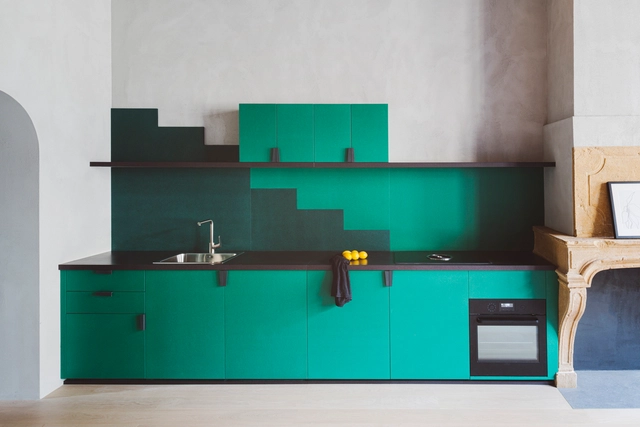
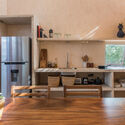
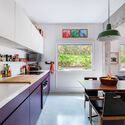
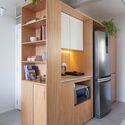
Renovations can often be a major headache. To avoid this, thorough planning and investing time in a comprehensive project are essential to ensure that every stage is executed on time and, most importantly, within budget. With this in mind, here are some tips and key elements to consider before embarking on a basic kitchen renovation.


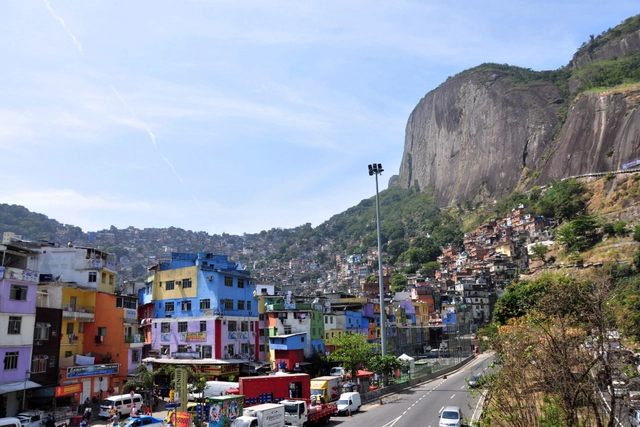
The future of urban planning may lie in Brazil's second-largest city: Rio de Janeiro. But it is not along the glittering waterfront of Ipanema, overlooked because it houses some of the most expensive real estate in Latin America. Nor is it in the city center, renovated for the 2016 Olympics and now the focus of a major urban revitalization plan. To glimpse the future of cities, one must pass by the Rodrigo de Freitas Lagoon to the Jardim Botânico neighborhood and then look up at the hills, where the immense neighborhood of Rocinha is perilously perched on the slopes.

Something is deeply wrong when the most beautiful streets in Brazil would be forbidden from being built today. Indeed, the vast majority of Brazilian master plans prohibit any of us from building houses and buildings with the very characteristics that led these streets to be voted the most beautiful in the country.

The Covid-19 pandemic hit public transit hard. Initially, global ridership dropped by up to 80%, and by the end of 2020, public transit was still operating with only about 20% of its pre-pandemic passenger volume. The concern is that, if public transit does not recover, people will increasingly opt for private vehicles.

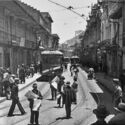
São Paulo's downtown area clearly displays the contradictions of our cities. On one hand, vacant properties sit idle in areas well-served by urban infrastructure; on the other, the number of people experiencing homelessness is growing, sheltered in tents and precarious, makeshift structures.
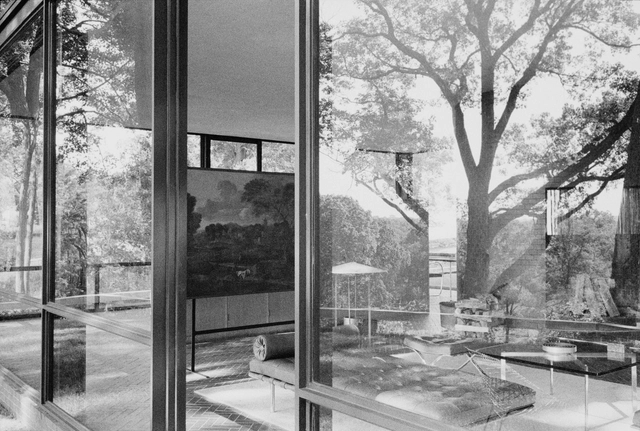
The Glass House, located on Ponus Ridge Road in New Canaan, Connecticut, was designed and built in the late 1940s as the home of its architect, Philip Johnson. Considered an icon of modern architecture, the house explores the boundaries between interior and exterior. One year after its completion, its mimesis, the Brick House, was built 25 meters in front of it, sharing the same length but only half the depth of the glass house.
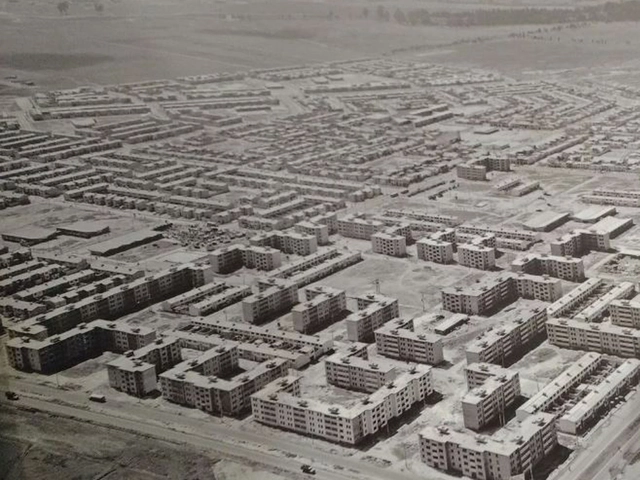
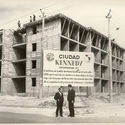
Across a 350-hectare site, 24 superblocks organize the ten thousand housing units of the Ciudad Kennedy complex in Bogotá. Built between 1961 and 1963, its construction embodies an urban vision embedded in a social, political, and ideological framework that specifically involved Colombia, yet was shared to some extent across Latin America during the Cold War.
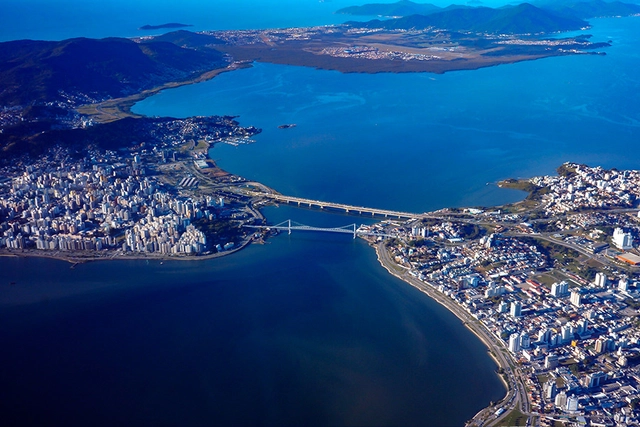
If Zininho—author of the anthem of Santa Catarina’s capital—had turned his songwriting to Florianópolis's urban planning, he would certainly have reached the same conclusion: never has a poet had so much to sing about.
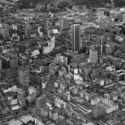
And with good reason: urban irregularity in Florianópolis is so widespread that reliable data on the subject only recently came to light. The city's own Director of Urban Planning estimated irregular occupations at 40% to 45% of the total. Only with the proposed Master Plan revision in late December 2021 did we learn that irregularity varies from 5.21% in the continental mainland to 81.84% in the Rio Vermelho district. Six of the thirteen districts have over 40% of their urban footprint in informal settlements, and only four remain under 20%.
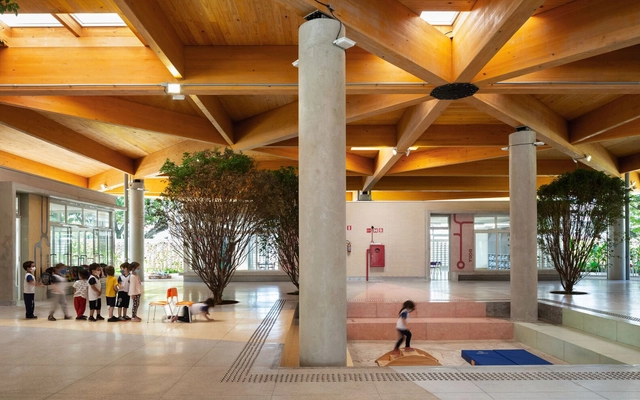
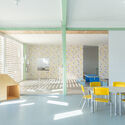
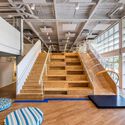
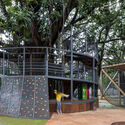
National School Day was celebrated yesterday, March 15, an important date to remember and value the role of educational institutions. Spaces that foster new perspectives, knowledge, exchanges, interaction, and play must be designed to rise to the challenge. While we have previously highlighted fifteen projects designed by Brazilian architects, today we take the opportunity to showcase some of the solutions and techniques adopted in recent years when approaching this program.
![Grupo ] [ Fresta designs infrastructure and community facilities for 12 Guarani and Tupi villages in São Paulo - Featured Image](https://snoopy.archdaily.com/images/archdaily/media/images/6232/016c/0ad4/6c01/66a1/6ed1/slideshow/mod-itaocagurarani-casadecultura-1.jpg?1647444343&format=webp&width=640&height=580)
Working at the intersection of architectural and social projects, Grupo ][ Fresta was one of the practices recognized by the 2021 IAB Awards in the Urbanism, Planning, and Cities category. The highlighted project proposes a set of infrastructure alongside cultural and community facilities across 12 Guarani and Tupi villages, spread over 24,000 hectares of land south of the country's largest city.
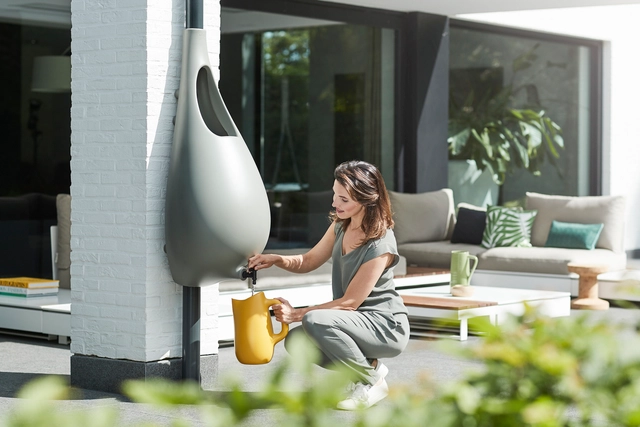
Today is World Water Day, established in 1992 by the United Nations (UN) to broaden discussions surrounding this resource. As drinking water becomes increasingly valuable, we present three architectural design alternatives to save and make better use of water in your home.

Streets are the foundational public spaces of cities and the ultimate hubs of convergence. Where streets meet, plazas, squares, and parks emerge. Everything flows through our streets, and their quality determines people's access to employment, education, healthcare, and leisure. Yet a brief look at major Brazilian cities reveals a clear prioritization of motorized vehicles over other modes of transport. In São Paulo, for instance, 41% of sidewalks do not meet the minimum width required by law.




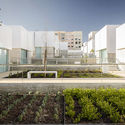





![Grupo ] [ Fresta designs infrastructure and community facilities for 12 Guarani and Tupi villages in São Paulo - Imagem 1 de 4](https://images.adsttc.com/media/images/6231/fbe0/0ad4/6c01/66a1/6ec0/thumb_jpg/arq-titp-ep-riobranco-cozinha-centro-externa-final-2.jpg?1647442939 "Cozinha na aldeia de Rio Branco. Image Cortesia de Grupo ][ Fresta")
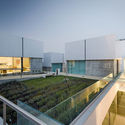
![Grupo ] [ Fresta designs infrastructure and community facilities for 12 Guarani and Tupi villages in São Paulo - Imagem 2 de 4](https://images.adsttc.com/media/images/6231/fbe8/e457/ed01/6b47/39d3/thumb_jpg/arq-titp-ep-itatupi-centrocultura-externa-final-2.jpg?1647442945 "Centro cultural na aldeia de Itatupi . Image Cortesia de Grupo ][ Fresta")
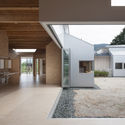
![Grupo ] [ Fresta designs infrastructure and community facilities for 12 Guarani and Tupi villages in São Paulo - Imagem 3 de 4](https://images.adsttc.com/media/images/6231/fbf3/0ad4/6c01/66a1/6ecb/thumb_jpg/mod-tenonde-casadecultura-externa-final-1.jpg?1647442976 "Casa de cultura na aldeia Tenondé Por. Image Cortesia de Grupo ][ Fresta")
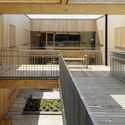
![Grupo ] [ Fresta designs infrastructure and community facilities for 12 Guarani and Tupi villages in São Paulo - Imagem 4 de 4](https://images.adsttc.com/media/images/6231/fbeb/0ad4/6c01/66a1/6ec5/thumb_jpg/mod-aguapeu-externa-final.jpg?1647442947 "Equipamento na aldeia de Aguapeu . Image Cortesia de Grupo ][ Fresta")
![Grupo ] [ Fresta designs infrastructure and community facilities for 12 Guarani and Tupi villages in São Paulo - More Images](https://images.adsttc.com/media/images/6232/016c/0ad4/6c01/66a1/6ed1/newsletter/mod-itaocagurarani-casadecultura-1.jpg?1647444343)