Cortesía de Alejandro Merino Guerrero, Gianella S. Díaz Castañeda
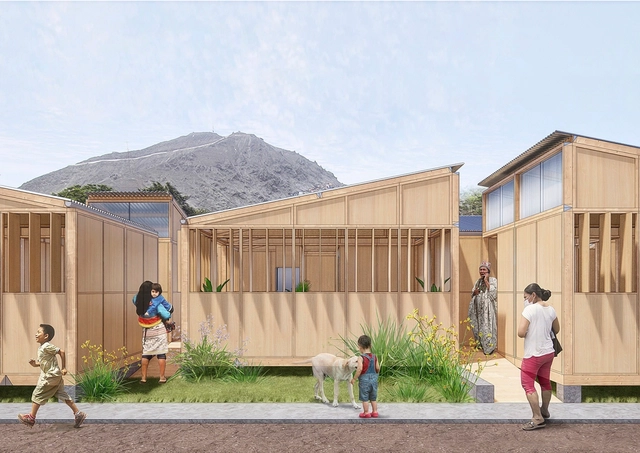
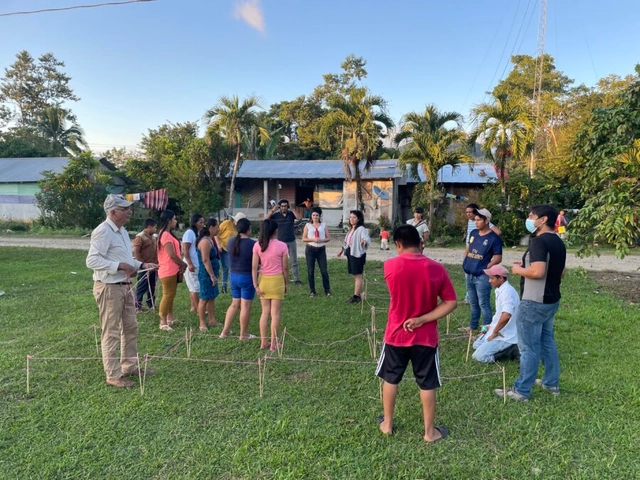
Within the framework of the project "Inclusive Preparation, Effective Response: Strengthening community preparedness and protection systems through an inclusive and gender-sensitive approach in the communities of the Cantagallo area in Lima," developed by the consortium of Plan International, COOPI - Cooperazione Internazionale, and Humanity Inclusion, the studio Arquitectura del Medio, led by Alejandro Merino and Gianella Díaz, seeks to implement a demonstration project in the Shipibo-Konibo Community of Cantagallo in the district of Rímac, Lima, taking environmental considerations and replicability into account.
https://www.archdaily.com/1131842/conibox-emergency-housing-module-for-the-shipibo-konibo-community-in-limaDiego Vivas
"Domingos Libro" is presented by Carmelo of Enorme Studio, delving into forgotten architectural publications, books, and architecture magazines from the '60s, '70s, and '80s that harbor the most fascinating backstories.
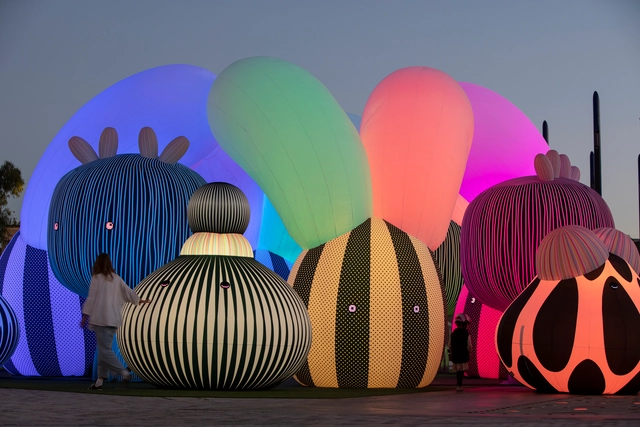
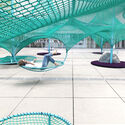
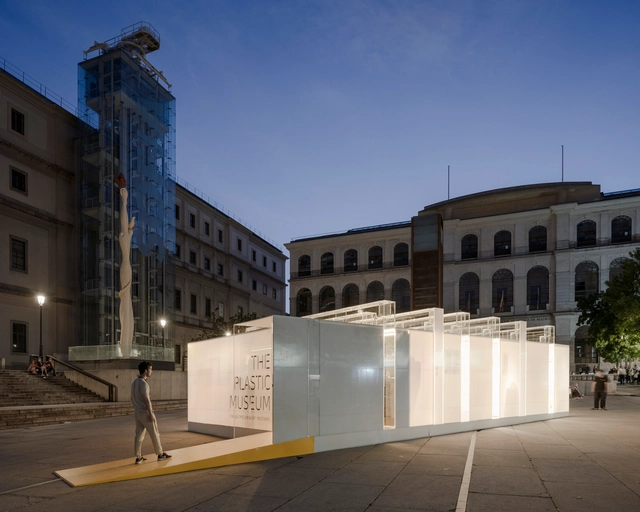
Architecture is a broad field offering diverse opportunities for practice. Increasingly, young architects are striving to carve out new paths and explore alternative professional domains. Ephemeral architecture, with its experimental and artistic nature, plays a significant role in this pursuit, prompting practitioners to observe and discuss urban, social, landscape, and environmental issues. Here, we present examples of temporary installations that highlight these concerns and transform their surroundings.
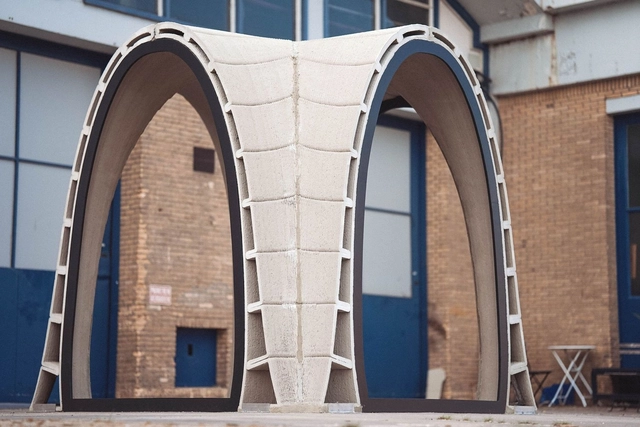
Browsing ArchDaily's 3D printing tag reveals the incredible progress this technology has made over recent years. While once considered a distant, futuristic concept or a tool limited to small-scale objects, 3D printing has matured to produce increasingly complex spaces and even fully printed buildings. More recently, researchers have been experimenting with concrete and other construction materials, though developing a highly efficient 3D printing technology viable for widespread adoption remains a challenge. The 3D-printed pavilion by Huizenprinters serves as a compelling case study.
Following nearly 50 years of rapid urbanization, urban renewal has transitioned from an era of incremental growth to one of existing stock. Urban planning has shifted from expansion toward the high-quality renovation of existing assets to reactivate spaces. Looking back at recent adaptive reuse projects by Pritzker Prize laureates, we examine how these masters respond to today's challenges of urban stock renewal.
Gleba A. Photo by: Azul Serra. Collection of the Vigliecca office, edited by ArchDaily
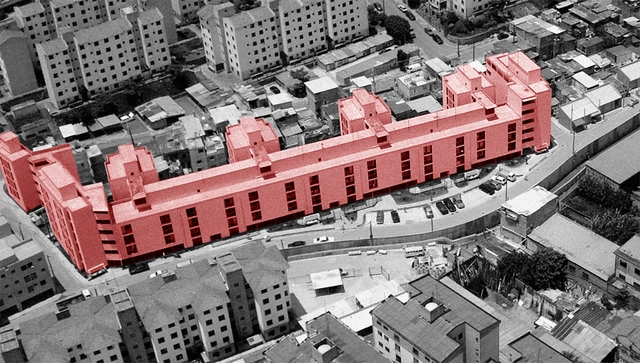
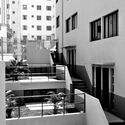
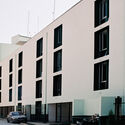
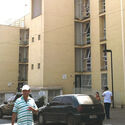
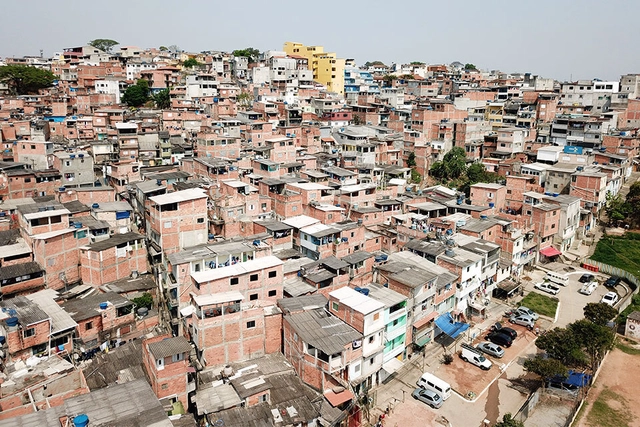
The layout of the Heliópolis neighborhood is the result of a history of informal settlements and complex urbanization. Over the last few decades, public authorities have taken varied approaches to the area, yet they have been unable to overcome the territory's informal nature, particularly regarding the complete, coordinated implementation of urban infrastructure. It was to address this context that the firm Vigliecca & Associados was invited to design the housing complexes for Glebas A and H, developed in 2004 and 2013, respectively.
https://www.archdaily.com/1131856/urbanization-of-heliopolis-the-challenges-of-intervention-in-the-informal-cityAlexandre Kok, Caio França, Gabriela Rudge, Lara Girardi, Lia Soares, Maria Clara Calixto, Marina Liesegang, Marina Saboya, Pedro Trama, Tamara Silberfeld e Valentina Kacelnik
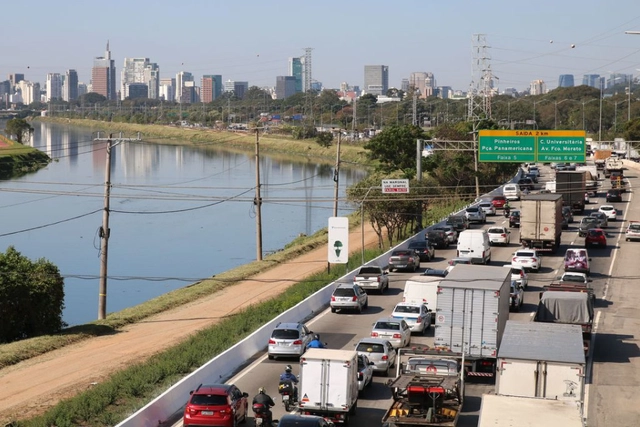
In the early twentieth century, artist Luigi Russolo presented his work “Dinamismo di une Automobile” (Dynamism of an Automobile), which depicted the power and force of automotive speed. Russolo was an enthusiast of the future and a leading voice of Futurism, an artistic avant-garde that celebrated technological development and innovation.
https://www.archdaily.com/1131875/reducing-vehicle-speeds-can-improve-trafficRuan Victor Amaral
Bringing together citizens' aspirations and providing a technical response, this new model for Santander in northern Spain, projected toward the year 2055, was drafted by the architecture and planning offices Landlab and Paisaje Transversal after winning the 2021 ideas competition for the project.
Below, the authors present this new model in detail, grounded in regenerative urbanism and built on inclusion, connectivity, prosperity, and resilience.
It is common to find the concept of Created Land (Solo Criado) in Master Plans (PD) and Land Subdivision, Use, and Occupation Laws (LPUOS). This concept enables the implementation of certain urban planning instruments, such as the Onerous Grant of the Right to Build (OODC) and the Transfer of Development Rights (TDR). But what exactly is Created Land?
https://www.archdaily.com/1132058/what-is-created-soil-concepts-and-examples-in-the-cityAdriano Costa
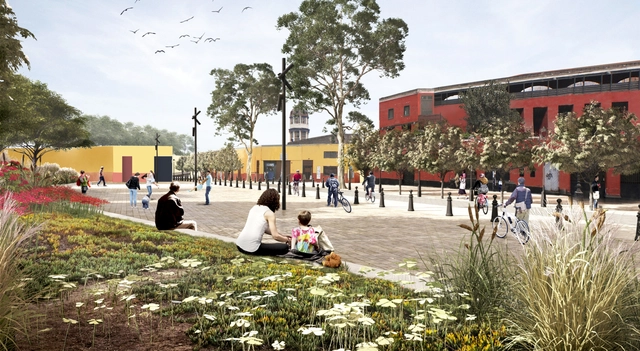
Vista de parterres inclinados y mobiliario urbano propuesto para la Plazuela de Acho, como antesala a la Plaza de Toros de Acho. Image Cortesía de Equipo Río Rímac, PROLIMA
Within the context of the comprehensive recovery of the Historic Center of Lima, the Rímac River Special Landscape Project (PEPRR) is developing a proposal for the regeneration of the iconic Alameda and Plazuela de Acho. This project—together with the other 50 interventions proposed in the PEPRR master plan—aims to spark a multidimensional recovery of the riverfront and heritage environment, while simultaneously defending and strengthening the civic qualities of Lima's public spaces through a systemic approach that coordinates mobility, the urban environment, heritage, and landscape.
https://www.archdaily.com/1132068/new-alameda-and-plazuela-de-acho-in-lima-other-futures-for-the-historic-landscape-of-rimacDiego Vivas
Brazil has steadily advanced the implementation of public-private partnership initiatives. The Radar PPP platform currently monitors more than 3,400 PPP and concession projects across various sectors, compared to just 625 in 2015. While public-private partnerships typically bring to mind PPP and concession contracts for public services, they are not limited to these models. A prime example is the Business Improvement District, or simply BID.
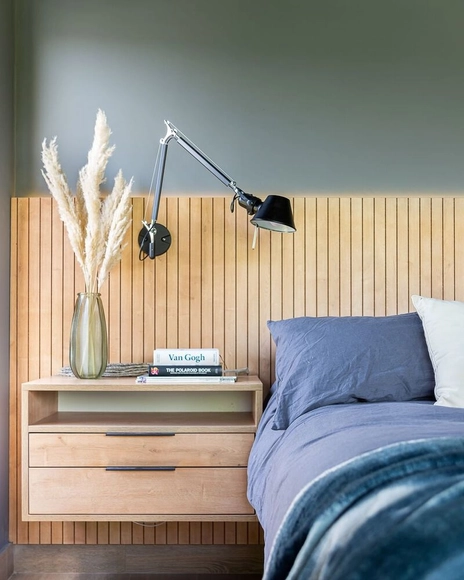
Tablero Vesto Roble Rústico con técnica de ranurado, conseguida mediante router. Posteriormente se maquillan las ranuras para disimular el sustrato MDP del tablero. Diseño de Vardeco. Image Cortesía de Arauco
There are various ways to accentuate and breathe life into a space, from adding furniture or a decorative piece to painting a wall a bold color. Yet, when it comes to elevating an interior simply, quickly, and with added texture, depth, and warmth, a grooved wood-look finish emerges as a compelling, cutting-edge solution. Indeed, it has established itself as a major trend in contemporary furniture and interior wall design, even taking center stage at the renowned Salone del Mobile Milano 2022.
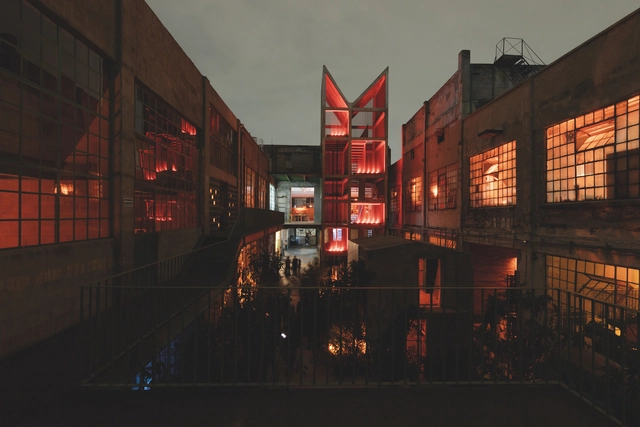
On September 23, LIGA celebrated 10 years of supporting and empowering young Latin American architects with a dinner held at its main space in Mexico City. LIGA is housed within a former textile factory (La Laguna) that originally opened in the first decade of the 19th century. Now transformed into a collaborative multi-use space designed by the architecture firm PRODUCTORA, the venue hosts independent Mexican initiatives ranging from a coffee shop and an architecture studio to a ceramics workshop.
https://www.archdaily.com/1131921/sombra-creates-a-light-installation-to-celebrate-10-years-of-liga-in-mexico-cityArchDaily Team
While the construction industry has been advancing for years in emerging fields like nanotechnology and 3D printing, it remains one of the most lagging in terms of technology adoption. Many innovations never progress past the experimental stage, and while there is a constant push to reverse this trend, we are simultaneously faced with a troubling fact: the construction industry is one of the world's largest producers of pollutants and waste.
The Mayor of Paris, Anne Hidalgo, has championed her plan to transform Paris into a "15-minute city." Photo by Pascal Weiland via Unsplash
History shows that when struck by crises and disasters, cities generally recover and emerge stronger and more resilient than before. The Great Chicago Fire famously gave rise to skyscrapers. Contagious disease outbreaks contributed to public health policies and modern sanitation practices. The devastation of World War II catalyzed unprecedented investments in housing and infrastructure.
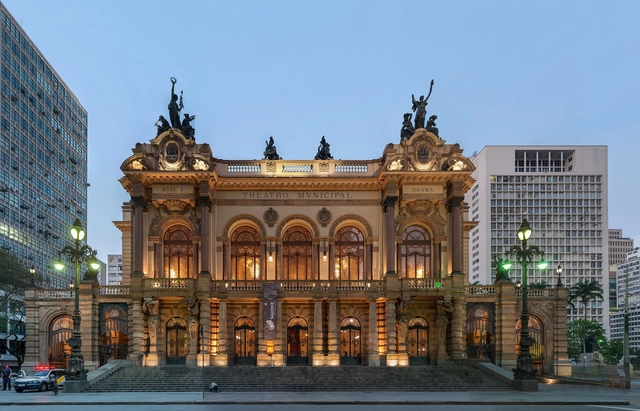
Theatro Municipal de São Paulo. Photo: By Wilfredor, CC0, via Wikimedia Commons
The centennial celebrations of the Modern Art Week have already begun. Over the past week, articles and press coverage on the subject have filled various media outlets. After all, one hundred years ago, a group of artists gathered in pursuit of an art that looked to the future and stood against the past, proposing a new way of exploring Brazilian identity in music, poetry, painting, and dance. To understand how the event shaped new directions in Brazilian culture and remains relevant today, we have compiled a guide to several spaces that celebrate the Week of '22!
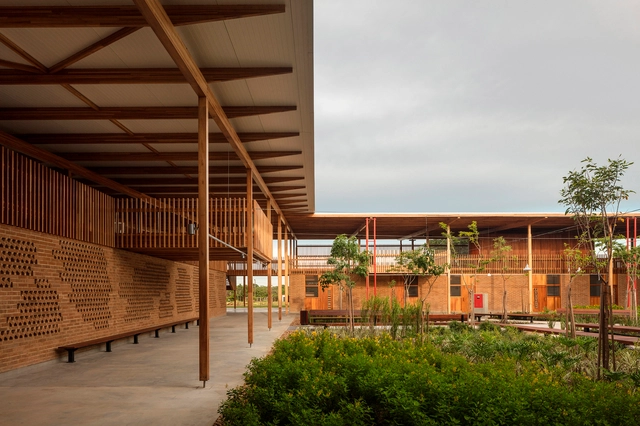
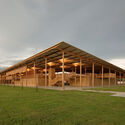
The award-winning Children Village project in Canuanã was developed by architecture firms Aleph Zero and Rosenbaum between 2016 and 2017. Located at a rural school that has been operating for nearly 40 years in Formoso do Araguaia, Tocantins, the complex serves approximately 842 boarding students. The architects were commissioned to redesign the accommodation—which consists of two identical villages, one for girls and one for boys, each designed for 270 students—and to devise an architectural solution to reorganize the students' living spaces within the school grounds.
https://www.archdaily.com/1132055/childrens-dwellings-in-canuana-an-encounter-between-vernacular-architecture-and-industrial-technologiesAlexandre Kok, Caio França, Gabriela Rudge, Lara Girardi, Lia Soares, Maria Clara Calixto, Marina Liesegang, Marina Saboya, Pedro Trama, Tamara Silberfeld e Valentina Kacelnik
Imagem: Jessely Cardoso/Prefeitura de São Paulo. Image Cortesia de Caos Planejado
As one of the most prominent economic topics on the agenda in several countries before the onset of the coronavirus pandemic in early 2020, legislation restricting the supply of new real estate in municipalities has negative impacts on both local growth and the population, whose options for housing, job access, and mobility are severely affected. Adopted by most Brazilian cities, zoning regulations—which establish criteria for land use, the size of developments that can be built in specific locations, and environmental preservation zones—also drive up property prices, as housing supply fails to keep pace with demand.
https://www.archdaily.com/1132042/zoning-restrictions-push-the-population-to-peripheral-areasSomos Cidade
The FIFA World Cup is one of the world's largest events, bringing together fans of all nationalities. Having previously been hosted across various continents, this year's tournament will take place in Qatar, a country on the Arabian Peninsula with a population of about 2.7 million people, the majority of whom are Muslim. Alongside the host nation, 31 other countries will compete for the title of world champion.
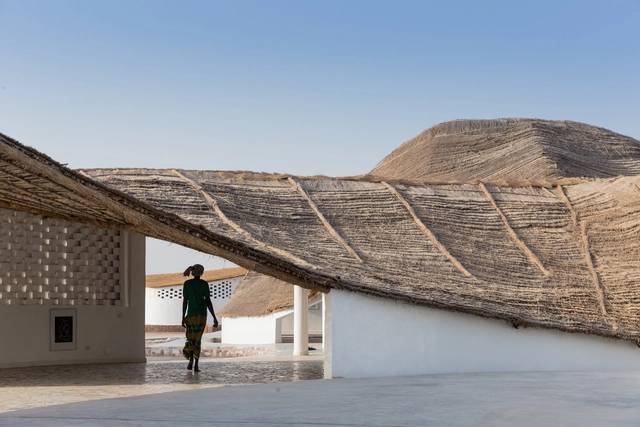
Beyond its status as a sporting event, the World Cup is also an opportunity to observe, learn about, and experience other cultures—especially for the host country. Divided into eight different groups, the first to play, from Groups A and B, will be Qatar, Ecuador, England, Iran, Senegal, the Netherlands, the United States, and Wales. Below, explore some examples of architecture from these countries.
A few days ago, I had the opportunity to speak with Emilio Hernández from the Centro de Imaginación Oaxaca, one of the participants inCocina CoLaboratorio. Our conversation touched upon topics such as collective participation, the social management of habitat, altruism, racism, and many other social issues. During our chat, we addressed the nuances, highlights, and shadows surrounding welfare dependency and “aid” to communities, as well as how counterproductive and violent it can be to act from a position of privilege and top-down hierarchy.
https://www.archdaily.com/1132044/cocina-colaboratorio-social-habitat-management-in-chiapasValeria Rubio García
Founded in 2013 in São Paulo, this young transdisciplinary practice focuses on architecture, urbanism, and fine arts. Influenced by visual arts, music, theater, and everyday urban life, the firm translates these lived experiences into projects across diverse scales, briefs, and contexts.
Named after a term with multiple meanings in Portuguese—in architecture, *vão* represents the void or span between structural elements, a space to be occupied and activated by social, political, artistic, and various other interactions—the firm was founded by Anna Juni, Enk te Winkel, and Gustavo Delonero. Throughout its nearly ten-year history, it has maintained a small team, alongside occasional collaborations with friends and colleagues on specific projects.
In collaboration with the publisher gestalten, we have recently published our first book: The ArchDaily Guide to Good Architecture. This milestone was an opportunity to look back at the more than 40,000 projects curated over the last 15 years, drawing out their contributions to answer an ambitious question: What is good architecture?
We wanted you—our dear readers—to also confront this question through an open call for opinions. After reading through a vast number of responses from construction professionals, students, and architecture enthusiasts alike, it was surprising to find a widespread consensus: above all, good architecture does not forget why and for whom it exists. Read some of the key responses below.
I remember clearly when I began to question the types of images and architecture we consumed and debated at university, contrasting them with the actual built environment of the city I live in (CDMX). This is a type of architecture that seeks to delineate certain biased, curated aesthetic principles, disseminated through academia, digital platforms, magazines, books, and real estate developers, among others.
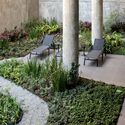
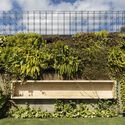
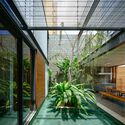
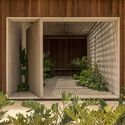
Considering focal points, biomes, and resting spaces, creating rhythm alongside architecture, and facilitating the maintenance and enjoyment of spaces are just some of the challenges of landscape design. Today, rather than serving merely as an element of spatial composition, the relationship between landscape architecture and the built environment is increasingly valued as we understand how the presence of nature benefits the health and comfort of humans and other species. Consequently, thinking about and designing the landscape has become an increasingly complex and valued endeavor.