This guide shows how to use a D5 Render a free live-sync plugin to improve SketchUp workflow.
Articles
How to improve rendering workflow on SketchUp
| Sponsored Content
https://www.archdaily.comhttps://www.archdaily.com/catalog/us/products/32369/how-to-improve-rendering-workflow-on-sketchup-d5-render
Public Buffer Spaces: What Is the Future of Coastal Edges in Chile?
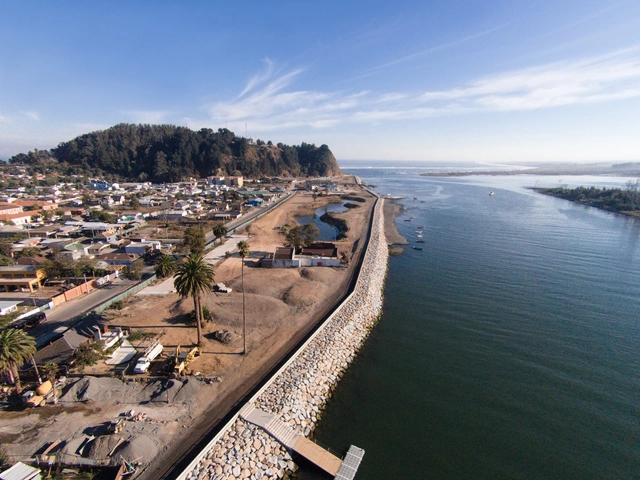
Earthquakes, tsunamis, mudslides, and wildfires are just some of the natural disasters that Chile has experienced throughout its history. Every November 5, the UN-declared World Tsunami Awareness Day is observed to promote a global culture of preparedness and awareness around this issue. Following the 27F earthquake and tsunami in 2010, Chile had to maximize its efforts to improve its emergency management and construction regulations, streamline reconstruction plans, and place greater emphasis on the strategic planning of its cities, given the country's vast number of coastal urban settlements. This opened up new possibilities for waterfronts. Below, we invite you to reflect on the future of the urban image of Chile's coastlines through the example set by the city of Constitución.
https://www.archdaily.com/1132155/public-buffer-spaces-what-is-the-future-of-coastal-edges-in-chileVictoria Riquelme
Suppression of rights on the construction site: parallels between Brasília and Qatar
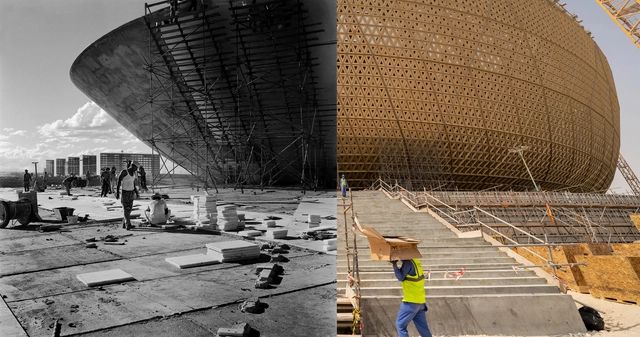
Sixty-two years separate the inauguration of Brasília and the opening of the 22nd edition of the FIFA Men's World Cup, hosted in 2022 in Qatar. Of course, it is not only their placement in time and space that differentiates these two historical occasions; we must also add the geopolitical context, the character, the actors, and the interests surrounding each. What, then, remains as a link between them? Beyond the fact that the emirate now has its own model city (Lusail)—built in the wilderness of the peninsula under the playbook of the latest urban and technological trends, echoing to some extent the avant-garde spirit of Brazil's Federal District at the time of its construction—the inextricable link between the two events lies in the construction sites that materialized the architecture hosting them.
https://www.archdaily.com/1132382/suppression-of-rights-on-the-construction-site-parallels-between-brasilia-and-qatarJoão G. Santos
Mañungo's Notebooks: A Story of 12 Rural Churches in Chiloé
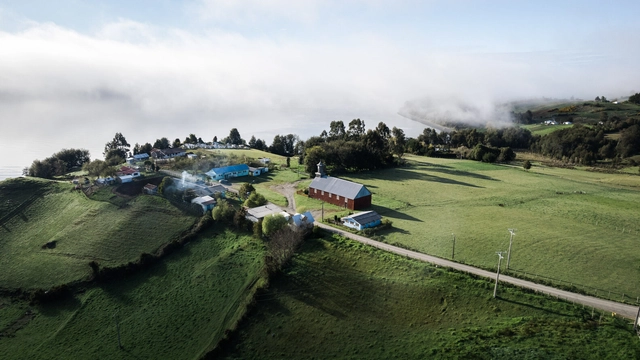
Buildings hold stories, but those who built them are the ones who tell them. Mañungo, a Chilote carpenter, narrates through his notebooks the cultural, identity-defining, and architectural history of 12 rural communities in the archipelago of Chiloé. Through ethnographic research, the study reveals the attributes and qualities of the churches belonging to these territories and their connection to the lives of their inhabitants.
https://www.archdaily.com/1132637/manungos-notebooks-a-story-of-12-rural-churches-in-chiloeVictoria Riquelme
Dismantling the Port City: The Maritime Potential in Salvador
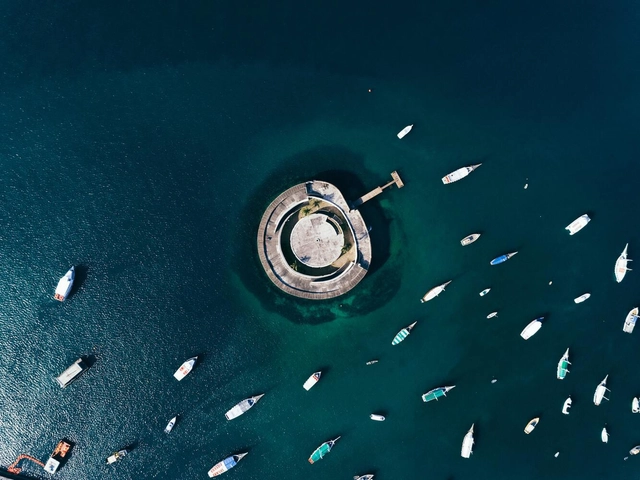
In 1972, Caetano Veloso announced in the song Triste Bahia that “the steamboat from Cachoeira no longer sails on the sea.” Indeed, ours is a generation unfamiliar with Salvador's nautical capacity, since most of us have not had the opportunity to experience the daily rhythm of a port city. A brief look at the records of photographers such as Marcel Gautherot, Pierre Verger, and Lázaro Roberto, from the 1950s to the 1970s, reveals that the daily dynamics along the waterfront were vastly different from those of today.
https://www.archdaily.com/1132019/dismantling-the-port-city-the-maritime-potential-in-salvadorJanaína Lisiak
Building ventilation can help fertilize rooftop gardens
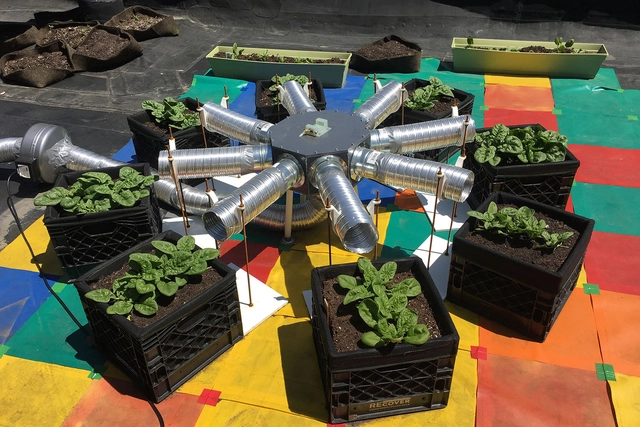
Rooftop farms and urban gardens are popular options for providing food in cities while mitigating heat islands, increasing building thermal insulation, and improving air quality. However, these plants often end up smaller and less healthy, as they suffer from higher solar radiation, wind exposure, and low soil moisture.
https://www.archdaily.com/1132440/building-ventilation-can-help-fertilize-rooftop-gardensMayra Rosa
Flooding in Brazilian cities is an urgent problem — and there is a solution.
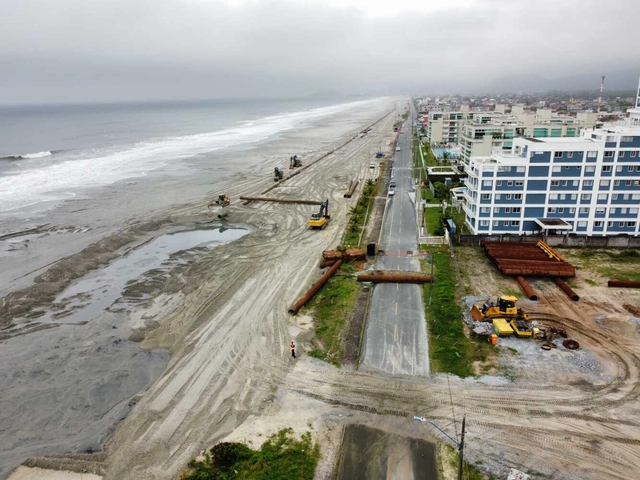
Brazil is currently the sixth country in the world most affected by climate disasters, according to the United Nations. The primary issues are waterlogging and flooding, as they bring windstorms, landslides, and flash floods. One in three disasters in Brazil falls into this category — with more than 10,000 official occurrences recorded between 1991 and 2010.
https://www.archdaily.com/1131826/flooding-in-brazilian-cities-is-an-urgent-problem-and-there-is-a-solutionMarília Matoso
The best graduation projects of 2022. Submit yours!
After at least five years of study, the time comes for Architecture and Urbanism students to present their final graduation projects—often referred to as TCC, TFG, or final thesis projects. In choosing their topics, students highlight civil, urban, or theoretical projects of great importance, sparking crucial debates about the future of our cities, the built environment, urban infrastructure, mobility, and many other essential topics shaping how we inhabit space.
https://www.archdaily.com/1132487/the-best-graduation-projects-of-2022-submit-yoursArchDaily Team
The History of Parque Augusta: Citizen Participation and Mobilization

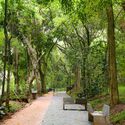
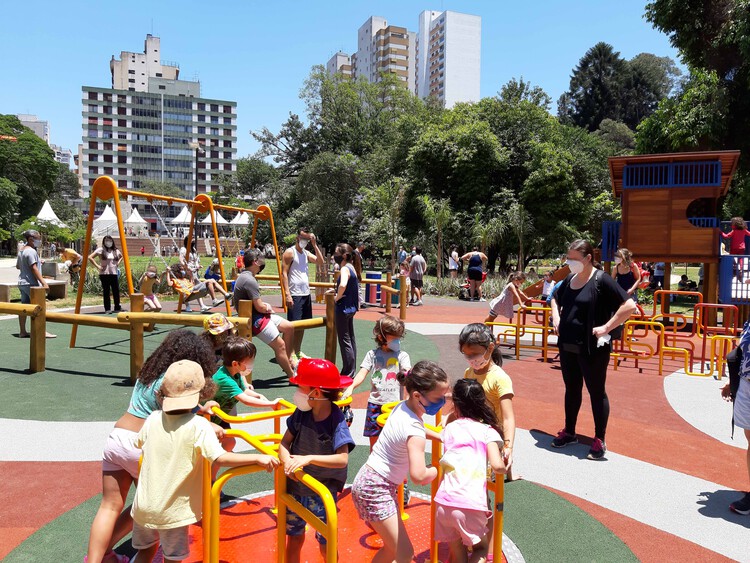
In November 2022, Augusta Park celebrated its first anniversary of reopening to the public. The park reached maximum capacity on its opening day and, today, has welcomed over 1.5 million visitors. The site went through a long journey before reaching consolidation. The nearly 50-year struggle for the park deserves to be highlighted, and public participation in its creation must be recorded and shared so it can inspire new campaigns for public spaces across the city.
https://www.archdaily.com/1132482/the-history-of-parque-augusta-citizen-participation-and-mobilizationIngrid Bisterzo, Isabella Maria Davenis Armentano, Lucas Lavecchia de Gouvea e Paula Hori
What is DALL-E and why it will transform creative projects
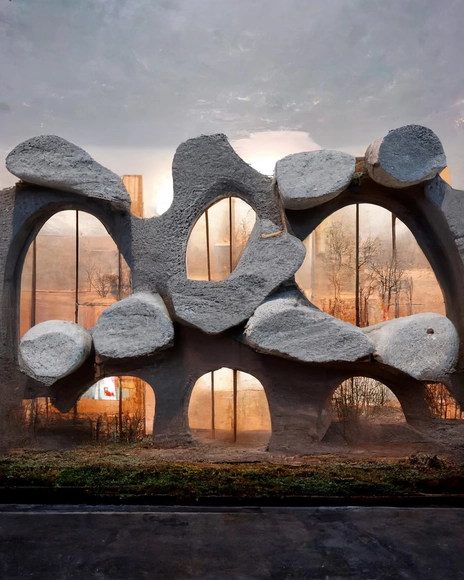
Much has been said about the power of artificial intelligence and how its rise could transform the architectural profession. This topic has already been explored in previous articles here.
The primary tool causing concern among industry experts is DALL-E, a machine learning-based software that generates images from text prompts entered by the user. Other platforms offer similar capabilities, such as Midjourney and Stable Diffusion.
https://www.archdaily.com/1132067/what-is-dall-e-and-why-it-will-transform-creative-projectsMarília Matoso
Erik López (IMGN) + Edgar Mondragón present their new audiovisual piece inspired by the University Museum of Contemporary Art
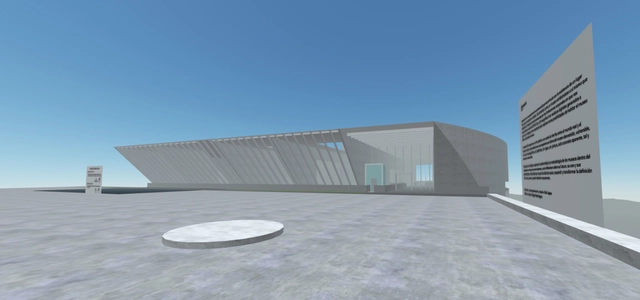
As part of their latest release, architect and visual artist Erik López (IMGN) and electronic music producer and composer Edgar Mondragón have unveiled their new piece "Santuario," which is described as "a remote experience that connects with the existence of a physical space that cannot be visited." This audiovisual piece consists of a 3D model of the Museo Universitario Arte Contemporáneo (MUAC), designed by Mexican architect Teodoro González de León for the Centro Cultural Universitario.
https://www.archdaily.com/1132117/erik-lopez-imgn-plus-edgar-mondragon-present-their-new-audiovisual-piece-inspired-by-the-university-museum-of-contemporary-artMónica Arellano
Maison Diez Company celebrates its fourth edition, transforming a warehouse in the Chapultepec neighborhood of Mexico City
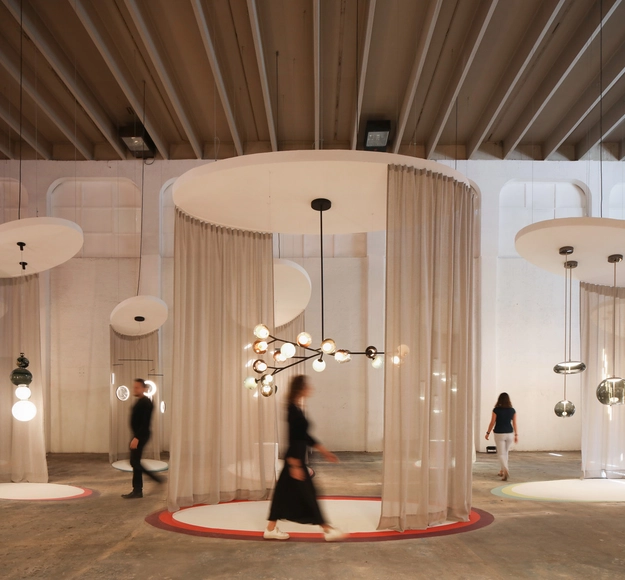
On November 10, Diez Company launched the fourth edition of Maison Diez Company to Mexican and international audiences. This space, dedicated to lighting design, brings together designers, creatives, architects, interior designers, business partners, lighting experts, and representatives of international brands to celebrate light.
https://www.archdaily.com/1131859/maison-diez-company-celebrates-its-fourth-edition-transforming-a-warehouse-in-the-chapultepec-neighborhood-of-mexico-cityMónica Arellano
Mexican Architect Agustín Hernández Navarro Dies at 98
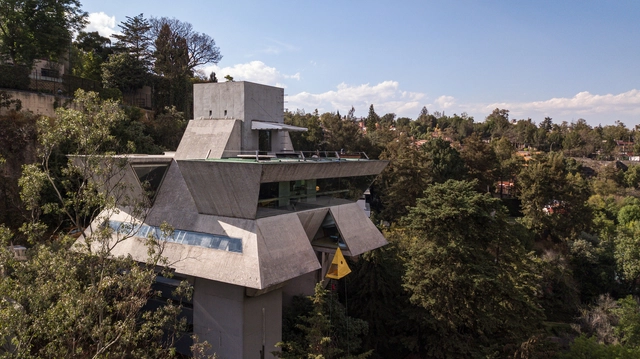
Today, November 10, the National Academy of Architecture, through a statement issued by Arch. José F. Reygadas Valdéz (President) and Arch. Antonio Gallardo E. (Secretary General), announced the passing of Mexican architect Agustín Hernández Navarro, an Emeritus Academic of the institution.
https://www.archdaily.com/1132252/mexican-architect-agustin-hernandez-navarro-dies-at-98Mónica Arellano
What Are Zero-Emission Zones?
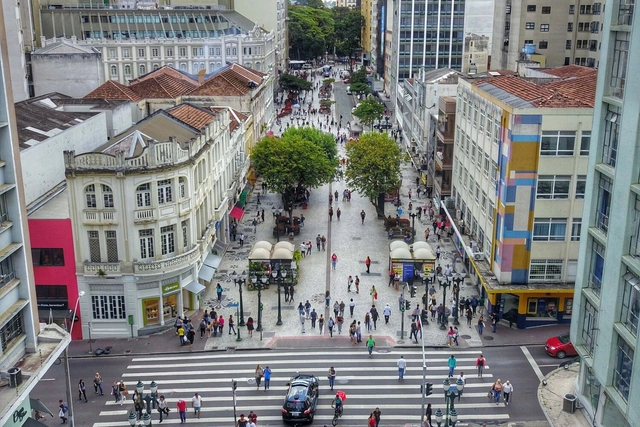
The urgent need to reduce greenhouse gas (GHG) emissions in the transportation sector presents both a challenge and an opportunity for local governments. This is particularly true for Zero Emission Areas (ZEAs)—urban zones where pollutant emissions are neutralized. This measure primarily benefits citizens, who enjoy healthier urban spaces and more vibrant commercial activity. However, ensuring success—or at least mitigating public backlash—requires deep social engagement and effective communication with the population.
https://www.archdaily.com/1132084/what-are-zero-emission-zonesITDP Brasil
3 Topics of Interest to Brazil at COP27
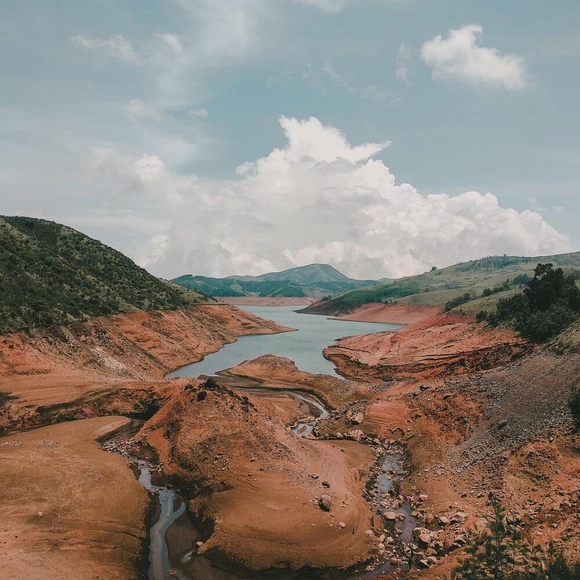
The city of Sharm El Sheikh, Egypt, hosts the 2022 United Nations Climate Change Conference, COP27, from November 6 to 18. The conference builds on the negotiations of COP26 in Glasgow, Scotland, in 2021, with the expectation that countries will demonstrate climate ambition and urgency to limit the rise in global temperature to 1.5°C.
https://www.archdaily.com/1132088/3-topics-of-interest-to-brazil-at-cop27WRI Brasil
Compact and electrified cities to curb climate change
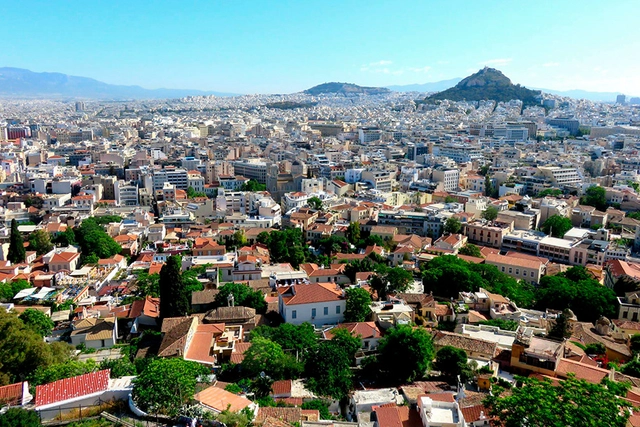
Various studies have indicated that, to prevent temperatures from rising more than 1.5°C, there must be a major drop in greenhouse gas (GHG) emissions. To achieve this, it is necessary to develop compact cities designed for pedestrians, cyclists, and transit users, as well as rapidly and strategically adopting electric vehicles, with a focus on public transportation.

https://www.archdaily.com/1132312/compact-and-electrified-cities-to-curb-climate-changeITDP Brasil
Staging Our Imagination: What Lies Behind TV Show Sets?
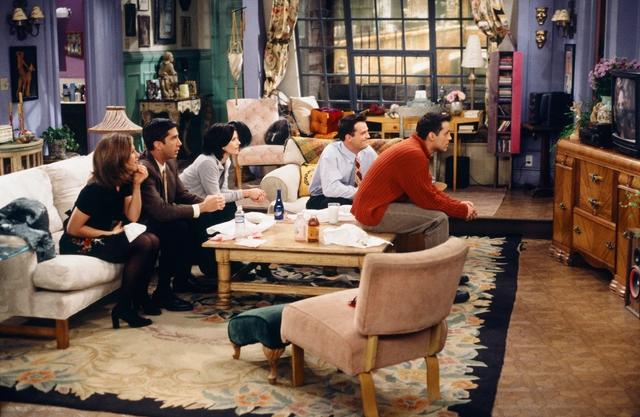
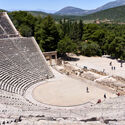
On November 21, we celebrate World Television Day, a communication tool that has transformed social relations since its invention in the late 19th century and its industrial widespread adoption beginning in the 1920s. Since then, television programs—inheriting theatrical genres—emerged, evolved, and multiplied, taking center stage in daily life and sparking widespread curiosity about how they work. Among their various aspects, we explore the set designs and present the logic behind television environments.



https://www.archdaily.com/1132478/staging-our-imagination-what-lies-behind-tv-show-setsGiovana Martino
Respecting aging: facade panels that react over time
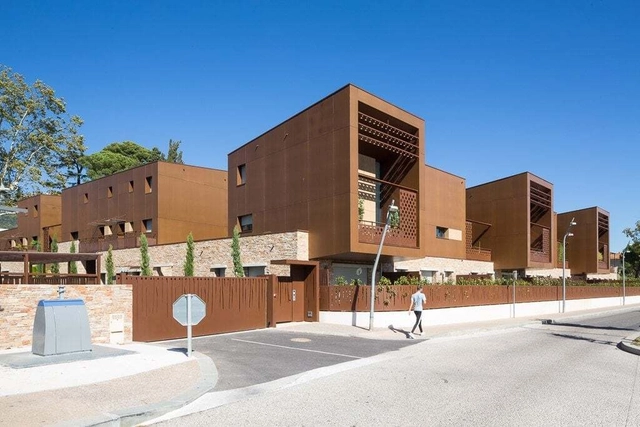
To explain the passage of time, the ancient Greeks relied on two gods: Chronos and Kairos. While the former is represented as ruthless, like a clock that never stops, Kairos evoked the opportune moment for action. In other words, while Chronos is quantitative, Kairos has a qualitative and permanent nature. Indeed, humanity's relationship with the passage of time is not always an easy one.
Buildings are no different. In his seminal work The Seven Lamps of Architecture (1849), John Ruskin argued that only ruined buildings could preserve our past perceptions and, at the same time, allow us to confront our own mortality. In this sense, the marks of time and rubble were crucial witnesses to architectural aging, which, in his view, achieved an aesthetic somewhere between the sublime and the picturesque. Although this is a somewhat controversial perspective, the idea of considering how a building will endure over time has been gaining traction. It is well known that some materials age better than others: while a plastered white wall quickly shows cracks and stains, a stone wall seems to improve with age, blending into its surroundings, for example. Time brings new nuances, tells the story of what has passed, and lends authenticity to surfaces.
https://www.archdaily.com/1132113/respecting-aging-facade-panels-that-react-over-timeEduardo Souza
3 Essential Elements for Integrated Climate Action in Cities
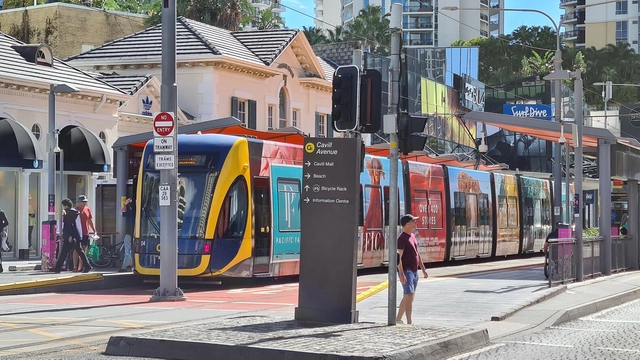
Cities have never been more engaged in climate action. At the 2021 UN Climate Change Conference (COP26), more than 1,100 cities representing a quarter of global CO2 emissions joined the Cities Race to Zero initiative. By doing so, these municipalities committed to ambitious, inclusive, and equitable actions to keep global temperature rise below 1.5°C. In November of this year, at COP27, these cities presented their progress and shared how they plan to deliver on their commitments.



https://www.archdaily.com/1132036/3-essential-elements-for-integrated-climate-action-in-citiesMichael Doust, Nathalie Badaoui e Leo Horn-Phathanothai
More is more: subverting Mies van der Rohe's maxim
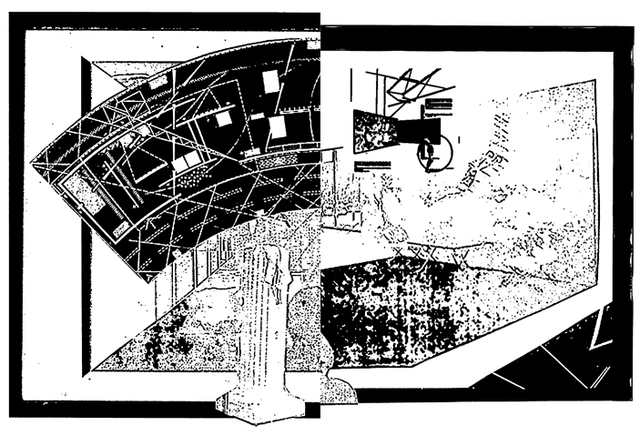
There is no doubt that the construction of the Barcelona Pavilion by Mies van der Rohe was designed to reaffirm the Modern Movement. This "icon" of the movement, deeply embedded in the architectural imagination, was built to be ephemeral. At the end of the International Exposition, the pavilion was dismantled; however, it was reconstructed 54 years later, sparking a debate within the architectural field regarding the authenticity of this replica.
https://www.archdaily.com/1131847/more-is-more-subverting-mies-van-der-rohes-maximHelena Ramos
Plaza Baquedano Renovation: Redevelopment Works Begin at Chile's Social Epicenter
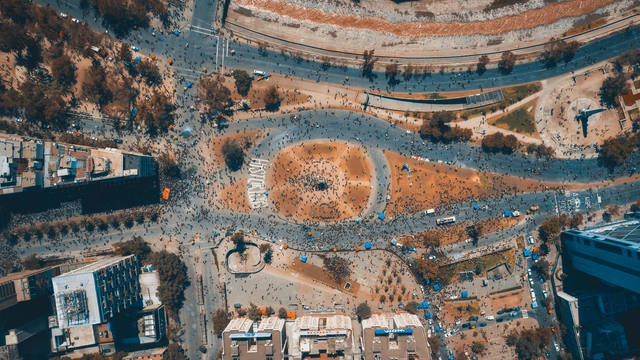
On Wednesday, November 3, work began on the redevelopment plan for Plaza Baquedano and its surroundings in Santiago de Chile. It is worth noting that Plaza Baquedano—traditionally known as Plaza Italia and recently referred to as Plaza de la Dignidad—is the convergence point for both celebrations and protests. These events have often been marked by social unrest and, particularly following the events of October 18, 2019, have left their mark on the public space. What does the future hold for this site of immense social and political significance?
https://www.archdaily.com/1132249/plaza-baquedano-renovation-redevelopment-works-begin-at-chiles-social-epicenterLuis Molina
The right to walk the city: Could a woman be a “flâneuse”?
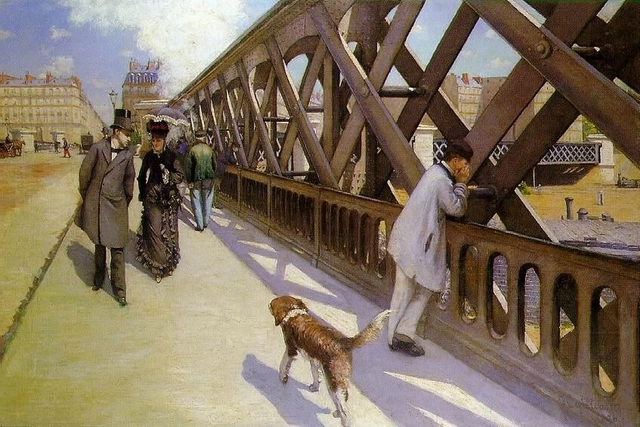
In the early 19th century, in a Paris on the verge of having its medieval fabric torn open by Haussmann's grand boulevards, novelist George Sand dressed as a man to walk the streets. According to her journals, "in trousers and boots I could fly from one end of the city to the other, regardless of the weather, the hour, or the place." No one paid her any attention, no one guessed her disguise, and no one stared or criticized; she was just another "atom lost in that immense crowd." Thanks to her male attire, Sand experienced fearless incursions and solitary wanderings like a true flâneur—experiences that would later become fundamental to crafting her successful narratives.
https://www.archdaily.com/1132452/the-right-to-walk-the-city-could-a-woman-be-a-flaneuseCamilla Ghisleni
What is the cost of time lost in traffic?
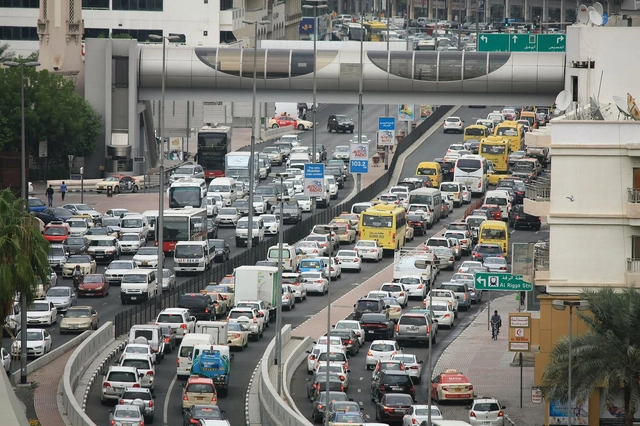
Among the various problems stemming from the excessive use of cars in large and medium-sized cities, traffic congestion and time lost in transit are undoubtedly those that receive the most attention from the media and society.
Drivers tend to overlook other issues, however severe, such as traffic fatalities and tragedies, air pollution, the stressful noise generated by motorized vehicles, urban sprawl—which makes cities dysfunctional, expensive, and far-flung—or the hydrological problems caused by the excess of asphalt and concrete dedicated to cars. Generally, these issues are ignored or seen as inevitable, whereas gridlock is highly visible, instantly perceived as a nuisance demanding immediate solutions.



https://www.archdaily.com/1132071/what-is-the-cost-of-time-lost-in-trafficCristiano Scarpelli
What are systemic changes and why they matter for the climate
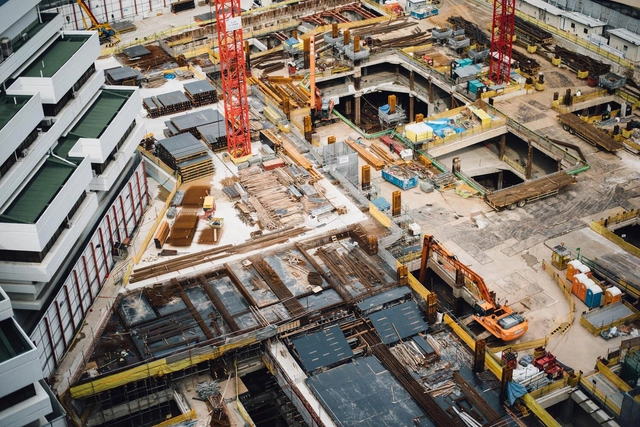
Systems change. Transformation. Deep transition. These terms are used so frequently that they risk becoming buzzwords, obscuring their actual meaning.
Yet, to curb rising global temperatures, conserve nature, and build a fairer economy that benefits everyone, we indeed need deep change across all aspects of our economies—at a pace and scale never seen before.
https://www.archdaily.com/1132409/what-are-systemic-changes-and-why-they-matter-for-the-climateRachel Jetel
We need to design the cities we want to live in
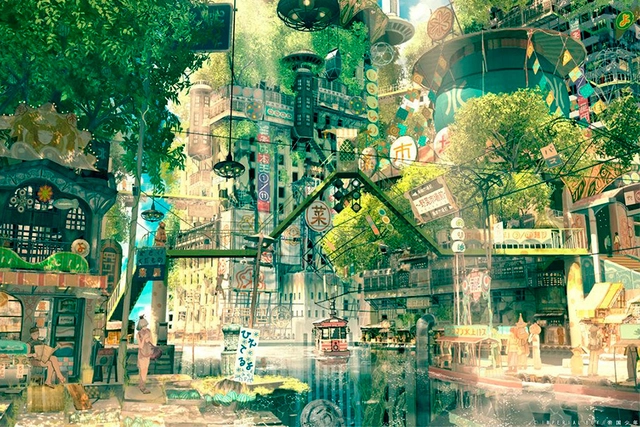
The illustration above is a famous image by the artist Imperial Boy (帝国少年), who works in the anime industry. I sometimes claim that the entire *solarpunk* genre was inspired by this image. That is an exaggeration, of course—some people have thought very seriously about *solarpunk* design principles—but the influence and appeal of Imperial Boy's design are undeniable. Moreover, other *solarpunk* art, though often lovely, tends not to immediately resemble the kind of cities you would actually want to build; it is either an image of a high-tech farm, or some variation of "slap a tree on the side of every building."



https://www.archdaily.com/1132494/we-need-to-design-the-cities-we-want-to-live-inNoah Smith