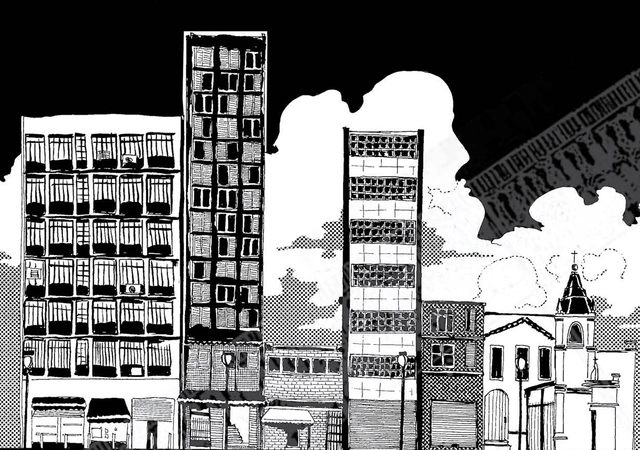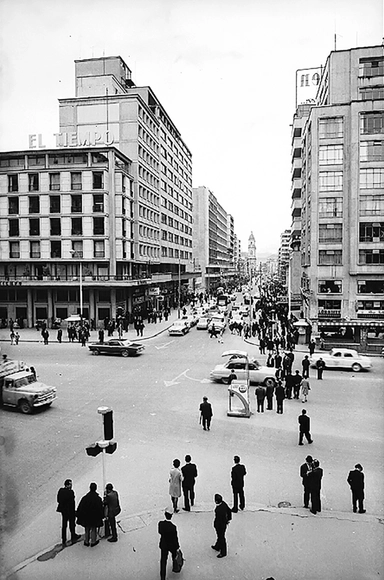

The modernization of Bogotá between 1940 and 1970, captured in urban and architectural photographic essays, has been documented in various books, magazines, and photobooks of the era, as well as in images from the city's public and private archives. These photographs reveal a deliberate, and even critical, approach to how modern architecture reconfigured city centers, bringing new buildings and urban spaces into relation with the existing cityscape.
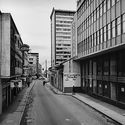
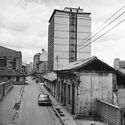
When analyzing the impact of street photography, it is essential to discuss Leo Matiz, Armando Matiz and Hernán Díaz. These three photographers captured the people, events, and daily urban life of Bogotá. From their extensive bodies of work, we have selected shots of streets, plazas, intersections, and representative buildings—both iconic and anonymous spaces that, through photography, anchor modern heritage in the collective memory, with architecture and urban spaces taking center stage.
In this edition of Bogotá in the Eyes of 10 Photographers we explore the legacy of Armando Matiz:



.jpg?1527695634&format=webp&width=640&height=580)