1. ArchDaily
  2. Articles

Articles

Bogotá, Through the Photography of Armando Matiz

Subscriber Access | 

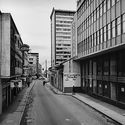
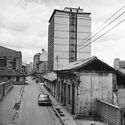
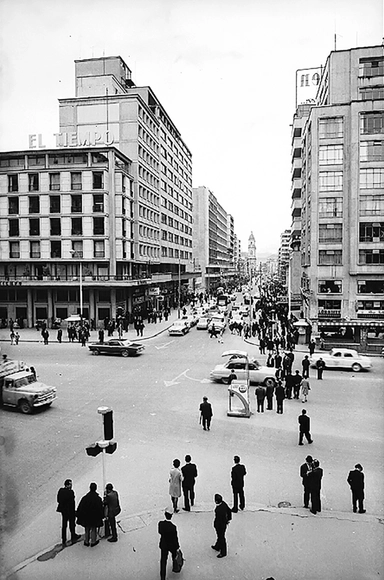
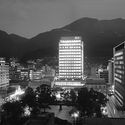
The modernization of Bogotá between 1940 and 1970, captured in urban and architectural photographic essays, has been documented in various books, magazines, and photobooks of the era, as well as in images from the city's public and private archives. These photographs reveal a deliberate, and even critical, approach to how modern architecture reconfigured city centers, bringing new buildings and urban spaces into relation with the existing cityscape.

When analyzing the impact of street photography, it is essential to discuss Leo MatizArmando Matiz and Hernán Díaz. These three photographers captured the people, events, and daily urban life of Bogotá. From their extensive bodies of work, we have selected shots of streets, plazas, intersections, and representative buildings—both iconic and anonymous spaces that, through photography, anchor modern heritage in the collective memory, with architecture and urban spaces taking center stage.

In this edition of Bogotá in the Eyes of 10 Photographers we explore the legacy of Armando Matiz:
Bogotá, Through the Photography of Armando Matiz - Imagem 1 de 4Bogotá, Through the Photography of Armando Matiz - Imagem 2 de 4Bogotá, Through the Photography of Armando Matiz - Imagem 3 de 4Bogotá, Through the Photography of Armando Matiz - Imagem 4 de 4Bogotá, Through the Photography of Armando Matiz - More Images+ 1

The Architectural League recognizes Comunal Taller de Arquitectura, Fernanda Canales, and Luis Aldrete as Emerging Voices of American architecture

Subscriber Access | 

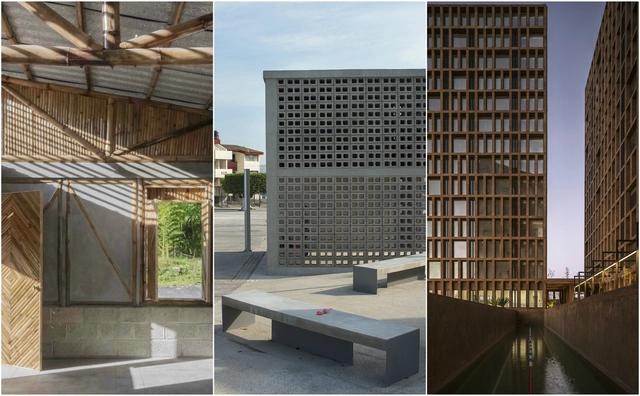
The Architectural League of New York is an independent architecture forum that aims to "stimulate thinking and debate about the critical design and architectural issues of our time." Each year, through the 'Emerging Voices' competition, they recognize the work of various North American architectural practices with the potential to positively influence how architecture is conceptualized and built across the continent.

This year, they highlight the work of three Mexican firms: Comunal Taller de Arquitectura, Fernanda Canales, and Luis Aldrete. Learn more about their work below:

The Votive Temple of Maipú, 200 Years After Its Cornerstone

Subscriber Access | 
The Votive Temple of Maipú, 200 Years After Its Cornerstone - 10 的图像 4
© Maria Gonzalez

This year marks the bicentennial of the Battle of Maipú, the decisive clash that secured Chile's independence. 1818 also marks the vow made by Chilean liberator Bernardo O'Higgins to erect a votive temple in honor of the Virgin of Carmen, Chile's patron saint, to whom local troops prayed for the victory that ultimately freed them from the Spanish Empire.

Lessons for Brazil: Cities That Developed with Good Social Housing Projects

Subscriber Access | 

Days after the tragic fire and collapse of the Wilton Paes de Almeida building in downtown São Paulo, which left fatalities and hundreds homeless, it is impossible not to question the future of social housing in Brazil.

Historically, most social housing programs have focused on constructing new housing units. However, according to urban planning and housing specialist Elisabete França, this approach is often detrimental to the social development of low- and middle-income citizens.

The projected transformations for the urban world by 2050

Subscriber Access | 

Projections for the urban world have been updated. In May, the United Nations released a new edition of the World Urbanization Prospects, a report that takes an in-depth look at the planet's urban centers, concluding that 68% of the world's population will live in cities by 2050. This estimate is 2% higher than the previous study published in 2014, which is part of the series produced by the United Nations Department of Economic and Social Affairs (DESA).

Hatun Tinkuy: A Project That Was Always There, in the Peruvian Highlands

Subscriber Access | 

It is another freezing night in Chucuito, and in the restaurant where all the participants of the XV TSL Puno are dining, Jhony Chaves—better known as "El Gato"—tells us stories about impossible places, like Cerro de Pasco, a Peruvian mining settlement even higher, colder, and harsher than Chucuito. He then recalls a village lost in the Peruvian jungle that can only be reached by boat, where the mosquitoes seem as large as birds. Next, he jumps to describing Andean villages that flood and freeze almost year-round, until the weather finally gives a few months of respite to the families who live there simply in houses made of mud.

As El Gato goes through his inventory of Peruvian towns, it is impossible not to think of the magical realism of Macondo. Is all of this real? Indeed, it fits perfectly that this is also a concept coined decades ago, before García Márquez, by a European, for whom his own continent's nature had been entirely domesticated. Of course, Latin America remains a landscape, and our great victory is that we manage to live within it, despite nature and its disasters. Thus, the villages El Gato evokes bring a certain comfort to our shared table, even as the cold and altitude threaten to take their toll on us. "It could be worse," we think before spooning the steaming soup in front of us.

How, then, can we intervene and propose public space in rural, predominantly Aymara settlements like Chucuito, where nature constantly reminds us that it is the main protagonist?

Participatory architecture that transcends language barriers: Birthing Houses in Los Altos de Chiapas, Mexico

Subscriber Access | 

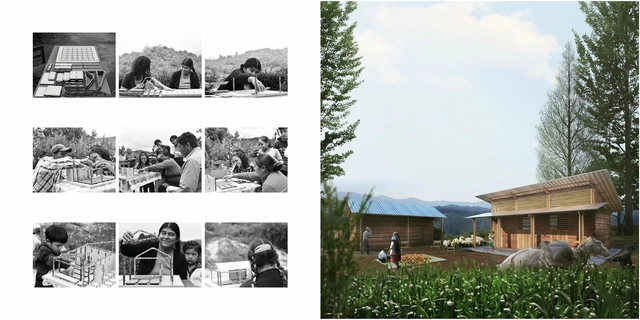
Until a few years ago, childbirth was the leading cause of death for women in the municipality of Tenejapa, located in the Highlands region of Chiapas (Los Altos de Chiapas). Faced with this situation, coupled with a lack of medical services in the region, traditional midwives from 22 communities joined forces to combat the issue. They formed the “Un solo corazón A.C.” Midwives Network, an organization that has succeeded in reducing maternal and infant mortality rates to zero while attending 98% of births in the area.

This is Taller Síntesis' proposal for the Mónaco Building in Medellín

Subscriber Access | 

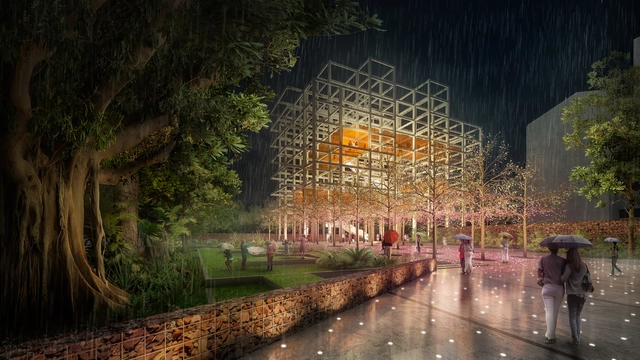
Through the Urban Development Corporation (EDU) and the Colombian Society of Architects (SCA), last November Medellín launched an international call for proposals to design a space for memory and reflection on the period between 1983 and 1994 at the site of the demolished Monaco Building, the former residence of drug lord Pablo Escobar.

Here, we present the proposal by Taller Síntesis, which outlines a new way of telling history through space, inviting reflection on the past while honoring the lives of the victims of drug trafficking. According to the designers, "over time, this building has become a tourist destination for visitors arriving in Medellín who want to learn about the figure behind television shows that fail to faithfully reflect the reality of this era of drug trafficking."

Indivisible: comic narrates the Black and Asian history of the Liberdade neighborhood in São Paulo

Subscriber Access | 

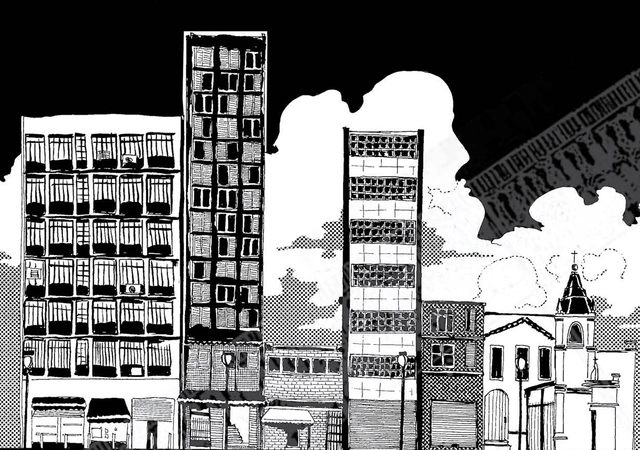
Indivisível (Indivisible) is the title of the graphic novel created by Marília Marz as her final thesis project at Escola da Cidade – Faculty of Architecture and Urbanism. The project aims to identify and analyze the narrative possibilities intrinsic to the architectural and urban elements of the Liberdade neighborhood in São Paulo across two distinct historical periods.

Ensamble San Borja, Second Place in the San Borja Footbridges Competition in Chile

Subscriber Access | 

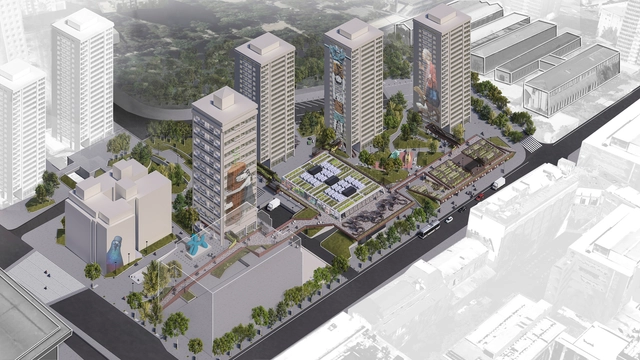
The Ensamble San Borja proposal was awarded second place in the Pasarelas San Borja competition in Chile. The main objective of the competition was to recognize "the best urban design ideas that help define intervention criteria and generate proposals for the San Borja Neighborhood."

According to the authors, the second-place winning proposal aims to create "a living space that mutates according to needs and adapts to demands."

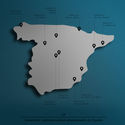
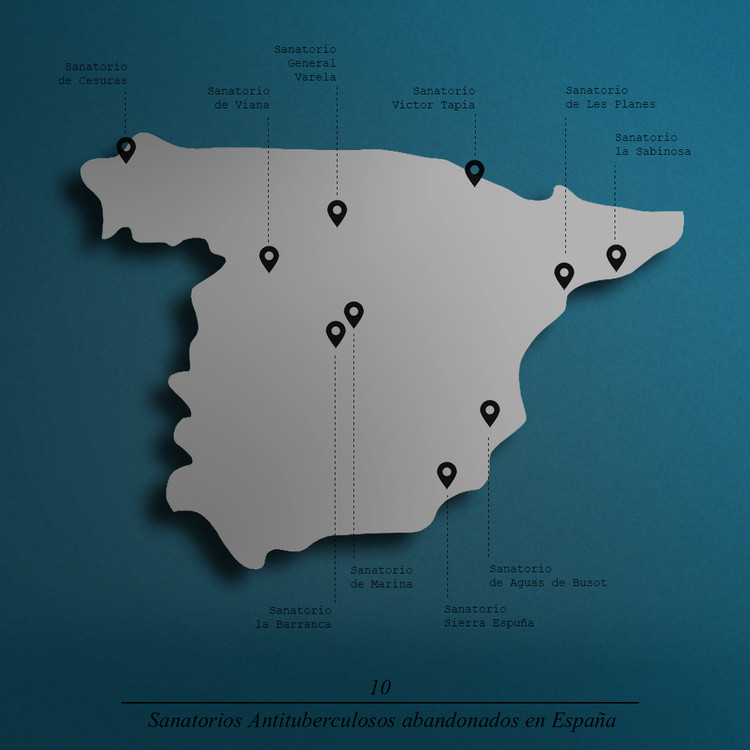
The tuberculosis sanatoriums that saved Spain

Subscriber Access | 

On December 13, 1943, a law established the regulatory framework for the National Antituberculosis Board (Patronato Nacional Antituberculoso), created to combat and help eradicate tuberculosis—one of the worst diseases afflicting Spanish and global populations during the 20th century. "The National Antituberculosis Board is dedicated to preventing the spread of a disease that represents the leading cause of mortality in Spain, as well as the most significant threat to the race," the text of the law began.

Following the end of the Civil War in 1939, the situation in Spain and for its population was precarious. This was reflected in the country falling behind other Western nations in its number of tuberculosis sanatoriums. Indeed, in 1934, with only 66 sanatoriums, Spain had the lowest ratio of facilities per capita in Europe—one for every 357,000 inhabitants.

The tuberculosis sanatoriums that saved Spain - Featured ImageThe tuberculosis sanatoriums that saved Spain - Image 1 of 4The tuberculosis sanatoriums that saved Spain - Image 2 of 4The tuberculosis sanatoriums that saved Spain - Image 3 of 4The tuberculosis sanatoriums that saved Spain - More Images+ 27

Discover this integrated rural settlement model proposed by Colombian students in Yopal

Subscriber Access | 

In late November, we published the winners of the second call for Colombian graduation projects—also known as undergraduate theses—for which we received 70 submissions from 14 cities and 29 universities. Ultimately, nine projects advanced through three rounds of evaluation, standing out for addressing pressing issues, conducting in-depth research, and raising challenges in both urban and rural contexts, just as in 2016.

Here, we take an in-depth look at Sustainable Rural Settlement Model in Yopal, Casanare, a proposal selected for the 2017 edition of Archiprix International and developed by Daniel Vanegas and Tatiana Cantor, both graduates of the Universidad Piloto de Colombia.

10 places you can visit during the second edition of Open House Santiago 2018

Subscriber Access | 

Between September 8 and 9, the annual Open House architecture festival—which began in London and is now held in more than 40 cities worldwide—will host its second edition in Santiago, Chile.

Aimed at anyone interested in exploring the city's architecture and urban design under the slogan "TENGO GANAS DE CONOCER SANTIAGO" (I Want to Get to Know Santiago), this free, weekend-long open-door festival offers access to spaces normally closed to the public or hidden within the city, showcasing their outstanding architectural, engineering, environmental, urban, social, and cultural value.

Explore a selection of participating venues for Open House Santiago 2018 below.

Iconic works of architecture as everyday objects

Subscriber Access | 

A few months ago, architect Filipe Vasconcelos shared his digital collages with us, exploring the similarities between architecture and objects. He creates scenes in which buildings are recontextualized in situations completely removed from their original contexts and uses.

Museum of Yesterday reveals the forgotten stories of Rio de Janeiro's port area

Subscriber Access | 

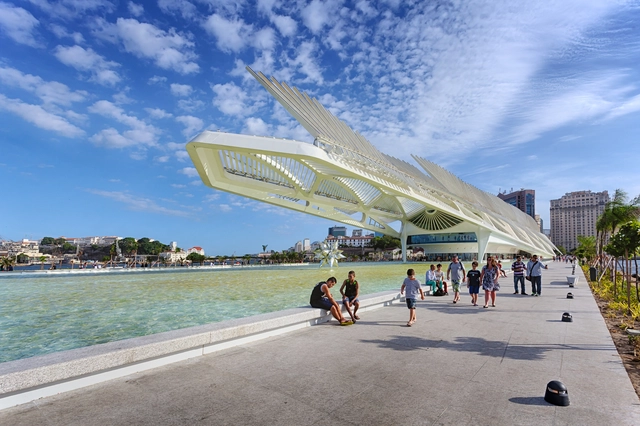
What do the arrival of the Portuguese royal family, Brazil's largest slave trade market, the murder of student Edson Luís during the military dictatorship, and the R$52 million bribe received by Eduardo Cunha have in common? They all took place in Rio de Janeiro’s port area and can now be (re)discovered through the Museum of Yesterday (Museu do Ontem), an app launched by Agência Pública that aims to rescue these stories and foster a new relationship with this important urban territory.

Our most liked Instagram photos of 2018

Subscriber Access | 

2018 was a busy year for ArchDaily Brasil. We had the opportunity to publish a wide range of content—articles, news, and projects—specially curated for you, our daily reader. Beyond our platform, our Instagram account served as a daily hub for sharing content through stories, IGTV, and, above all, the dozens of photographs shared each week.

With nearly 150,000 followers on our Brazilian profile (@archdailybr) who follow us daily and show their support for the best architectural photography of projects by Brazilian and Portuguese architects, we decided to put together a year-end roundup of the 15 most-liked photos. Check out the list below!

1,000 linear meters of wood to create public installations in Córdoba

Subscriber Access | 

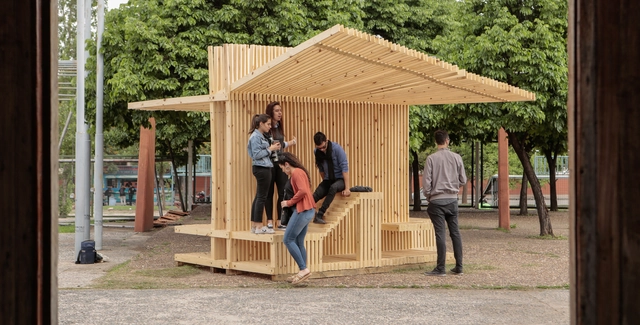
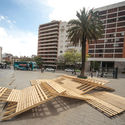
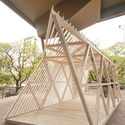
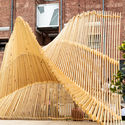
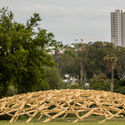
Jointly organized by the Cámara de la Madera, Mueble y Equipamiento de Córdoba (CAMMEC) and the Faculty of Architecture, Urbanism, and Design at the Universidad Nacional de Córdoba, the 'Toco Madera XL' workshop emerged within the framework of the Second Design Biennial in Córdoba, Argentina, with the primary goal of promoting the use of wood.

Nine teams made up of more than 200 students and 50 professors designed installations using this material exclusively, which were then placed in various public spaces across the city. The initiative sought to showcase and highlight the regional timber industry, positioning the city as a benchmark for local and international design.

1,000 linear meters of wood to create public installations in Córdoba - Image 12 of 41,000 linear meters of wood to create public installations in Córdoba - Image 29 of 41,000 linear meters of wood to create public installations in Córdoba - Image 32 of 41,000 linear meters of wood to create public installations in Córdoba - Image 49 of 41,000 linear meters of wood to create public installations in Córdoba - More Images+ 49

Five urban projects that transformed their cities

Subscriber Access | 

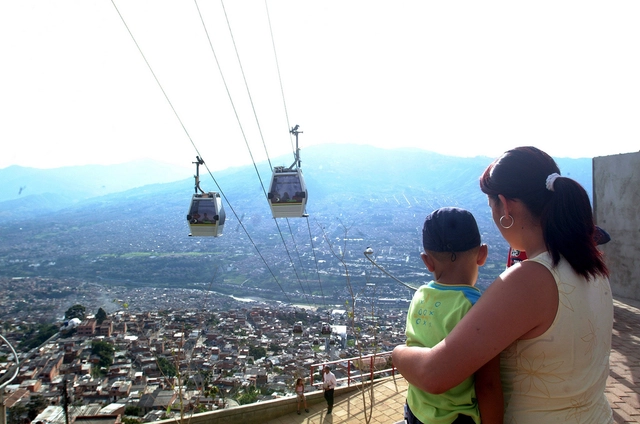
Some urban changes go deeper than the surface. These are transformative projects with the power to generate an impact far greater than aesthetic or infrastructural updates. They are initiatives that positively influence the economy, the environment, and the host community—in unexpected or even unprecedented ways.

Five urban projects that transformed their cities - Imagen 4 de 4

7 Principles for the Construction of a Sustainable School

Subscriber Access | 

On April 19, Argentina's first sustainable public school was officially inaugurated in the town of Mar Chiquita.

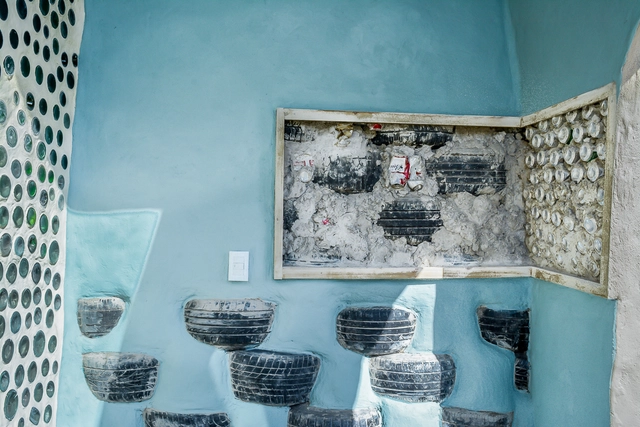
The project was realized under the Una Escuela Sustentable program, an initiative by the Uruguayan organization Tagma that aims to build a symbolic regional network—with a sustainable public school in every Latin American country—in partnership with Garbage Warrior Michael Reynolds and his team at Earthship Biotecture.

Below, the organizers outline the seven core principles and the construction process of this project.

The Mexican design furniture that has recycled 80,000 plastic bottles: Luken by Paola Calzada

Subscriber Access | 
The Mexican design furniture that has recycled 80,000 plastic bottles: Luken by Paola Calzada - Featured Image
© Marta Kowalska

The Mexican design furniture that has recycled 80,000 plastic bottles: Luken by Paola Calzada - Imagem 1 de 4The Mexican design furniture that has recycled 80,000 plastic bottles: Luken by Paola Calzada - Imagem 2 de 4The Mexican design furniture that has recycled 80,000 plastic bottles: Luken by Paola Calzada - Imagem 3 de 4The Mexican design furniture that has recycled 80,000 plastic bottles: Luken by Paola Calzada - Imagem 4 de 4The Mexican design furniture that has recycled 80,000 plastic bottles: Luken by Paola Calzada - More Images+ 11

Luken is a designer furniture brand –created and produced in Mexico by architect Paola Calzada Prats–, characterized by its use of recycled or eco-friendly materials. The collection consists of indoor and outdoor furniture that is easily assembled and resistant to sun, water, and heavy use.

Two different materials are used: recycled plastic for outdoor furniture and valchromat for indoor pieces, the latter being a 12 mm thick Portuguese wood fiber panel that, while not rainproof, is resistant to moderate humidity. No glue or nails are required for assembly. Meanwhile, the outdoor recycled plastic is made of 100% melted plastic with no added chemicals in the process. It performs exceptionally outdoors due to its resistance to direct sunlight, sea air, rain, and even heavy daily use by children.

Singularity in Architecture: The Case of the Casa sobre el Arroyo in Argentina

Subscriber Access | 

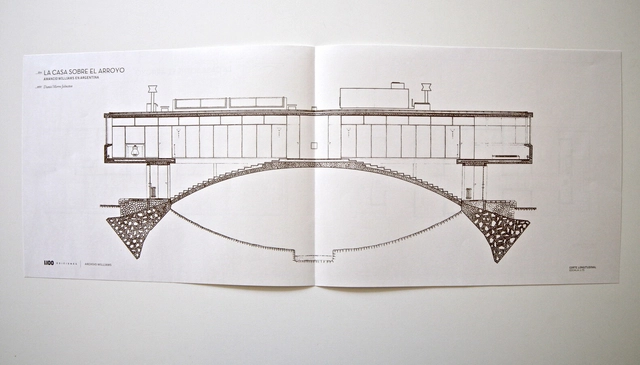
The smell of smoke mingled in the air, like poison,’ these captivating opening words already foreshadow a tragic end. The result of an unusual sequence of events, they demonstrate that the threads of fortunate—and unfortunate—circumstances are far more complex to weave and comprehend than a casual observer might think. The chain of stories sequenced by Daniel Merro Johnston in Casa sobre el Arroyo by Amancio Williams —published by Ediciones 1:100— does not merely outline a process and its parallel events; it highlights the singularity of the construction itself, serving as a testament to the complexity, the timelines, and the unforeseen circumstances involved in creating a ‘good’ work of architecture.

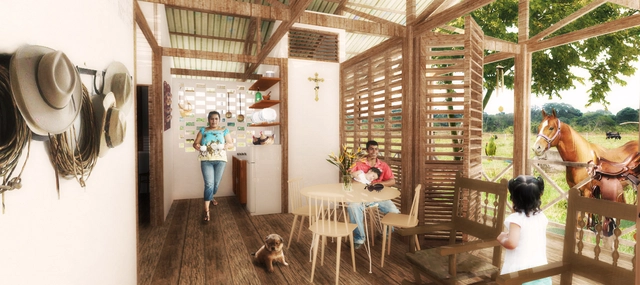
Mexican women architects pushing the boundaries of the profession

Subscriber Access | 

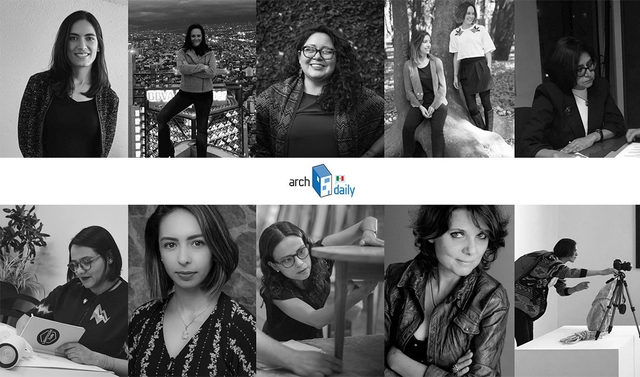
By definition, architecture is the art and technique of planning, designing, constructing, and modifying the human habitat. However, my own professional career has constantly forced me to confront the same question: if you are an architect and you don't design, are you still an architect?

Playlist: New Year's Eve - ArchDaily Brazil

Subscriber Access | 

We have finally reached the last day of 2018, a year marked by a series of architectural trends, novel proposals presented in competitions, biennials, and architecture fairs, and above all, punctuated by a sea of projects reflecting the concerns of architects proposing new directions for the discipline. Now, after 365 days of many surprises for the world of architecture, it is time to celebrate and give thanks for another year—and what better way to welcome 2019 than to the sound of great music? With this in mind, our editorial team has curated a special selection: featuring the moving sounds of Coldplay and John Lennon, festive beats from Bruno Mars and Alok, and Brazilian classics by Elis Regina and João Gilberto.

Check out the full New Year's Eve playlist below.

Promoting diversity to make cities more equitable

Subscriber Access | 

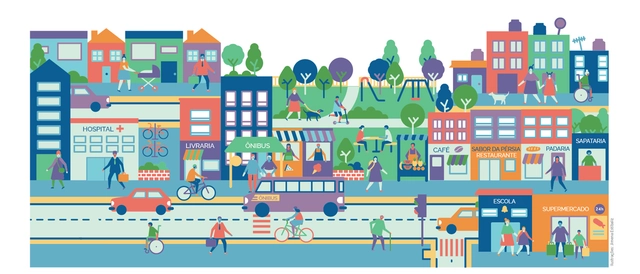
When there is a balanced combination of complementary activities in a given neighborhood (meaning a mix of housing, workplaces, commerce, and services), a significant portion of its residents' daily trips can remain short and walkable. Diverse uses, with different peak hours throughout the day, help keep streets busy and safe for longer, stimulating pedestrian and cyclist activity and promoting a lively human environment where people want to live. This also helps balance public transit demand, resulting in a more efficient and sustainable operation over longer periods of the day. People of all age groups, genders, and income levels can safely interact in public spaces.

Promoting diversity to make cities more equitable - Imagem 1 de 4
Cortesia de ITDP Brasil

You've started following your first account!

Did you know?

You'll now receive updates based on what you follow! Personalize your stream and start following your favorite authors, offices and users.