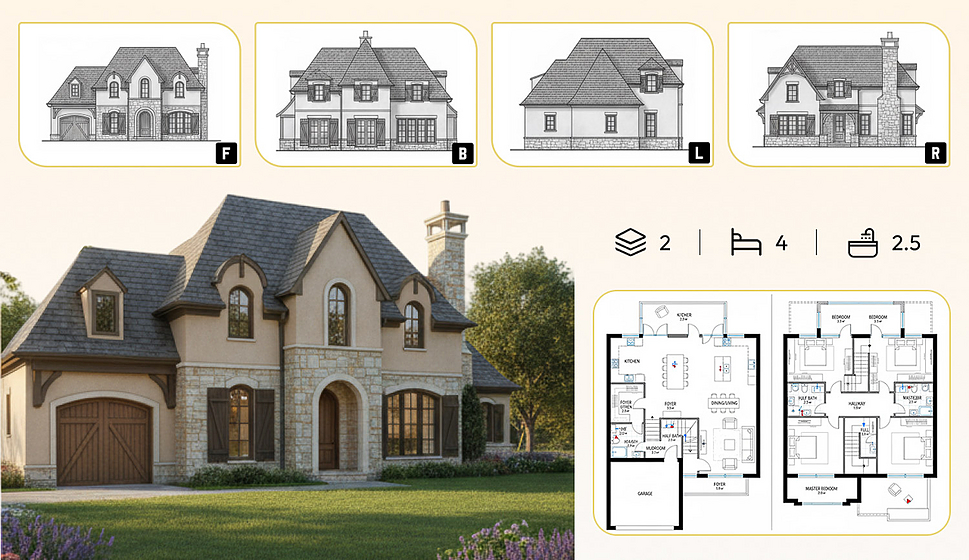
This guide covers a workflow that moves from project parameters to generated floor plans, 3D perspective views, exterior design exploration, and site context visualization, using AI tools in place of preliminary CAD and rendering work.
This guide covers a workflow that moves from project parameters to generated floor plans, 3D perspective views, exterior design exploration, and site context visualization, using AI tools in place of preliminary CAD and rendering work.
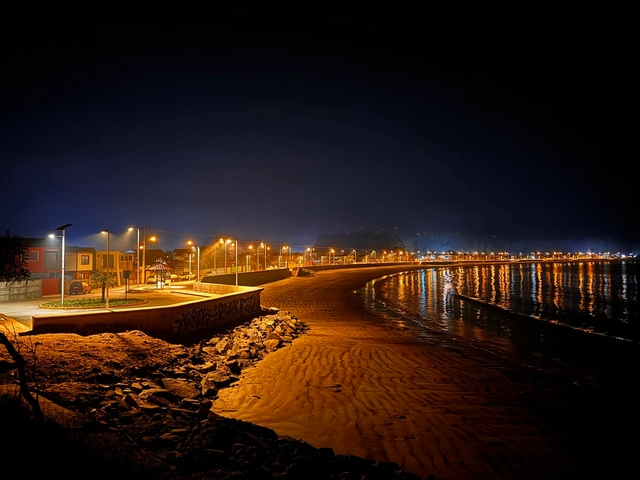
Public lighting plays a fundamental role in modern cities and has evolved considerably throughout history. In Ancient Greece and Rome, rudimentary methods such as torches and oil lamps illuminated some streets. During the Middle Ages, castles and European city streets used oil lanterns and, later, candles. A significant breakthrough came with the invention of the gas lamp in the late 18th century, first used for public lighting in London in 1807, which improved street visibility and helped reduce crime. Thomas Edison’s invention of the electric lamp in 1879 revolutionized public lighting, and incandescent lamps began replacing gas, providing more efficient and safer illumination.
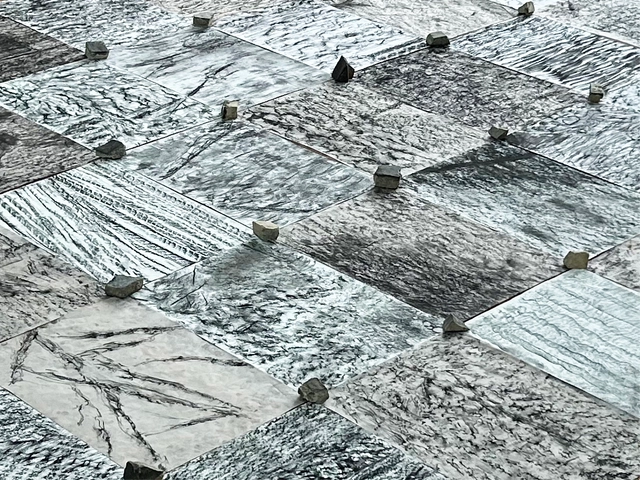
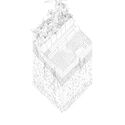
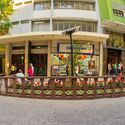
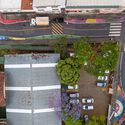
The Architectural Association Visiting School (AAVS) Rio de Janeiro workshop interrogated
tectonics within Rio's post-colonial, urban, and tropical context. Each year, the workshop questions, celebrates, and experiments with a characteristic element of local architecture.
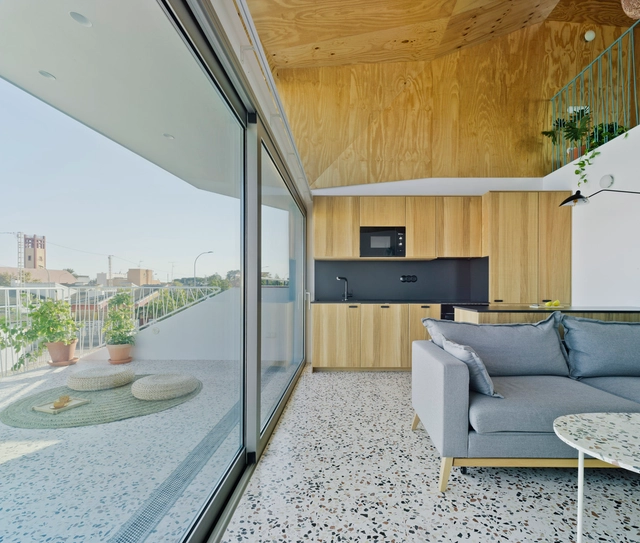
In an era where we spend most of our time indoors, contemporary architecture offers an innovative approach: dissolving the barriers between inside and outside. This fusion, now an iconic feature of many current projects, reflects a growing desire to live in harmony with nature, promoting a synergy that transcends walls and restores the human connection to the natural environment. Large windows framing landscapes and the use of biophilic design principles blur the boundaries between interior and exterior, creating flexible, light-filled spaces where nature is incorporated into the architectural design. This integration stems from meticulous design choices made possible by technological advances—such as high-performance glazing and smart systems—that enable this connection without sacrificing comfort or energy efficiency.

The accelerating rise of a homogenized, worldwide aesthetic is forcing creators to confront a critical reality: design trends are effortlessly transcending geography, but local identity is paying the price. The fifth episode of the Room For Dreams podcast tackles a head-on investigation into whether a boundaryless market is quietly erasing design diversity. Recorded live at Milan Design Week 2026 in cooperation with INDX|GLOBAL, host Claire Broadka of designboom sits down with Sachi Gupta, Shilpi Sonar, Krithika Subrahmanian, and Sumit Dhawan to map out the reality of the borderless creator.
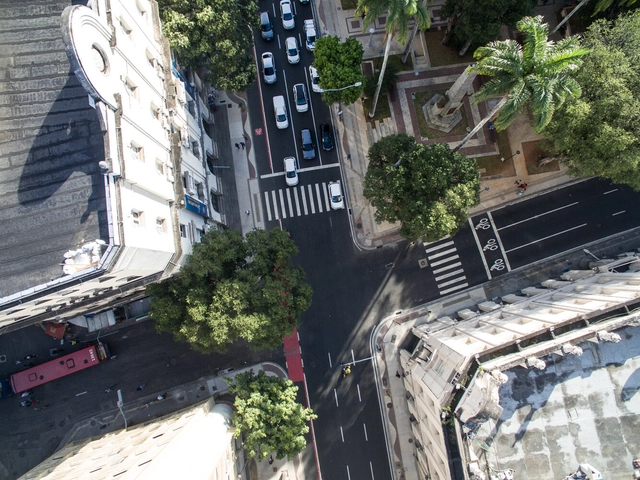
In legal terms, road space belongs to government entities and is therefore viewed as public. However, according to economic theory, the various goods produced by society exhibit distinct characteristics.

In 1972, Caetano Veloso announced in the song Triste Bahia that “the steamboat from Cachoeira no longer sails on the sea.” Indeed, ours is a generation unfamiliar with Salvador's nautical capacity, since most of us have not had the opportunity to experience the daily rhythm of a port city. A brief look at the records of photographers such as Marcel Gautherot, Pierre Verger, and Lázaro Roberto, from the 1950s to the 1970s, reveals that the daily dynamics along the waterfront were vastly different from those of today.
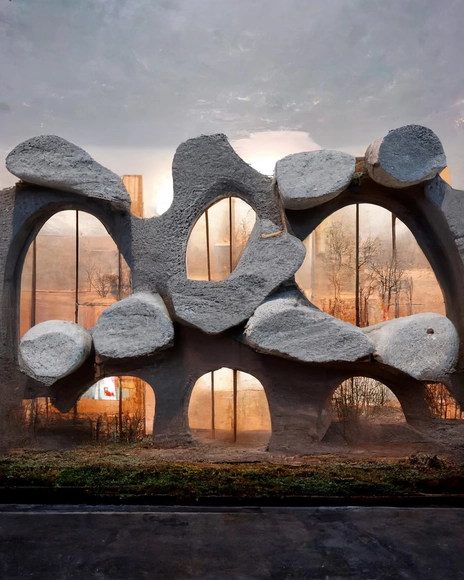
Much has been said about the power of artificial intelligence and how its rise could transform the architectural profession. This topic has already been explored in previous articles here.
The primary tool causing concern among industry experts is DALL-E, a machine learning-based software that generates images from text prompts entered by the user. Other platforms offer similar capabilities, such as Midjourney and Stable Diffusion.

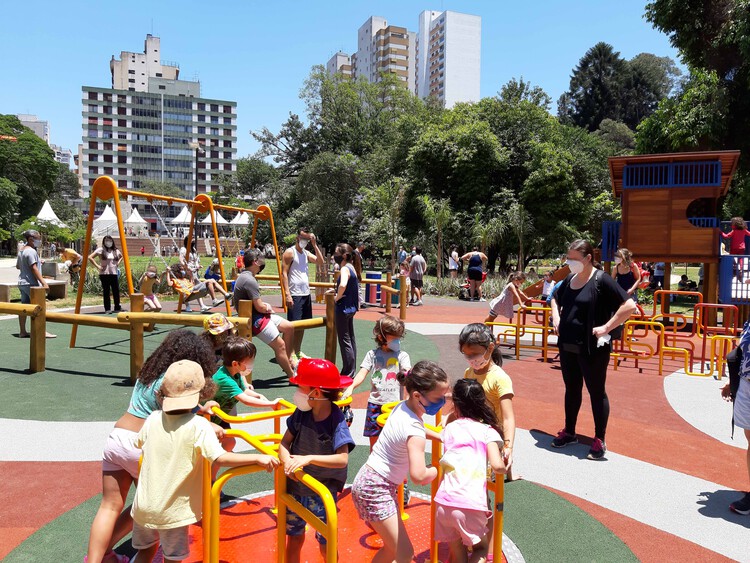
In November 2022, Augusta Park celebrated its first anniversary of reopening to the public. The park reached maximum capacity on its opening day and, today, has welcomed over 1.5 million visitors. The site went through a long journey before reaching consolidation. The nearly 50-year struggle for the park deserves to be highlighted, and public participation in its creation must be recorded and shared so it can inspire new campaigns for public spaces across the city.
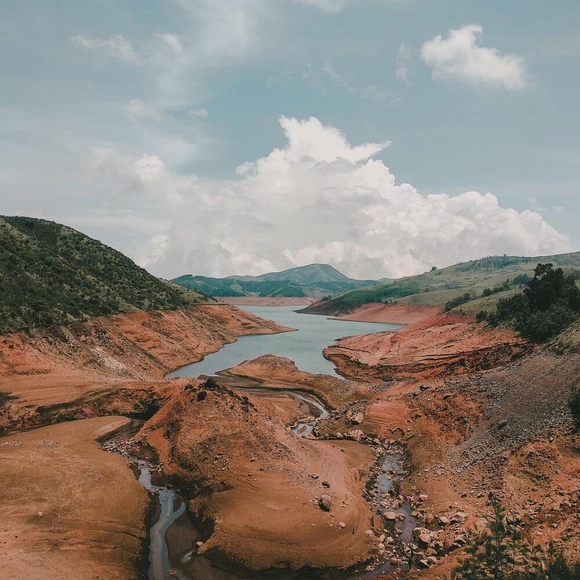
The city of Sharm El Sheikh, Egypt, hosts the 2022 United Nations Climate Change Conference, COP27, from November 6 to 18. The conference builds on the negotiations of COP26 in Glasgow, Scotland, in 2021, with the expectation that countries will demonstrate climate ambition and urgency to limit the rise in global temperature to 1.5°C.

Various studies have indicated that, to prevent temperatures from rising more than 1.5°C, there must be a major drop in greenhouse gas (GHG) emissions. To achieve this, it is necessary to develop compact cities designed for pedestrians, cyclists, and transit users, as well as rapidly and strategically adopting electric vehicles, with a focus on public transportation.
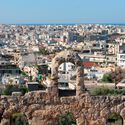
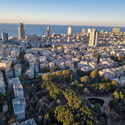
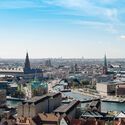

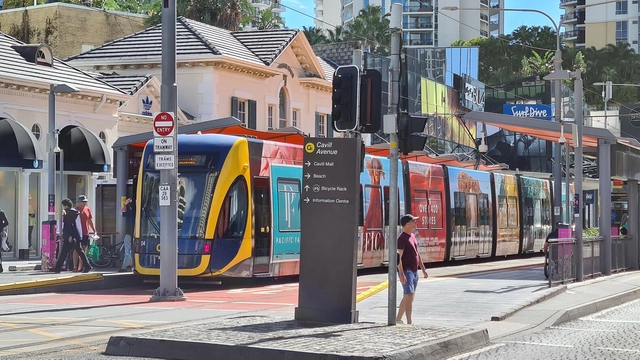
Cities have never been more engaged in climate action. At the 2021 UN Climate Change Conference (COP26), more than 1,100 cities representing a quarter of global CO2 emissions joined the Cities Race to Zero initiative. By doing so, these municipalities committed to ambitious, inclusive, and equitable actions to keep global temperature rise below 1.5°C. In November of this year, at COP27, these cities presented their progress and shared how they plan to deliver on their commitments.
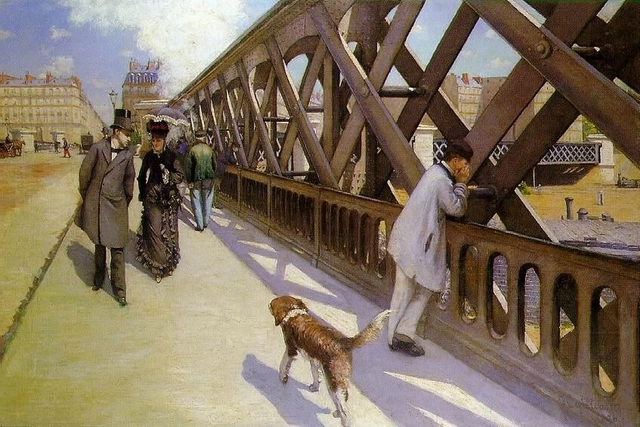
In the early 19th century, in a Paris on the verge of having its medieval fabric torn open by Haussmann's grand boulevards, novelist George Sand dressed as a man to walk the streets. According to her journals, "in trousers and boots I could fly from one end of the city to the other, regardless of the weather, the hour, or the place." No one paid her any attention, no one guessed her disguise, and no one stared or criticized; she was just another "atom lost in that immense crowd." Thanks to her male attire, Sand experienced fearless incursions and solitary wanderings like a true flâneur—experiences that would later become fundamental to crafting her successful narratives.
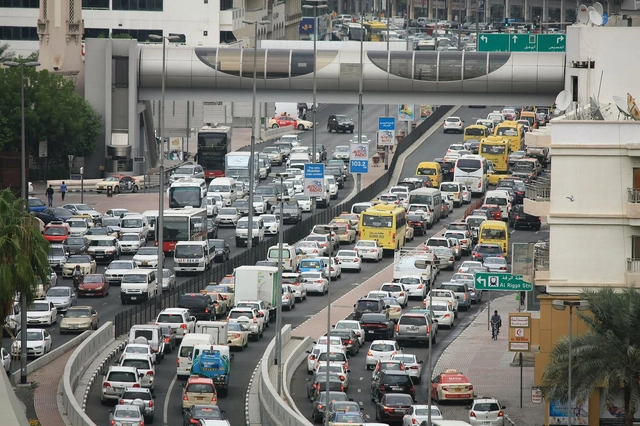
Among the various problems stemming from the excessive use of cars in large and medium-sized cities, traffic congestion and time lost in transit are undoubtedly those that receive the most attention from the media and society.
Drivers tend to overlook other issues, however severe, such as traffic fatalities and tragedies, air pollution, the stressful noise generated by motorized vehicles, urban sprawl—which makes cities dysfunctional, expensive, and far-flung—or the hydrological problems caused by the excess of asphalt and concrete dedicated to cars. Generally, these issues are ignored or seen as inevitable, whereas gridlock is highly visible, instantly perceived as a nuisance demanding immediate solutions.



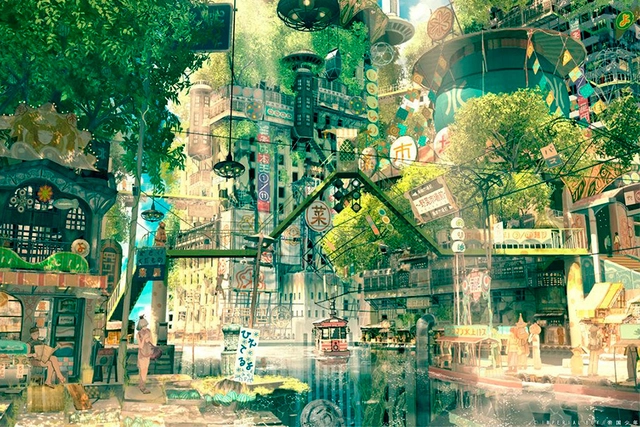
The illustration above is a famous image by the artist Imperial Boy (帝国少年), who works in the anime industry. I sometimes claim that the entire *solarpunk* genre was inspired by this image. That is an exaggeration, of course—some people have thought very seriously about *solarpunk* design principles—but the influence and appeal of Imperial Boy's design are undeniable. Moreover, other *solarpunk* art, though often lovely, tends not to immediately resemble the kind of cities you would actually want to build; it is either an image of a high-tech farm, or some variation of "slap a tree on the side of every building."
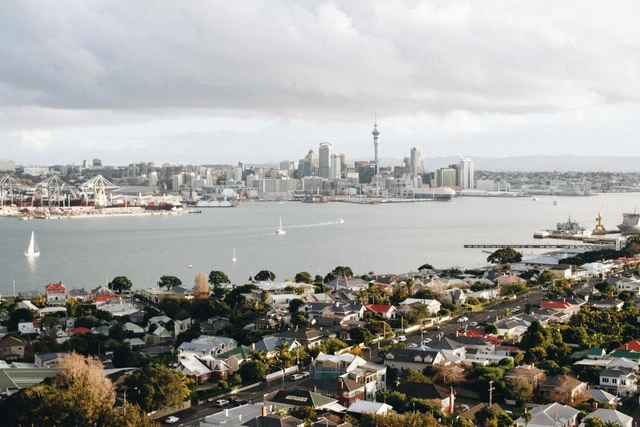
Mired in a housing crisis for about a decade, New Zealand has modified its zoning laws to allow more medium-density housing to be built in the nation's largest municipalities.
The initiative comes in response to a shortage of housing units, soaring property values and rents, and is aimed at narrowing the widening “chasm” between household incomes and housing costs, as detailed in a report by The Guardian.
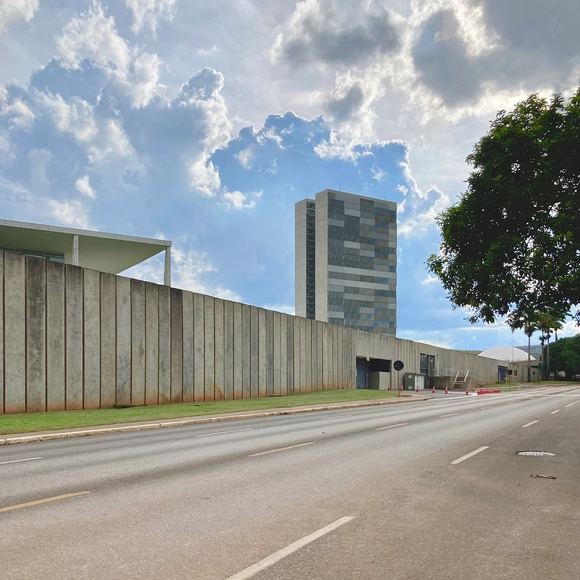
“If I said that Brasília is beautiful, people would immediately see that I liked the city. But if I say that Brasília is the image of my insomnia, they see this as an accusation; yet my insomnia is neither beautiful nor ugly — my insomnia is me, lived, it is my astonishment.” — Clarice Lispector
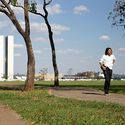
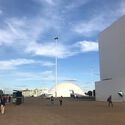
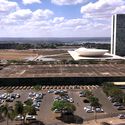
In 2020, Brasília turned 60. The anniversary almost slipped by, but in times of isolation, I recalled the walks I had the opportunity to take there last year — walks that opened my eyes to the beautiful, the unbeautiful, and the “unobvious” in this famous modernist city. That said, I would like to share my astonishment in exploring this machine-city on foot.
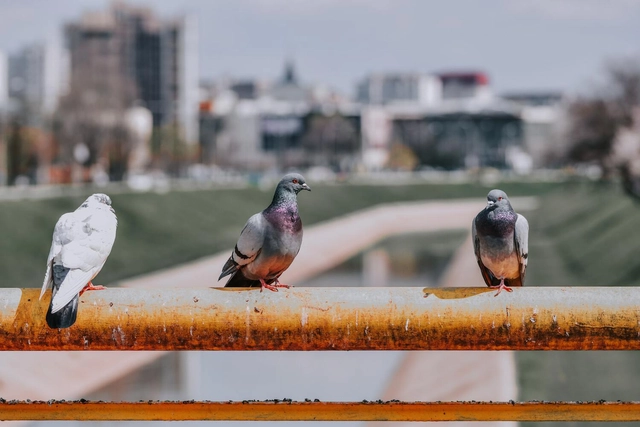
With the rapid urbanization of our cities, animals that once called these environments home have been displaced, forced to seek refuge elsewhere.
Birds are perhaps among the species hardest hit by urban growth, as they are drawn during flight by stimuli like artificial light and wind currents—both of which can be radically altered by how a city is built and laid out.



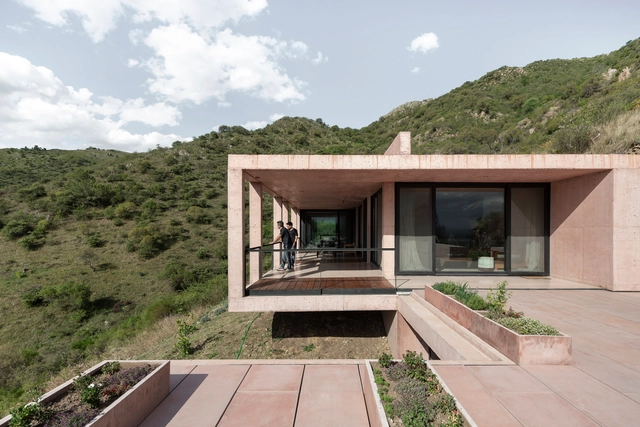
Beyond Pelé and Maradona, November marks the celebration of Brazil-Argentina Friendship Day. Established in 2018, the date (November 30) aims to highlight diplomatic and commercial relations between the two nations. Together, Brazil and Argentina account for 63% of South America's total land area, 60% of its population, and 61% of its GDP, establishing themselves as key trading partners.
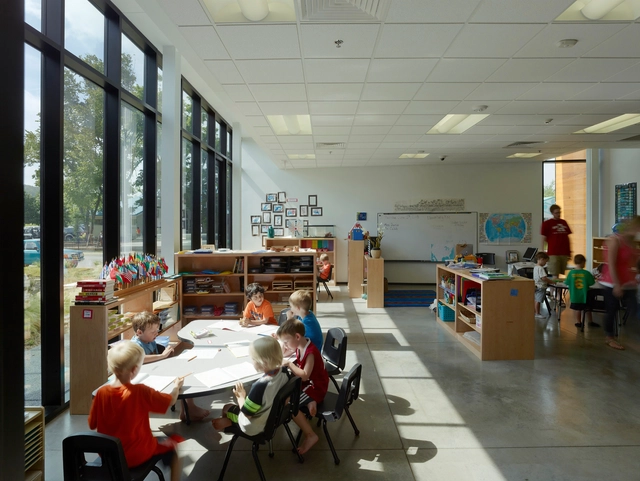
It could be argued that indoor air quality has never received its due attention throughout history. While atmospheric pollution has been considered a threat since the time of Hippocrates in 400 BC, becoming a tangible concern with industrialization during the Industrial Revolution, little is said about comfort conditions in indoor environments. This issue is increasingly critical given that humanity spends about 90% of its time indoors, and the quality of these spaces directly affects long-term well-being and health. In fact, Indoor Environmental Quality (IEQ) encompasses far more than just indoor pollution. It refers to a balance between air quality, acoustics, lighting, temperature, and other factors that contribute to a pleasant and, above all, healthy environment for occupants. Under the motto “every space can be a healthy space,” Armstrong has developed solutions to help improve the environments where we spend the most time, such as educational and healthcare facilities, offices, and homes.
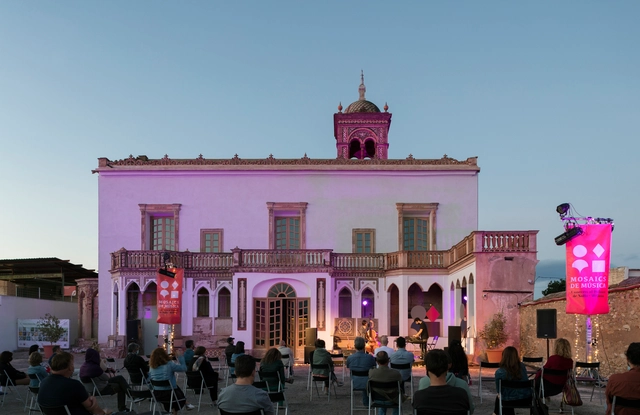
An emblematic building for Meliana and the entire region, the Palauet Nolla dates back to the 17th century and has long served as a symbol of the famous Nolla mosaic factory. Situated within the landscape of Valencia's northern agricultural region (the huerta norte), after decades of neglect, the building had fallen into ruins by 2010. Its conservation status was critical, marked by a lack of exterior woodwork, a compromised structure, collapsed roofs, and severe natural and human-caused damage to its ornamentation, among many other issues.

Faced with the challenge of the housing deficit—defined as the number of new homes needed to accommodate doubled-up families and replace uninhabitable dwellings—the construction industry must seek new design strategies to address this issue. How can we address the housing deficit through quality housing? Alongside constructing new homes, architecture must propose designs that ensure habitability, which largely depends on solutions that promote effective thermal conditioning.
Through its building materials, products, and systems, ETEX Chile develops thermal strategies focused on habitability and comfort, responding to the specific climatic conditions that characterize each region of the country.
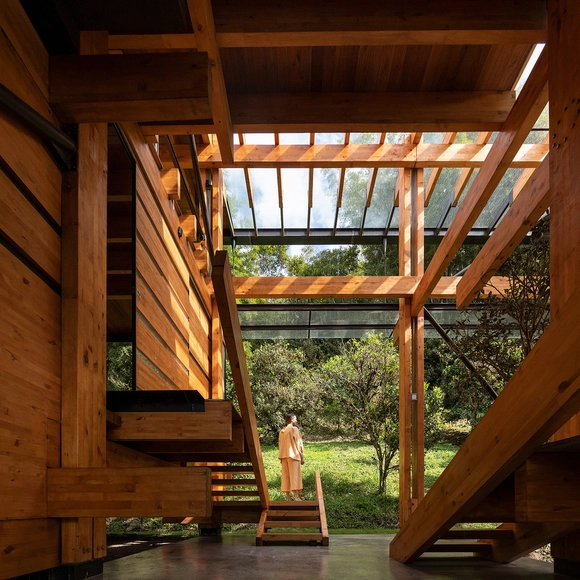
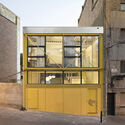
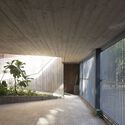
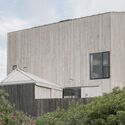
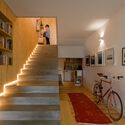
As another year comes to a close, the ArchDaily team looks back at the year's architectural highlights, compiling a selection of projects to review the content featured in 2022. As part of this retrospective, our curation team presents one of our readers' favorite categories—residential architecture—bringing together the projects that represent the very best of a vast year of architectural production, as chosen by our audience.
At a time marked by anticipation for the future of architecture, yet also by reflection on what has been accomplished over the past year, we present the 50 most-visited houses on ArchDaily in Spanish in 2022. In doing so, we continue our ongoing mission to provide tools, inspiration, and knowledge to everyone working toward a better built environment.
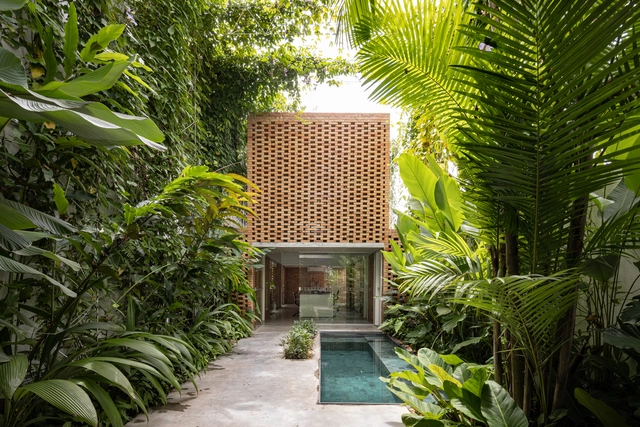
As 2022 draws to a close, it is time to look back at the most memorable moments of the past year. This time, we highlight the most-liked photographs on the ArchDaily Brasil Instagram account.
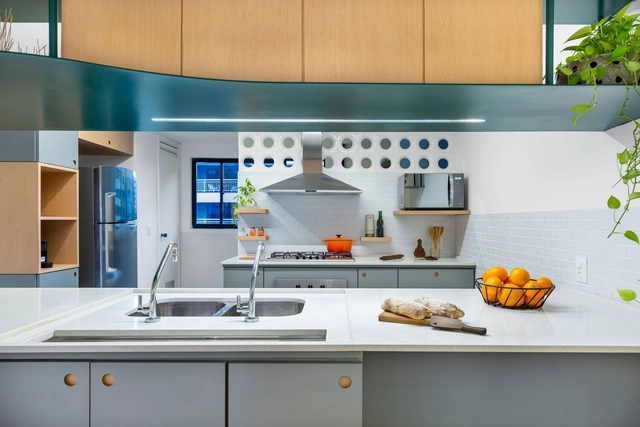
We are used to looking at architecture as large objects situated within the urban fabric or natural landscape, establishing new relationships with their surroundings. However, our daily lives also unfold inside these buildings as we enter, occupy, and interact with them. Consequently, we establish relationships with the built environment immediately around us. Architecture must therefore address the macro scale—such as climate and neighborhood context—while simultaneously attending to the micro scale of finishes, textures, and colors.
Numerous details shape the experience of a building's residents and users; when carefully explored, they elevate the quality of the project and stimulate the senses. These details can be structural, aesthetic, or functional.