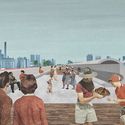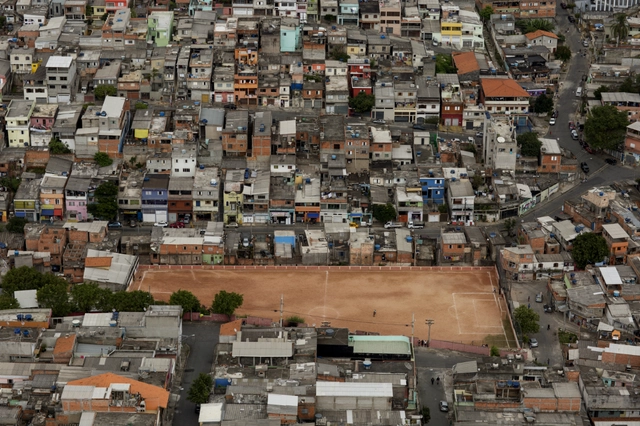
It was a city of untamed rivers: they seasonally burst their banks, shaping fertile, humid floodplains. When the waters receded, the ground became firm enough for a ball to roll and feet to run after it. It was in a São Paulo without rivers buried under sad slabs of concrete that futebol de várzea—floodplain football—emerged.
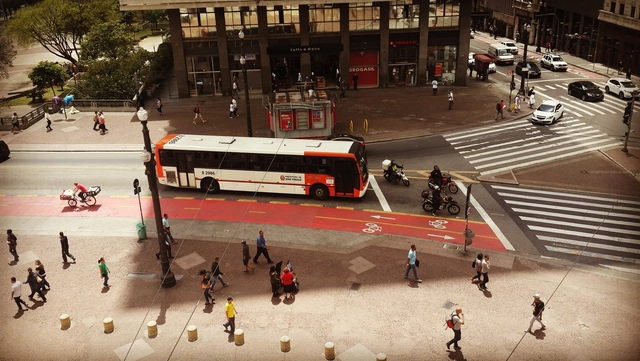
Tracing the history of várzea football in São Paulo means understanding how the city was built around imposing rivers like the Tietê. In the early 20th century, immigrant populations, Afro-Brazilians, and recently freed Black people occupied these territories, giving rise to neighborhoods like Barra Funda in the city's west zone. Far more than an amateur sport, it became established as a symbol of social organization and the struggle for the right to the city, at a time when space in the capital was beginning to be contested and feel the pressures of gentrification.

























.jpg?1544195309&format=webp&width=640&height=580)