Articles
Bound by Light: 10 Artists Transforming Space with Lighting


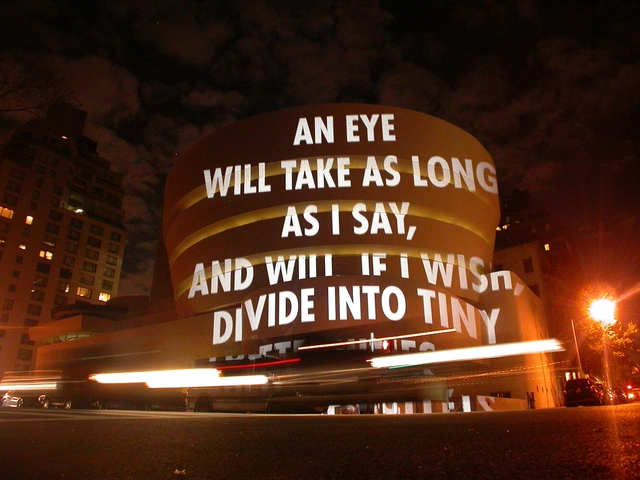
https://www.archdaily.com/1136248/bound-by-light-10-artists-transforming-space-with-lightingVictor Delaqua
Construction Progresses on VM20, the New University of Chile Building in Santiago
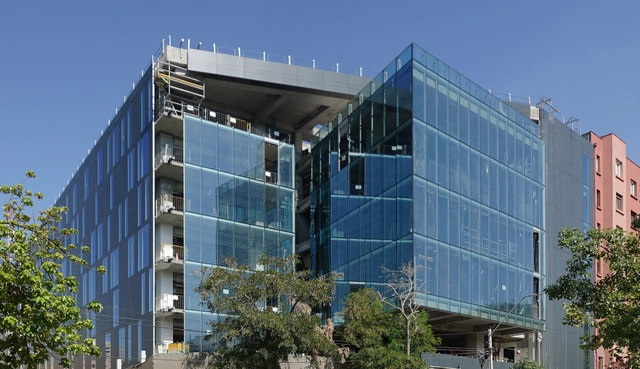
Vicuña Mackenna 20 (VM20), located steps from the Baquedano Metro station in the heart of Santiago, is a new project by the University of Chile. It aims both to become a hub for artistic and cultural outreach and to impact the public space recovery plan in the capital's central area.
https://www.archdaily.com/1136234/construction-progresses-on-vm20-the-new-university-of-chile-building-in-santiagoFabian Dejtiar
The End of Vertical Ghettos? The Commune of Maipú in Santiago, Chile Halts Permits for Mega-Developments
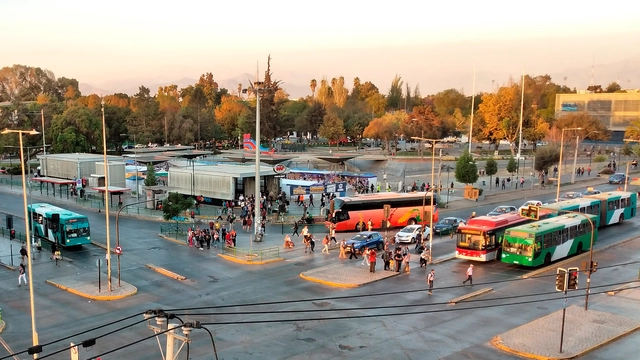
Tomás Vodanovic, mayor of the municipality of Maipú in Santiago, Chile, announced a new measure prohibiting high-rise construction along major thoroughfares, such as Pajaritos, Américo Vespucio, and 5 de Abril, in an effort to foster the aesthetic and sustainable development of the district.
https://www.archdaily.com/1136244/the-end-of-vertical-ghettos-the-commune-of-maipu-in-santiago-chile-halts-permits-for-mega-developmentsIsidora Tscherebilo
What is a climate refuge?
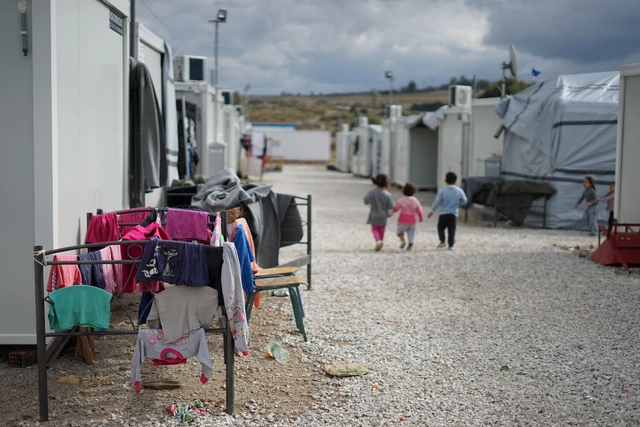
As the climate emergency worsens globally, an ever-larger number of people are forced to flee their homes due to natural disasters, droughts, and other meteorological events. These displaced populations are often referred to as “climate refugees.” This humanitarian crisis demands immediate action, but first we must understand who these individuals are and how the international community can appropriately address this growing issue.
https://www.archdaily.com/1136098/what-is-a-climate-refugeLuiz Henrique Amoêdo
The Capital's Zócalo: Free Concerts, Political Campaigning, and Resistance in Mexico City
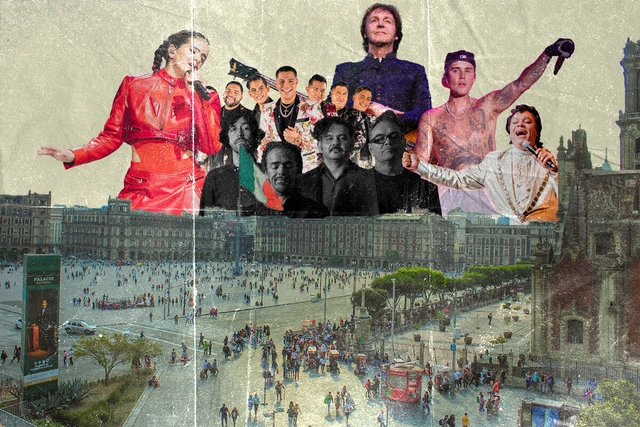
Being present has become the new currency, another way to accumulate symbolic capital, and a new way to validate status. It began with a sudden and rapid surge in museum attendance, alongside the visible crowding of specific areas of Mexico City. This points to an issue currently affecting us: gentrification and forced displacement.
https://www.archdaily.com/1136100/the-capitals-zocalo-free-concerts-political-campaigning-and-resistance-in-mexico-citySofía Manzano
How a comic book brought an unbuilt work by Frank Lloyd Wright to life
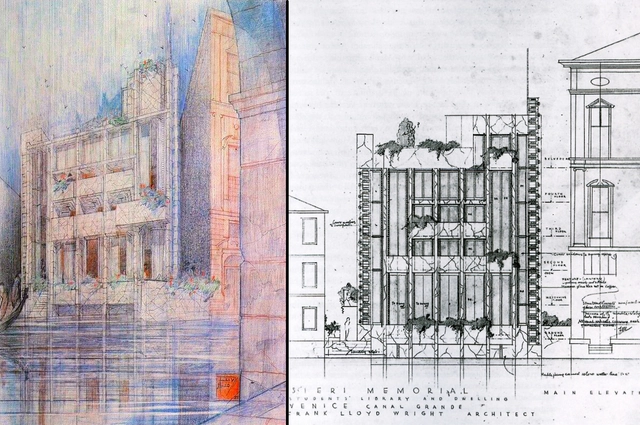
The history of architecture is filled with remarkable unrealized hypotheses, whether due to infeasibility, conceptual radicalism, or other specific factors. Even when conceived by the field's most prestigious minds, these ideas never overcame the inevitable constraints of material reality, nor could they be adapted to make them viable, even partially. Yet, the significance of these projects goes beyond the tangible. Beyond enriching the profession's intellectual heritage, these once-abandoned proposals were—and still are—a catalyst for reflection and a source of inspiration for diverse artistic approaches.
https://www.archdaily.com/1136103/how-a-comic-book-brought-an-unbuilt-work-by-frank-lloyd-wright-to-lifeJoão G. Santos
5 Climate Actions Cities Must Prioritize Starting in 2023
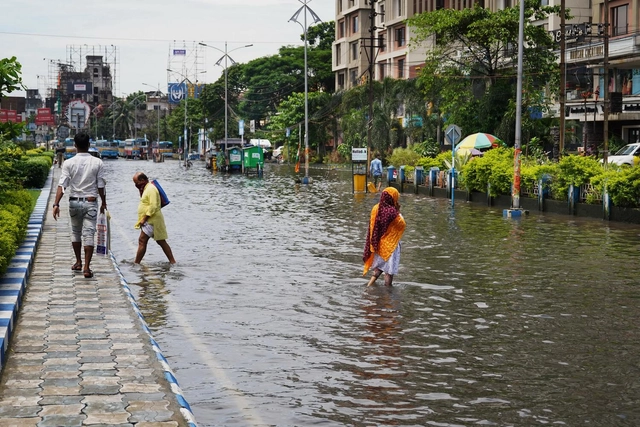
We have less than seven years to halve greenhouse gas emissions if we want to limit global warming to 1.5°C, the threshold scientists consider necessary to avoid some of the most dangerous impacts of climate change. In 2022, floods, droughts, and severe heatwaves claimed thousands of lives and affected millions worldwide, offering a glimpse of what to expect if we fail to take climate action. Since cities account for more than 60% of global emissions and are home to more than half of the world's population, changing how we manage the urban environment must be at the center of our efforts to curb the climate crisis.
https://www.archdaily.com/1136102/5-climate-actions-cities-must-prioritize-starting-in-2023Rogier van den Berg e Leo Horn-Phathanothai
Neuroarchitecture and new ways of living: the history and rise of "Dementia Villages"
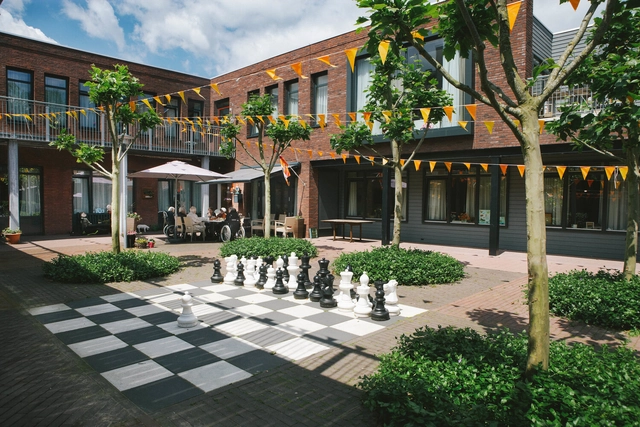
Dementia villages, or communities designed for people living with dementia, represent an innovative model of care for individuals experiencing cognitive decline, such as Alzheimer's disease. These environments are adapted and welcoming, fostering a sense of community while promoting resident autonomy and well-being.
Neuroarchitecture and dementia villages are closely linked, as both seek to create spaces that enhance the well-being and quality of life of those with dementia. Combining neuroscience with design, neuroarchitecture explores how the physical environment impacts the human brain and behavior.
https://www.archdaily.com/1136076/neuroarchitecture-and-new-ways-of-living-the-history-and-rise-of-dementia-villagesCiro Férrer Herbster Albuquerque
Dignity Memorial Mausoleum designed by Grass+Batz Arquitectos, winning project of ESENCIALES x ArchDaily 2023
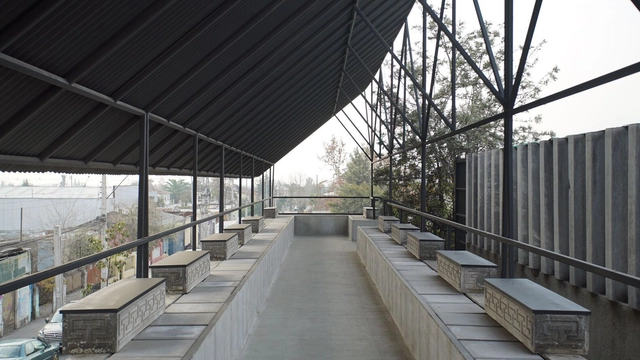
Designed by the architects of Grass+Batz, the Dignity Memorial Mausoleum in Chile has been selected as the winning project in the architecture category of ESENCIALES x ArchDaily 2023.
https://www.archdaily.com/1136079/dignity-memorial-mausoleum-designed-by-grass-plus-batz-arquitectos-winning-project-of-esenciales-x-archdaily-2023Fabian Dejtiar
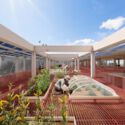
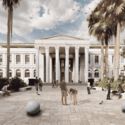
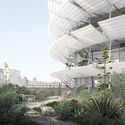
Winners of the fifth edition of STO Chile's 'Proyectar a Conciencia' competition
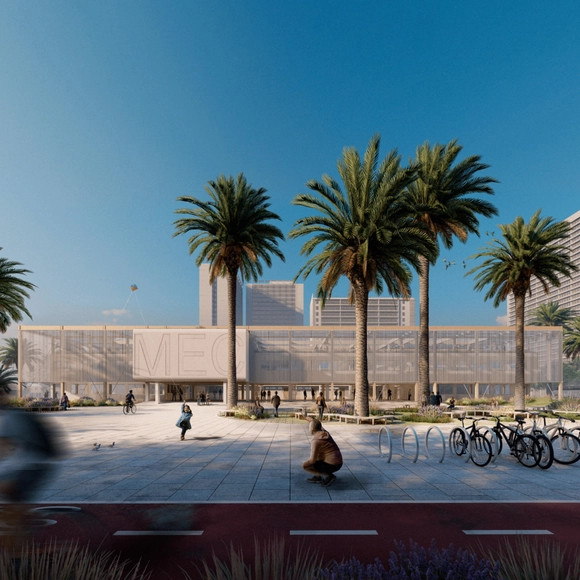
Greenhouse gas emissions from the operation of existing buildings are significantly higher than those generated by new construction—that is, from materials and their use during construction, which account for 25%, while building operations represent 75% of emissions. And this is without accounting for the vast number of buildings falling under the concept of energy poverty.
Against this backdrop, the 'Proyectar a Conciencia' (PAC) competition continues to advance the debate surrounding "building better versus improving what is already built" in its fifth edition. As always, the competition invited students and architects to present a vision of a better society through the energy retrofitting and partial physical transformation of institutional, private, or public infrastructure.


https://www.archdaily.com/1136078/winners-of-the-fifth-edition-of-sto-chiles-proyectar-a-conciencia-competitionNicolas Schultz
The city as home: the importance of urban hospitality for the homeless population
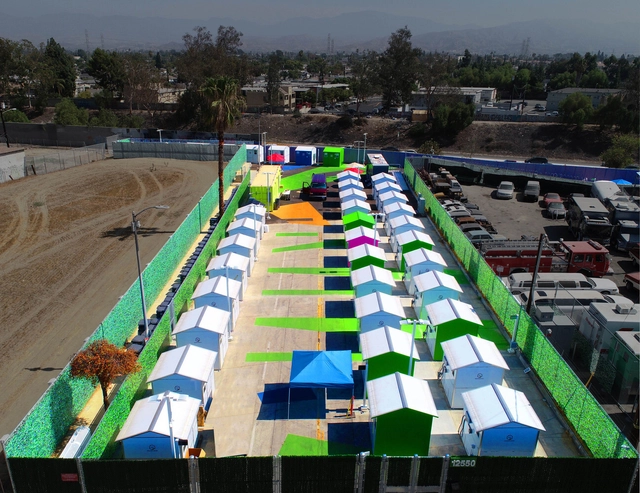
Adequate housing, and everything it encompasses in a broader sense, is one of the essential principles of humanity, established by the Universal Declaration of Human Rights. However, according to statistics from the United Nations (UN), 150 million people experience homelessness worldwide, and 1.6 billion live in inadequate housing conditions. The housing crisis is a multifaceted issue faced in different ways and on different scales by many cities across various countries and continents. One of its most difficult and complex aspects is precisely the deprivation of this basic right, affecting people in diverse ways and for different reasons.
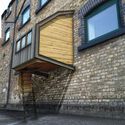
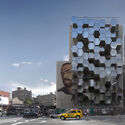

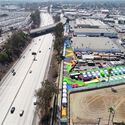

https://www.archdaily.com/1136081/the-city-as-home-the-importance-of-urban-hospitality-for-the-homeless-populationAdele Belitardo
Otrocafé: A Space to Linger and Contemplate the Historic Center of Mexico City
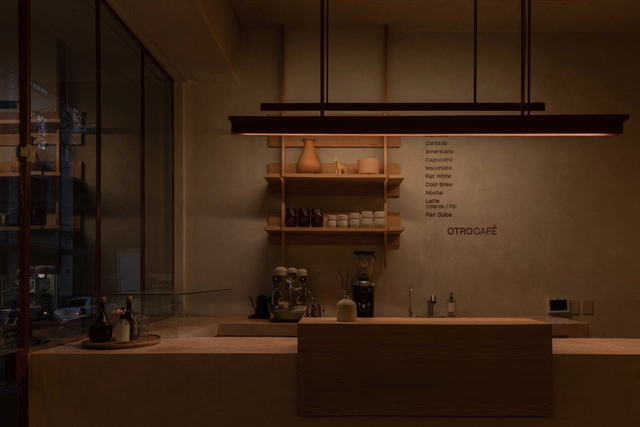
OTROCAFÉ is located on the ground floor of the iconic YWCA building, in the heart of Mexico City's Historic Center—a space steeped in over a century of history. The project was conceived as an integrated architecture and design proposal, a vision reflected in its creative framework. The cafe's design combines several key elements: subtle red accents, wood featured in both the custom furniture and as a continuous envelope wrapping the space, raw walls pigmented with a lime-based plaster, and soft, warm lighting that completes the atmosphere.
https://www.archdaily.com/1136088/otrocafe-a-space-to-linger-and-contemplate-the-historic-center-of-mexico-cityMónica Arellano
Ecological Design: Green Infrastructure and Public Space in Latin America and the Caribbean
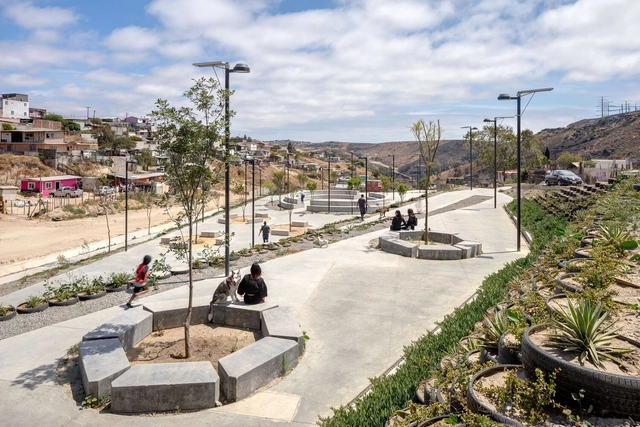
'Ecological Design: Strategies for the Vulnerable City' is a publication series produced by the Inter-American Development Bank (IDB) to assess the impacts of the climate crisis on the most underserved areas of our cities, while exploring initiatives to improve their spatial and environmental quality. The first volume, launched in early 2021, recognized the challenges of adapting vulnerable areas of Latin America and the Caribbean to climate change, and the second, released in late 2022, built upon this by presenting urban policies, strategies, and case studies to enhance public space through green infrastructure and nature-based solutions.
https://www.archdaily.com/1136089/ecological-design-green-infrastructure-and-public-space-in-latin-america-and-the-caribbeanFabian Dejtiar
In Barranquilla, Colombia, urban parks revitalized a declining city
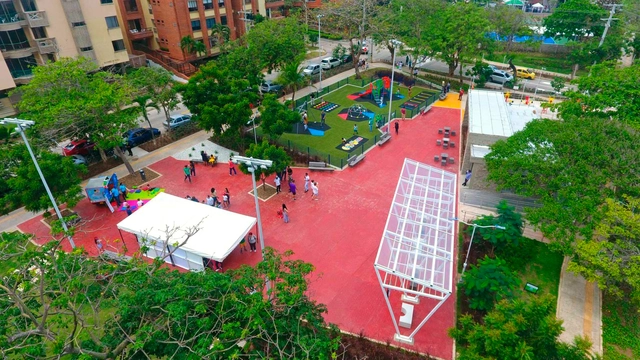
Samira Perez, a longtime resident of Barranquilla, Colombia, used to spend time and money on taxis to take her children to local shopping malls after school and on weekends. There, they would pass the time window-shopping at high-end stores, watching shows, and eating at restaurants.
The central role of the shopping mall in the lives of the Perez family is common in rapidly urbanizing Latin American cities, where, in the absence of accessible outdoor alternatives, malls often provide safe, clean social spaces. In Barranquilla, where malls are ubiquitous, a 2009 perception survey showed that 90% of residents were dissatisfied with the city's green and public spaces.
https://www.archdaily.com/1136094/in-barranquilla-colombia-urban-parks-revitalized-a-declining-cityAnne Maassen
Social and sustainable architecture as a medium for urban remediation at the 2023 Colombian Congress of Architecture and Urbanism
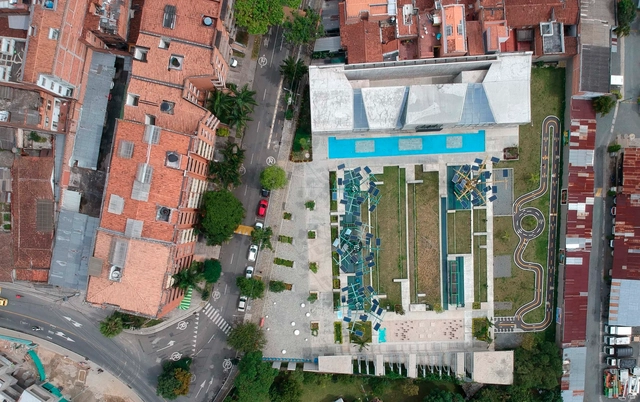
Every year, the Colombian Society of Architects convenes representatives, experts, and special guests to address pressing issues related to everyday architecture. At this year's Colombian Congress of Architecture and Urbanism, the overarching framework was defined by the concept of "social architecture."
https://www.archdaily.com/1136095/social-and-sustainable-architecture-as-a-medium-for-urban-remediation-at-the-2023-colombian-congress-of-architecture-and-urbanismBenjamin Zapico
The Mugak Biennale 2023 opens in San Sebastián alongside Pritzker Laureate Wang Shu and the exhibition "Inhabiting Change"
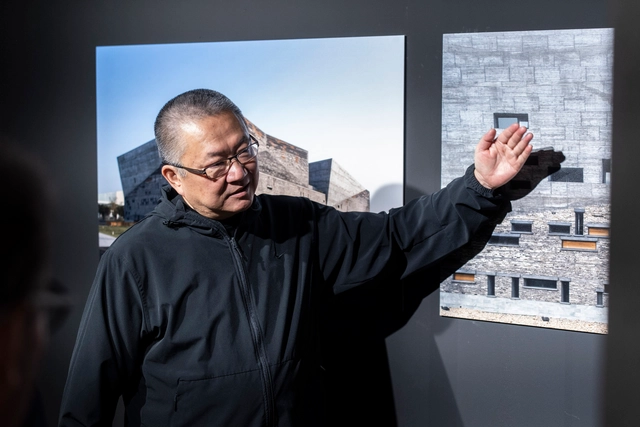
In October 2023, the Mugak International Architecture Biennial of the Basque Country opened its fourth central exhibition in the city of San Sebastián, Spain, the result of a collective dialogue between key figures from the architectural and artistic worlds. Positioned as one of the leading architectural events of the Atlantic Arc, this public meeting point engages with the trends and concerns of our time.
Running through February 2024 with free admission at the Basque Country Architecture Institute, the reflective exhibition "Habitar el Cambio" (Inhabiting Change) is structured around the concepts of "rebuilding, rehabilitating, and rethinking," responding to the current climate of complexity and crisis across economic, health, ecological, and social spheres.
https://www.archdaily.com/1136096/the-mugak-biennale-2023-opens-in-san-sebastian-alongside-pritzker-laureate-wang-shu-and-the-exhibition-inhabiting-changeIsidora Tscherebilo
Solano Benítez on the City of the Future in Mendoza: "To build with the least amount of matter and energy"
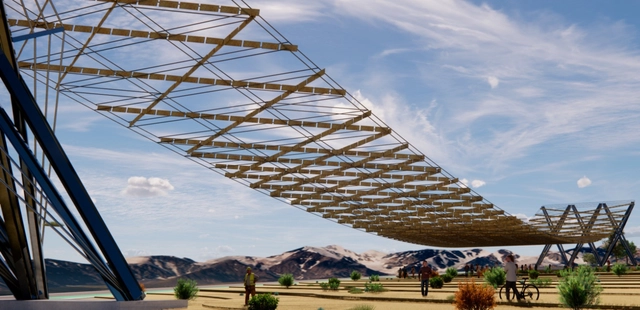
As perimeter walls are dismantled, a new layout is taking shape on the runway of Mendoza's former airfield. This adaptive reuse initiative, driven by the Inter-American Development Bank (IDB) and the municipal government, seeks to repurpose the vacant 72-hectare site to explore and develop a more open, inclusive, and carbon-neutral city. The master plan focuses on strategies addressing environmental and climate sustainability, efficient energy, water, and sanitation management, housing, mobility, and accessible public spaces, alongside social inclusion and local development. The plan envisions the integration of infrastructure, parks, green spaces, commercial and dining uses, a technology and innovation hub, and the development of new single-family and collective housing models: "the housing of the future."
The official presentation of the project to Mendoza government authorities, IDB representatives, students, and other guests took place on the site of the former airfield. For this occasion, renowned Paraguayan architect Solano Benítez was invited to design and construct an entrance pergola for the "city of the future." The structure aligns with the urban project's circular economy framework, blending craftsmanship and prefabrication to "transition from traditional construction dependent on high-embodied-energy systems toward reusing materials with lower energy expenditure," according to IDB architects and urban planners Felipe Vera and Matías Lince. Grounded in exploring the tectonic potential of brick—the quintessential material of Paraguayan construction—Benítez's work focuses on delivering efficient, local architectural solutions that prioritize the intelligent use of materials.
https://www.archdaily.com/1136107/solano-benitez-on-the-city-of-the-future-in-mendoza-to-build-with-the-least-amount-of-matter-and-energyFabian Dejtiar + Paula Pintos
Jobs in Beijing | PILLS Studio: Architect, Interior / Exhibition Designer, Business Operations Manager (Deputy General Manager), Brand & Operations Specialist, Artwork / Installation R&D Specialist, Interns (Architecture / Exhibition / Interior Design)
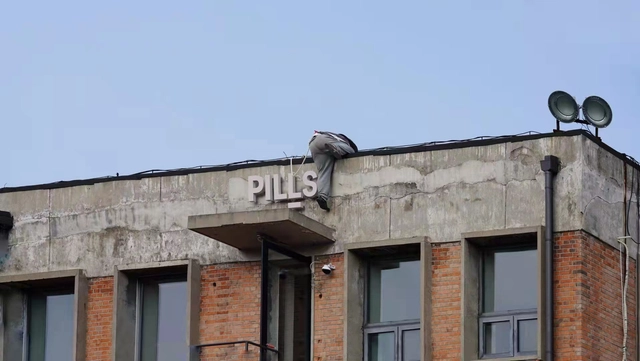
PILLS is a Beijing-based research studio for architecture. Our practice primarily encompasses speculative endeavors in architectural and interior design, installation and exhibition design, urban and landscape design, as well as cross-media production and cultural dissemination. Spanning installations to public buildings, and cultural projects to commercial developments, PILLS actively delivers diverse urban and architectural design services while simultaneously leveraging various media to drive the production of contemporary architectural culture.
The studio’s architectural, research, and art projects are widely recognized within the discipline. Our work has been showcased at major international exhibitions, including the Venice Biennale of Architecture, Lisbon Architecture Triennale, Oslo Architecture Triennale, Seoul Biennale of Architecture and Urbanism, Helsinki Design Week, Shenzhen-Hong Kong Bi-City Biennale of Urbanism\Architecture (UABB), Shanghai Urban Space Art Season (SUSAS), Beijing Art Biennale, National Exhibition of Fine Arts, Shanghai Power Station of Art (PSA) Emerging Curators Project, Hyundai Motorstudio Beijing Youth Curator Program, Get It Louder, the "Nine-Tiered Pagoda" exhibition at Shenzhen Pingshan Art Museum, and "A New Generation of Working Methods" at the Synaesthetic Museum. The studio’s projects have also won numerous accolades, including First Prize in the Fairytales Competition, First Prize in the Jacques Rougerie Competition, and the Academic Committee Award at the Shenzhen-Hong Kong Bi-City Biennale of Urbanism\Architecture (UABB).
https://www.archdaily.com/1136121/jobs-in-beijing-pills-studio-architect-interior-exhibition-designer-business-operations-manager-deputy-general-manager-brand-and-operations-specialist-artwork-installation-r-and-d-specialist-interns-architecture-exhibition-interior-designJuly Shao
NASA study shows which countries emit the most CO2 in the world

To calculate the amount of CO2 emitted by each country, the traditional method considers emissions from each sector of a nation's economy using a “bottom-up” approach, relying on data collected on the ground. However, a new approach to answering this question utilizes satellite data from NASA.
https://www.archdaily.com/1136112/nasa-study-shows-which-countries-emit-the-most-co2-in-the-worldNatasha Olsen
Architecture of engagement: representation and publicization in the era of social media

The relationship between architecture and its various mediums of representation, reproduction, and publicity is nothing new. Drawings, blueprints, and photographs published in books, magazines, and newspapers have historically been an integral part of the profession's trajectory. Over the last decade, with the rise of social media—particularly platforms centered on visual communication—architects have adopted these tools in myriad ways, incorporating them into their professional practice. Yet while these networks can produce and popularize content for diverse audiences, does architecture risk becoming a hostage to its own representation in this era of engagement?
https://www.archdaily.com/1136115/architecture-of-engagement-representation-and-publicization-in-the-era-of-social-mediaAdele Belitardo
Shanghai Jobs | Verse Design: Lead Architect, Project Architect, Architect, Assistant Architect, Interior Design Director, Interior Designer, Architectural Intern
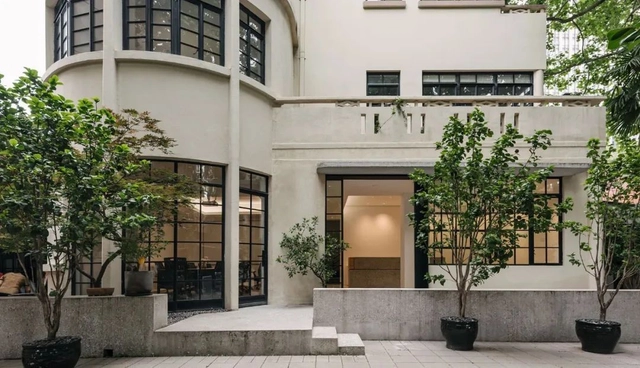
Founded in 2002 by a group of architects with diverse academic backgrounds from both China and abroad, Verse Design has been deeply engaged in exploring various scales of design for over twenty years, including urban design, architectural design, community making, and residential product systems. Through years of practice, the firm has developed a systematic and continuous design logic and methodology. From programming and planning to urban design, and from schematic design to detail control, a "craftsman's spirit" permeates every phase of our work. We are dedicated to the process of identifying problems, refining solutions, and executing them, maintaining an exceptionally high standard for project implementation and completion. Our primary project types include cultural tourism resort towns, resort hotels, as well as cultural and community lifestyle amenities.
Verse Design maintains a boutique team size and a flat management structure, offering architects a highly autonomous working atmosphere. Here, you will engage in multi-dimensional, full-lifecycle projects ranging from early-stage programming and urban design to architectural design and detailing. We look forward to welcoming like-minded, exceptional architects to join us and grow together with Verse Design.
The firm's office is located in a historic garden villa at the intersection of Zhaojiabang Road and Wulumuqi Road in Shanghai. It is conveniently situated just 50 meters on foot from Zhaojiabang Road Station (Metro Lines 7 and 9), offering an easily accessible and comfortable working environment.
https://www.archdaily.com/1136111/shanghai-jobs-verse-design-lead-architect-project-architect-architect-assistant-architect-interior-design-director-interior-designer-architectural-internJuly Shao
Building Without Water: A Debate on the Water Footprint (and Rainwater as a New Material)
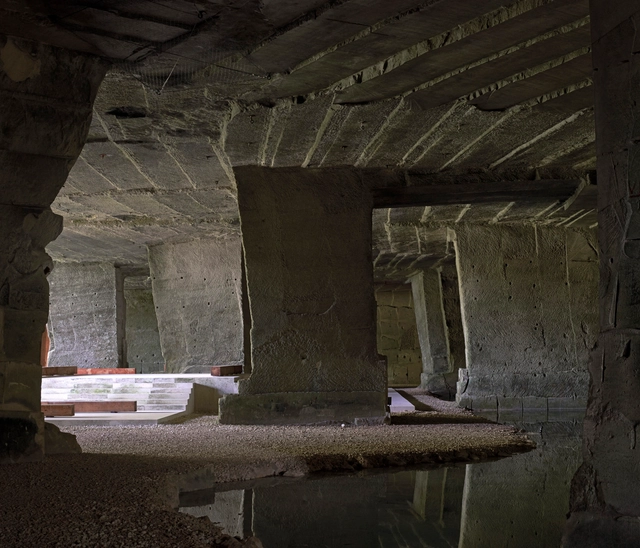
Can we construct buildings using less water? Throughout June, ArchDaily opened the debate on water resources in architecture, inviting our readers to join the discussion.
Global water use data is discouraging, and the construction process accounts for a significant portion of this consumption. It was time to think about how to reduce this impact. The need to design buildings that do not require water offered a unique opportunity to explore innovative and sustainable alternatives to minimize or even completely eliminate water use in construction.
https://www.archdaily.com/1136119/building-without-water-a-debate-on-the-water-footprint-and-rainwater-as-a-new-materialFabian Dejtiar
How can cities transition toward a circular economy?
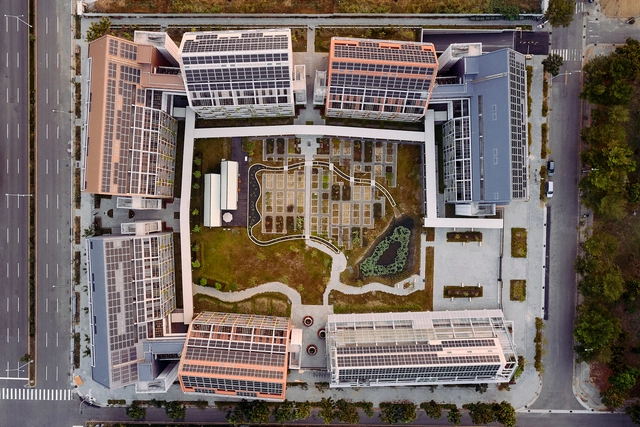
With 55% of the world's population living in cities, the concept of circular economy is increasingly prominent in discussions on architecture and urbanism. The goal of circularity is to reduce the environmental impact of the current production and consumption model through the efficient use of material resources and waste reduction. But how can this idea actually be applied to cities?
https://www.archdaily.com/1136104/how-can-cities-transition-toward-a-circular-economyFabian Dejtiar
Architecture and Ecology: On Restoring (and Creating) Wetlands
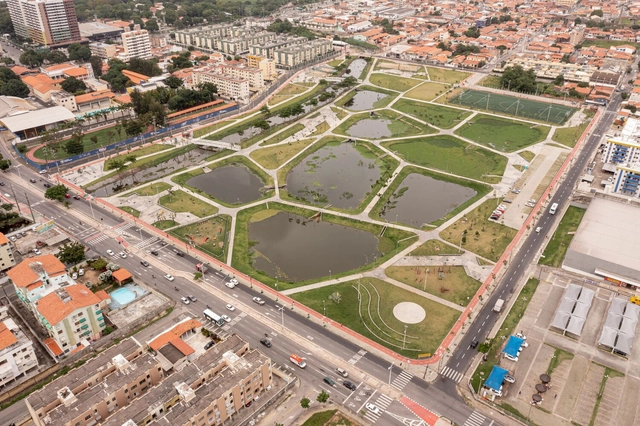
This February 2 marks another World Wetlands Day, held under the theme revitalize and restore degraded wetlands. The 2023 theme highlights that "if done correctly, these sites can offer the same benefits as the original natural wetland."
https://www.archdaily.com/1136110/architecture-and-ecology-on-restoring-and-creating-wetlandsFabian Dejtiar