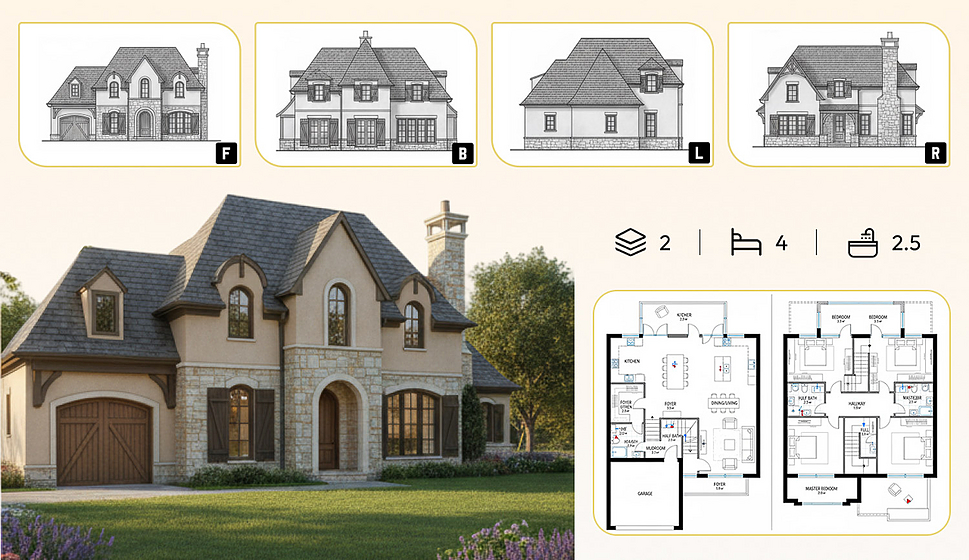
This guide covers a workflow that moves from project parameters to generated floor plans, 3D perspective views, exterior design exploration, and site context visualization, using AI tools in place of preliminary CAD and rendering work.
This guide covers a workflow that moves from project parameters to generated floor plans, 3D perspective views, exterior design exploration, and site context visualization, using AI tools in place of preliminary CAD and rendering work.
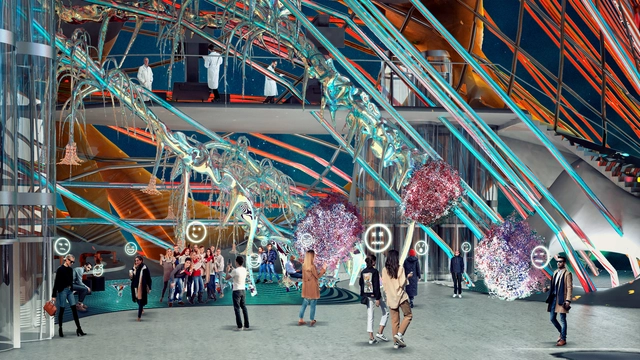
From NFTs and the Metaverse to the productivity benefits of real-time rendering, this year presents a prime opportunity to discuss the latest trends in visualization.
With this in mind, we want to open the debate and hear your thoughts on the following questions: How much can we learn from other related industries such as cinema, video games, and industrial design? How can architecture contribute to and advance the world of visualization?
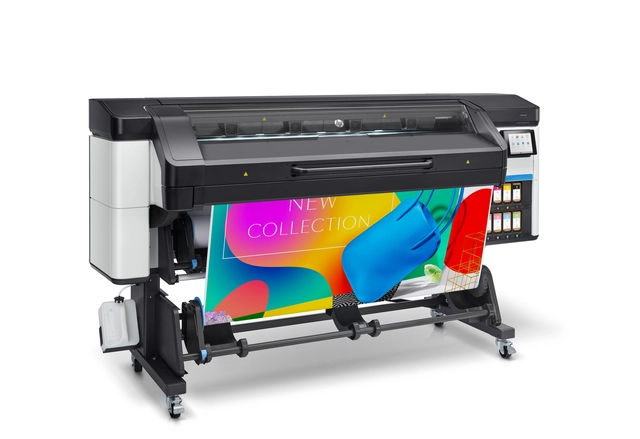
Delivering productivity levels up to 50% higher than previous models, HP introduces its new range of HP Latex large-format printing solutions. The series consists of four devices—the HP Latex 700 and 800, and the HP Latex 700W and 800W—introducing white ink printing to this category for the first time. Print jobs executed by this new series will not only deliver brighter colors and finer details, but will also do so at even faster printing speeds, reaching up to 36 m2 per hour.
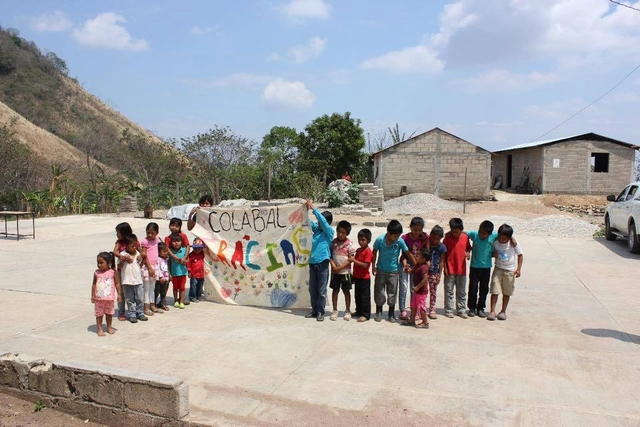
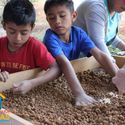
When we speak of social production, we refer to processes where community leaders are adults who represent and make decisions for their community; however, we often overlook children, who also enjoy and live in these spaces. They are the ones with limitless imagination and creativity, who create scenarios on Mars on a basketball court. They are the ones who hold the best car races in the loose sand of their backyards. They are children who, due to various family or economic circumstances, cannot write a letter, but instead express what they feel and want through the lines they draw.


It is well known that the construction industry is one of the largest producers of CO2. Although significant progress has been made in technology and in design and construction processes, there is still a long way to go to minimize or nearly eliminate carbon emissions in the development of the built environment.
Indeed, as revolutionary as the construction industry may seem today, it remains responsible for nearly 40% of global carbon dioxide emissions, 11% of which result from the manufacturing of building materials such as steel, cement, and glass.
What are the latest trends in reducing emissions in both design and material manufacturing? How should the industry transition toward net-zero architecture? These are some of the questions we want you to help us answer.
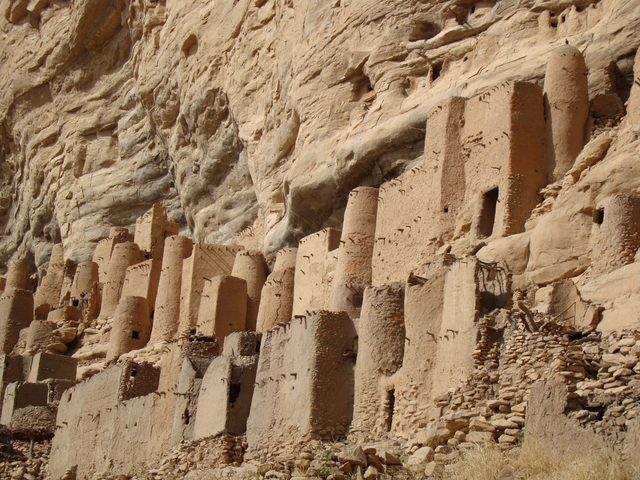
We visited “Dogon Country” in Mali (latitude 15°N) in 2008 to observe how vernacular “Dogon” architecture (a UNESCO World Heritage site) has achieved the counter-form of lived experiences. We were looking for the coherence between society and dwelling through architecture and urbanism in another dimension and another culture.
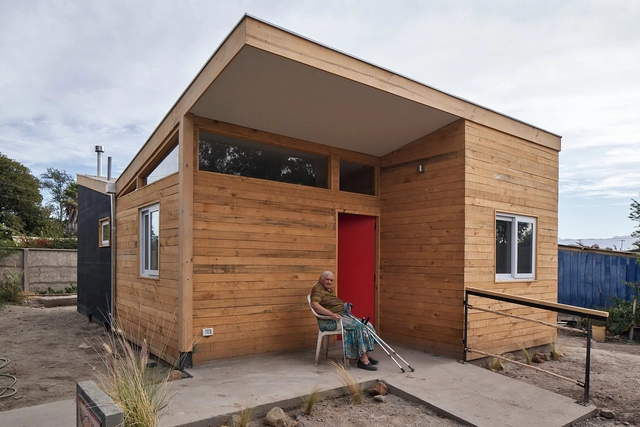
Throughout its history, CHC has participated in and supported social projects that improve the quality of life of their residents, while constantly seeking to establish new and better standards that contribute to the construction of spaces. In this particular case, the project led by architect Jaime Ovando integrates public funds through Chile's Habitabilidad Program and the Illustrious Municipality of Paine, along with private contributions from building material companies, the architecture firm, and the construction company, including CHC.
Thinking about the present and future of older adults is essential to improving the population's quality of life. According to the United Nations study on world population prospects, by 2050, it is estimated that 32% of Chile's population will be over 65 years old. According to data from the 2017 National Socioeconomic Characterization Survey (CASEN), 22.1% of older adults in the country live in multidimensional poverty. The connection between architecture and social commitment develops a strategy to combat vulnerability in this demographic.
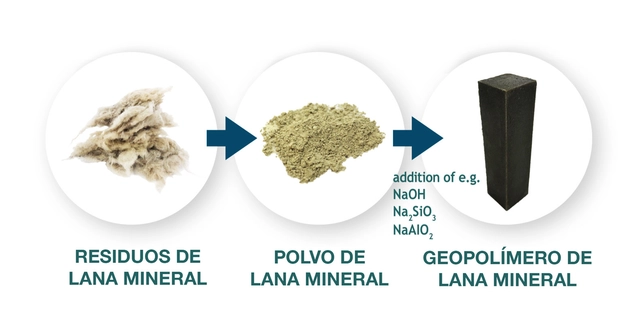
When addressing the recycling process of construction materials, several obstacles stand in the way of achieving a comprehensive and effective outcome. First, careless demolition can make the process highly complex, as materials destined for different recycling streams are often mixed together. Furthermore, not all materials can be recycled or processed efficiently, as many still require costly or overly complex processes. However, the construction industry—a major contributor to waste production and greenhouse gas emissions—has also developed multiple new technologies to improve its practices. This is where the WOOL2LOOP project comes in, aiming to resolve one of the greatest challenges in applying a circular approach to construction and demolition waste.

This July 11 marks World Population Day, an annual event established by the United Nations Development Programme (UNDP) in 1990 to raise awareness of global demographic issues. This is a critical issue today; not only is the global population projected to reach nearly 10 billion by 2050, but the latest UN-Habitat reports estimate that, by then, two-thirds of the world will live in cities.
Every year, World Population Review assesses urban growth and the number of residents living in metropolitan areas to understand global development trends. While the list of the 20 most populous cities in the world features recurring Asian hubs like Tokyo, Delhi, and Shanghai, it also includes several Latin American metropolises such as Sao Paulo, Mexico City, and Buenos Aires. Consequently, we have compiled a list of the ten most populous cities in Latin America to understand their growth and role in the global context.
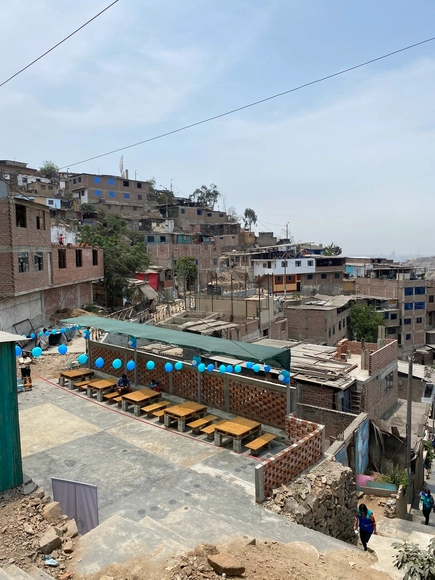
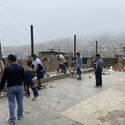
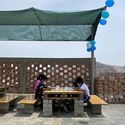
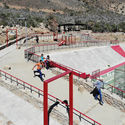
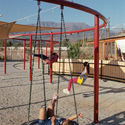
In Peru, communal kitchens (ollas comunes) are self-managed neighborhood initiatives located in vulnerable areas. Driven by the food and educational insecurity triggered by the pandemic, these spaces have assumed a vital role in child development, transforming themselves into neighborhood schools. Within this context, "DIT: Building a Space for Children" emerged—a project selected for the XII Ibero-American Biennial of Architecture and Urbanism. Through this initiative, architects Gian Franco Pedreschi, Sergio Iván Puch, and Jhordano Zabanick, together with the community of the AA.HH. Horacio Zevallos, intervened in the public space adjacent to a communal kitchen in the Rímac district, improving the residents' quality of life.
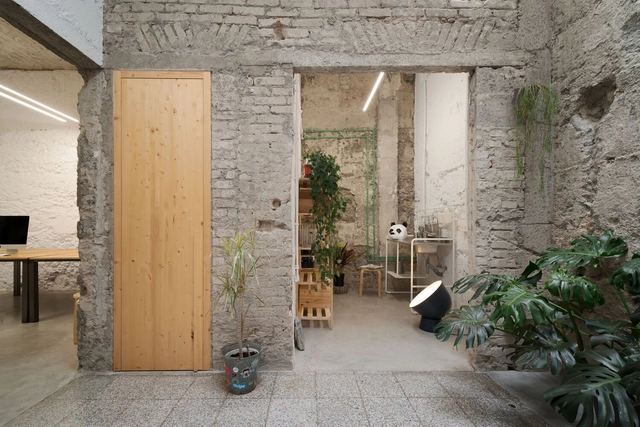
Many of us agree with Roman Mars of 99% Invisible when he says that "we tend to not notice well-designed things"—yet many also agree that design is often perceived as being for only a select few. Consequently, we must ask ourselves what is truly democratic when it comes to design, and from there, help define and contribute our vision toward a more just society.
From the perspective of design and architecture, we can approach the democratization of design from various angles—from incorporating design into everyday needs to designing inclusively. At the core of it all lies the search for solutions that improve accessibility and livability in our daily lives.
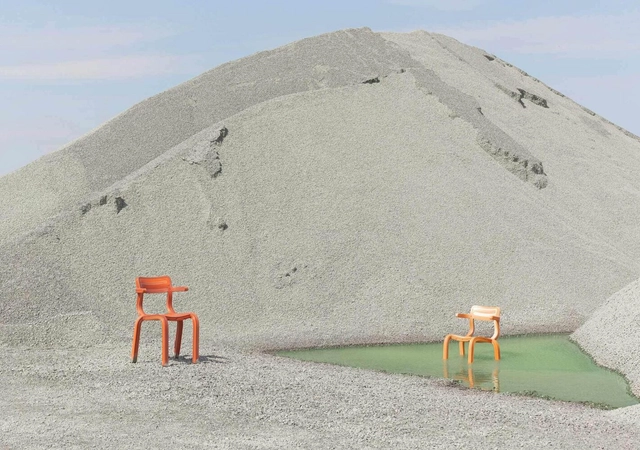
The construction industry is one of the largest producers of pollutants and waste globally in its daily operations. To put this into perspective, in the mid-1990s in Great Britain, construction processes generated nearly 10 million tons of post-industrial waste. Approximately a decade ago, over 3.5 billion new bricks were used annually, while around 2.5 billion were demolished; of that total, only about 140 million were reused, with the rest sent to landfills.
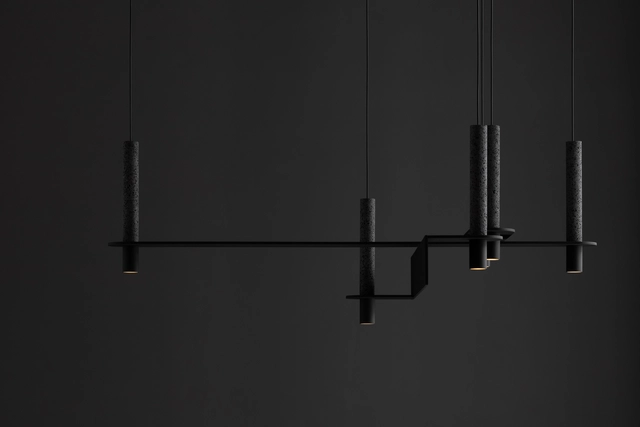
Founded in 2013 and based in Mexico City, David Pompa is a studio comprising designers, engineers, and makers established in Mexico and Austria. David Pompa grew up in both countries and studied product design in London. Over time, the studio has shown a strong interest in traditional materials and techniques, maintaining a commitment to Mexican culture since its inception—a dedication reflected in the creation of aesthetic and accessible design objects. On this occasion, they are presenting a new collection for Milan Design Week 2022 on Via Simone Saint Bon as part of Fuorisalone from June 5 to 12.
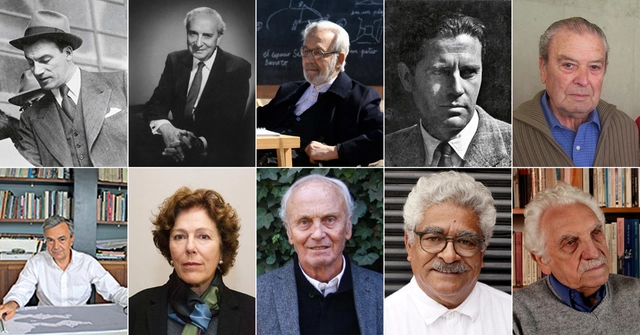
The National Architecture Award of Chile is presented by the Colegio de Arquitectos (Architects Association) to recognize "a lifetime dedicated to the service of architecture," according to the organization. First awarded in 1969, the inaugural recipient was Juan Martínez, architect of landmark projects such as the Law School at the University of Chile and the Votive Temple of Maipú.
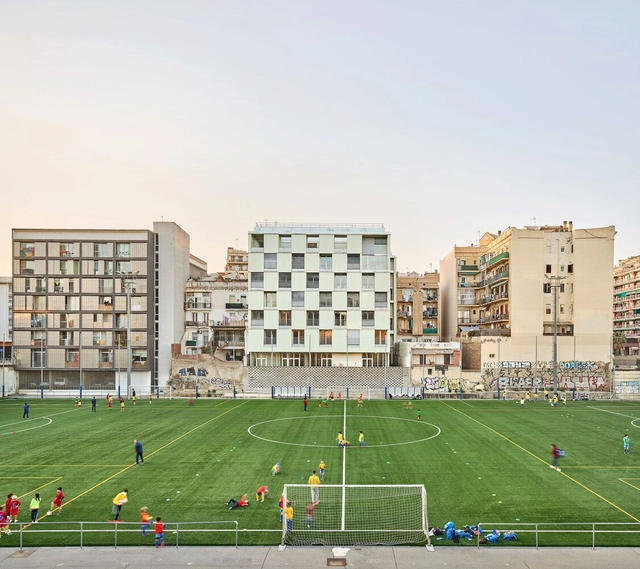
Is there a future for our cities without a sustainable way of life? For some time now, urban sustainability has been viewed primarily through the lens of climate change rather than a holistic vision that integrates society and the way we live in community.
What new ways of living are we experiencing amid social, economic, and ecological shifts? We need to bring to the table different reference cases from around the world and understand the latest trends shaping how we live in our cities.
We want you, our readers, to not only be the first to share examples of co-living, cooperatives, and any new types of social housing you consider benchmarks, but also to share your thoughts on the matter in the form below. Selected comments will be published in an upcoming article.
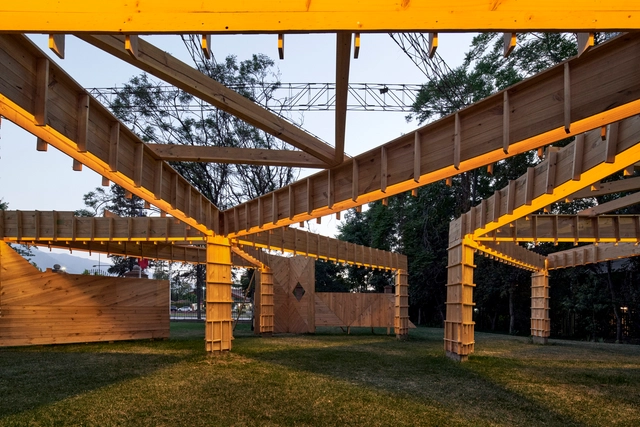
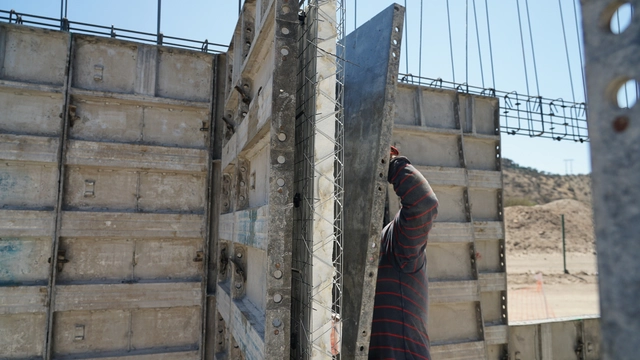
Following the 60th anniversary of the iconic Casa en Jean Mermoz—a precursor to the ideas of Ciudad Abierta in Ritoque—Igor Fracalossi, PhD, proposed a reconstruction of its wooden formwork system. He knows the building well; since 2012, he has dedicated his research to studying "the most complex residential project in Chile to date.”
While walking through the exhibition of the reconstruction in the gardens and galleries of the Centro Cultural Las Condes in 2022, he explains in detail the innovative and unique construction aspects of this demolished work. The house was originally designed by Fabio Cruz Prieto, architect and founding master of the School of Architecture and Design at the Pontificia Universidad Católica de Valparaíso.
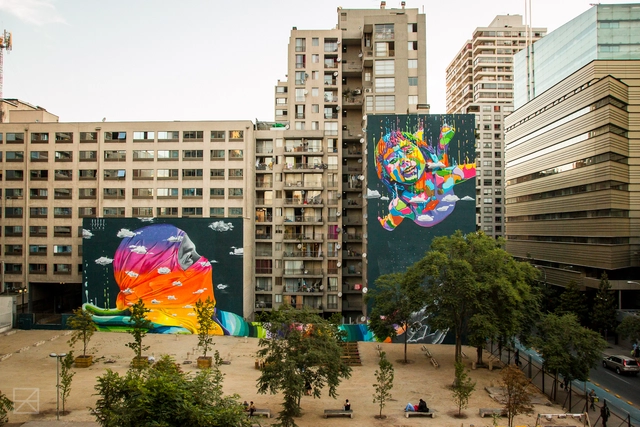
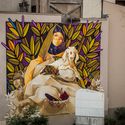
How do we experience cities? What moves us? What do we remember about them? Monuments? Museums? Are we merely tourists, or do we live the city as an experience? Art is part of the urban fabric—a way to create new paths, lifestyles, and reference points that lead us to identify the unique spaces and moments experienced within it. Art is not confined to museums; it is in the streets, on the walls, and on the buildings that shape the city. Public space dialogues with artistic expression, engaging people, neighborhoods, cities, and an interconnected world to create new modes of community within a culture that is attentive to and understands our contexts and ecosystems.
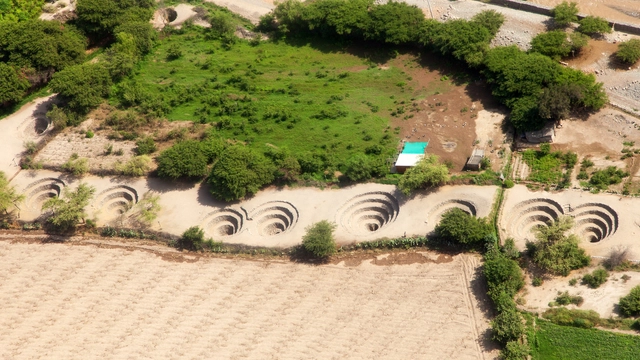
Set in the heart of one of the world's most arid deserts, the Nasca aqueducts form a hydraulic system that, for nearly two thousand years, has demonstrated advanced geological and hydrological knowledge. This system allows water to be sourced for both human consumption and agriculture, creating fertile oases in the desert. The Nasca Aqueducts represent a unique hydraulic system in the Americas, owing to their distinct design, construction technique, location, and function. They serve as an exceptional testament to the capacity of ancient societies to overcome adverse conditions, offering solutions that could be applied to the climate challenges of our time.


What do we mean by heritage? This is one of the main questions raised by Alejandro Orellana, director of Relatos de Barrios—a Chilean project that seeks to reclaim the heritage and historical value of housing complexes, highlighting the community dimension behind the lives of their residents.
A documentary and a book are the results of their experience with the “CCU Worker Housing” in La Serena, later renamed the “Rengifo Housing Complex.” Designed in 1957 by architect Carlos Feuereisen Polanco and built in 1958 by Negochea and Vergara, it represents a characteristic housing typology of the city.
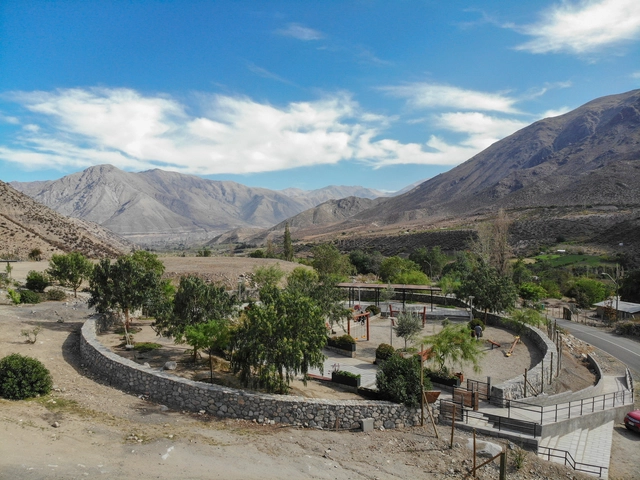
Gathering spaces in rural areas play an important role in improving the quality of life for local communities. In April 2022, Fundación Mi Parque launched the book “Rural Public Spaces: Community, Architecture, and Landscape” as both a contribution and a guide for a design discipline that seeks to highlight and address the need for meeting spaces in rural environments. The book is the culmination of five years of fieldwork, during which 37 community spaces were built, benefiting more than 26,000 residents in the Choapa Province of Chile's Coquimbo Region.
Exacerbated by the pandemic, the housing crisis has become a global phenomenon. Rising prices, lack of access, and poor housing policies have resulted in greater scarcity and precarious conditions. Chile is no exception. Indeed, according to the latest reports issued by the Chilean Chamber of Construction (CChC), there are “more than 700,000 families experiencing overcrowding and irreparable housing, in addition to 81,000 families living in informal settlements.”
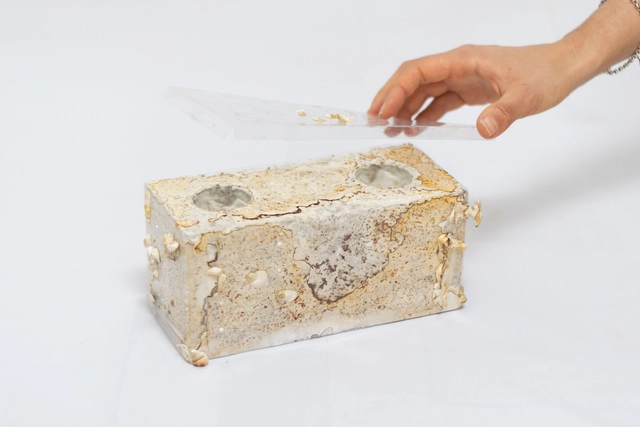
Although the construction industry has spent years making strides in new fields such as biomaterials, nanotechnology, and 3D printing, it simultaneously remains one of the slowest to adopt new technology. Many of these innovations never progress past the experimental stage. How can this situation be reversed?
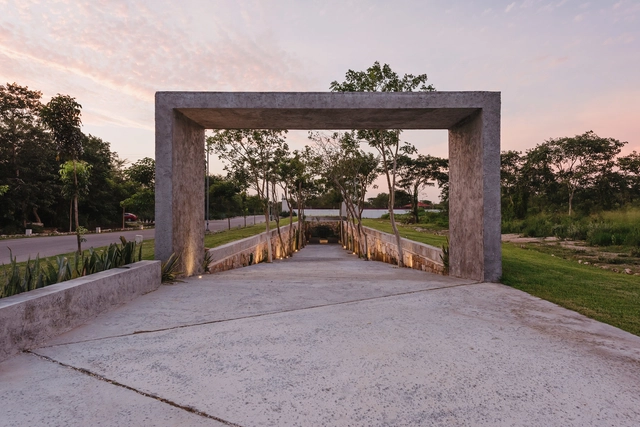
The results of the XIV Yucatan Architecture Biennial have been announced. A total of 17 accolades were awarded, including 1 gold medal, 6 silver medals, and 10 honorable mentions across 15 different categories. The jury comprised architects Edgar Herrera, Manuel Herrera, Felipe Leal, and Carlos Rodríguez. Read on to discover the winners.
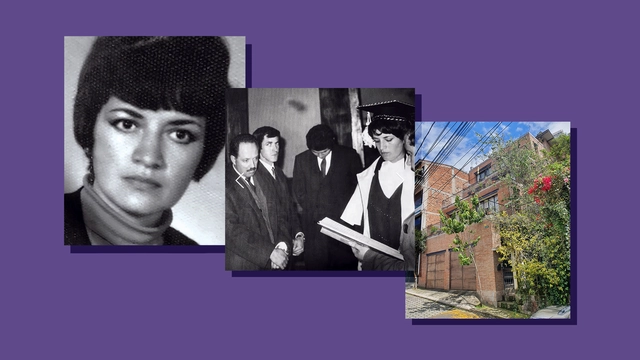
Born in Quito in 1947, Guadalupe Ibarra settled in Cuenca during her adolescence due to her father's military career. It was there that she decided to study architecture, enrolling at the University of Cuenca in 1963. An outstanding student, Ibarra earned her degree in 1970, becoming the first Ecuadorian woman to graduate as an architect in the country.
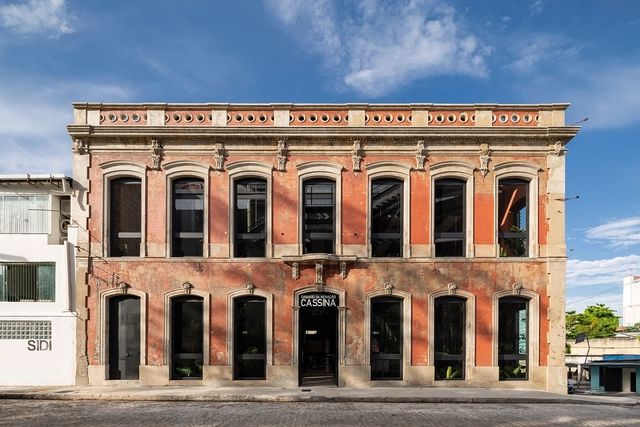
In November 2022, the Network of Latin American Architecture Biennials REDBAAL will mark its first ten fruitful years, celebrating this milestone by launching the Fourth Edition of the Oscar Niemeyer Award for Latin American Architecture, the prestigious ON-04 Prize. This August, the jury's decision was announced, revealing the top three winners and recognizing the work of architects from Brazil and Mexico.