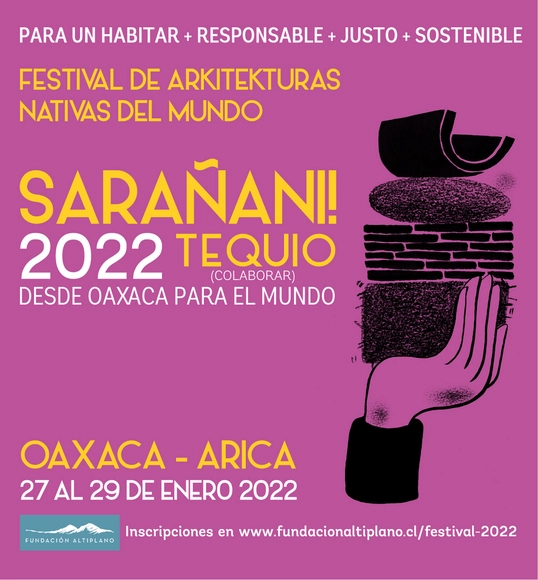
General poster for the Sarañani! 2022 Festival. Art by Oaxacan artist Fanel Reyes (@fannnel on Instagram)
The Sarañani! Festival of Native Architectures of the World (Let’s Walk) fulfills its promise as a traveling festival, arriving in Oaxaca, Mexico, for its second edition. From January 27 to 29, the Sarañani! Festival will bring together global architectures that share the goal of achieving more equitable and responsible living. Hosted from Oaxaca, the event is made possible through a partnership with the Roots studio, led by architect and artist João Boto Caeiro, whose work is recognized for its exceptional quality, integrating tradition, sustainability, and social purpose. This year’s theme, presented in the Nahuatl language, references the Oaxacan custom of Tequio—a form of collaboration that invites collective efforts to preserve the knowledge of living in community.
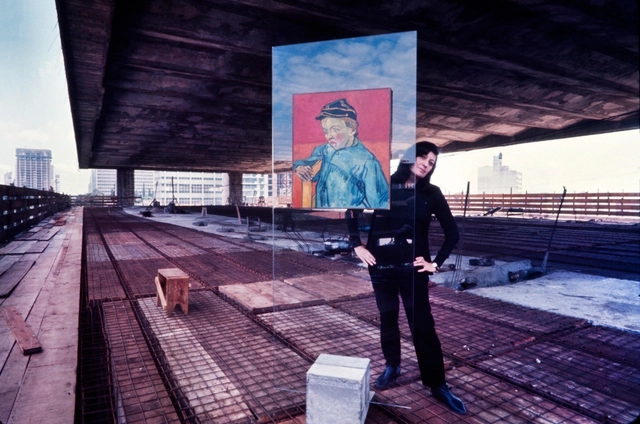
Lina Bo Bardi at the MASP construction site behind the crystal easel prototype with a reproduction of The Schoolboy, 1960s. Photo: Lew Parrella – MASP Research Center Collection
A course on the life of Lina Bo Bardi (1914–1992), a Rome-born Brazilian architect. With an emphasis on her architectural and exhibition projects, the sessions will cover everything from her education in Italy to the stories behind the design and construction processes of buildings such as MASP, Sesc Pompeia, and Solar do Unhão.
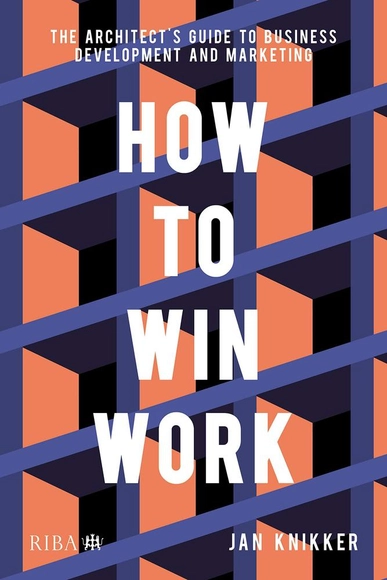
For the first time ever, IE School of Architecture and Design opens its doors to the public for a very special talk by Jan Knikker. He is Partner and Director of Strategy at MVRDV, the internationally renowned architecture studio based in Rotterdam and known for its award-winning projects such as Depot Boijmans Van Beuningen, Tianjin Binhai Library and Moscow's Silhouette.
The urban scope of the territorial and cultural confrontations between the United States and the Soviet Union extends beyond the well-known post-war reconstructions of Europe, reaching across countries in Latin America, Africa, and Asia. Through plans, maps, and microhistories, the exhibition explores the role of architecture and urban design in the more than 500 projects—led by Robert McNamara—that the World Bank financed between 1972 and 1985 in 136 cities of what was then known as the "Third World." This war on poverty sought to halt the advance of communism and expand the geopolitical frontiers of the First World into developing countries, this time through an economic growth agenda that instrumentalized urban housing.
As part of the CEELA project, "Strengthening capacities for energy efficiency in buildings in Latin America," we have begun the activation process for our training initiatives. We invite you to participate in the international digital diploma program, "Energy-Efficient Building and Adaptive Comfort." This online course was developed by the CEELA Project and the National Autonomous University of Mexico (UNAM).
The postgraduate program in "Parametric Design in Architecture" aims to foster the development of technical skills and cognitive strategies, enabling students to create design methods using programming languages. Through a practical and theoretical approach, the program seeks to equip students with the skills necessary to apply knowledge and techniques of parametric modeling, with a focus on material behavior simulation, form-finding processes, and form generation and optimization.
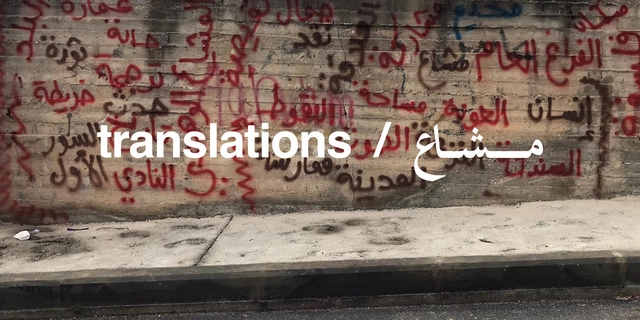
The exhibition translations / مشاع showcases artistic, architectural, performative, multi-media and literary works, relating to “translation” as a practice of invention/transformation, memory-making, assimilation, (dis-)location, and healing.
Following the success of the previous editions of "Urban Planning & Architectural Design for Sustainable Development," the 7th edition of the conference will be an opportunity to benefit from and exchange knowledge with experts in this field.
The Summit of Architects, Urbanists and Designers ‘ArchEurasia 2021’ will be opened on December 13-15, 2021, as the final event of the XVI season of the International Prize for Architecture and Design ‘Eurasian Prize’.
The Toronto Society of Architects’ Gingerbread City is a fantastical metropolis where you can eat the walls and taste the lamp posts! A gingerbread showcase like no other, Gingerbread City brings together the TSA community (made up of architects, designers, students, and enthusiasts) each year in support of a local charity advancing work in housing and shelter.
Arquitectura Expone 2021 is the first virtual exhibition from the Architecture Program at the University of Piura and the third edition of the event. The goal is to create a space for sharing knowledge and showcasing the work produced by students during 2019 and 2020.
Nagari 2021 Short Film Competition addresses the subject of people and livelihoods in Indian cities. It attempts to use film as a medium to narrate the issues, and expand an understanding of the subject and extend its representation and relevance in India.
“MIAS.The making of making (architecture)” analyses the design processes of MIAS. Through the works produced by the studio, the show takes an in-depth look at all that goes on before the work is built. These pieces showcase a journey through the design process by exploring seven areas: Between Lines, Everything Could Happen, Oneiric Spaces, Assemblage, Takeaway Architecture, X-RAYS and Ripped Surfaces. These concepts address some of the fundamental actions behind the creative and productive process of the studio.
Another exhibition by the "Modern Furniture Restoration Workshop School of the IFB" is now on display at the Brasília Art Museum (MAB), organized by the IFB Samambaia Campus. This initiative serves as a contribution to heritage and museum education, functioning as an integrated effort between teaching, research, and outreach that leverages its educational potential and capacity for social transformation to foster the dissemination and discussion of Brasília's culture and history.
The second cycle of the free online seminar “The New Museu do Pontal – Partnerships and Inspirations” will take place on December 16 at 6:00 PM. The session will address the practice of crowdfunding and the importance of a culture of giving in Brazil, featuring examples of campaigns that have driven cultural and social transformation through community engagement and a shared sense of purpose. Participants include Lucas Van de Beuque, Executive Director of the Museu do Pontal; Paula Fabiani, CEO of the Institute for the Development of Social Investment (IDIS); artist Martha Niklaus; and Larissa Novais, Special Projects Consultant at the Benfeitoria platform. The discussion will be moderated by Tatiana Richard, Coordinator of Projects and Institutional Development at the Museu do Pontal.
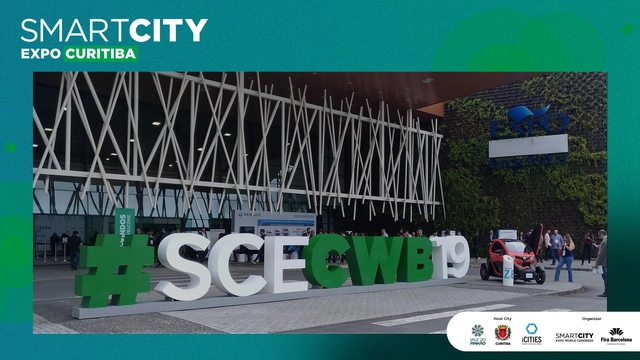
Smart City Expo Curitiba is the national edition of the world's largest smart city event, organized by FIRA Barcelona since 2011. Now in its third edition in Brazil, the event features an exhibition and a congress, addressing relevant and pertinent topics regarding governance, urban planning, infrastructure, mobility, and technology, among others.