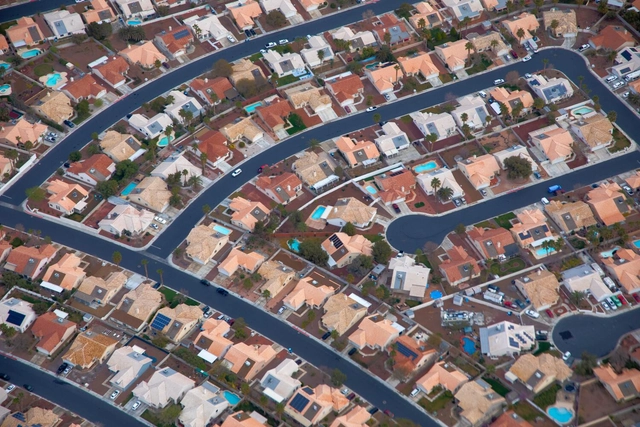
Zoning is the primary tool for urban regulation adopted worldwide. It consists of dividing urban territory into a series of zones, establishing permitted uses for each and setting parameters for the structures that can be built on each lot. In theory, zoning pursues two main objectives: preventing nuisances generated by specific uses and limiting development density to the capacity of existing infrastructure.
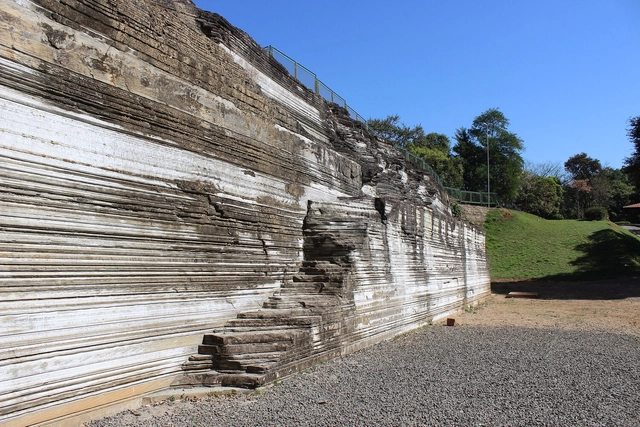
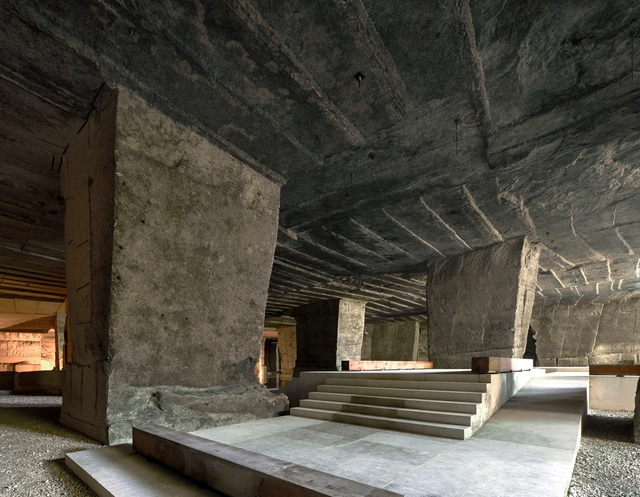
Varvito Quarries, Itu. Photo by Thaysnatani, via Wikimedia Commons. License CC BY-SA 4.0
Studies link green areas to a reduction in anxiety and depression, boosted immunity in children, relief from loneliness in cities for adults, and even increased intelligence. Seeking outdoor leisure activities in contact with nature offers numerous benefits. To help you choose interesting places to visit in the state of São Paulo, we present a list of ten protected environmental heritage sites, compiled by the São Paulo State Secretariat of Culture and Creative Economy.
According to the Secretariat of Infrastructure and Environment, the State of São Paulo has 5,670,532 hectares of native vegetation in various stages of recovery. This area is equivalent to 22.9% of the state's territory. Below, check out some of the spaces that preserve this greenery. In addition to urban parks, trails, and campsites, the list even includes the headwaters of the Tietê River.
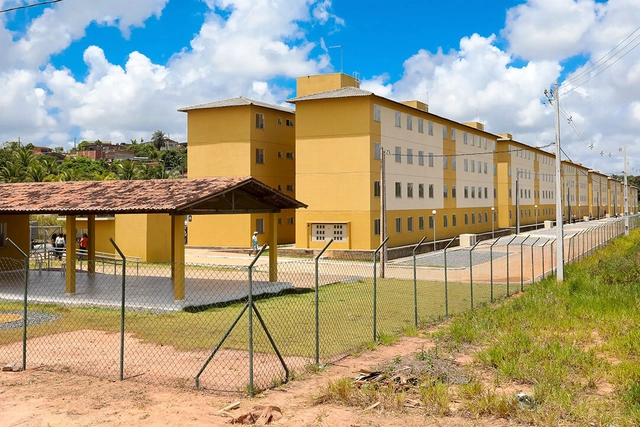
Image: Prefeitura de Jaboatão dos Guararapes. Via Caos Planejado
I suspect many readers here experience the same, shall we say, “predicament” as I do: as soon as we step outside our “bubble,” advocating for urban design principles that seem obvious to us — such as eliminating fences and walls, and promoting public access, visual permeability, mixed-use zoning, and active frontages — inevitably runs into the same obstacle: the lack of public safety.
https://www.archdaily.com/1136238/are-condominium-fences-meant-to-provide-protection-the-dilemma-of-urban-prisonersVitor Meira França
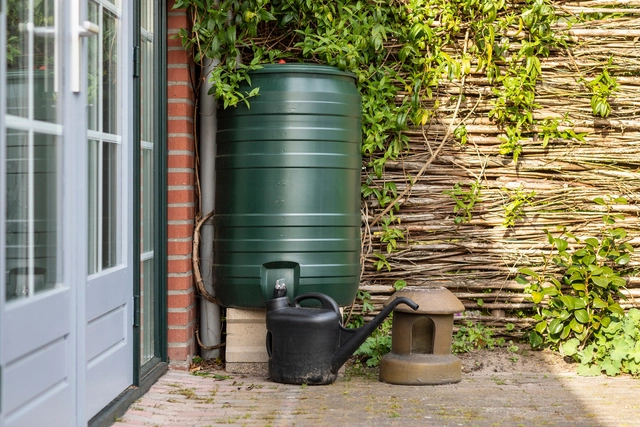
Each person needs about 110 liters of water to meet their daily consumption and hygiene needs. However, in Brazil, daily consumption can exceed 200 liters per person, according to Sabesp. Due to high water pressure in apartment buildings, this consumption can be even higher. Furthermore, the country loses about 40% of all treated water captured, according to 2022 data from Instituto Trata Brasil. Nonetheless, at least within the home, this waste of clean water can be mitigated through a few simple changes.
What does 2023 hold for development and the environment?
The end of 2022 certainly left us in an interesting—yet troubling—position. A three-year-old pandemic proved far from over, sickening millions and straining economies. Global inflation reached 9%, its highest level since 2008. Russia's invasion of Ukraine forced millions of people to flee their homes, triggering cascading effects in food and energy systems worldwide. Meanwhile, the impacts of climate change—from catastrophic flooding in Pakistan to scorching heatwaves in India and severe droughts in Africa—compounded these threats.
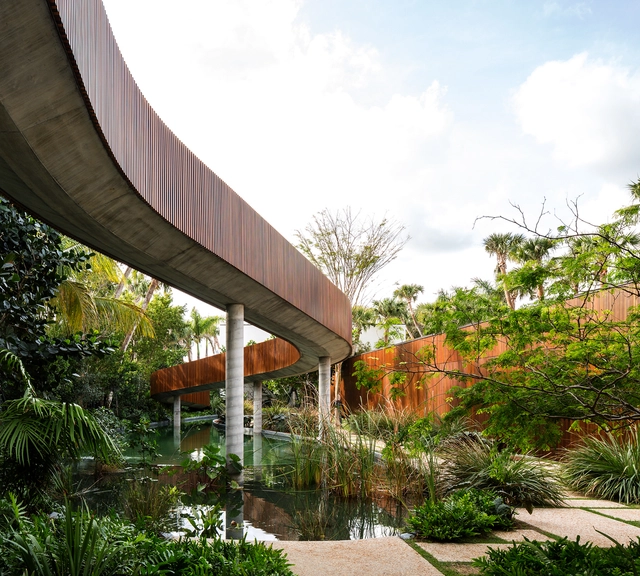
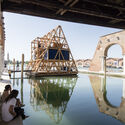
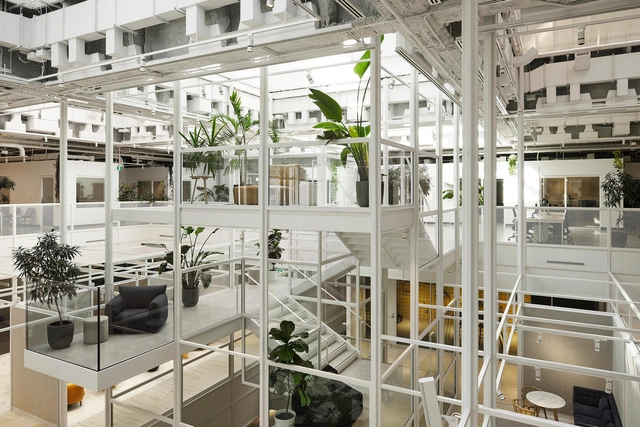
Whether establishing greater fluidity between spaces, integrating distinct elements of an architectural design, or creating a more playful atmosphere, suspended structures in residential projects yield a wide range of spatial experiences.
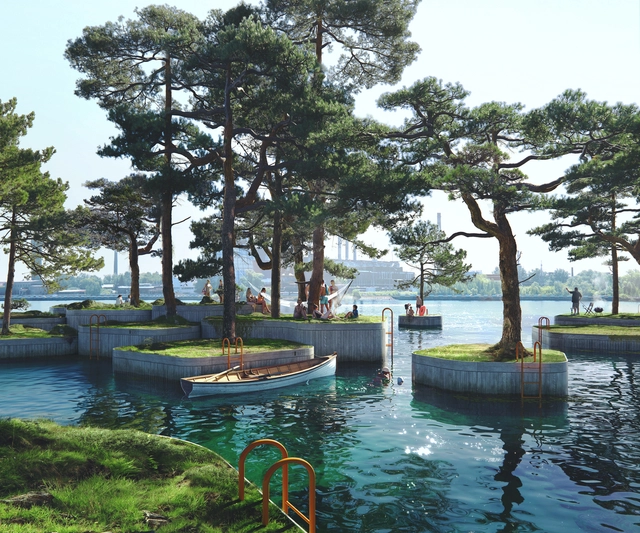
You are likely familiar with the story of a man who received a divine command to build an ark to shelter his family and animals of every species, saving them from a great deluge. This flood narrative, known as the story of "Noah's Ark," is found not only in the Bible but also in the Quran and many other cultures—with the Sumerian "Epic of Ziusudra" being the oldest known flood myth, dating back to 2000 BCE. These examples show that the forces of nature, by taking center stage in religious teachings, were already recurring concerns that inspired both fear and respect in early civilizations.
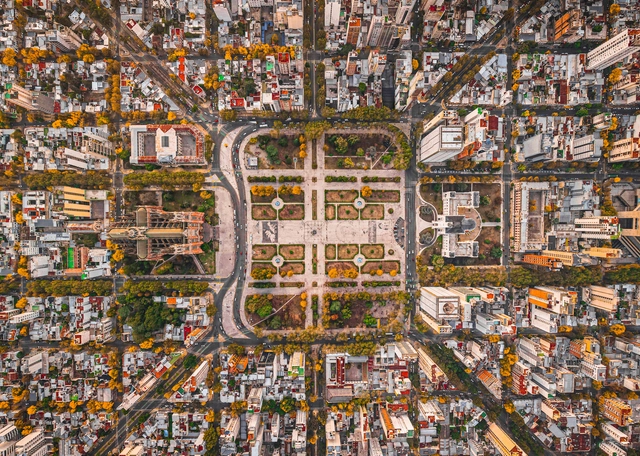
Located in Argentina, approximately 56 km (35 miles) southeast of the Autonomous City of Buenos Aires, stands the city of La Plata, founded on November 19, 1882, as the capital of the Province of Buenos Aires. As the product of the country's most ambitious urban and architectural undertaking, La Plata was conceived as a forward-looking city—one of the first in the world designed in accordance with the new principles of urban hygiene and rational construction generated by 19th-century scientific advancements. Furthermore, the city was showcased at the 1889 Paris Exposition Universelle, the grand exhibition celebrating the centennial of the French Revolution.
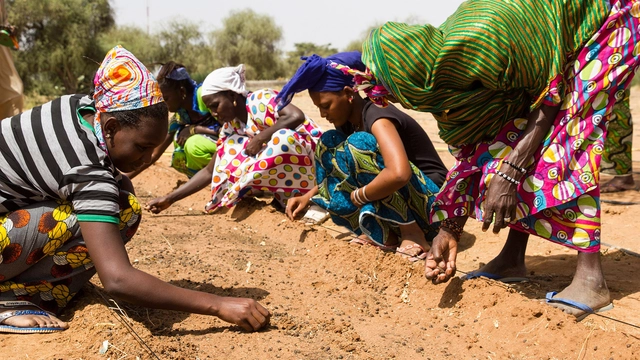
Designated by the United Nations (UN), June 17 was established as the World Day to Combat Desertification and Drought, a date that serves to raise awareness about these phenomena while promoting initiatives to address them. Broadly speaking, desertification refers to the process of land degradation in arid regions, caused primarily by human activities and climatic variations. This phenomenon leads to the loss of vegetation cover, soil erosion, and reduced agricultural productivity, among other negative consequences. Drought, on the other hand, is a prolonged period of abnormally low rainfall resulting in water scarcity, which can have severe impacts on ecosystems, agriculture, and human livelihoods.
Burnout Syndrome, or professional exhaustion syndrome, is an emotional disorder characterized by extreme exhaustion, stress, and physical depletion resulting from demanding work environments that entail intense competition or high levels of responsibility. Particularly during and after the pandemic—essentially our current reality—burnout rates have surged. Yet, the topic remains under-discussed. Given the significant role of spatial design in the lives of employees, how can neuroarchitecture support quality of life and help mitigate burnout?
How can we construct buildings using less water? The construction process consumes a vast amount of water resources, and it is time to consider how to reduce this environmental impact.
Indeed, an architect's primary responsibility is to protect the health, safety, and welfare of the public, which includes a diverse population with varying degrees of physical and intellectual abilities.
Neurodiversity refers to this intellectual and cognitive variability, encompassing a mix of neurotypical and neurodivergent individuals. Those who are "divergent" are typically recognized as having differences in communication, learning, or behavior. Consequently, an architect's goal is not to design a building exclusively for either neurotypical or neurodivergent populations, but rather to create spaces where all users feel welcome and comfortable.
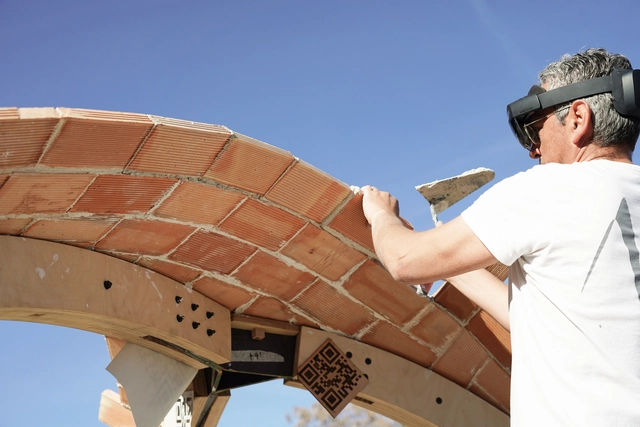
Realidade aumentada usada no canteiro de obras. Image Cortesia de IE School of Architecture & Design
Although the architecture and construction industry has advanced in recent years into new areas such as artificial intelligence (AI), parametric modeling, virtual reality (VR), and other cutting-edge tools, their integration and systematization within the design process remains slow. In an increasingly connected and constantly evolving world, digital tools and emerging technologies are revolutionizing how architects design and build, rewriting the rules and expanding creative horizons. Therefore, it is essential to continue discussing how these tools are being integrated and how their potential can be further unlocked within the discipline.
This July, ArchDaily is exploring the topic of the design process. Within this framework, we want to open up the discussion to hear about your experiences, learn from your successes, challenges, and mistakes—and explore together how these new tools are transforming the practice of architecture.
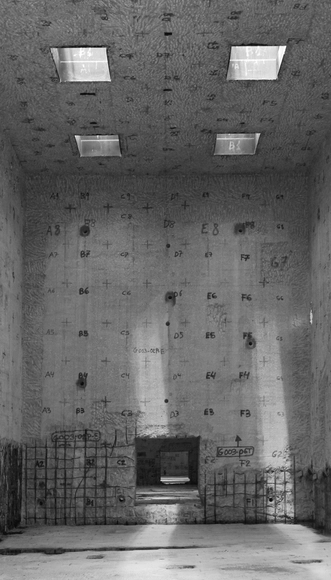
The last few decades have yielded a renewed conception of the ruin, shaped by the logic of contemporary society. These ruins can be found, for example, in the demolition of industrial buildings on a colossal scale. Yet they are stripped of their historical and enigmatic values, since we have witnessed their birth and coexisted with them in the present.
https://www.archdaily.com/1136223/toward-an-aesthetic-of-destruction-dismantling-at-the-vandellos-nuclear-power-plantCarlos Gonzalvo Salas
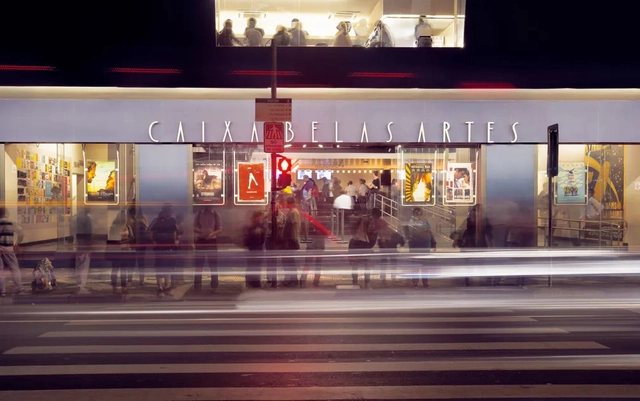
Cine Belas Artes facade — Photo: Letícia Godoy/Courtesy
In the 1940s, as director of the Division of Studies and Heritage Listing at IPHAN, Lucio Costa sent his staff into the field to identify the cultural heritage scattered across Brazil, waiting to be discovered.
“Who,” “when,” and “how” were the questions his assistants had up their sleeves. Supposedly, they were meant to reveal the characteristics of the analyzed assets, in order to then categorize them as worthy or unworthy of heritage listing.
From Le Corbusier's polychromy to the aesthetic concepts of the Bauhaus, color has played an essential role throughout architectural history. Yet, we stand on the threshold of a new era of innovation where the meaning, application, and impact of color in architecture are constantly evolving. This evolution brings new questions to the fore: Could new materials and finishes revolutionize the color palette? What possibilities does color application hold in virtual spaces? What will be the upcoming color trends in the world of interior design?
Anthony McCall. "Between You and I" (2006). Installation view, Peer/The Round Chapel, London, 2006. Photograph by Hugo Glendinning. LNickou, CC BY-SA 4.0 , via Wikimedia Commons
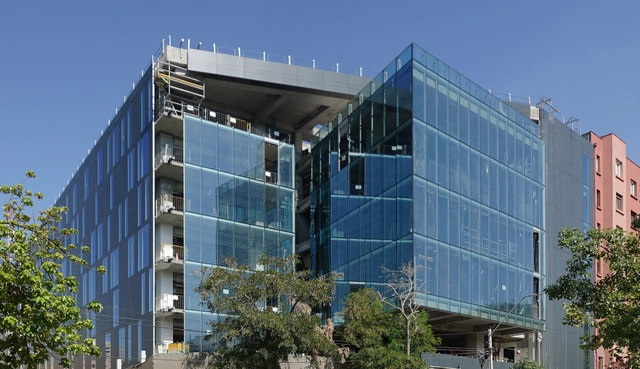
Vicuña Mackenna 20 (VM20), located steps from the Baquedano Metro station in the heart of Santiago, is a new project by the University of Chile. It aims both to become a hub for artistic and cultural outreach and to impact the public space recovery plan in the capital's central area.