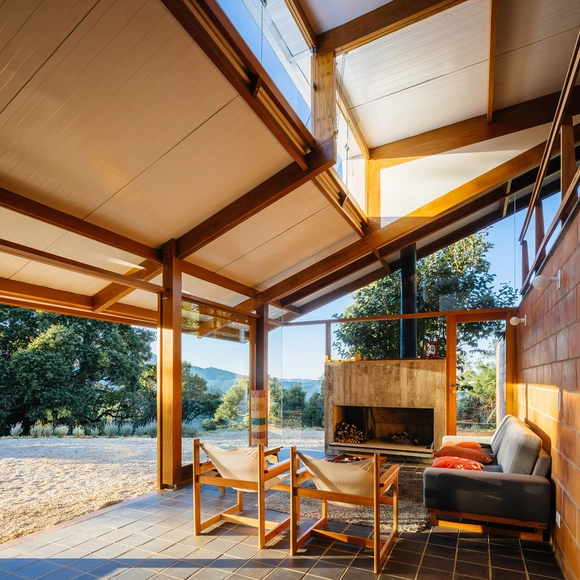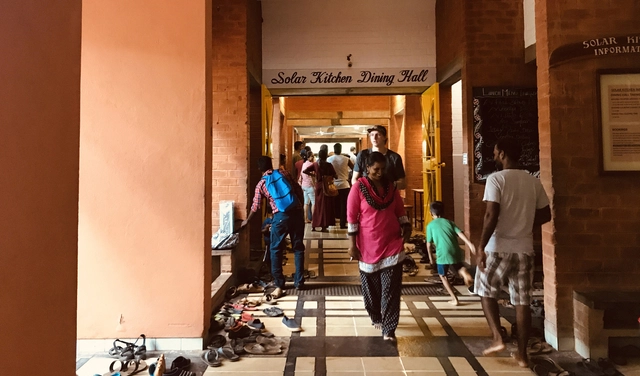
In many ways, observing rural areas and their communities can offer valuable lessons for implementing sustainable dynamics in cities. By studying ecovillages specifically, key aspects of the relationship between humans and the biosphere become clear—particularly in a space of central importance to all of them: the kitchen.
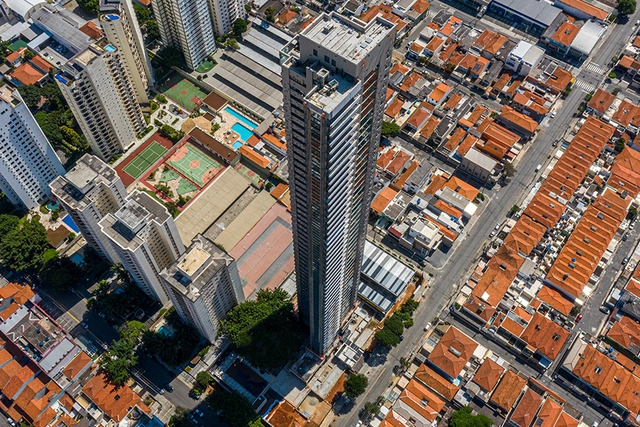
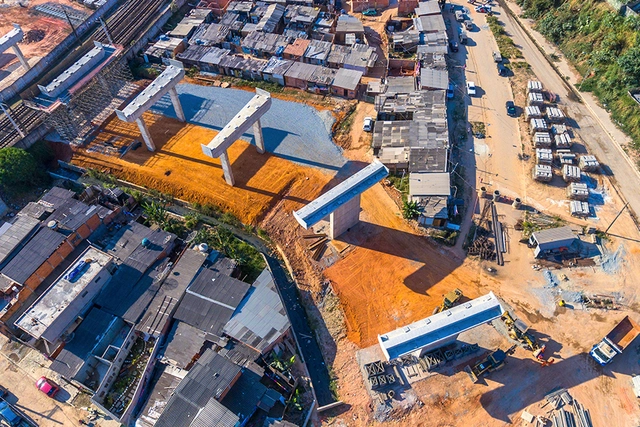
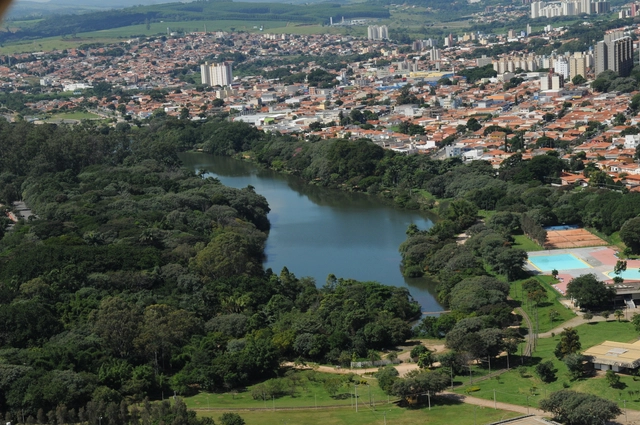
In Western capitalist culture, the dichotomy between nature and humanity is stark. Humans shape their identity as something external to nature, and more often than not, superior to it. As a result of this conceptual rupture, spatial divides also emerge. The city is seen as a human product, where residents must seek out remnants of nature in parks or plazas to connect with it. "Voids" of human occupation, such as forests, are viewed as gaps—spaces that humanity has yet to transform.