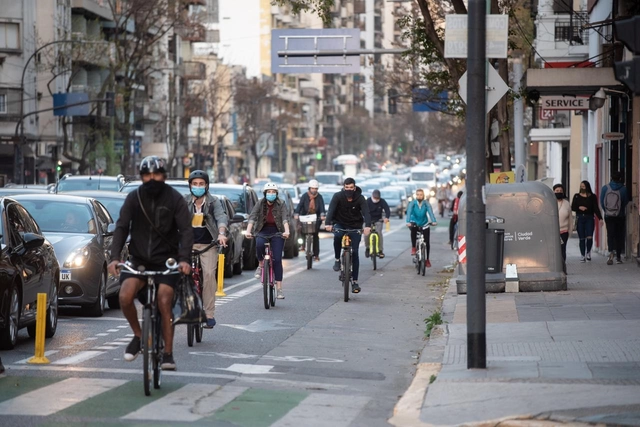
Bicycle infrastructure has grown rapidly in Latin American cities over the last decade. Cities like Bogotá and Santiago have more than doubled the extent of their bike networks. This is promising news, as studies show that cities prioritizing safe infrastructure record significant reductions in cyclist deaths and injuries and gain considerable economic benefits from reduced traffic congestion and fewer sick leave requests.
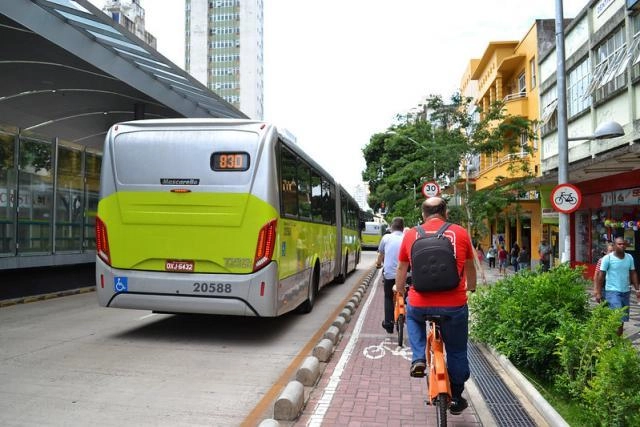
Nevertheless, much of the existing bicycle infrastructure in Latin American cities was built on local and secondary roads. While implementation may be easier on less busy streets, this approach also reduces the efficiency and overall impact of cycling, in addition to creating safety issues. Cyclists tend to seek shortcuts and the most direct routes, potentially leading to dangerous interactions with cars when they enter arterial roads not designed for non-motorized transport.











.jpg?1611190059 "Flamboyant House / Perkins+Will. Image © Nelson Kon")




.jpg?1612451460&format=webp&width=640&height=580)
.jpg?1612365973 "Barraca do Bem Viver. Image © Wanny Melo")
.jpg?1612365999 "Barraca do Bem Viver. Image © Wanny Melo")
.jpg?1612366021 "Barraca do Bem Viver. Image © Wanny Melo")
.jpg?1612366053 "Barraca do Bem Viver. Image © Wanny Melo")
.jpg?1612451460)








.jpg?1612895539 "Vale de Margem House / Marlene Uldschmidt. Image: © Fernando Guerra | FG+SG")





















.jpg?1614091577&format=webp&width=640&height=580)




.jpg?1614091577)