From fire in prehistoric caves to public lighting in smart cities, illumination has constantly evolved alongside technological advancements. In recent years, however, it has begun to shift even more significantly in terms of design and functionality, driven by a growing awareness of its impact on the environment and human health.
On December 10, 2022, ArchDaily successfully hosted the inaugural "Co-Creation & Co-Ideation" forum for ArchDaily Building Materials (Jianri Zhucai). The event featured seven guest speakers who shared their stories about materials: Libin Chen (Partner at David Chipperfield Architects Shanghai), Jing Lin (Senior Project Architect / Associate Director at SHL Architects), Shuangquan Ni (Marketing Director at Avarte), Yi Yao (Deputy General Manager of the Design Management Department of China Resources Land East China Region), Zhou Qing (Deputy General Manager and Design Director at GOA), Isabel (Residential Project Manager at iGuzzini), and Chunyan Cai (Principal of Atelier Tao+C). Additionally, Shuang Han, ArchDaily China's Editor-in-Chief, introduced our decision to launch a WeChat Mini Program to enter the building materials sector, along with our future plans. We would like to extend our special thanks to China Resources Land for providing the venue, to our sponsors iGuzzini and Avarte for their generous support, and to all the attendees.
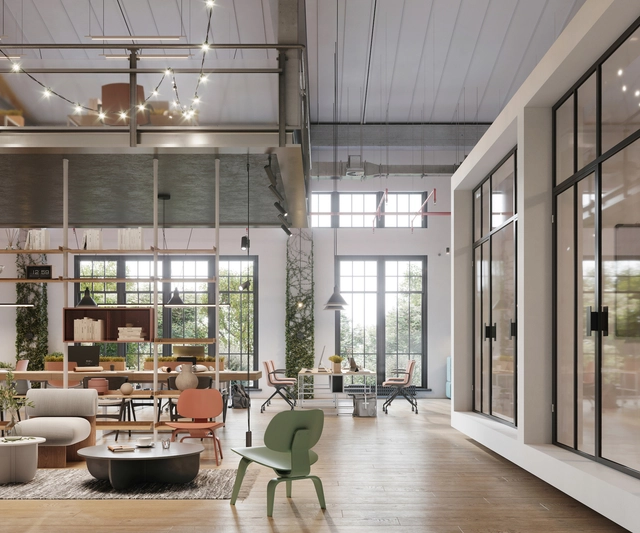
Espacios de trabajo - Aplicación color SW 7005 / Pure White. Image Cortesía de Sherwin-Williams
Choosing color palettes plays a fundamental role in any design strategy. Beyond their influence on aesthetics, spatial perception, and emotion, selected colors can define the character of an environment. When choosing a color palette, it is essential to consider the context, the building's use, and the lifestyle of its inhabitants, while also accounting for how the colors interact—whether as complementary hues, highlights, or counterpoints to predominant tones.
In addition to enhancing interior comfort, colors profoundly influence user perception and behavior. Alongside structural and ornamental elements, paint choices complete the definition of color palettes in architecture and design. As they do every year, Sherwin-Williams has presented its color trends—this year introducing Terra Colormix 2023, which features 40 trending colors inspired by the rich interweaving of our lives and spaces. Below, we present various color palettes tailored to different types of projects—such as workspaces, educational and healthcare centers, multifamily buildings, contemporary residences, and hospitality spaces—showcasing the versatility of this collection through practical applications.
Founded in 2006, Shanghai Hetai Architectural Decoration Co., Ltd. has spent the past 17 years specializing in the research and practice of fair-faced concrete restoration and long-term protection, as well as the creation of fair-faced concrete finishes (weather-resistant Portland cement and weather-resistant white cement finishes). Through rigorous product selection, performance testing, process exploration, project application, and technological innovation, the company has successfully completed the restoration and long-term protection of 36 fair-faced and conventional concrete buildings cast across various periods. Additionally, they have completed nine fair-faced concrete finish projects alongside ongoing weather-resistance and stability testing spanning 10 to 16 years.
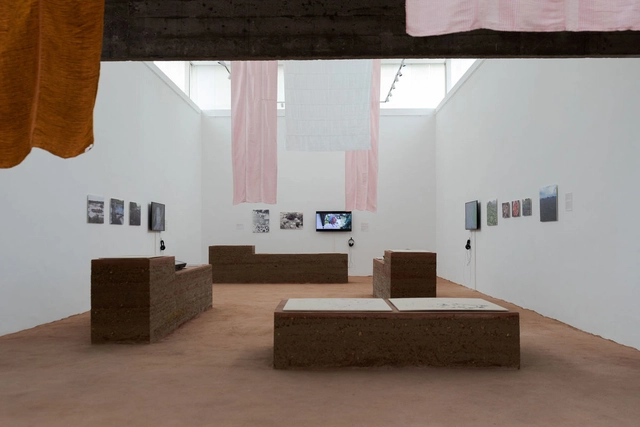
Terra is the title of Brazil's participation in the 2023 Venice Architecture Biennale, an exhibition curated by Gabriela de Matos and Paulo Tavares that occupies the spaces of the Brazilian pavilion at the Giardini. Divided into two galleries, the exhibition challenges the canons of modern architecture while seeking alternatives for a decolonized and decarbonized future in marginalized ancestral narratives. Terra is the first Brazilian pavilion to be awarded the Venice Architecture Biennale's highest honor, the Golden Lion.
In an effort to expand access to the content exhibited in Venice, we present here the texts and images from the second gallery, titled Places of Origin, Archaeologies of the Future. The first gallery, Decolonizing the Canon, can be revisited here. ArchDaily would like to thank the Fundação Bienal de São Paulo, which generously provided the material from the Terra pavilion for this publication.
https://www.archdaily.com/1136152/places-of-origin-archaeologies-of-the-future-brazils-terra-pavilion-at-the-venice-biennaleGabriela de Matos e Paulo Tavares
During periods of heavy rainfall, news of urban disasters such as landslides, floods, and waterlogging is recurrent, resulting in loss of life and severe property damage. In most cases, the vulnerability of the affected areas was already well known, yet their occupation was not prevented. As a rule, these devastated areas are reoccupied by survivors as quickly as possible, without any mitigation work being done to eliminate the risk.
Collage made with a photo by Marek Levák (via Unsplash) and an illustration by @meltedvideos
While design has become increasingly professionalized over the years, design literacy and visual thinking—the ability to understand and interpret visual resources—are becoming non-negotiable in many workplaces, even for those who do not consider themselves designers.
Visual thinking is the tool of processing information visually, using the emotional and creative parts of the brain to organize data intuitively and simultaneously through drawings, graphics, and strong aesthetic clarity and color theory.
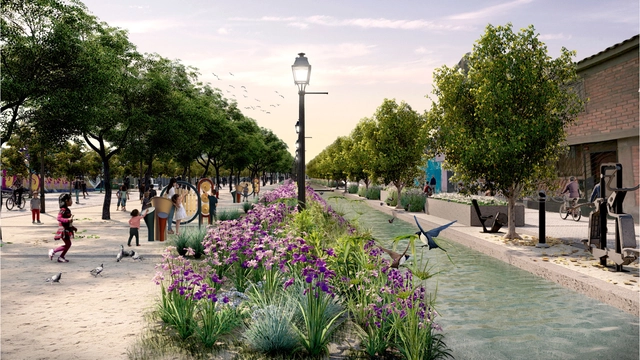
Figure 10. Proposal for Sancho de Rivero Avenue with the contemporary canal. Image via Proyectos Espacio Público- PROLIMA
As part of the 66 interventions planned under the Rímac River Special Landscape Project (PEPRR)—and developed by the Public Space Projects team at PROLIMA (Program for the Recovery of the Historic Center of Lima)—the Monserrate Canal Promenade and Plaza project in the Historic Center of Lima seeks the comprehensive revitalization of the historic Monserrate neighborhood. By highlighting the archaeological heritage of the canal, the project aims to integrate the memory of the historic landscape and the identity of its residents into the public space.
https://www.archdaily.com/1136158/monserrate-canal-promenade-and-plaza-renaturalization-and-water-memory-in-a-traditional-neighborhood-of-downtown-limaLidia Espinoza, Varinia Prada y Susana López
From fire in prehistoric caves to street lighting in smart cities, lighting has evolved steadily alongside technological advancements. In recent years, however, it has begun to transform even more significantly in terms of design and functionality, driven by a growing awareness of its impact on the environment and human health.
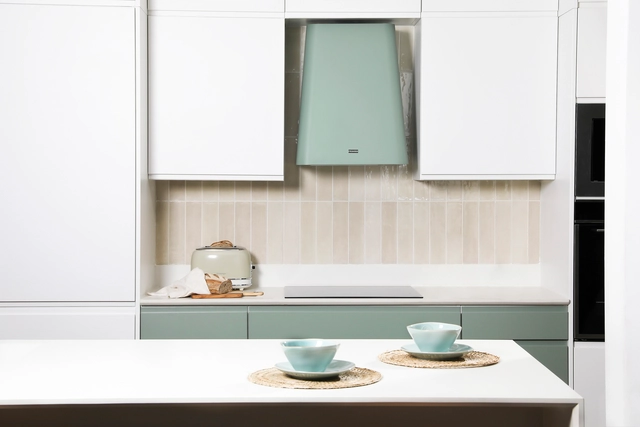
The role of fire in human development is undeniable. Our ancestors leveraged this discovery to cope with low temperatures, protect themselves from predators, and cook food to make it more digestible. Over time, the ritual of cooking evolved from a simple open-air campfire to enclosing fire within chambers. These chambers gradually became more sophisticated over the years, eventually transforming into the complex, modern elements that served as the starting point for the emergence of kitchens as social architectural spaces.
Regardless of its size or layout, the kitchen as a shared space has preserved its ritualistic nature to this day. In ancient times, we gathered around the fire to prepare food and tell stories; today, we meet in our home kitchens to connect with one another. The importance of this space in daily life is enhanced by kitchen furniture lines like Wasser, a brand distributed by CHC that balances aesthetics and functionality, conceiving kitchens as utilitarian and social spaces, with special attention paid to design.
https://www.archdaily.com/1136132/5-modular-kitchen-styles-and-how-to-combine-themEnrique Tovar
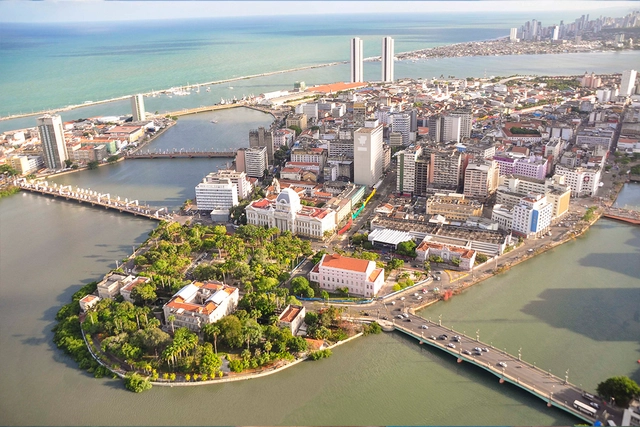
There are many reasons why some urban areas deteriorate while others thrive, including economic, planning, social, and cultural factors, as well as sheer chance. Understanding these dynamics—and, more importantly, minimizing the risk of decay while fostering vitality in urban areas—is a recurring theme in urban planning, driven by the shared and legitimate desire to live in beautiful, pleasant, and prosperous environments.
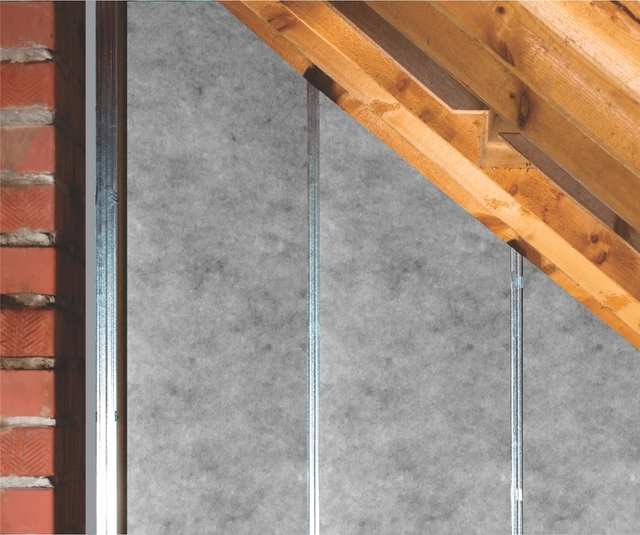
Proper home insulation and selecting the right materials are fundamental when undertaking a construction project. These strategies enhance interior comfort and serve as a long-term cost-saving measure.
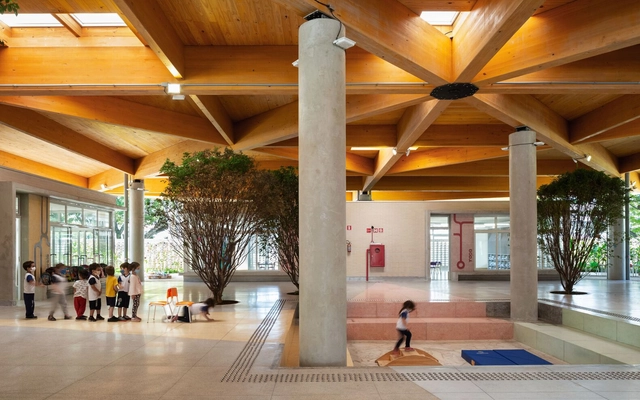
Today, Brazil celebrates Student Day. Established in 1927, the date marks access to a fundamental right for all citizens: education. Nearly a century later, new pedagogies and ways of looking at learning have emerged, bringing with them new architectures that embrace both pedagogical and technical advancements. With this in mind, we have gathered seven examples of Brazilian educational spaces designed after 2020. Through solutions that highlight key design aspects, these projects help outline a brief overview of contemporary references on the subject.
Increasingly robust and promising scientific evidence can assist architects and other designers seeking inclusive design by taking diverse minds into account—that is, creating built environments that engage with neurodiversity. Neurodiversity has always been a part of humanity. The term encompasses people with a wide range of neurological conditions and was coined by sociologist Judy Singer in 1999.
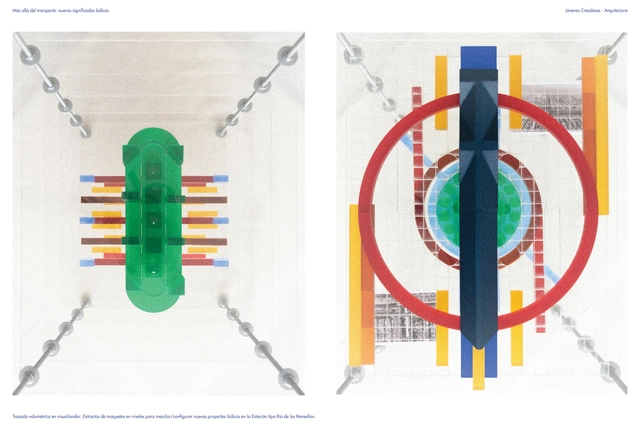
Each year, the National Fund for Culture and the Arts (FONCA), through the National System of Art Creators (SNCA), honors key figures of excellence in national culture through the Young Creators Program. By providing grants, the program supports the creative and educational development of young Mexican artists, fostering favorable conditions for the execution of original, meaningful, and positive creative projects. For this edition, the grant recipients in the “Architectural Design” category were Ruy Berumen, Diego González, Juan José Kochen, Ignacio Pérez, Elsa Ponce, Luca Salas, and Tania Tovar, who worked under the mentorship of tutors Elena Tudela Rivadeneyra, Rafael Ponce Ortiz, and Patricia Ivonne Álvarez De Anda.
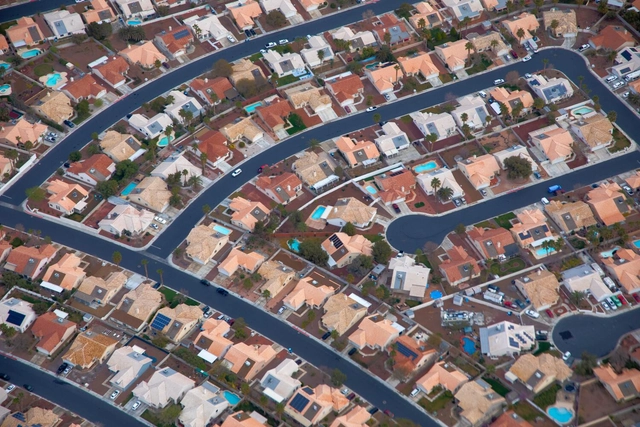
Zoning is the primary tool for urban regulation adopted worldwide. It consists of dividing urban territory into a series of zones, establishing permitted uses for each and setting parameters for the structures that can be built on each lot. In theory, zoning pursues two main objectives: preventing nuisances generated by specific uses and limiting development density to the capacity of existing infrastructure.
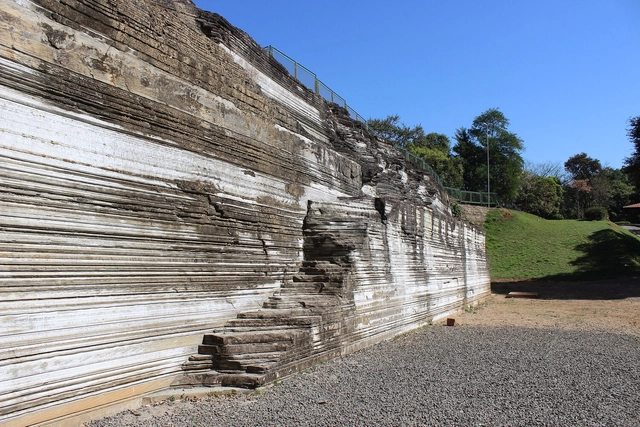
Varvito Quarries, Itu. Photo by Thaysnatani, via Wikimedia Commons. License CC BY-SA 4.0
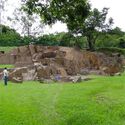
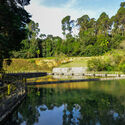
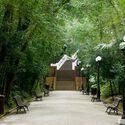
Studies link green areas to a reduction in anxiety and depression, boosted immunity in children, relief from loneliness in cities for adults, and even increased intelligence. Seeking outdoor leisure activities in contact with nature offers numerous benefits. To help you choose interesting places to visit in the state of São Paulo, we present a list of ten protected environmental heritage sites, compiled by the São Paulo State Secretariat of Culture and Creative Economy.
According to the Secretariat of Infrastructure and Environment, the State of São Paulo has 5,670,532 hectares of native vegetation in various stages of recovery. This area is equivalent to 22.9% of the state's territory. Below, check out some of the spaces that preserve this greenery. In addition to urban parks, trails, and campsites, the list even includes the headwaters of the Tietê River.
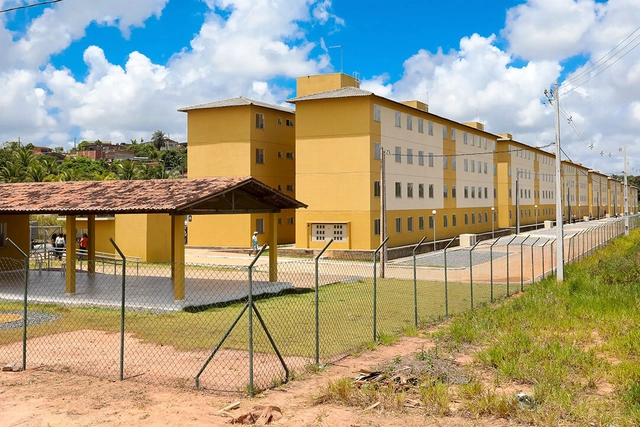
Image: Prefeitura de Jaboatão dos Guararapes. Via Caos Planejado
I suspect many readers here experience the same, shall we say, “predicament” as I do: as soon as we step outside our “bubble,” advocating for urban design principles that seem obvious to us — such as eliminating fences and walls, and promoting public access, visual permeability, mixed-use zoning, and active frontages — inevitably runs into the same obstacle: the lack of public safety.
https://www.archdaily.com/1136238/are-condominium-fences-meant-to-provide-protection-the-dilemma-of-urban-prisonersVitor Meira França