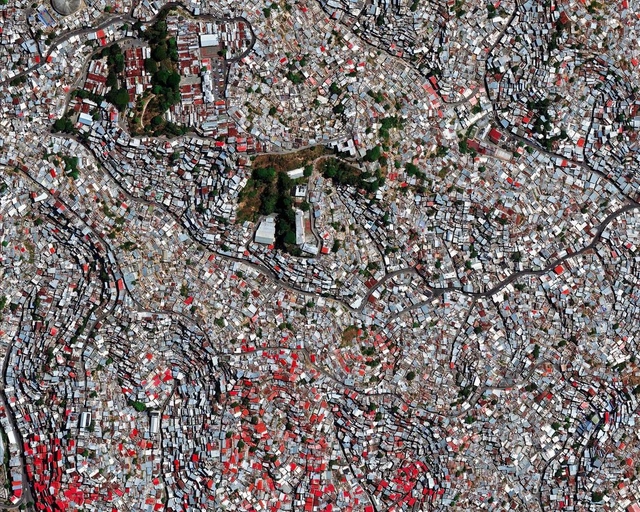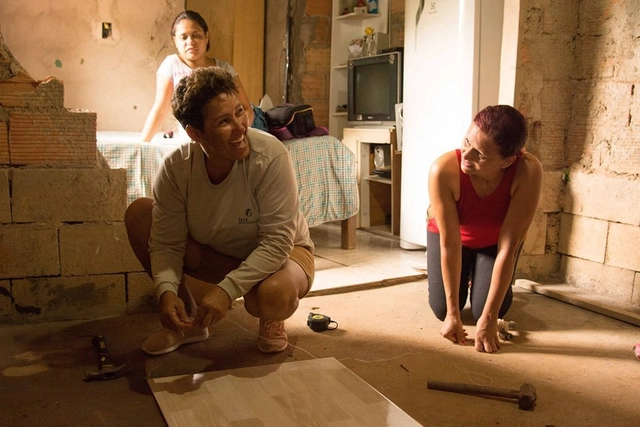
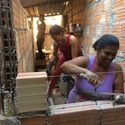
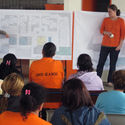
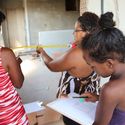
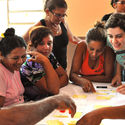
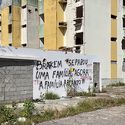
Access to adequate housing is difficult in a country like Brazil, which has a housing deficit of 6.3 million homes (FUNDO FICA, 2019). The perverse logic of the real estate market—where the costs of buying land and property, and even renting, are extremely high—coupled with the lack of public housing policies—in a social context where urban families earning up to two minimum wages spend 41.2% of their household income on housing consumption expenses (GUERREIRO; MARINO; ROLNIK, 2019)—makes homeownership extremely difficult for the poorest segments of the population.















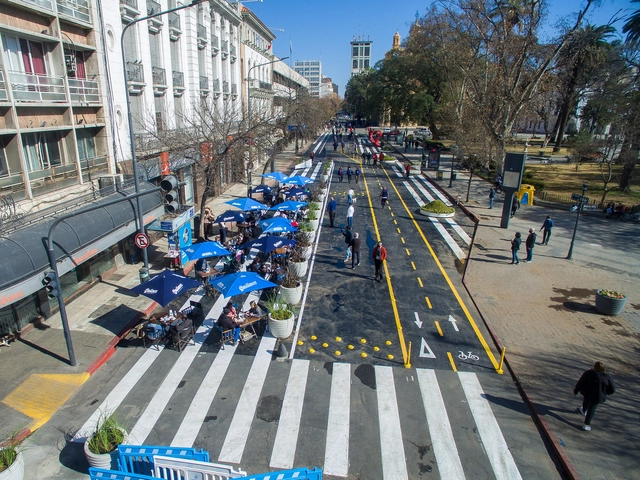
.jpg?1607603966 "Unit of the Centro Aberto (Open Downtown) Program implemented in Largo de São Francisco, downtown São Paulo. Photo: SP Urbanismo")
.jpg?1607603889 "Scenic lighting of historic buildings shapes the public space in downtown Mexico City. Photo: Danielle Hoppe / ITDP Brasil")
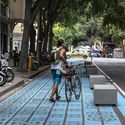
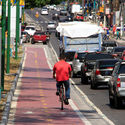
.jpg?1607603882 "In Fortaleza, since 2018 all revenue from paid on-street parking has been directed toward cycling infrastructure policies. Photo: ITDP HQ")







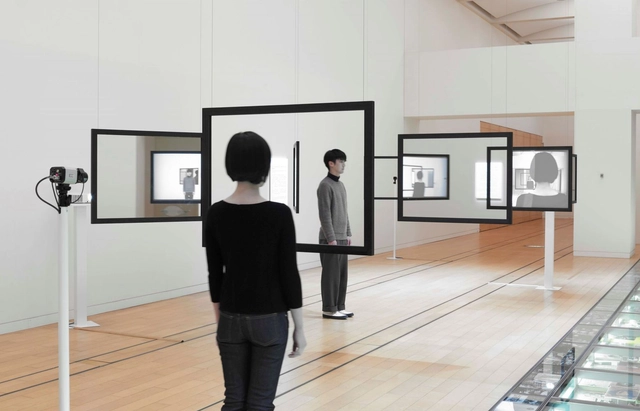
.jpg?1608552262 "View of the AA Earth Gallery virtual exhibition")