+ 22
+ 22
#Anodized Aluminum Panels
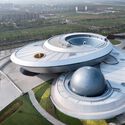
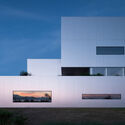
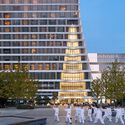
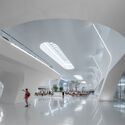
In recent years, anodized aluminum panels have emerged as a prominent material, utilized across numerous interior and exterior architectural projects in China. Anodized aluminum features six key characteristics: 1. Metallic Appearance, protected by a transparent anodic oxide film, the natural, soft metallic texture of aluminum is fully preserved; 2. Workability, anodized aluminum features exceptional workability, as well as outstanding forming and bending capabilities; 3. Surface Consistency, across diverse architectural forms, anodized aluminum panels maintain a highly uniform color; 4. Corrosion Resistance, the anodization process generates a dense oxide film on the metal surface, providing superior corrosion resistance and enhancing structural hardness and strength; 5. Weatherability, the static-free surface does not attract dust, making it easy to clean and maintain its pristine, like-new appearance even after repeated washing. This ensures the building facade stands the test of time; projects completed with anodized aluminum 40 years ago still look as good as new today; 6. Sustainability, functioning as an environmentally friendly material classified as Class A non-combustible.
#Almeco Anodized Aluminum Panels
Almeco is a global expert in pre-treated aluminum surfaces, offering a range of innovative anodized aluminum products for interior and exterior curtain walls and decoration. Their unparalleled metallic texture, rich colors, and excellent workability bring new vitality and artistic form to interior and exterior architecture, turning every building into a unique work of art. Consequently, Almeco has become the material of choice for renowned architects such as Jean Nouvel, Thom Mayne, MAD, and UNStudio.





.jpg?1626363543&format=webp&width=640&height=580)
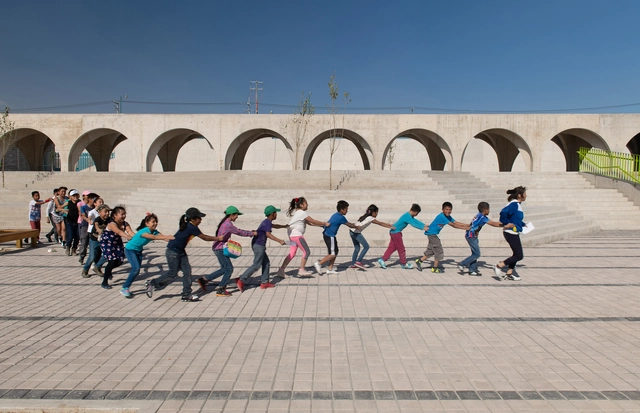
.jpg?1626363518 "Cristóbal Colón School. Image © Archivo Martín L. Gutiérrez Martínez")
.jpg?1626363496 "Revolución Ice Rink. Image © Archivo Martín L. Gutiérrez Martínez")
.jpg?1626363542 "Cristóbal Colón School. Image © Archivo Martín L. Gutiérrez Martínez")
.jpg?1626363655 "UBAC Rectory. Image © Archivo Martín L. Gutiérrez Martínez")
.jpg?1626363543)