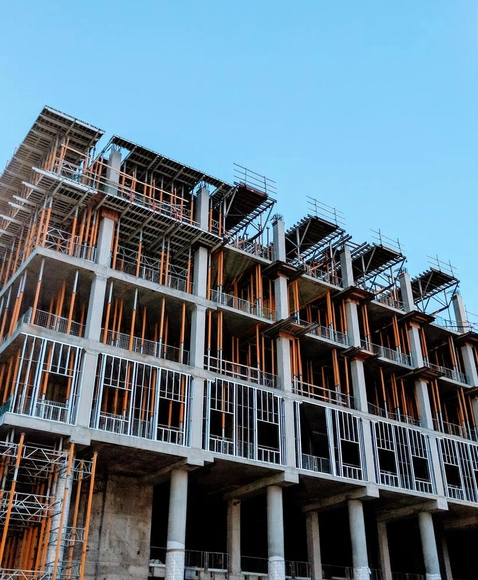
Structural design is predicated on ensuring the stability of a proposed building based on the chosen materials and construction techniques. To do so, calculations must account for different types of loads, such as the self-weight of the materials, the building's use, and its occupancy patterns, which are classified as either variable or permanent.
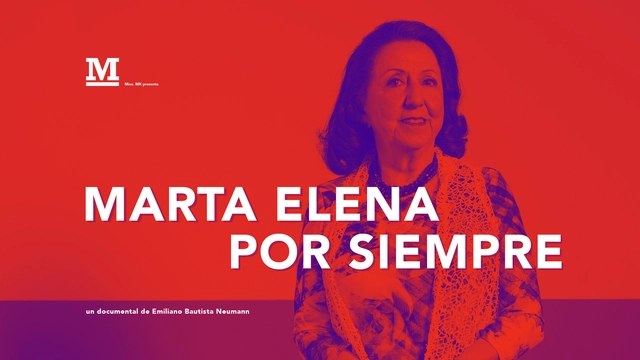
Marta Elena Campos Newman is one of the first female architects to graduate from the school of architecture at the Universidad Iberoamericana in Mexico City. From early in her career, she specialized in interior architecture, building a professional legacy that continues to bear fruit today. Furthermore, throughout her career she has collaborated with Mexico's most prominent architecture firms of the second half of the 20th century, while her work as a professor at UNAM's Faculty of Architecture has allowed her to shape entire generations of architecture professionals.
On Wednesday, January 18, 2023, at 7:00 PM, the exhibition "Sara Topelson: Architecture and Life in Diversity" opened at the María Luisa Dehesa Gómez Farías Gallery of the Faculty of Architecture of the National Autonomous University of Mexico (UNAM). The event marked the culmination of the 2022 Federico E. Mariscal Extraordinary Chair, which celebrates the outstanding career of architect Sara Topelson.
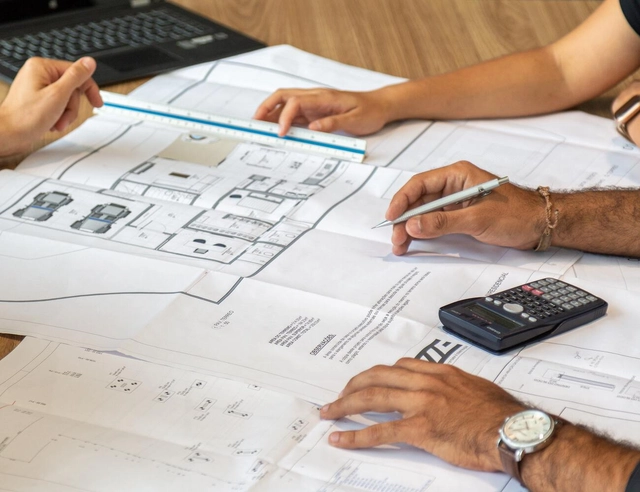
Within the scope of construction, a budget is a technical planning tool that forecasts project expenses, combining materials, labor, monthly overhead, and indirect costs. Nevertheless, many risk starting a build without a detailed budget, often falling into the traps of an unplanned project—which is invariably more expensive and time-consuming than anticipated.
In civil construction, a budget is a document that outlines all the services to be executed during the project, totaling the necessary materials and required labor. In addition, the budget can factor in fixed monthly operational costs, such as utilities, or include an extra percentage for contingencies.
The built environment has historically served humans as a mechanism of environmental control. Through our intellectual capacities and ability to organize, we have used buildings to actively influence and terraform the immediate context in which they are inserted, often treating geography, water, and ecosystems as resources to be extracted and managed. However, more and more, architecture is transitioning from exploiting physical and biological matter to actively collaborating with it. This shift demands that architects explore how buildings and their materials grow, transform, decay, and persist beyond human timelines. This thinking also serves as a starting point for the profession to reflect on how it influences the natural world, as well as the non-human species around it, creating networks and connections between humans, buildings, living organisms, and natural environments.
Salk Institute, by Louis Kahn. Photo by Adam Bignell, via Unsplash
Some buildings have stood the test of time. After centuries or even millennia, they remain structurally sound, revered as living testaments to history and human innovation. Some are still in use today, many lifetimes after their original designers passed away.
These buildings, whether by design or accident, were built to last—a concept that is increasingly relevant today. Building construction and operations account for a concerning share of carbon dioxide emissions. The embodied carbon resulting from building material production and construction makes up about 11% of all global carbon emissions. According to a new book on long-life buildings, designing structures to stand much longer—and to survive the various twists and turns that come with an extended lifespan—is a new imperative for architects.
When monitoring the outcomes of a newly built plaza in Porto Alegre, one data point stood out: after playing children, the main users of the space were women caring for them. Set in a vulnerable area of the city, this situation highlights an activity often ignored by urban planning: caregiving.
The monitoring project in Loteamento Santa Terezinha aimed to assess the profile of the users, their perception of the space and its amenities (recently upgraded by several organizations), and the surrounding school routes. Conducted by WRI Brasil in partnership with the Volkswagen Group Foundation, the study showed that children represent 89% of the plaza's users, and that adult women frequent the plaza 4.5 times more than men—usually accompanying the children.
https://www.archdaily.com/1136216/city-of-women-planning-ignores-crucial-aspects-for-equitable-citiesAndressa Ribeiro, Ariadne Samios e Paula Manoela dos Santos
Much has happened since countries met in Paris in 2015 and established an agreement to combat climate change. To date, more than 196 countries have ratified or otherwise joined the Paris Climate Agreement, representing more than 96% of global greenhouse gas emissions. Alongside this, 57 countries—including the United States, Japan, Canada, Germany, and Mexico—have also developed long-term plans to decarbonize their economies.
https://www.archdaily.com/1136273/the-trajectory-of-the-10-largest-carbon-emitters-since-the-paris-agreementJohannes Friedrich, Mengpin Ge e Andrew Pickens
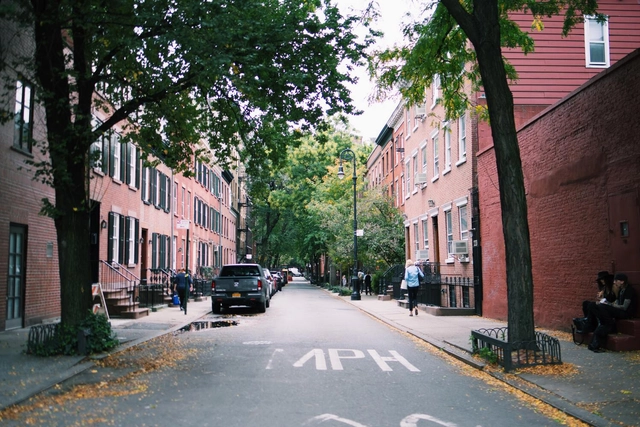
West Village, New York. Photo by Nathalia Segato, via Unsplash
A recent article by law professor Richard Schragger invokes the book The Death and Life of Great American Cities, by Jane Jacobs, in defense of zoning. Schragger writes that, according to Jacobs, city neighborhoods flourish due to the “diversity of land uses in space” and zoning must protect these neighborhoods' qualities through “zoning for diversity,” which requires “limiting development, controlling density, and preserving historic structures.”
In the past, people mapped out their careers in a highly linear fashion. You planned to study architecture, went to university, secured a job at a prominent firm, and, over several years, worked your way up to partner.
Yet things do not always go as planned. Perhaps you graduated with an architecture degree but could not secure the salary you envisioned. Or perhaps you join a major firm only to be laid off after a year or two due to declining profits and rising overhead. You might even become an architect, only to realize a few years later that it is not your passion. What then? This is where non-linear careers come into play.
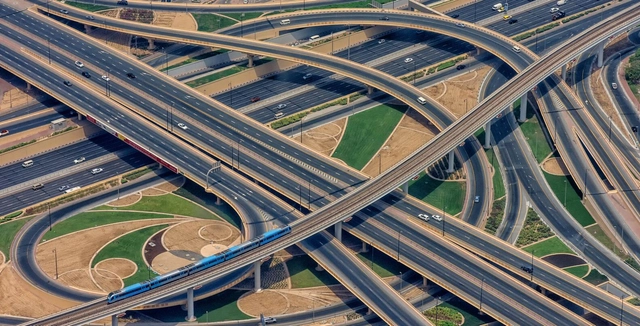
Dubai, United Arab Emirates. Photo by Truman Adrian Lobato De Faria, via Unsplash
“A city built for speed is a city built for success.” This phrase, attributed to Le Corbusier, one of the most influential urbanists of the 20th century, condenses one of the most significant social developments of that era.
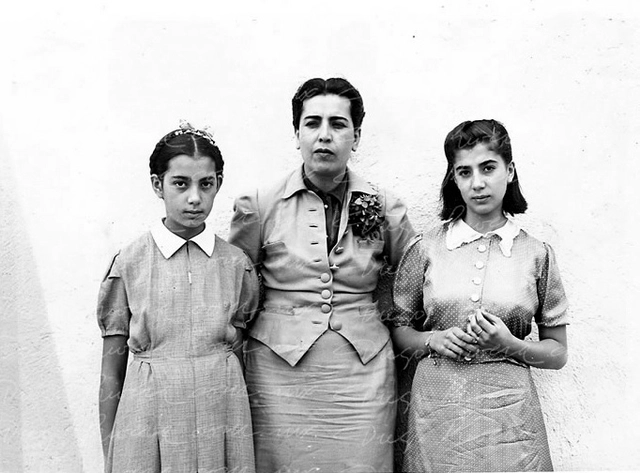
Guadalupe Marín con sus hijas, Ruth, a la izquierda, y Guadalupe,1939. Foto vía Un día, una arquitecta. Image Cortesía de coolhuntermx
Writing about the participation of women as architects or in the construction industry is complex. Today, we are well aware of award-winning, highly recognized contemporary women architects; yet, looking to the past reveals a dark and solitary landscape.
From figurative panels depicting historical scenes to modernist abstract geometric compositions, ceramic tiles have been a constant presence across different styles and eras of Brazilian architecture over the centuries. Today, composition possibilities are vast, stemming not only from how the pieces are arranged—be it randomly or in structured patterns—but also from the wide range of colors and designs offered by manufacturers.
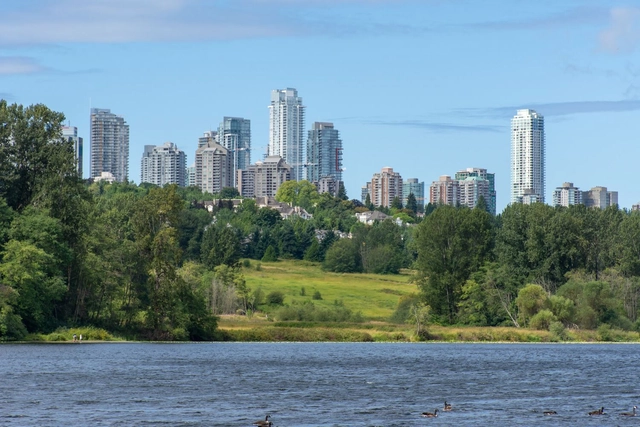
A UN survey revealed that in 2018, approximately 55% of the world's population lived in cities. This figure is projected to reach 60% by 2030. If urban centers are to become home to so many, evaluating these spaces and ensuring quality of life is essential – a challenge when considering population density and the impact of such large numbers.
Yet, urban living does not have to mean being cut off from nature, surrounded by gray and concrete. Green cities are proof of this. While life in urban centers poses a series of challenges, it also presents an opportunity to find solutions that transform these spaces, fostering significant and necessary societal change.
From fire in caves to street lighting in cities, lighting has evolved steadily alongside technological advancements—and in recent years, it has begun to change even more significantly due to a growing awareness of its impact on the environment and human health. Today, automated LEDs are commonplace in workspaces and homes, improving both energy efficiency and well-being and comfort. Meanwhile, public squares and streets are increasingly integrating sensors and software configurations to enhance safety and mobility. With the global urban population projected to reach 68% by 2050, urban lighting will undoubtedly become an even more critical factor to consider.
However, to make the most of these opportunities, we must view lighting as part of a holistic vision and work together to create better solutions. What does the future of lighting look like? We posed this question to our readers. After reviewing a vast number of comments and opinions from construction professionals, students, and architecture enthusiasts alike, it was surprising to find so much common ground and shared visions. There is a clear consensus on the importance of going a step beyond the status quo without increasing light pollution—while being more mindful of all living things. Discover the main perspectives below.
Reflecting on contemporary housing is perhaps one of the most compelling and relevant undertakings of our time. In a rapidly changing world—where technology advances at a breakneck pace, populations grow, and resources become increasingly scarce—it is vital to reconsider how we live and how we can do so better.
Transportation connects us. It is how we get to school and work, visit our families, and access grocery stores and healthcare services. It is also how we ship and receive goods and services. As economies and populations grow, so does the need for efficient, accessible, and sustainable transportation options.
https://www.archdaily.com/1136401/5-changes-to-transform-transportation-and-meet-climate-goalsWRI Brasil
Moving from a country with four distinct seasons to a tropical climate in 1973 was a transformative life experience; in the practice of architecture, it required adapting to a completely new reality. Engaging with the customs and habits of the life that welcomed us, alongside the vernacular architecture we encountered, signaled that our design methodology had to change in order to integrate this new world, with its unique climate and way of living.