1. ArchDaily
  2. Articles

Articles

Construction Equipment Guide: Tools, Equipment, and Machinery

Subscriber Access | 

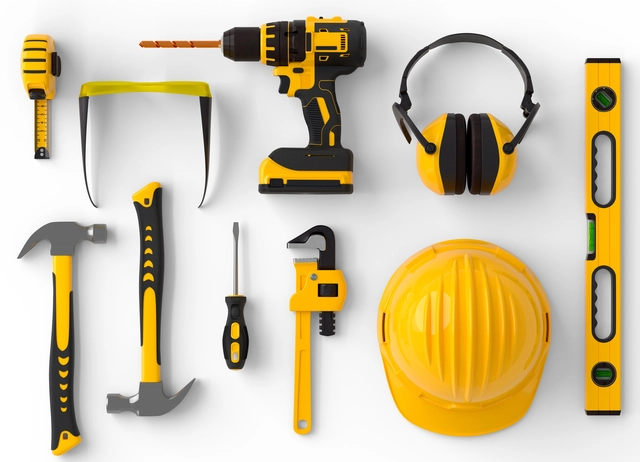
Construction is complex. Anyone who has been on a construction site understands this. It is not just about having the right attitude and knowing how to lead a team of skilled craftspeople, masons, and specialists, but also about providing—or at least understanding—the right tools for them to perform each task in the best possible way.

While the construction knowledge gained during your university studies might be minimal until you have a few projects under your belt, learning to recognize the tools available on the market will not only help you save costs, but also speed up construction and reduce physical effort—delivering significant advantages.

Here, we present an overview of the different equipment, tools, and machinery most commonly used in architectural construction.
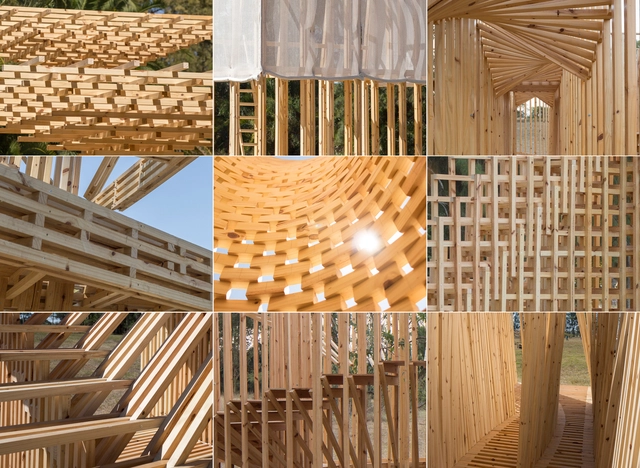
Wooden structures built by students at Hello Wood Argentina 2018

Subscriber Access | 

In early March, students, architects, and designers from Argentina gathered to bring their ideas to life in the second edition of Hello Wood Argentina, an international experience brought by local partners TACADI and MANDARiNA.

For this edition, the chosen theme for 2018 was "CON-TEXT"—a context we consciously build, where balance is achieved through the interaction of each of its parts, and what each part contributes is unique.

Discover the projects built in this edition below.

Mothers and Urban Mobility: How Cities Should Respect This Relationship

Subscriber Access | 

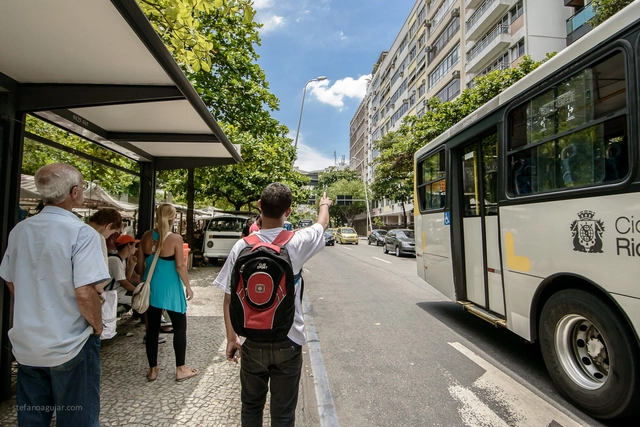
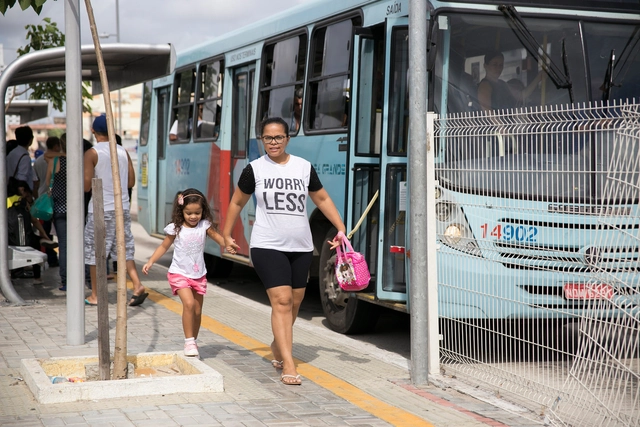
Women represent the majority on the streets and in public transit. Travel patterns and transport mode usage vary significantly by gender, largely because women still disproportionately shoulder domestic responsibilities, many of which involve caring for children. While gender issues remain overlooked in urban planning, the access of women with children to the city is a topic in even greater need of attention. Through the testimonies of several mothers, the everyday consequences of failures in urban planning and mobility on mothers and children become glaringly clear.

GrupoSP participates in the FREESPACE exhibition at the Venice Biennale with the installation "unnamed spaces"

Subscriber Access | 

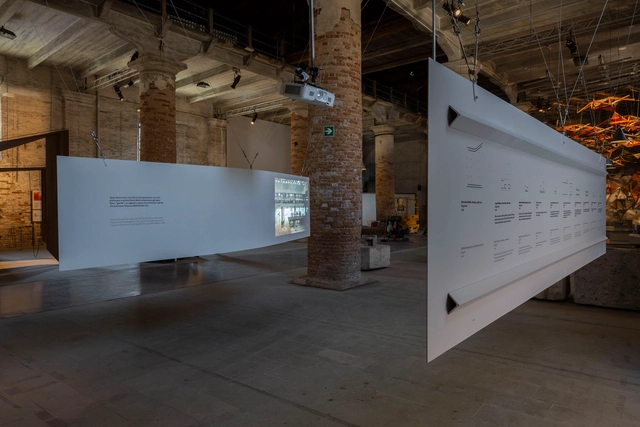
As part of our coverage of the 2018 Venice Biennale, we present the participation of the São Paulo-based firm GrupoSP: an installation titled "unnamed spaces" that is part of the FREESPACE exhibition. Below, the architects describe their contribution in their own words.

"Unnamed spaces" [espaços sem nome] was a term that professor and artist Flávio Motta [1] used to describe the free, generous, and open spaces of radical architecture that accommodated the unpredictability of life. They can also refer to the open spaces or clearings within our city.

Historical Heritage: What Are Tangible and Intangible Assets

Subscriber Access | 
Historical Heritage: What Are Tangible and Intangible Assets - Featured Image
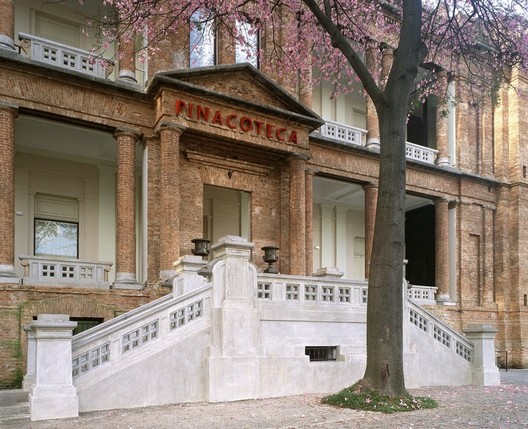
Pinacoteca do Estado de São Paulo. Image © Nelson Kon

Today, August 17, is National Historical Heritage Day, a date that honors the efforts to preserve assets of cultural, historical, and artistic significance across Brazil. This date coincides with the birth of historian and journalist Rodrigo Mello Franco de Andrade, who played a crucial role in founding the National Institute of Historic and Artistic Heritage (IPHAN). Established in 1937, IPHAN is the agency responsible for promoting and organizing the preservation of Brazil's National Cultural Heritage, aiming to “protect and promote the country's cultural assets, ensuring their endurance and enjoyment for present and future generations.” [1]

Biourban Arquitectos will design the largest terminal on Chiloé Island in Chile

Subscriber Access | 

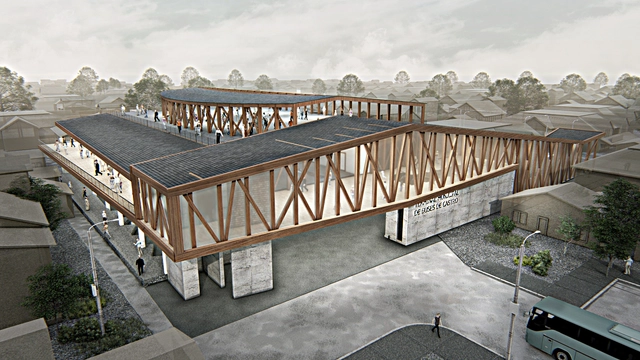
The Chilean firm Biourban Arquitectos has been awarded the design of the new bus terminal in Castro, located in the far south of Chile. The project will be situated in the historic center of the main city on Chiloé Island and will feature parking, a supermarket, a shopping mall, and an urban viewpoint.

"Part of the challenge of the new concession is to leverage the social and urban benefits of being in the heart of the city, with excellent accessibility to all basic services," the authors state.

Maps reveal the largest urbanized areas in the country: São Paulo, Rio de Janeiro, and Brasília

Subscriber Access | 

In June, the Federal Government released the publication Urbanized Areas of Brazil 2015, produced by the Brazilian Institute of Geography and Statistics (IBGE) using images from the RapidEye satellite captured between 2011 and 2014. The mapping shows that the largest urbanized areas in the country are São Paulo, Rio de Janeiro, Brasília, Curitiba, and Goiânia. Together, these five urban agglomerations cover more than 2,500 km².

Aedas to design a beachfront apartment hotel in Vietnam's Ha Long Bay, offering endless ocean views

Subscriber Access | 

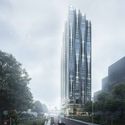
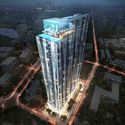
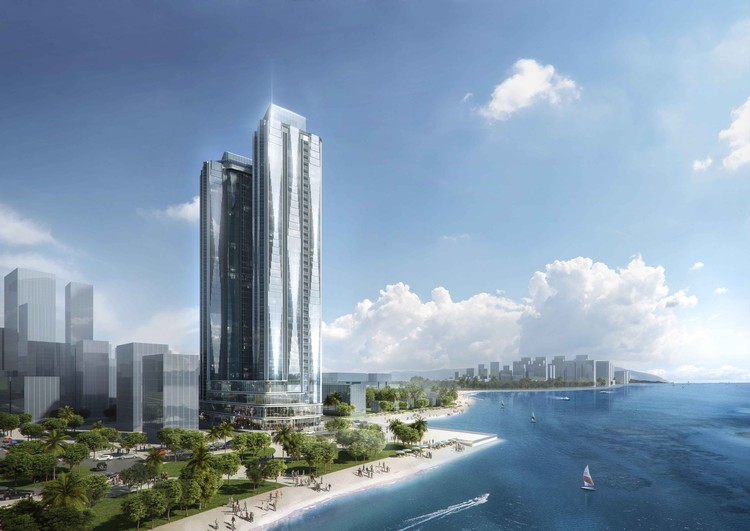
Aedas has unveiled its design for Alacarte Halong Bay Condotel, a new development in Vietnam's renowned coastal destination. Famous for its thousands of towering limestone karsts, Ha Long Bay is a UNESCO World Heritage Site. Occupying a prime beachfront plot, the Alacarte Condotel is designed to offer unobstructed views of this spectacular natural heritage.

Aedas to design a beachfront apartment hotel in Vietnam's Ha Long Bay, offering endless ocean views - Imagem 1 de 4Aedas to design a beachfront apartment hotel in Vietnam's Ha Long Bay, offering endless ocean views - Imagem 2 de 4Aedas to design a beachfront apartment hotel in Vietnam's Ha Long Bay, offering endless ocean views - Imagem 3 de 4Aedas to design a beachfront apartment hotel in Vietnam's Ha Long Bay, offering endless ocean views - Imagem 4 de 4Aedas to design a beachfront apartment hotel in Vietnam's Ha Long Bay, offering endless ocean views - More Images+ 4

The demolished buildings of San Sebastián close the first edition of MUGAK

Subscriber Access | 

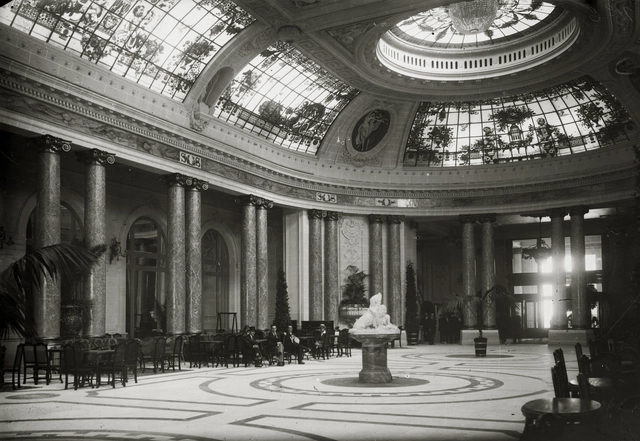
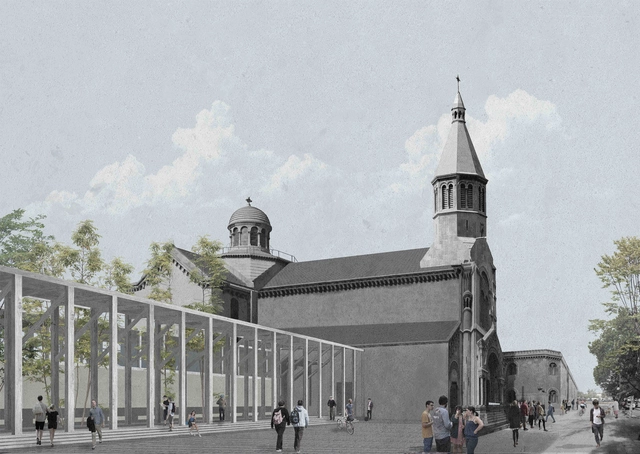
On Friday, December 22, 2017, the inaugural MUGAK Basque Country International Architecture Biennial opened the exhibition "The City We Lost: Urban Heritage Management in San Sebastián, 1950-2017" at the Santa Teresa Convent in San Sebastián, Spain. The exhibition showcases recognizable local buildings that have disappeared over the last few decades. 

Curated by the Áncora association, the exhibition traverses San Sebastián's neighborhoods to examine a city that now exists only in collective memory—specifically, buildings lost over the past seven decades. Stretching from Martutene to Igeldo, and including Alza, Amara, El Antiguo, and Ibaeta, the survey goes beyond the city's iconic heritage, looking past San Sebastián's most prominent areas to highlight other architectural works.

The demolished buildings of San Sebastián close the first edition of MUGAK - Imagen 1 de 4The demolished buildings of San Sebastián close the first edition of MUGAK - Imagen 2 de 4The demolished buildings of San Sebastián close the first edition of MUGAK - Imagen 3 de 4The demolished buildings of San Sebastián close the first edition of MUGAK - Imagen 4 de 4The demolished buildings of San Sebastián close the first edition of MUGAK - More Images+ 15

Cloister Typology, one of the 10 winners of the 2018 Arquitectura Caliente Competition for thesis projects

Subscriber Access | 

Designed by Camila Chaler, the project Cloister Typology as an Opportunity for Urban Reintegration was selected as one of the ten winners in the Thesis Project category of the 2018 Arquitectura Caliente Competition (CAC 2018), a Chilean awards program organized by Grupo Arquitectura Caliente and funded by the Ministry of Cultures, Arts, and Heritage.

Santiago's urban fabric is home to numerous religious orders. These properties (convents and monasteries) are currently facing obsolescence because they operate under outdated models. This is due to two main factors: their urban incongruity, which isolates them as inward-facing cloisters within the city, and their programmatic obsolescence relative to the scale of the buildings, driven by a decline in religious vocations.

Brazilian university leads the ranking of the best architecture programs in Latin America

Subscriber Access | 

On Wednesday, February 28, global consulting firm Quacquarelli Symonds (QS) released the 2018 edition of its established annual ranking of the world's top universities. In the field of architecture, the Massachusetts Institute of Technology (MIT) in the United States secured the top spot for the fourth consecutive year.

Looking specifically at Latin America, the list shows some changes compared to the previous year, with a Mexican university returning to the top three. Regarding Brazilian institutions, however, the same four from last year—USP, UFRJ, Unicamp, and UFRGS—remain on the list.

False Criticisms: Edificio España versus Torre de Madrid

Subscriber Access | 

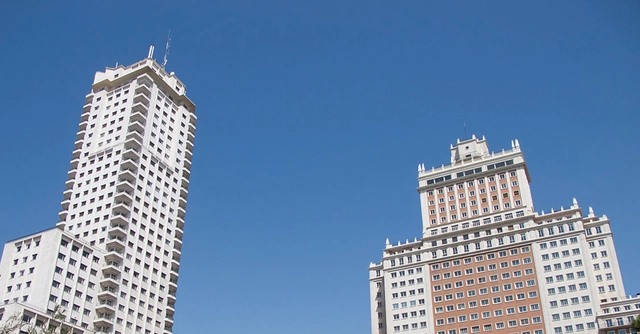
Architect Antonio Miranda, writing for the ARKRIT Collective, invites us to reflect in this article on romantic subjectivism in criticism, presenting a simple example in defense of the objective criticism of the object, which speaks to us much more honestly and sincerely than the author of the work themselves. He puts this assertion to the test by comparing two famous buildings in Madrid's Plaza de España: the Edificio España and the Torre de Madrid.

Donald Trump's Fear of the Void

Subscriber Access | 

What does the Swiss architect, urban planner, and Bauhaus director Hannes Meyer have to do with the eccentricity and ostentatiousness of US President Donald Trump? This article, written by the Arkrit Collective, reflects on this connection.

Sérgio Ferro: teaching, criticism, and fine arts

Subscriber Access | 

Today, July 25, Sérgio Ferro celebrates his 80th birthday. Born in Curitiba, he graduated in Architecture and Urbanism from the University of São Paulo (FAU-USP) in 1962, where he was invited by João Batista Vilanova Artigas to join the faculty between 1962 and 1970, teaching Art History. In academia, he also taught at the University of Brasília (UnB) from 1969 to 1970. A multidisciplinary intellectual, architecture is only one of his many facets; he is also an accomplished visual artist.

Brasília: 30 Years of Heritage Listing

Subscriber Access | 

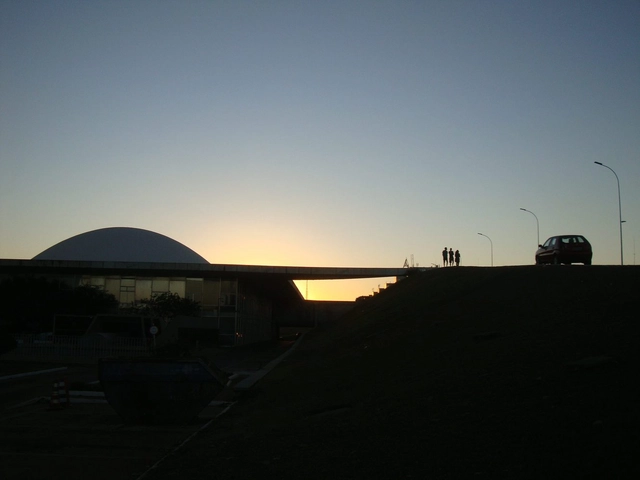
Whenever I cross the imaginary line on the Monumental Axis connecting the National Congress to the Itamaraty Palace, catching a glimpse of the Three Powers Plaza from the top of the ramp leading into it, I am overcome by a genuine emotion that never fades with repetition. This privileged view of the plaza as a whole, flanked by its three main buildings and framed by the perspective of the Itamaraty Palace on the right, is an image comparable only to the great iconic urban spaces of the world.

The Three Powers Plaza is a contemporary construction that evokes classical urban planning tradition, whether that of the "people's Versailles," as Lucio Costa envisioned, or the ancient Greek agora. Yet, there are also references to the "plazas mayores" or "plazas de armas" of Iberian and Spanish-American cities, as well as the plazas of the Brazilian colonial period. This mix of influences could have resulted in a postmodern pastiche of styles were it not for Lucio Costa's genius in translating it into the clear, elegant synthesis of a modernist design, complemented by Niemeyer's architecture, which has already been so widely discussed and praised. 

MobiliDADOS: Urban Mobility Policies in the 2018 Elections

Subscriber Access | 

How can we foster data-driven discussions during elections and ensure urban mobility indicators are integrated into planning agendas to be implemented once elected officials take office? With this question in mind, the team at the Institute for Transportation and Development Policy (ITDP Brasil), in partnership with Purpose Climate Lab, has been working to influence campaigns in the cities of São Paulo, Rio de Janeiro, and Recife.

The strategy is to foster collaboration among local organizations and social movements active in mobility and sustainability agendas. Equipped with indicators compiled and made available on the MobiliDADOS platform, these organizations gain critical resources to influence the electoral debate. The tool presents illustrated, contextualized data on transportation realities across various cities and metropolitan areas, offering the necessary insights to challenge proposals from executive and legislative candidates.

MobiliDADOS: Urban Mobility Policies in the 2018 Elections - Imagen 1 de 4

The 20 Most Popular Buildings of 2017 (Based on Pageviews)

Subscriber Access | 

Based on pageview data, we have compiled a list of the 20 most popular architectural projects published on ArchDaily this year, both locally and internationally.

Padre Hurtado Park (formerly Intercomunal de La Reina): the second-largest urban park in Santiago

Subscriber Access | 
Padre Hurtado Park (formerly Intercomunal de La Reina): the second-largest urban park in Santiago - Imagen 3 de 4
Cortesía de Cynthia Marimán Ramos

Located in the eastern sector of the city, the former Parque Intercomunal de La Reina is Santiago's second-largest urban park—after the Metropolitan Park—covering a total area of approximately 500,000 square meters.

The project originated from a joint effort to create green spaces by the Mayors' Board of Providencia, Las Condes, and La Reina (established in 1967), who purchased part of the Santa Rosa de lo Coo estate to develop the park. Today, it is considered a vital green lung for Santiago, offering a diverse range of activities that bring residents together.