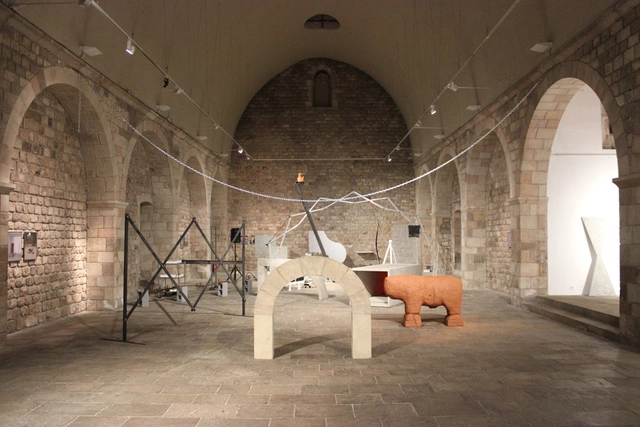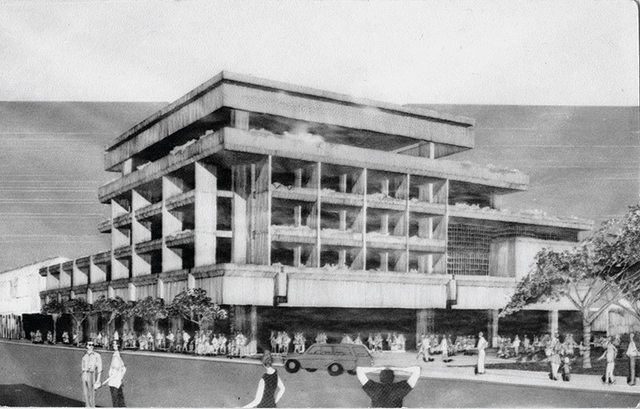

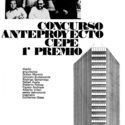
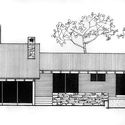
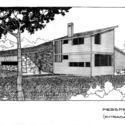
It is rare to find architects who engage with such a wide range of both the theoretical and practical dimensions of the profession. This is the case of Rubén Moreira [1], who approaches architectural design, research, criticism, architectural history, and teaching with equal and outstanding competence [2].
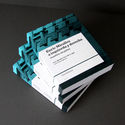
Rubén Moreira not only began his professional practice during a highly fertile period of Ecuadorian architecture, but also witnessed its key quests and transformations [3]. He was part of a generation of architects that reflected deeply on architectural processes, methods, and products [4]. His intellectual curiosity is clearly reflected in his postgraduate studies in Italy under two leading figures of architectural theory: Bruno Zevi and Manfredo Tafuri [5]. He taught design studio and history while pursuing research in architectural history. He also championed the creation of the MAE [6], as well as the Exhibition and Critical Guide of the "Architecture of Quito 1915-1985," which analyzes the context, authors, and landmark projects of each decade.



.jpg?1544195309&format=webp&width=640&height=580)