1. ArchDaily
  2. Articles

Articles

Five principles for a vulnerable and intimate architecture

Subscriber Access | 

This article by Maya Orzechowska was originally published under the title "Five Principles for a Vulnerable and Intimate Architecture: Drawing Alternative Boundaries and Openings to the Home and the Self" in the 31st issue of Dearq journal on September 1, 2021 (DOI: https://doi.org/10.18389/dearq31.2021.04).

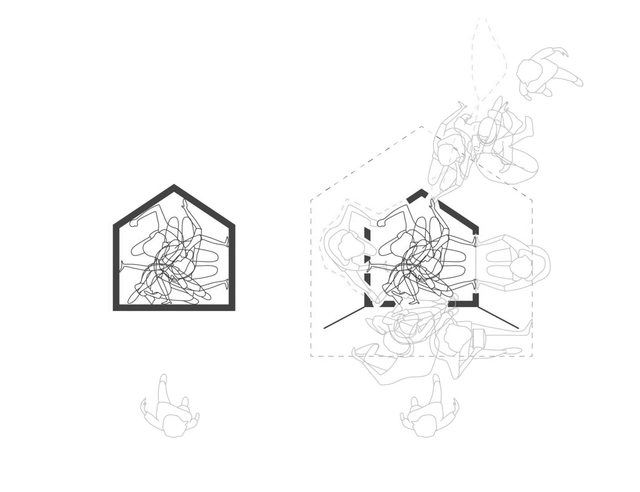
This article investigates how the boundaries and openings of the home are not separate from one another; rather, they play an active role in the politics of bodily and social health. For an increasing number of people, both the idea of the home and the reality of housing fail on a daily basis; therefore, this article seeks alternatives to the narrative of the home, of a utopian internal intimacy that endorses withdrawal, and of a non-responsible relationship toward the public realm. It suggests that the result is dystopian, concealing and exacerbating vulnerability and its resistance to change. In contrast, a vulnerable and intimate architecture focuses on the vulnerable body, drawing the uncanny, repressed, and emotional into the home.

We present it below as part of a joint collaboration to contribute to the dissemination of research, analysis, and opinion produced by the national and international academic community on architecture, urban issues, and related fields.
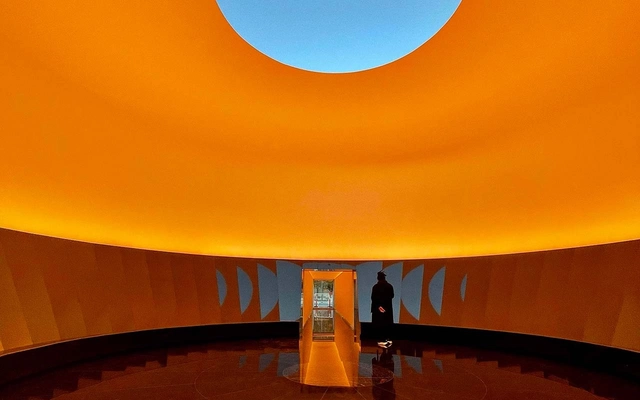
James Turrell Unveils 'Skyspace: Espíritu de Luz' in Monterrey, Mexico

Subscriber Access | 

James Turrell Unveils 'Skyspace: Espíritu de Luz' in Monterrey, Mexico - Image 1 of 4James Turrell Unveils 'Skyspace: Espíritu de Luz' in Monterrey, Mexico - Image 2 of 4James Turrell Unveils 'Skyspace: Espíritu de Luz' in Monterrey, Mexico - Image 3 of 4James Turrell Unveils 'Skyspace: Espíritu de Luz' in Monterrey, Mexico - Image 4 of 4James Turrell Unveils 'Skyspace: Espíritu de Luz' in Monterrey, Mexico - More Images+ 14

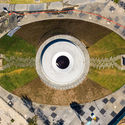
Recently, Tec de Monterrey unveiled “Skyspace: Espíritu de Luz,” an installation designed by American artist James Turrell that now joins DistritoTec in Monterrey, Mexico, as a cultural destination that enhances spatial quality through innovation. Arising from the “Light & Space” art movement, this piece was designed as an observatory to generate a unique visual experience through a sequence of lights every 12 hours, at dawn and dusk. It also serves as a tribute to the life and legacy of Don Eugenio Garza Sada and Eugenio Garza Lagüera.

Fundación Mi Parque launches a book on rural public spaces in Chile

Subscriber Access | 

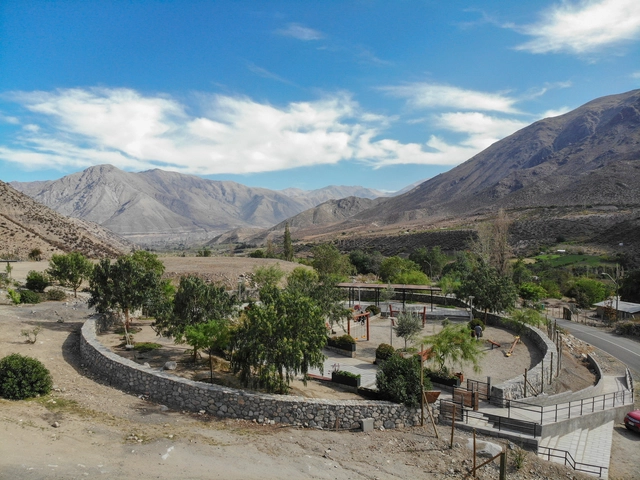
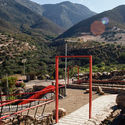
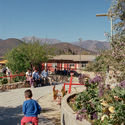
Gathering spaces in rural areas play an important role in improving the quality of life for local communities. In April 2022, Fundación Mi Parque launched the book “Rural Public Spaces: Community, Architecture, and Landscape” as both a contribution and a guide for a design discipline that seeks to highlight and address the need for meeting spaces in rural environments. The book is the culmination of five years of fieldwork, during which 37 community spaces were built, benefiting more than 26,000 residents in the Choapa Province of Chile's Coquimbo Region.

Fundación Mi Parque launches a book on rural public spaces in Chile - Imagem 1 de 4Fundación Mi Parque launches a book on rural public spaces in Chile - Imagem 2 de 4Fundación Mi Parque launches a book on rural public spaces in Chile - Imagem 3 de 4Fundación Mi Parque launches a book on rural public spaces in Chile - Imagem 4 de 4Fundación Mi Parque launches a book on rural public spaces in Chile - More Images+ 10

"Mercado Retablo," a new design proposal for the Playa Grau Municipal Market in Ayacucho

Subscriber Access | 

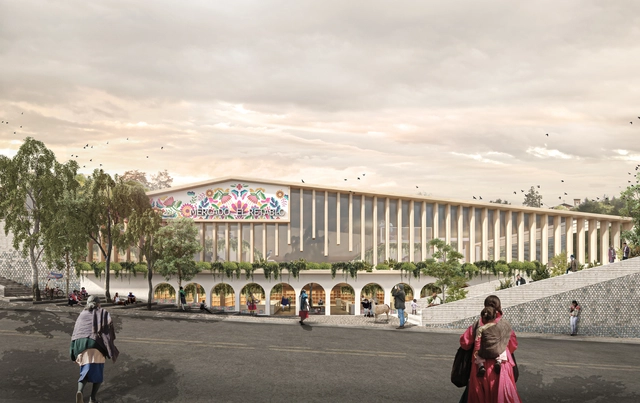
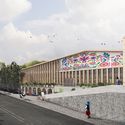
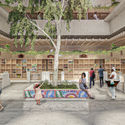
“Mercado Retablo” is the winning proposal of the II Semilla Competition organized by MURU, presenting a new design for the Playa Grau Municipal Market, located in the city of Ayacucho. Architects Santiago Nieto Valladares and Lucía Uribe Osores explain how “the market proposes quality public spaces that establish it as a gathering place, moving beyond a mere site for transit and commerce to host and foster social interaction.”

"Mercado Retablo," a new design proposal for the Playa Grau Municipal Market in Ayacucho - Imagem 1 de 4"Mercado Retablo," a new design proposal for the Playa Grau Municipal Market in Ayacucho - Imagem 2 de 4"Mercado Retablo," a new design proposal for the Playa Grau Municipal Market in Ayacucho - Imagem 3 de 4"Mercado Retablo," a new design proposal for the Playa Grau Municipal Market in Ayacucho - Imagem 4 de 4Mercado Retablo, a new design proposal for the Playa Grau Municipal Market in Ayacucho - More Images+ 14

Structural insulated panels that ensure thermal comfort in the home

Subscriber Access | 

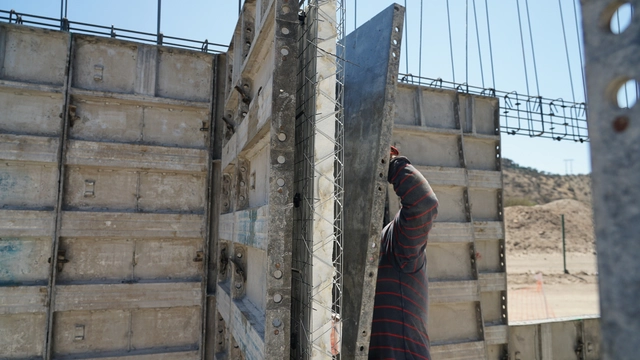
Exacerbated by the pandemic, the housing crisis has become a global phenomenon. Rising prices, lack of access, and poor housing policies have resulted in greater scarcity and precarious conditions. Chile is no exception. Indeed, according to the latest reports issued by the Chilean Chamber of Construction (CChC), there are “more than 700,000 families experiencing overcrowding and irreparable housing, in addition to 81,000 families living in informal settlements.”

Open Question: What will be the material of the future?

Subscriber Access | 

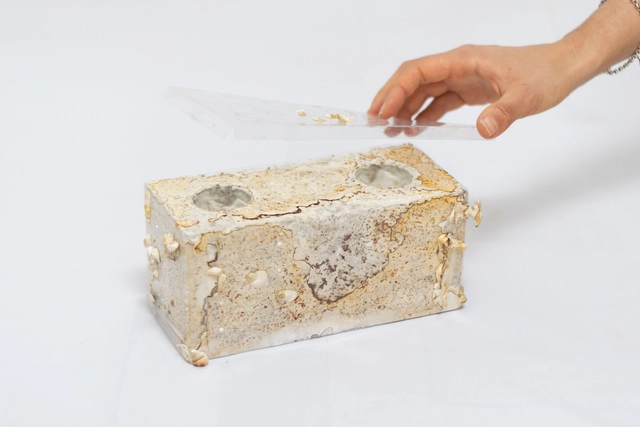
Although the construction industry has spent years making strides in new fields such as biomaterials, nanotechnology, and 3D printing, it simultaneously remains one of the slowest to adopt new technology. Many of these innovations never progress past the experimental stage. How can this situation be reversed?

Winners of the XIV Yucatecan Architecture Biennial 2022

Subscriber Access | 

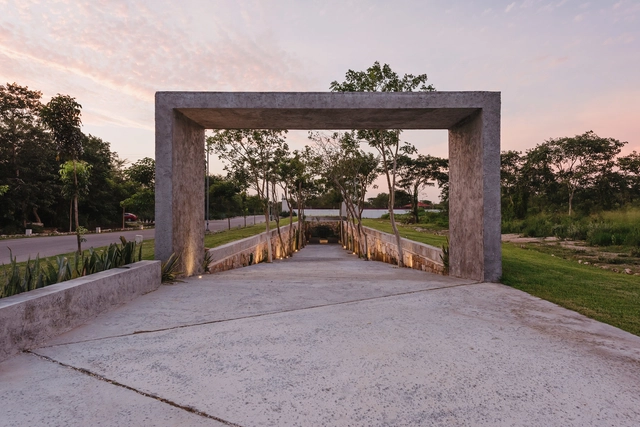
The results of the XIV Yucatan Architecture Biennial have been announced. A total of 17 accolades were awarded, including 1 gold medal, 6 silver medals, and 10 honorable mentions across 15 different categories. The jury comprised architects Edgar Herrera, Manuel Herrera, Felipe Leal, and Carlos Rodríguez. Read on to discover the winners.

"Ideas of Habitat: Architecture in Peru 2010-2020," a compilation of the best works of the last decade

Subscriber Access | 

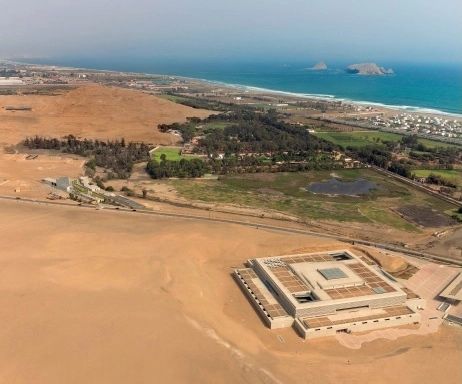
The bookstore and publishing house Arcadia Mediática, alongside the architecture, design, and construction magazine Arkinka, began 2022 with the launch of their first joint editorial project, “Ideas de Hábitat. Arquitectura en Perú 2010-2020”. Through built projects of varying scales and territories represented by more than four generations of architects, the book aims to showcase the finest works of contemporary architecture in Peru over the last decade.

Guadalupe Ibarra, the first female Ecuadorian architect

Subscriber Access | 

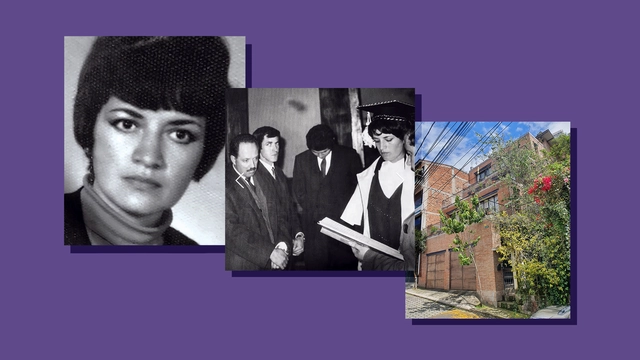
Born in Quito in 1947, Guadalupe Ibarra settled in Cuenca during her adolescence due to her father's military career. It was there that she decided to study architecture, enrolling at the University of Cuenca in 1963. An outstanding student, Ibarra earned her degree in 1970, becoming the first Ecuadorian woman to graduate as an architect in the country. 

Brazil and Mexico Triumph at the Fourth Edition of the Oscar Niemeyer Award for Latin American Architecture

Subscriber Access | 

In November 2022, the Network of Latin American Architecture Biennials REDBAAL will mark its first ten fruitful years, celebrating this milestone by launching the Fourth Edition of the Oscar Niemeyer Award for Latin American Architecture, the prestigious ON-04 Prize. This August, the jury's decision was announced, revealing the top three winners and recognizing the work of architects from Brazil and Mexico.

Filandia Pizzul, the first female architect in Argentina

Subscriber Access | 

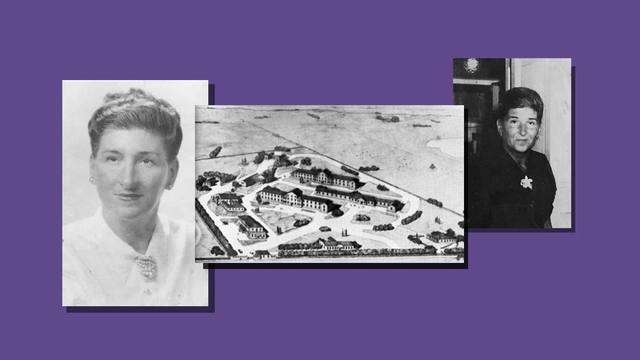
The first woman to receive an architecture degree in Argentina was Filandia Pizzul in 1928 from the University of Buenos Aires, more than 50 years after the program was first established. Starting in 1874, the architecture program operated independently of the Department of Sciences, where these studies had been housed since 1865. She was a pioneer in several fields, also becoming the first woman to complete courses at the Civil Aviation Directorate in 1928, earning pilot's license No. 181.

What are the invisible properties of paint?

What are the invisible properties of paint? - Featured Image
Camp del Ferro Sports Center (Barcelona) / AIA Salazar Navarro, Barceló Balanzó + Gustau Gili / Paint used: TITANPRO P-60. Image © José Hevia

Paint is synonymous with color, even when it is white. It is the simplest way to restore and correct imperfections on any surface, whether interior or exterior. Without detracting from this significant aesthetic benefit, paint also possesses composition-based properties that turn an attractive, well-finished project into a healthy building—one with a lower environmental impact throughout its life cycle.

Urban Parasite: Reclaiming Inert Spaces in the City

Subscriber Access | 

Fernando Abellanas had already shown us how to take refuge from the city within the city itself, with an installation that invited shelter in the interstitial spaces of an existing bridge. This time, he presents Urban Macroparasite: a habitable and connective structure created during the UIT Urban Festival in Tartu, Estonia.

This mobile installation adapts to achieve structural parasitism, prompting us to rethink how we occupy the inert and hidden spaces that make up our cities.

ArchDaily x Shenzhen Creative Home Design Week Forum: 'One Step Ahead, Contemporary Reflections on Dwelling'

Subscriber Access | 

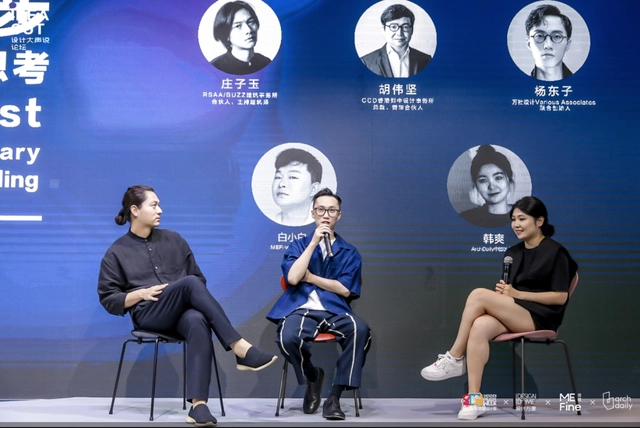
The 2022 Shenzhen Creative Home Design Week (hereinafter referred to as "Design Week") has successfully concluded. Against the ongoing backdrop of the pandemic, ArchDaily partnered with MEFine to present a themed design forum, "One Step Ahead: Contemporary Reflections on Dwelling." Hosted as part of "Design Out Loud"—a forum series dedicated to design and creativity curated by Design Dome—the event has successfully come to a close, leaving behind a wealth of memorable insights.

5 Augmented Realities with Speculative and Futuristic Visions of Barcelona

Subscriber Access | 

How do we actually give citizens the ability to discover and understand what is happening around their cities? This is one of the key questions raised by Eva Franch, artistic director alongside Beth Galí and José Luis de Vicente of Model - Barcelona Architectures Festival.

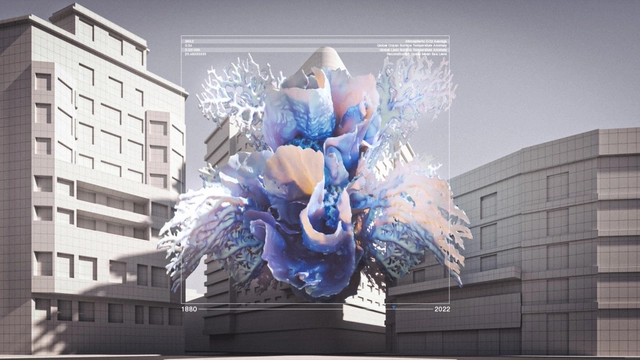
How do we bring these issues to the table, into public debate, and into the public sphere? One answer could lie in augmented realities—technologies that allow us to visualize parts of the real world overlaid with new information through a technological device. For this architecture event, in addition to the five temporary physical installations scattered throughout the city, five augmented reality installations were produced, reflecting the event's different themes: Between-Generations, Between-Cultures, Between-Species, Between-Classes, and Between-Materials.

What Are Site Coverage, Floor Area Ratio, and Permeability Ratio?

Subscriber Access | 

Established by master plans, zoning indexes consist of a set of regulations that govern building dimensions relative to the lot on which they are built. These requirements vary according to the zone in which the land is located and are divided into three main principles: Lot Coverage, Floor Area Ratio (FAR), and Permeability Rate. Learn what each one means and how to calculate them below.

An ensemble inspired by wine droplets houses "Bloodlust Wine Bar" in Valle de Guadalupe, Mexico

Subscriber Access | 

Featuring a spectacular amorphous structure, Bloodlust Wine Bar is located in Ejido El Porvenir, in the heart of Valle de Guadalupe, Baja California, Mexico. Its origins date back to late 2019, conceived by the vision of Juliette Cheanne, Poncho Muriedas, and Yuri Muriedas—three highly creative minds with a single shared mission: to bring to life a gastronomic space that, in addition to featuring an inimitable architectural facade designed by surrealist illustrator Jaime Zuverza, would offer an immersive auditory and visual experience to all who visit.

Nature-based solutions: examples implemented by Brazilian cities

Subscriber Access | 

Nature-based solutions (NBS) have become widely recognized as efficient approaches for adapting cities to the climate crisis and mitigating increasingly frequent disasters. Projects such as rain gardens, linear parks, hillside restoration, and urban agriculture help make cities more resilient to extreme weather events, while generating additional benefits for society, the economy, and the environment.