Every year, the National Fund for Culture and the Arts (FONCA), through the National System of Art Creators (SNCA), recognizes those who represent excellence in national culture through the Jóvenes Creadores Program. By providing grants, the program supports the creative and training processes of young Mexican artists, fostering favorable conditions for the development of original, significant, and positive creative projects.
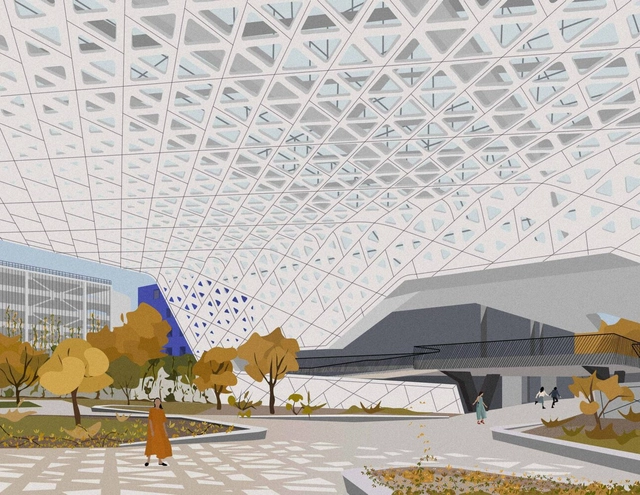
Architectural works from around the world are the primary inspiration for Erika Moreno, the creator of HUAJJE, a digital illustration project. The project was born in 2019, a year after Moreno completed her architecture degree in Tijuana. “The project started by accident; my only goal in making these drawings was to learn how to use more Photoshop tools—it was a personal challenge.” To document her process, she decided to open an Instagram account, which has since fostered an organic community that shares and supports her work. This has encouraged her to overcome her fears and even host workshops on the subject in various formats.
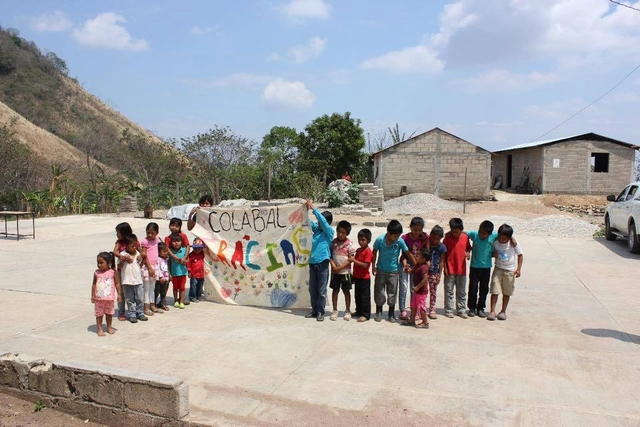
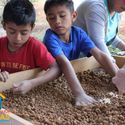
When we speak of social production, we refer to processes where community leaders are adults who represent and make decisions for their community; however, we often overlook children, who also enjoy and live in these spaces. They are the ones with limitless imagination and creativity, who create scenarios on Mars on a basketball court. They are the ones who hold the best car races in the loose sand of their backyards. They are children who, due to various family or economic circumstances, cannot write a letter, but instead express what they feel and want through the lines they draw.
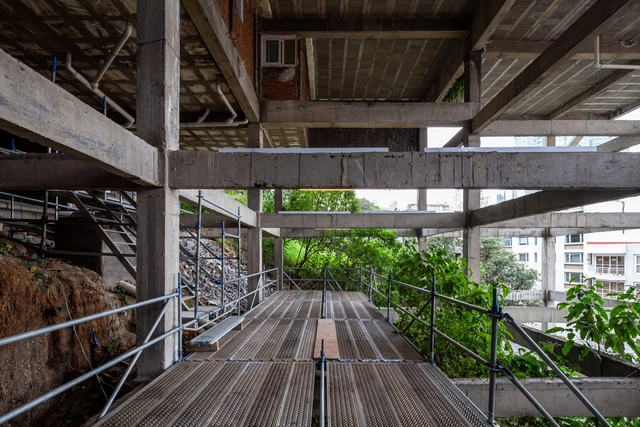
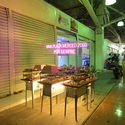
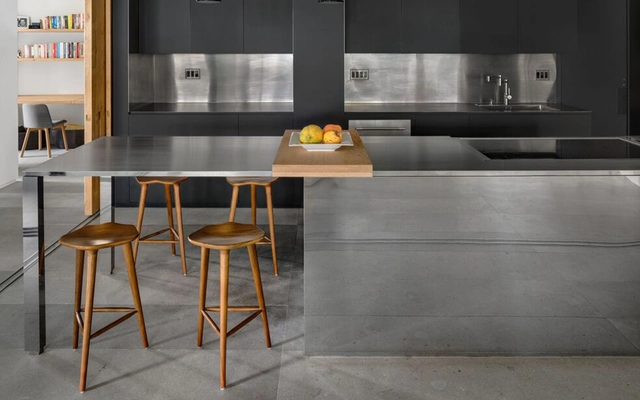
Molière Street Renovation / PPAA Pérez Palacios Arquitectos Asociados. Image
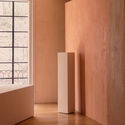
Over the years, interior design has evolved in response to changing needs, and above all, to the experiences it seeks to evoke for the user. Over the last two years, we have witnessed a radical shift and a heightened interest in this field, as the pandemic forced us to pay closer attention to how we configure the spaces we inhabit. This has brought about much more holistic designs aimed at user well-being, combining colors, sensory experiences, technology, and natural elements that promote health.
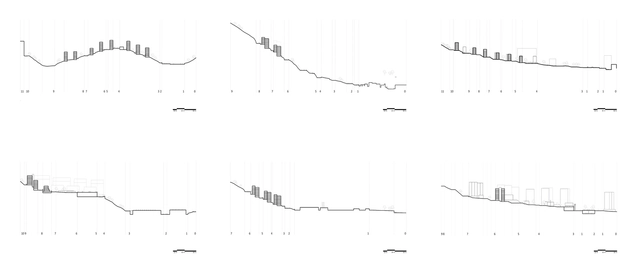
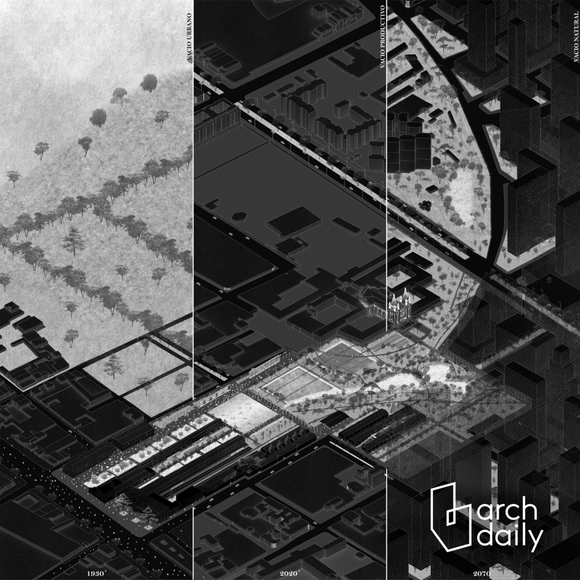
Polígonos en pendiente en Barcelona. Image Cortesía de Matías Falero
The contemporary urban footprint seems to expand its boundaries virtually without restriction while increasing in complexity. Major cities like Barcelona have expanded to the point where political boundaries merely represent the lines of administrative jurisdiction—which, in satellite imagery or everyday experience, often virtually cease to exist or are barely recognizable. On the other hand, a contemporary reading of its Metropolitan Area, stretched between mountain ranges, rivers, and the sea, demonstrates that this progressive expansion has always been shaped by its unique geographical enclave.
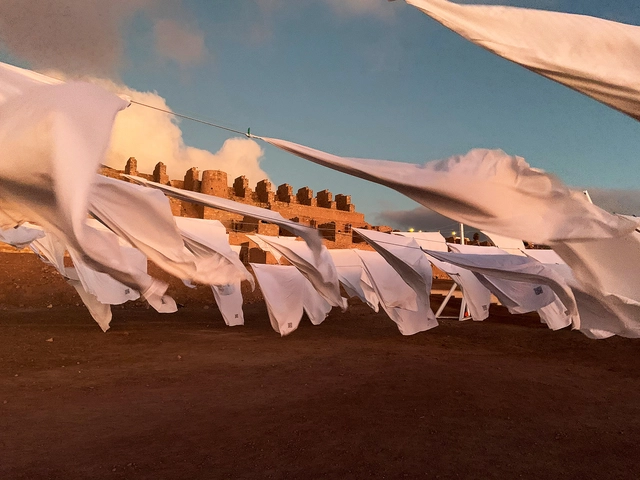
From April 11 to June 30, the Young Architects Festival (YAF), developed by Constructo, is taking place at the Ruinas de Huanchaca Park and Museum in Antofagasta, Chile. Within this space, Siglo 22 Arquitectos has created an immersive architectural installation activated by a series of events, including international lectures and a free public exhibition.
Today, understanding the properties of materials used in vernacular construction is essential to ensuring a better quality of life and spatial habitability, both of which have evolved alongside new technologies in the market. Spatial design now represents a commitment to the natural environment and, consequently, to improving quality of life.
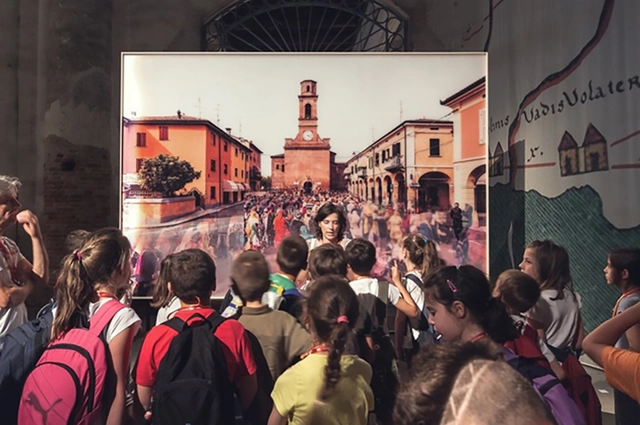
Figure 6. Matilde Cassani, Countryside worship/A celebration Day, 2014 — XIV Venice Biennale. Source: http://www.matildecassani.com/. Image via VAD
Italian law never explicitly denied women access to university. Nevertheless, their minimal presence in the 19th century—only 224 women graduated in Italy between 1867 and 1900—demonstrates how a double discrimination, based on both gender and social class, operated through an inherently elitist and dualistic educational system.
It is well known that the construction industry is one of the largest producers of CO2. Although significant progress has been made in technology and in design and construction processes, there is still a long way to go to minimize or nearly eliminate carbon emissions in the development of the built environment.
Indeed, as revolutionary as the construction industry may seem today, it remains responsible for nearly 40% of global carbon dioxide emissions, 11% of which result from the manufacturing of building materials such as steel, cement, and glass.
What are the latest trends in reducing emissions in both design and material manufacturing? How should the industry transition toward net-zero architecture? These are some of the questions we want you to help us answer.
Traducciones: la utopía y el vacío performativo. Image Cortesía de Juan Manuel Sandoval Perdomo
To showcase the valuable work emerging from Latin American and Spanish universities, this year we launched an open call inviting architecture students to submit their graduation projects completed in 2021.
After thoroughly evaluating 137 proposals, our editorial team has selected and highlighted 10 projects that demonstrate rigorous critical thinking in response to their self-defined challenges. The selection valued not only those projects that delivered the best possible architecture through efficient design tailored to their context, program, and users, but also those that paid significant attention to human scale, the environment, experimentation, and new ways of addressing architecture in cities.
Today, technology is increasingly ubiquitous in major cities, driven by the rapid pace of capital-driven movement. A popular term to describe the relationship between urbanism and technology is “Smart Cities,” which centers on leveraging data to enhance building connectivity. However, widespread access to these new technologies has revealed how our unique experiences as citizens—driven by a strong desire to document urban environments—allow us to map and experience cities from alternative perspectives.
Publishing architecture is necessary for the discipline itself to be understood as such. Without it, architecture becomes an endeavor devoid of public inquiry, confined to private practices. Yet its presence opens up a field that translates a material language into a written one, reformulating the discourses emerging from this arena. Among the “smallest” of these publications are fanzines—mediums that arise from a desire for self-management and low-cost, small-run production, capable of adapting to diverse content, whether in the form of a booklet or simply folded paper.
The playful potential of the fanzine has sparked growing popularity in Chile, culminating in its inclusion in the XXI Chilean Biennial of Architecture and Urbanism in 2019. Although awareness of this medium predated this event, there is still a gap in understanding its characteristics. This necessitates asking simple, almost naive questions about the specific conditions of its production—discussions that ultimately reveal an invisible network woven among individuals who, without knowing it, were already connected.
Is there a future for our cities without a sustainable way of life? For some time now, urban sustainability has been viewed primarily through the lens of climate change rather than a holistic vision that integrates society and the way we live in community.
What new ways of living are we experiencing amid social, economic, and ecological shifts? We need to bring to the table different reference cases from around the world and understand the latest trends shaping how we live in our cities.
We want you, our readers, to not only be the first to share examples of co-living, cooperatives, and any new types of social housing you consider benchmarks, but also to share your thoughts on the matter in the form below. Selected comments will be published in an upcoming article.
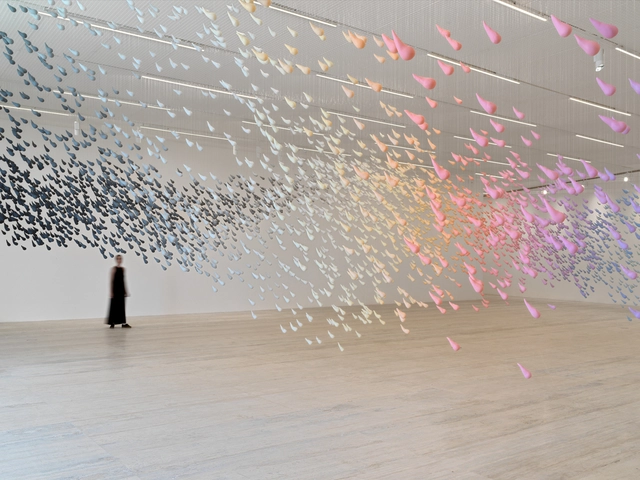
As part of the programming hosted by Museo Jumex from April 2 to September 18 in Mexico City, "Urs Fischer: Lovers" presents a 25-year retrospective of one of today's most celebrated international artists. Organized by guest curator Francesco Bonami, the exhibition brings together new pieces created specifically for the museum alongside works from international public and private collections, as well as the artist's own archives. Together, these works showcase the expansive creativity, humor, and depth of the artist's practice.
https://www.archdaily.com/1132140/urs-fischer-presents-his-first-major-exhibition-for-mexico-and-latin-america-at-museo-jumexArchDaily Team
"I'm an architect... now what?" must be one of the most common questions for any recent graduate holding an architecture degree. Over the years, many will find jobs in different industries that do not necessarily involve working in an office designing and building buildings.
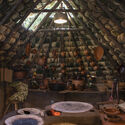
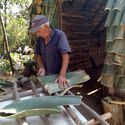
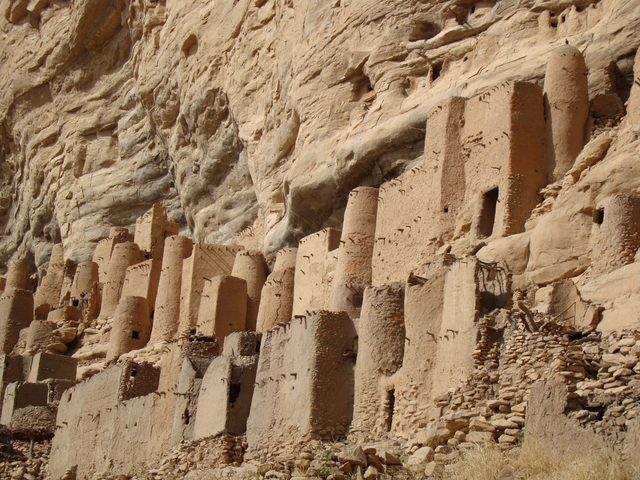
We visited “Dogon Country” in Mali (latitude 15°N) in 2008 to observe how vernacular “Dogon” architecture (a UNESCO World Heritage site) has achieved the counter-form of lived experiences. We were looking for the coherence between society and dwelling through architecture and urbanism in another dimension and another culture.
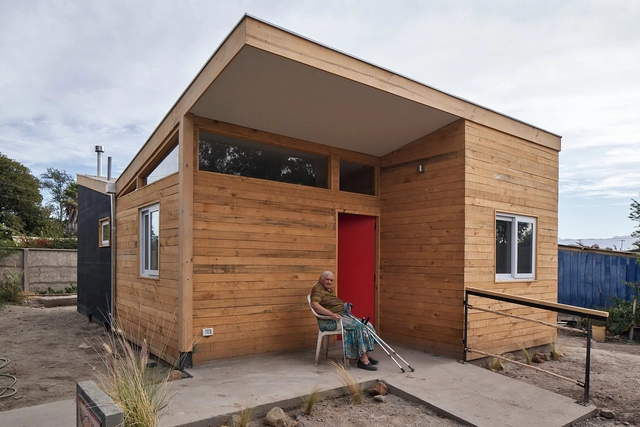
Throughout its history, CHC has participated in and supported social projects that improve the quality of life of their residents, while constantly seeking to establish new and better standards that contribute to the construction of spaces. In this particular case, the project led by architect Jaime Ovando integrates public funds through Chile's Habitabilidad Program and the Illustrious Municipality of Paine, along with private contributions from building material companies, the architecture firm, and the construction company, including CHC.
Thinking about the present and future of older adults is essential to improving the population's quality of life. According to the United Nations study on world population prospects, by 2050, it is estimated that 32% of Chile's population will be over 65 years old. According to data from the 2017 National Socioeconomic Characterization Survey (CASEN), 22.1% of older adults in the country live in multidimensional poverty. The connection between architecture and social commitment develops a strategy to combat vulnerability in this demographic.