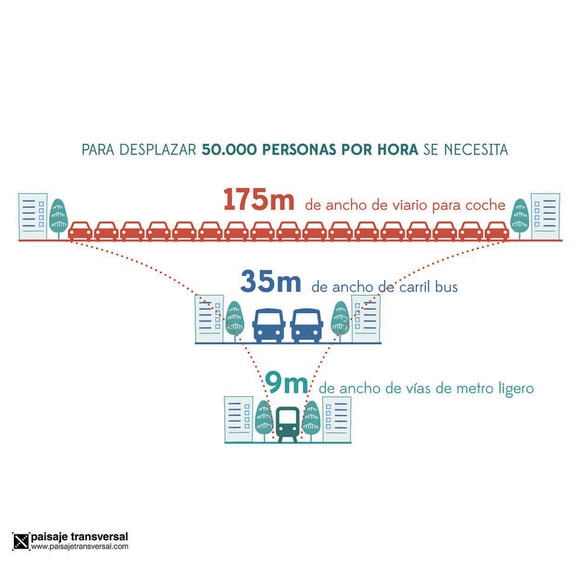

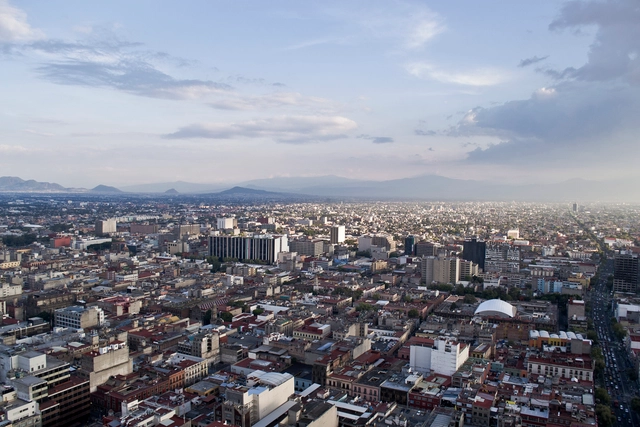
Numerous movements are demanding alternatives to current urban mobility—systems designed by and for vehicular traffic, burdened by an outdated planning mentality that centered everything around the car. Their reasons are equally diverse: improving public health, utilizing economic resources more rationally when commuting, lowering pollution levels (both noise and air), and even increasing efficiency by reducing travel times.
Yes, we are referring to the endless and inevitable daily traffic jams we have all experienced.
If the benefits across all sectors are so clear, why haven't we implemented an alternative mobility system on our streets yet? There are several answers to this question, ranging from public resistance to change and a lack of prioritization in political agendas, to the simple fact that there is no universal, magic formula to solve every issue overnight everywhere. Once we overcome these barriers, we can begin by analyzing who currently uses the streets, who does not, and why.








.jpg?1532554816&format=webp&width=640&height=580)