The Colombian plains city of Villavicencio ended the year with promising news. The new metropolitan park planned for its urban landscape is based on a proposal by Estudio Territorios, the winning entry in a competition commissioned by the Mayor's Office of Villavicencio and organized by the Colombian Society of Architects to create a metropolitan-scale green space for the region.
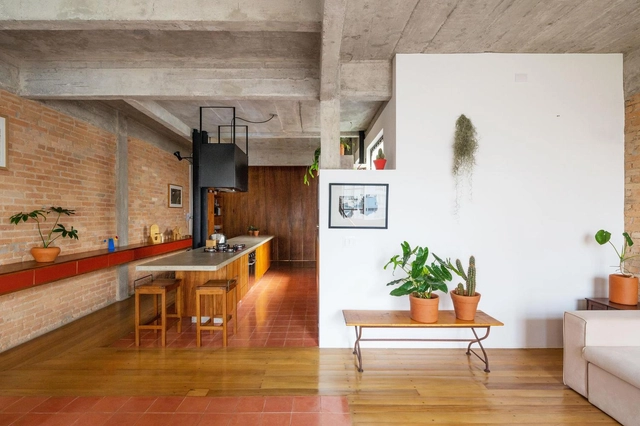
In 2020, the amount of time we spent inside our own homes increased significantly, and these changes undoubtedly impacted how we experience residential space. Reevaluating the quality of these places became essential, adding an extra layer of complexity to apartment design. Ensuring comfort in every room, expanding the sense of space in small areas, or making the home more versatile are some of the challenges imposed and solved in various ways.
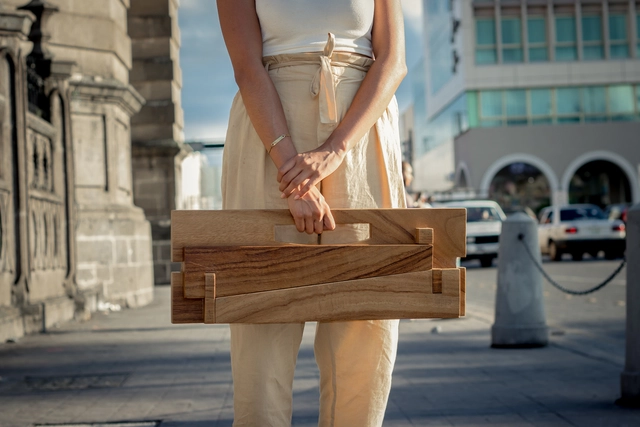
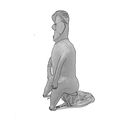
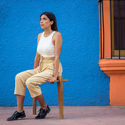
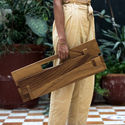
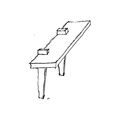
Luis Antonio Moreno Aguayo—architect and co-founder of Taller Matatipac in Tepic, Nayarit—presents his project: the Bípeda chair, which uses experimentation to simplify concepts to their elemental roots, employing critique as a tool to fuel creativity.
https://www.archdaily.com/1127907/taller-matatipac-presents-a-pre-hispanic-inspired-chair-in-mexicoArchDaily Team
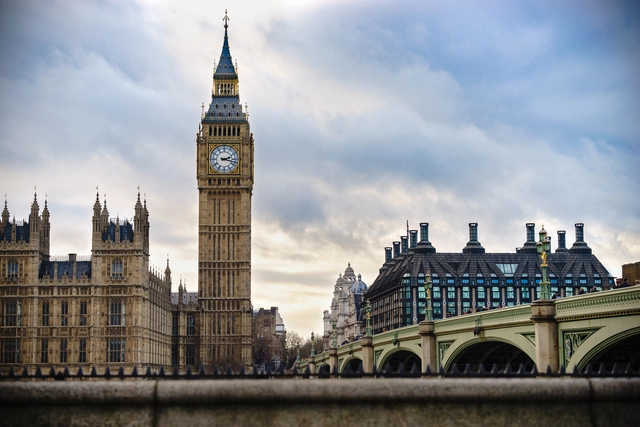
Big Ben, London, United Kingdom. Image by Pajor Pawel. Image via Shutterstock
As part of the Manchester International Festival (MIF), Argentine artist Marta Minujín set out to recreate London's iconic clock tower at half its original size. Relocated from London to Piccadilly Gardens in Manchester—the city that drove the Industrial Revolution during the 18th century—the replica is a 42-square-meter structure covered in 20,000 books related to British history. This cultural icon, representing the center of power in the United Kingdom, is symbolically laid on its side as a work of relational art where the public can enter, explore the installation, and, toward the end of the festival, take home the books that comprise it.
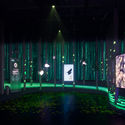
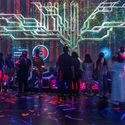
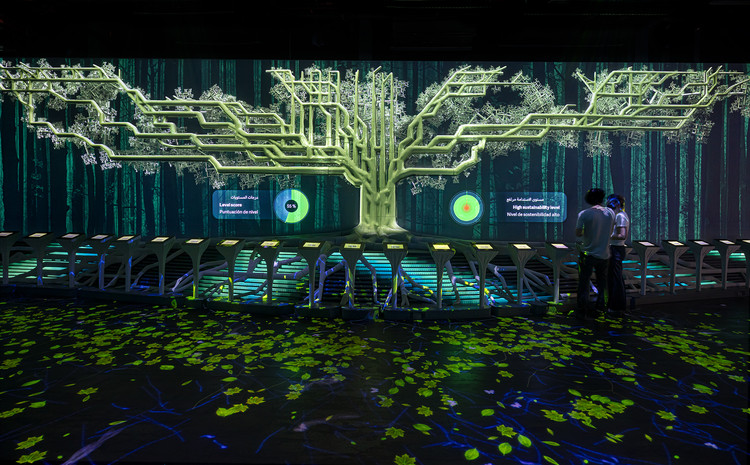
Under the theme “Connecting Minds, Creating the Future,” Expo Dubai 2020 —held from October 1, 2021, to March 31, 2022— is the first world expo hosted by an Arab nation and the Middle East region. The Spain Pavilion, under the slogan “Intelligence for Life,” synthesizes the idea of preserving a high quality of life on our planet for ourselves and future generations.
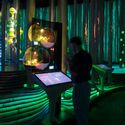
Designed by the firm amann cánovas maruri, the building is located in the expo's Sustainability District and stands out for its series of prominent truncated cones that rise above the landscape, evoking the feel of a traditional public square. Inside, the Pavilion houses two complementary thematic exhibition areas designed by the joint venture between External Reference and Onionlab. Here, the Barcelona-based firms have applied a striking blend of design, art, and technology to create a uniquely immersive experience.
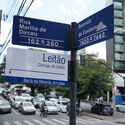
Rescuing the invisible, diving into an erased urban memory, and walking on water. Surprising as it may seem, the world has not ended yet. However, those walking through Belo Horizonte, passing the busy intersection of Afonso Pena Avenue and Brasil Avenue, might be able to pinpoint exactly where it does. The “Acaba-Mundo” [World's End] is a creek that crossed the Curral del Rei settlement, the site to which the capital of Minas Gerais was relocated in 1897.
“Edificios de Madrid” is a new 10-episode micro-series presented by Open House Madrid. A new episode will premiere each week on their YouTube channel, featuring ten renowned architects who explain and share previously unseen details of iconic works like the Zarzuela Racecourse, the Hotel Puerta de América, and the Liria Palace, while rediscovering lesser-known sites like the Frontón Beti Jai and the Francisco Giner de los Ríos Foundation.
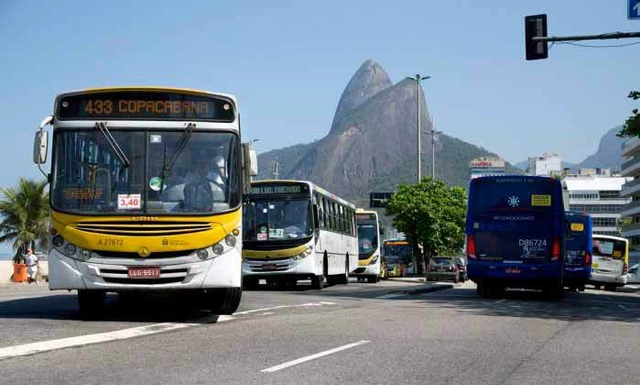
On World Environment Day, celebrated on June 5, the mayor of Rio de Janeiro, Eduardo Paes, launched the Sustainable Development and Climate Action Plan. The document will guide the municipal administration's environmental goals for the coming decades. Among the proposals is the adoption of solely electric buses on municipal routes.
Electric mobility in Brazil, particularly in public transportation, is still in its infancy. There are promising solutions, such as the solar-powered electric buses developed in Ceará and in Florianópolis, but the adoption of these technologies remains highly localized.
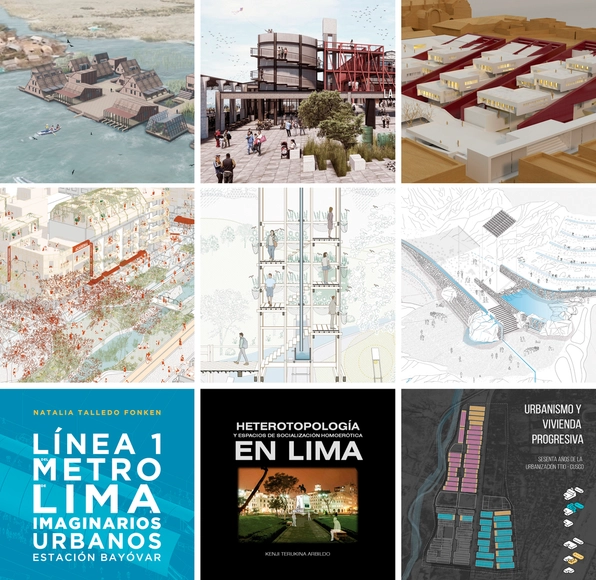
Today, the winners of the Regional Undergraduate Research and Thesis Projects Award were announced during the Lima International Architecture Biennial, BIALIMA 2021.
The purpose of this award is to promote, encourage, and highlight the best practices and talent of the more than 17,000 architecture students currently training in over 20 educational institutions across the Lima and Callao regions, who represent the future of architecture in the region.
The upcoming edition of Open House Madrid, taking place from September 24 to 26, will pay tribute to Spanish architect Luis Gutiérrez Soto, a key figure and promoter of the Modern Movement in España.
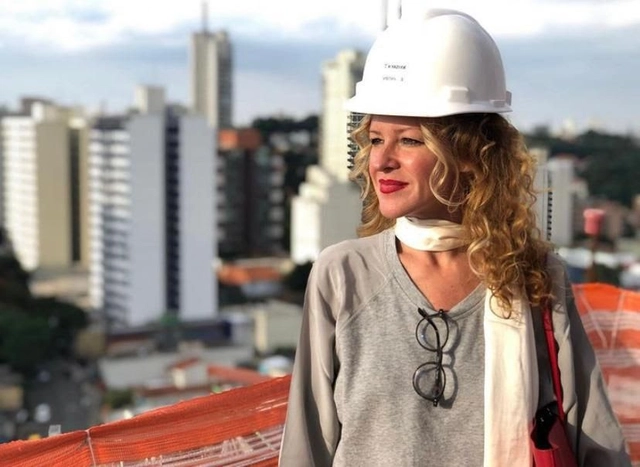
Brazilian architect Carol Bueno, born in 1975 and co-founder of the French-Brazilian firm Triptyque Architecture, passed away early Monday morning after battling brain cancer for the past year.
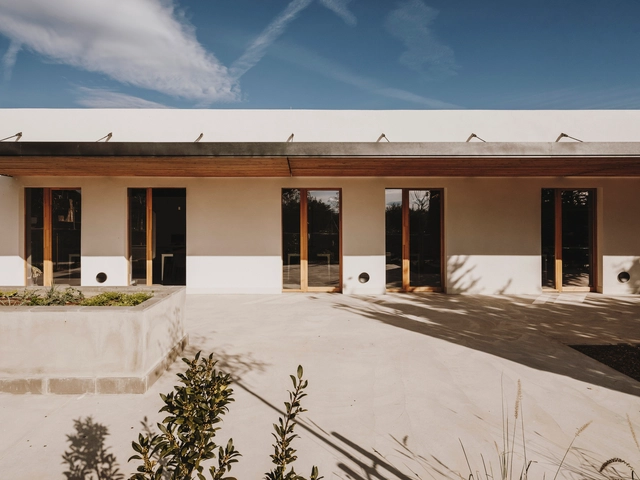
On Friday, November 19, 2021, the Official Association of Architects of Tarragona and the Alejandro de la Sota Foundation recognized the team at GCA Architects for their Alzheimer's Day Care Center project, as part of the 12th Tarragona Architecture Exhibition.
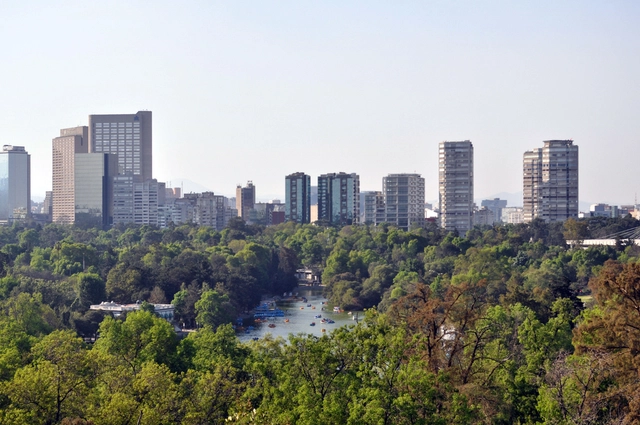
Mexico's Federal Ministry of Culture has announced that renowned Italian architect and 1998 Pritzker Prize laureate Renzo Piano will develop the conceptual design for the Mexican Contemporary Pavilion. The project will be built in the First Section of Chapultepec Forest as part of the "Chapultepec Forest: Nature and Culture" master plan, and will be funded by businessman Agustín Coppel and the Probosque México Trust.
LafargeHolcim—the world's most significant competition for sustainable design—has announced the results for the Next Generation category, which recognizes the most visionary and bold concepts by young professionals and students. In the European competition region, the jury selected four winners to receive Next Generation awards.
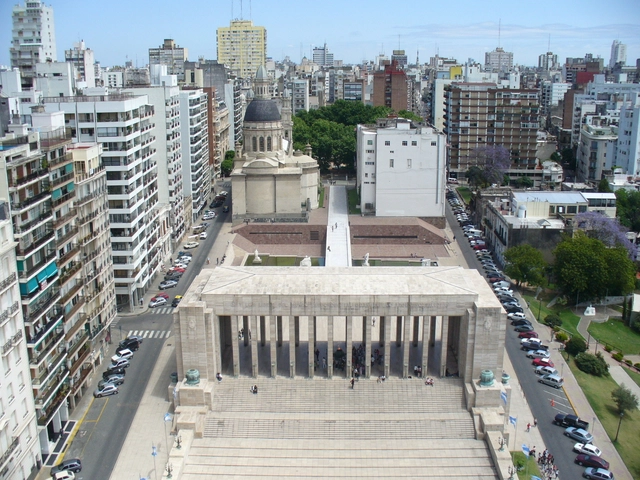
“Moving Masses” is the slogan of this year's World Bicycle Forum, which will take place for the first time in Argentina. This annual international event, held in different cities around the world, is aimed at all citizens with a central objective: to promote sustainable mobility. Through its theme, the proposal aims to represent the movement of masses, people, the river, bicycles, ideas, and energy. But how can we make our cities more inclusive and equitable? What infrastructure can be implemented to foster sustainable mobility?
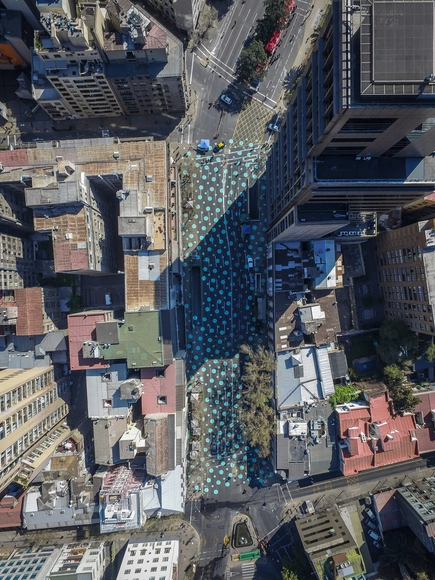
“Shared Streets” (Calles Compartidas), a project by the Chilean Urban Innovation Lab Ciudad Emergente, was recognized at the Scroll of Honour Awards for the urban impact of transforming certain streets in Santiago, Chile, into gathering spaces capable of significantly reducing the city’s carbon footprint. The UN-Habitat initiative seeks to encourage the work of those dedicated to innovation in sustainable urban development. In this edition, the 80 nominations were evaluated based on their response to the crisis caused by the pandemic and the theme of World Habitat Day 2021, “Accelerating urban action for a carbon-free world,” as well as their potential for replicability in different cities around the world. Below, discover the five winners that stood out for the resilience, sustainability, and inclusivity of their proposals.
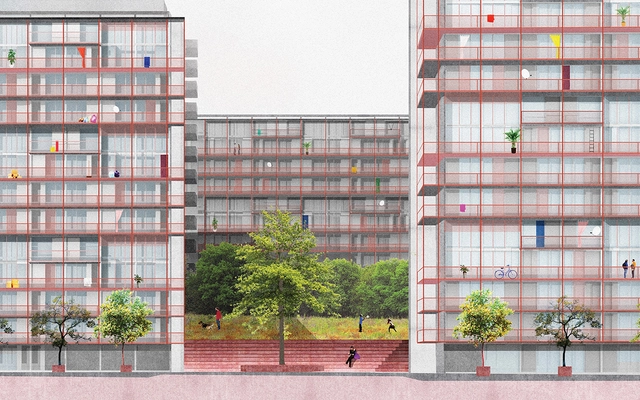
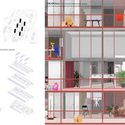
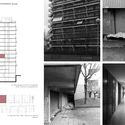
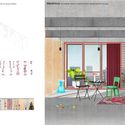
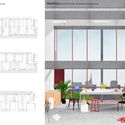
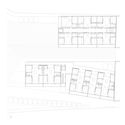
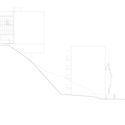
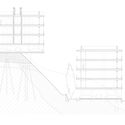
Through IMPSOL (Metropolitan Institute of Land Development and Property Management), the Barcelona Metropolitan Area (AMB) has begun construction on a new series of **social housing** units (VPO) on **plot 18J**, located in the Les Bateries sector of **Turó del Sastre in Montgat**, Spain. The design's primary focuses are environmental sustainability, inclusivity, and flexible uses for the various spaces.
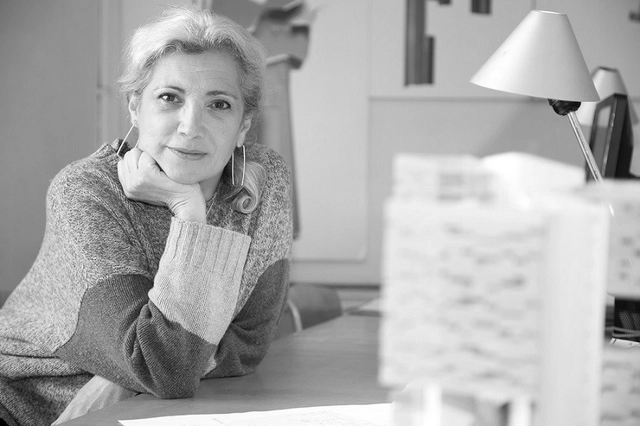
On Friday, December 10, it was announced that Carme Pinós has won Spain's highest architectural honor: the National Architecture Prize, awarded by the Ministry of Transport, Mobility and Urban Agenda.