Under the theme “Connecting Minds, Creating the Future,” Expo Dubai 2020 —held from October 1, 2021, to March 31, 2022— is the first world expo hosted by an Arab nation and the Middle East region. The Spain Pavilion, under the slogan “Intelligence for Life,” synthesizes the idea of preserving a high quality of life on our planet for ourselves and future generations.
Designed by the firm amann cánovas maruri, the building is located in the expo's Sustainability District and stands out for its series of prominent truncated cones that rise above the landscape, evoking the feel of a traditional public square. Inside, the Pavilion houses two complementary thematic exhibition areas designed by the joint venture between External Reference and Onionlab. Here, the Barcelona-based firms have applied a striking blend of design, art, and technology to create a uniquely immersive experience.
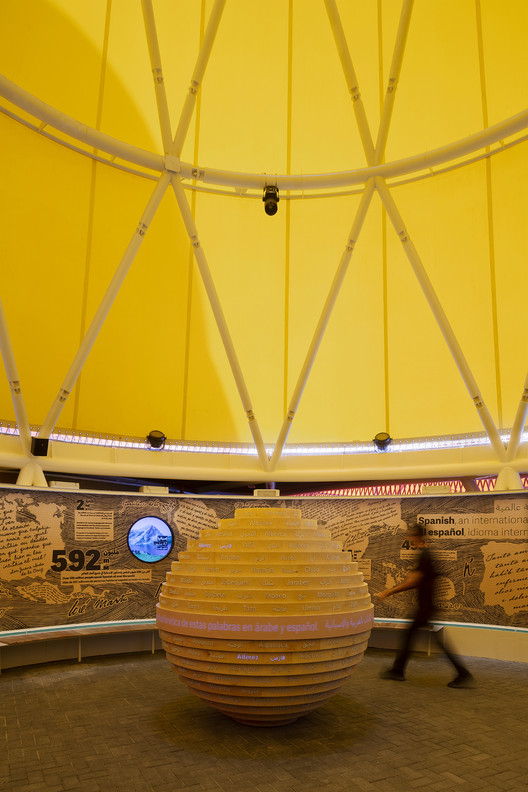
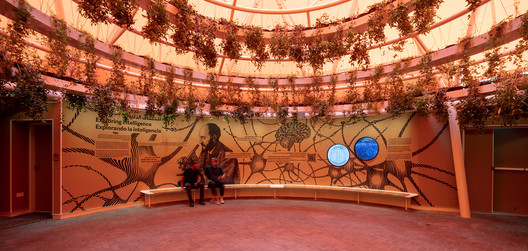
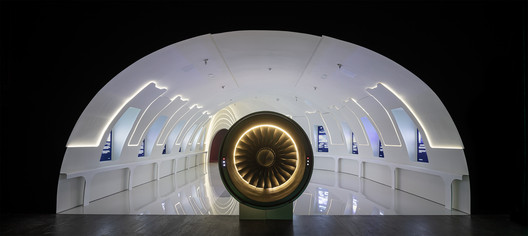
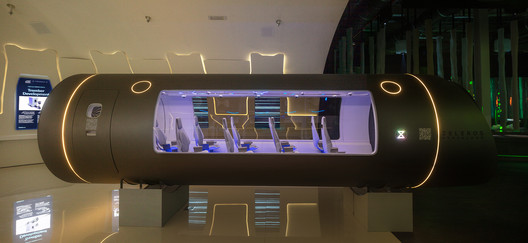
The first installation, Destellos, located at street level, is composed of a series of analog and mechanical displays that showcase Spanish contributions to global culture and highlight its historical connection with the Arab world. The second, The Forest of Intelligence, on the basement level, is a metaphorical space showing how the country aligns with the “2030 Agenda for Sustainable Development.” A 3D-printed artificial forest capable of producing oxygen and an interactive tree that reacts to the public's sustainable habits are two of the innovations featured in the Pavilion.
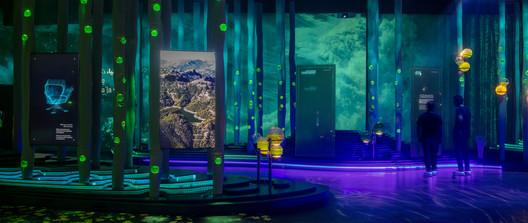
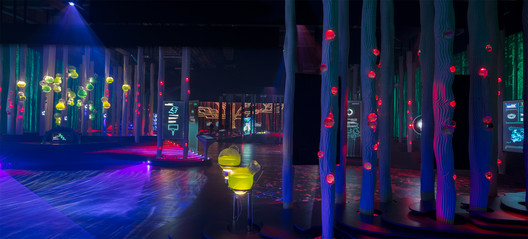
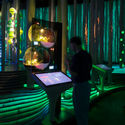
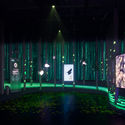
The Forest of Intelligence is a 3D-printed artificial forest that immerses visitors in an extraordinary world where digital and physical dimensions merge to create unique experiences. The trees are made from a sustainable bioplastic polymer capable of capturing and mineralizing some of the main greenhouse gases and pollutants in our atmosphere. The Forest is a metaphorical space that uses interactive resources to engage visitors, prompting everyone to consider the impact of their own actions on society and, consequently, the environment.

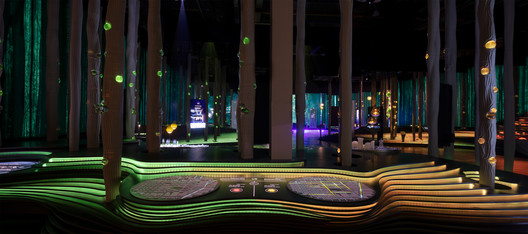
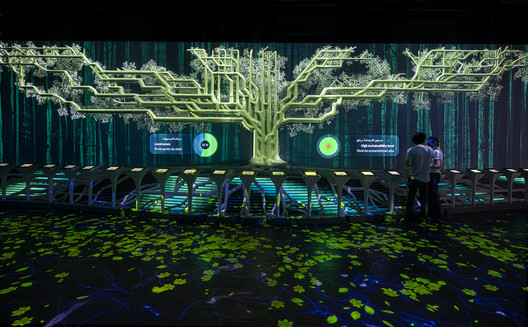
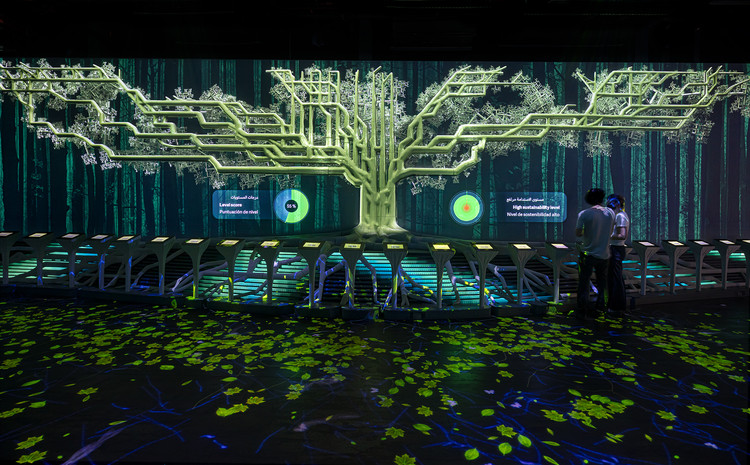
The final section features the Tree of Balance, the interactive heart of the exhibition. This tree is projected across the entire back wall of the pavilion and aggregates all visitor interactions with the forest. Based on a series of questions about consumption habits—which visitors can answer via an interactive app or a bank of thirty screens—the tree reacts positively or negatively to their answers, watering itself with a blue or red drop accordingly. The sum of these drops determines whether the tree becomes greener and more lush, or loses its foliage and withers, confronting visitors with the sustainability of their lifestyle choices.

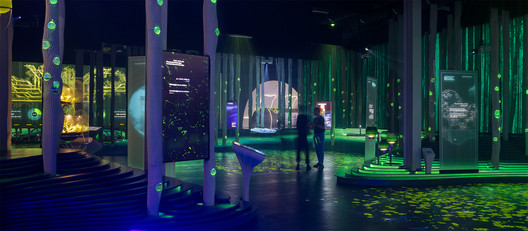
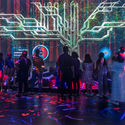
A wide range of new technologies is deployed across both floors. These include an interactive floor, 3D projection-mapped models, audiovisual pieces on large-format screens, interactive installations, holograms, and backlit murals.
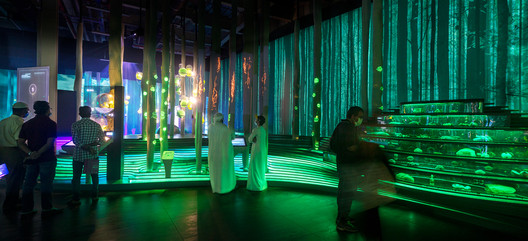

In creating the exhibition space for the Spain Pavilion, External Reference and Onionlab have designed an unforgettable participatory, playful, and educational experience that fosters a deeper understanding of Spain and its people. This coherent depiction of Spain's innovative sustainability practices reminds visitors of the importance of meeting present needs without compromising those of future generations.
This article was written by Elías Barczuk Pasamán. The translation is powered by AI.