During an extraordinary session on August 17, lawmakers of the Legislative Assembly of the State of São Paulo (Alesp) approved Bill 356/2015, which mandates the inclusion of rainwater harvesting systems in architectural projects across the state of São Paulo.
Proposed by Representative Marcos Damasio (PL), Bill 356 mandates rainwater harvesting systems to promote sustainability and environmental preservation. The system would be installed during renovations of existing buildings and would be mandatory for new constructions, ensuring that new projects incorporate rainwater harvesting from the design phase.
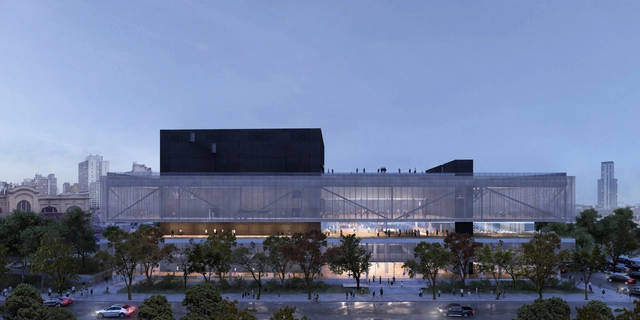
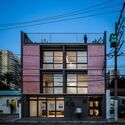
Fachada Sul. Image Cortesia de UNA Barbara e Valentim
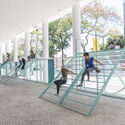
In its 8th edition, the Saint-Gobain AsBEA Architecture Award announced the winners of its 2021 cycle, and the Sesc Parque Dom Pedro II project, developed by UNA Arquitetos under the coordination of Fernanda Barbara and Fabio Valentim—currently partners at UNA Barbara e Valentim—won in three categories. It secured first place in the Professional Category – Institutional Project, the Sustainability Highlight award, and the "Roberto Claudio dos Santos Aflalo" Highlight of the Year award.
Last week, we announced the 15 finalists for the 2025 ArchDaily Brasil Building of the Year Award, which celebrates the best of Lusophone architecture by inviting our readers to vote for their favorite projects built in Portuguese-speaking countries. Now, the time has come to reveal the three grand winners!
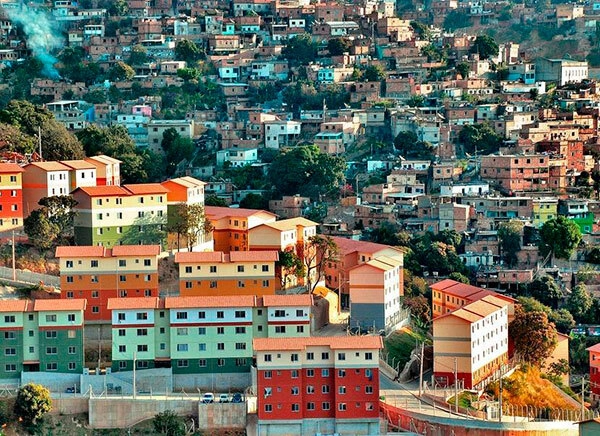
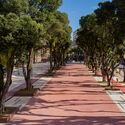
Life is not easy for pedestrians in the periphery of São Paulo – especially in neighborhoods like Brasilândia, Guaianases, Cidade Tiradentes, and Sapopemba, where the percentage of narrow sidewalks (less than two meters wide) is higher than the city average. Meanwhile, areas such as Mooca, Lapa, Pinheiros, Vila Mariana, and Sé stand out positively. In these neighborhoods, the percentage of sidewalks wider than three meters is above the city average. Experts consider two meters to be the minimum width to ensure safe pedestrian mobility.
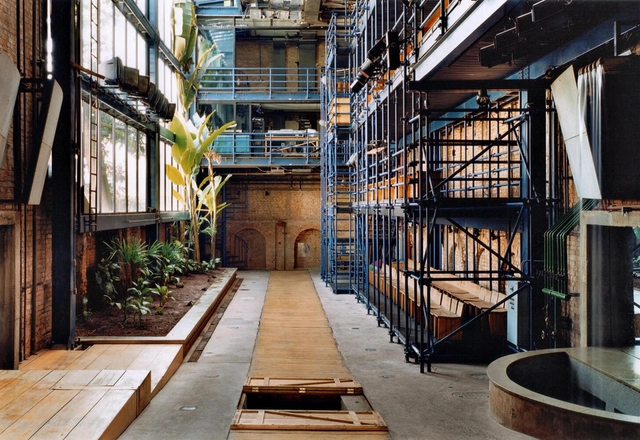
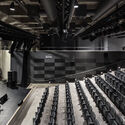
This Sunday, September 19, marks National Theater Day in Brazil. As an artistic and cultural medium, theater manifests in diverse spaces, from the stage to the streets. From actors and playwrights to costumes and set design, numerous roles and elements come together to move and captivate the audience. Architecture also plays a vital role, shaping lighting, acoustics, and the relationship between the stage and the audience. Ultimately, in theater, the story is materialized through space. To mark this national celebration, we have selected ten Brazilian theater projects previously featured on ArchDaily Brasil.
Conceived from the collection of the MAXXI museum in Rome, the traveling exhibition of At Home, at Garagem Sul, Centro Cultural de Belém in Lisbon, is complemented by Portuguese examples, expanding the interpretations and meanings of the presented materials. The exhibition ranges from the small scale of the shelter to the large scale of collective housing, revealing hybrid and complex experiences that bear witness to new ways of relating the individual and the community.
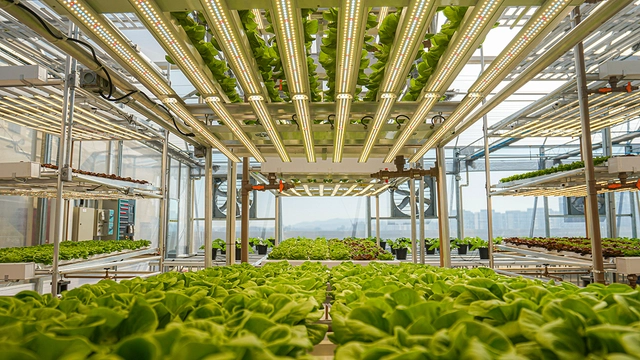
In partnership with BeGreen, Latin America's first urban farm, iFood has opened an urban farm on the rooftop of its headquarters in Osasco, Greater São Paulo. The 950-square-meter facility is dedicated to cultivating 1.7 metric tons per month of fresh, pesticide-free greens, fruits, and vegetables.
Located on the building's seventh floor, the urban farm aims to direct its entire production to the 3,000 families registered with the Osasco Food Bank. The first official harvest will take place in August and will be entirely donated to the municipal project.
The 8th {CURA} Award has announced the winners of its competition, which was themed around collective housing for the 21st century. The competition invited participants to reflect on new ways of living in the city, focusing primarily on issues of urban mobility, density, and bioclimatic efficiency.
Each project was evaluated individually, based on criteria such as consistency with the proposed theme; conceptual and architectural quality; creativity and critical vision in the proposed solution; suitability to the urban and territorial context; quality of graphic representation and clarity in communicating the proposal; social and environmental impact; and compliance with the competition brief. Team identities were only revealed after the jury's final decision.
https://www.archdaily.com/1079998/meet-the-winners-of-the-8th-cura-prize-collective-housing-for-the-21st-centuryArchDaily Team
Romano Guerra Editora has launched a presale campaign to support the publication of the book Arquitetura e escrita: relatos do ofício, a collection compiling 24 interviews with prominent Brazilian and international historians and critics spanning different generations and intellectual backgrounds. The book is edited by José Lira, Felipe Contier, João Sodré, Jonas Delecave, Paula Dedecca, Samira Chahin, and Victor Próspero.
Conducted by the editors or guest contributors, the interviews shed light on their formative paths, affiliations, and major works, as well as their methodological and interpretive approaches, and their dialogues with other authors and disciplines.
CAU Brazil has launched two public calls for institutional support aimed at selecting civil society organizations (CSOs) interested in carrying out two major initiatives to promote architecture and urbanism. Over R$ 1 million will be allocated to cultural projects and technical assistance for social interest housing (ATHIS).
Maps are fundamental tools for understanding the built environment. Rather than just representing locations, they allow us to visualize spatial relationships, recognize urban patterns, overlay layers of information, and produce new ways of reading a territory. In architecture, they can help reveal how projects are distributed across cities, identifying which areas concentrate investments or remain on the margins. Furthermore, maps are never neutral: all cartographic representation involves choices—such as data selection, spatial boundaries, and projections used—that can carry political intentions, reinforcing or questioning power structures and worldviews.
In partnership with the platform PLACE, developed by the firm OSPA, ArchDaily Brasil presents an interactive map featuring most of the projects published on the site in recent years. Each point provides information such as images, location, and technical data about the works. The initiative uses exclusively public data available on the platform and includes projects in almost every Brazilian state.
https://www.archdaily.com/1080005/place-launches-interactive-map-with-all-projects-from-archdaily-brasilArchDaily Team
Following the controversy surrounding the news that Lucio Costa's estate was donated to Casa da Arquitectura, a Portuguese institution dedicated to safeguarding the archives of national and international architects, the Public Archive of the Federal District, the Secretariat of Culture and Creative Economy (Secec), and the National Institute of Historic and Artistic Heritage (Iphan) are now working to establish a cooperation agreement with the Portugal-based institution.
The Tomie Ohtake Institute and AkzoNobel present the 13 projects selected for the eighth edition of the Tomie Ohtake Institute AkzoNobel Architecture Prize. The selection was made by a jury comprising architects Ariadne Moraes, Carlos Alberto Maciel, Cintia Lins, Diego Mauro, and Tainá de Paula.
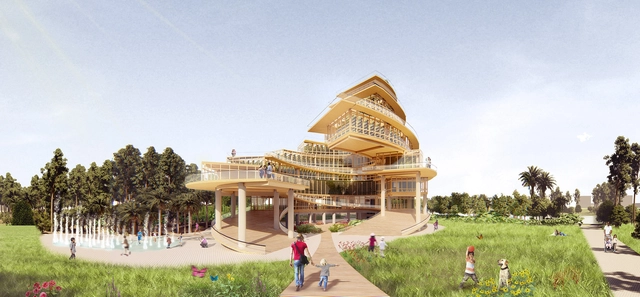
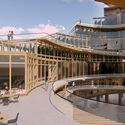
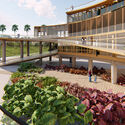
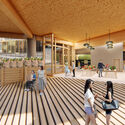
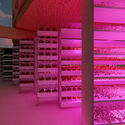
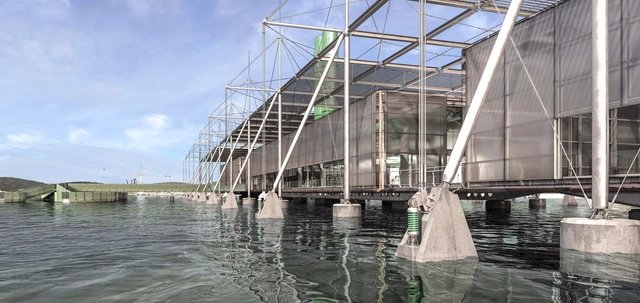
Cora Coletivo, a transdisciplinary Brazilian group, developed a project in the city of Dongguan, China, for the Urban Greenhouse Challenge II (UGC2) competition. The proposal for an iconic timber-structured vertical farm houses culture, leisure, and the entire food production and distribution chain. In addition, the site features landscape design in its open spaces and an Agroforestry System (SAF) for food production.
Architecture students from Mackenzie Presbyterian University in São Paulo have won the 14th ALACERO Steel Design Competition for Architecture Students 2021, surpassing competitors from countries such as Argentina, Chile, Mexico, Ecuador, and the Dominican Republic. The competition aimed to promote architectural concepts that utilize steel as their primary material.
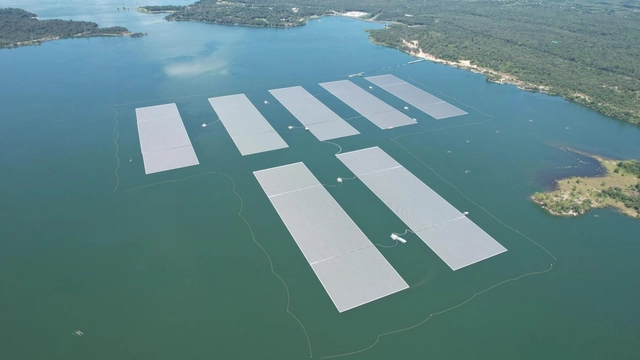
A large floating solar farm has begun operations in Thailand. Solar cells installed on the water's surface harness sunlight during the day, while three turbines convert hydropower at night.
The system combines two types of renewable electricity generation at the Sirindhorn Reservoir in Ubon Ratchathani province, located about 660 kilometers from the capital, Bangkok. A total of 145,000 solar panels have been installed. The 45 MW of peak power produced by the project complements existing dam operations, which can generate an additional 36 MW and supply electricity to three provinces in eastern Thailand.
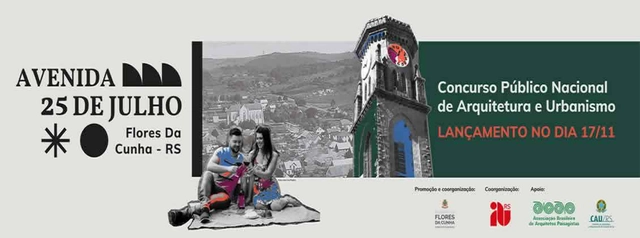
The Municipality of Flores da Cunha (RS), in partnership with the Institute of Architects of Brazil – Rio Grande do Sul Department (IAB RS) and supported by the Council for Architecture and Urbanism of RS (CAU/RS) and the Brazilian Association of Landscape Architects (ABAP), has launched the National Public Competition for Architecture and Urban Design to revitalize Avenida 25 de Julho – one of the city's most important thoroughfares. The competition guidelines are available on the website and the Instagram profiles of IAB RS and the municipal government.
A vast majority of construction in Brazil occurs without the involvement of architectural professionals. Yet, thousands of architects graduate across the country every year. At the same time, Brazil has a rich building culture, expressed through people building their own homes and the traditional knowledge of communities shaping daily life.
Doesn't it seem obvious that those who build should stand alongside those who design to shape reality together? This is the proposal behind Canteiro Móvel.