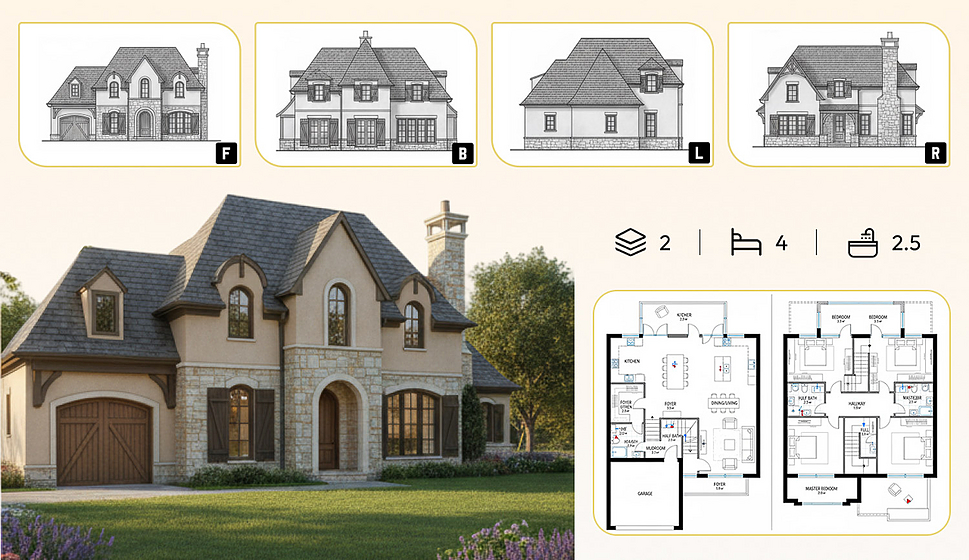
This guide covers a workflow that moves from project parameters to generated floor plans, 3D perspective views, exterior design exploration, and site context visualization, using AI tools in place of preliminary CAD and rendering work.
This guide covers a workflow that moves from project parameters to generated floor plans, 3D perspective views, exterior design exploration, and site context visualization, using AI tools in place of preliminary CAD and rendering work.
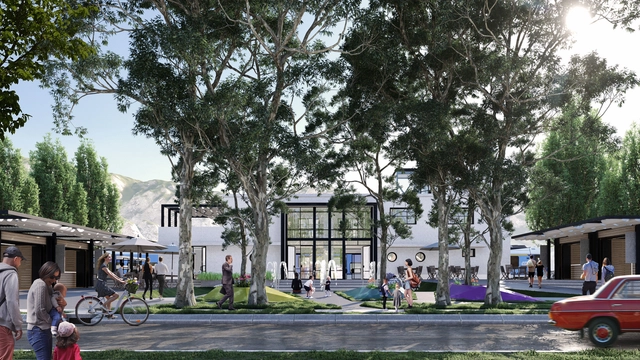
In 2020, Trenzando launched the “Ideas for the Rehabilitation of Railway Stations” competition, designed as an opportunity to showcase the richness of this heritage, which includes 170 stations connected to the country's railway network. The open call received around 100 proposals for the rehabilitation of the San Rosendo and Yumbel stations in the Biobío Region, Rungue in the Metropolitan Region, and Ocoa in the Valparaíso Region.
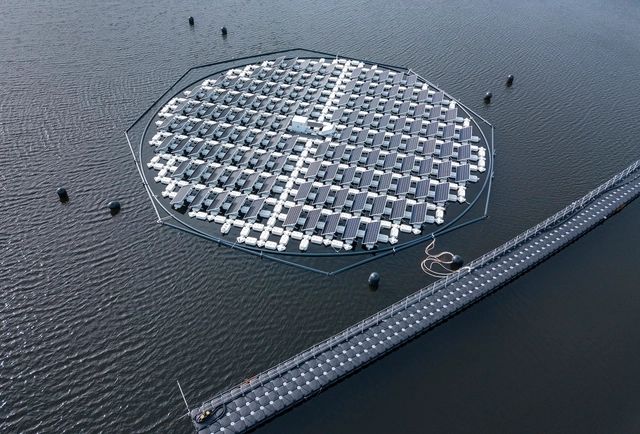
A floating solar farm capable of tracking the sun's rays is being tested in the Netherlands. The prototype, dubbed Proteus, was selected as a finalist for the European Inventor Award, which celebrates the best and most innovative inventions.
Although it was not chosen for the European award, the plant demonstrated its technological potential. Its panels rotate slowly on two axes, using mechanical, geospatial, and light sensors to precisely track the elevation of the sun's path as it moves from east to west. This increases the farm's energy production capacity, allowing it to generate around 73 kilowatts of power.

CAU Brasil has launched its campaign for the 2022 Architect and Urbanist Day. To mark the occasion, celebrated on December 15, a variety of content is being published featuring real-life stories of architects who have overcome various challenges in both their careers and personal lives. The goal is to promote professional appreciation by showing how architecture and urbanism improve people's quality of life.
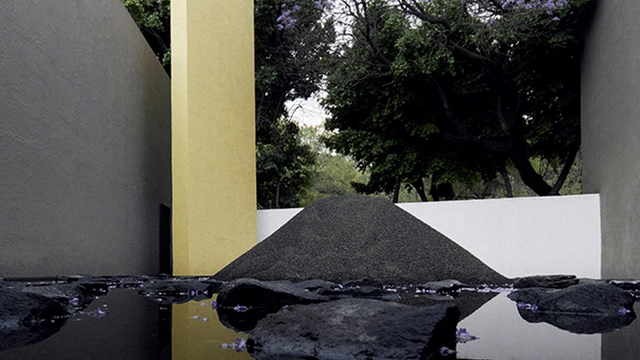
Following the open call for the Eco Pavilion 2023, 172 entries were received from 16 Mexican states and three countries. After reviewing all first-phase portfolios, the Technical Committee announced the selection of seven teams to develop a specific project based on the guidelines of the curatorial proposal “ZERO TIME. A reflection on time, the Anthropocene, and tangential resistance,” curated by architect Gabriela Carrillo.
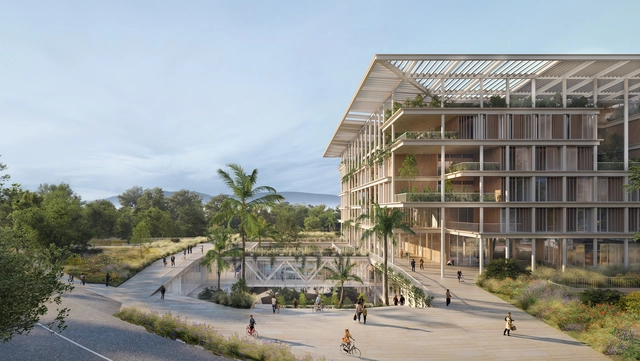
Sponsored by the Santa Fe de Bogotá Foundation (Bogotá), the Tatamá Foundation, and the Santo Domingo Foundation, the Tatamá Hospital Architectural Competition aims to improve the quality of healthcare services in western Colombia. With advisory support from the School of Architecture and Design at the Universidad de los Andes, the project involves constructing a healthcare complex covering approximately 36,000 m2 in an expanding area of the municipality of Pereira, Risaralda.
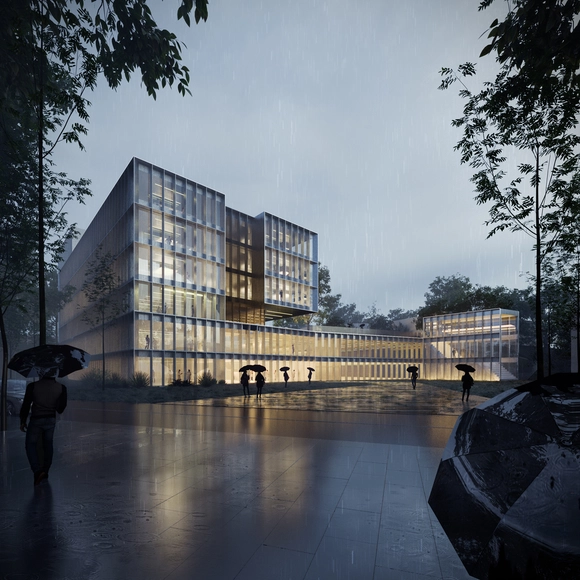
The architecture firm Vaillo + Irigaray Architects has won the competition to design the new building for the Donostia International Physics Center Foundation in San Sebastián, Spain. The proposal aims to expand existing activities by creating an emblematic, iconic, and recognizable building to enhance the DIPC's image as a leading research center at the forefront of physics.
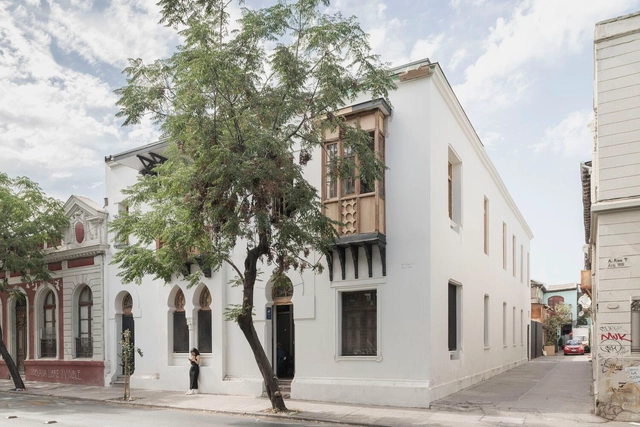
From January 14 to 22, 2023, the XXII Chile Architecture and Urbanism Biennial will finally take place in the area surrounding Palacio de La Moneda, Santiago. The theme of this edition, "Vulnerable Habitats," seeks to address the country's urgent challenges surrounding the housing deficit and access to housing, along with the vulnerability of cities and territories reflected in their public spaces, heritage, and environmental issues.
The Architects Association of Chile along with the Ministry of Cultures, Arts, and Heritage, organizers of this event—which held its previous edition in 2019—have recently announced the results of their open calls: 50 works and projects will be part of the National Architecture Exhibition, and 36 initiatives will join the Meetings and Debates Program. See the complete list below.
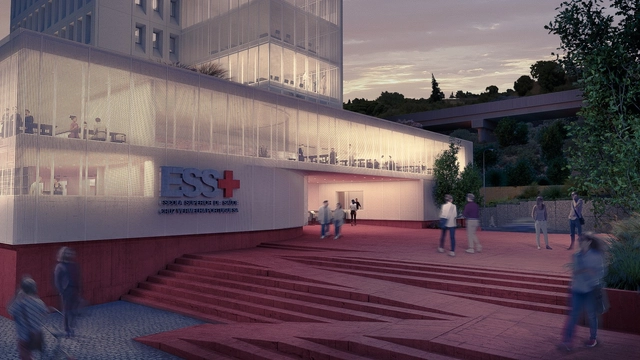
The firm Apparatus Architects, led by Brazilian architect Gabriella Gama and Portuguese architect Filipe Lourenço, was invited by the Portuguese Red Cross Health School (ESSCVP) to develop a rehabilitation and expansion project for the new school in the Alcântara Valley, Lisbon. Initially, the project consisted of creating a space for a vocational clinic, but it expanded in scope when the architects proposed renovating the entire tower.
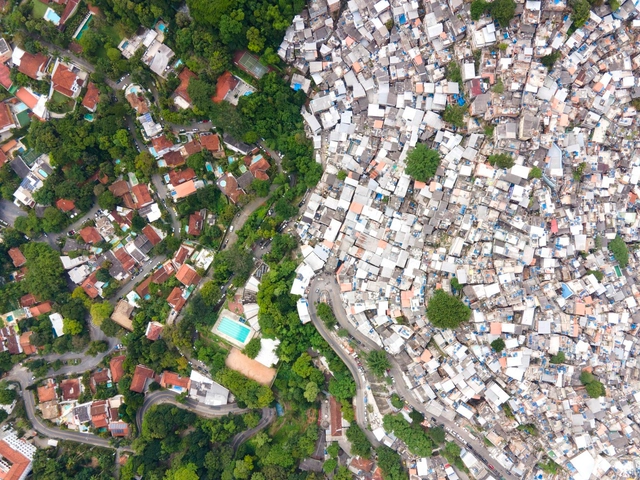
On October 10, 2023, more than 200,000 Brazilian architects and urban planners will choose their representatives for CAU Brasil and CAU/UF for the 2024–2026 term.
Activities related to the 2023 CAU Elections begin on January 1, starting with a campaign to update professional registration data, ensuring everyone can vote and run for office. The deadline to complete the update is May 31.
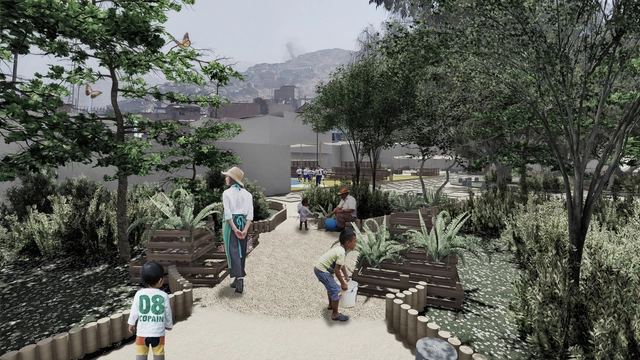
The "Public Spaces in the City of Hope" competition in José Carlos Mariátegui - San Juan de Lurigancho has announced its winners. Promoted by the CENCA Urban Development Institute in partnership with Ocupa tu Calle, the initiative is part of the project "Promoting sustainable, fair, and participatory social and environmental transformation processes on the hillsides of San Juan de Lurigancho, Lima, Peru," led by CENCA and supported by the German Ministry and the "City of Hope" institutional strategic proposal.

In April 2021, French lawmakers voted to ban short-haul domestic flights on routes that can be traveled by train in under two and a half hours. The measure aims to help reduce the country's carbon emissions.
Reducing emissions is one of the commitments made under the Paris Agreement to curb global climate change. Among the various measures countries must implement, the aviation sector stands out: air travel is estimated to account for 2.5% to 3% of global CO2 emissions.

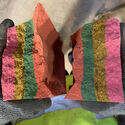
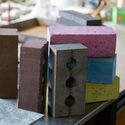
Scottish startup Kenoteq has launched the K-Briq – a more sustainable building brick that is unfired and made of 90% construction waste. Developed by engineering professor Gabriela Medero at Heriot-Watt University in Edinburgh, the K-Briq generates less than a tenth of the carbon emissions during manufacturing compared to a standard brick.
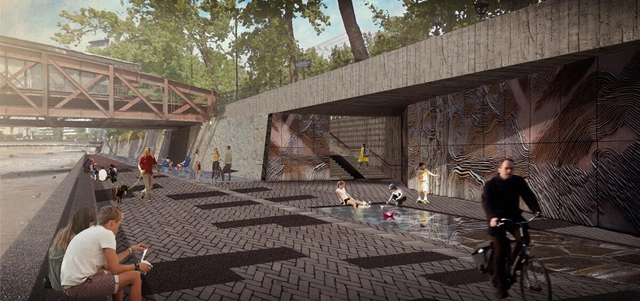
On December 29, 2022, the regional governor of the Metropolitan Region, Claudio Orrego, announced an investment of 7.7 billion Chilean pesos (9.4 million USD) for the construction of the Mapocho Pedaleable y Caminable Urban Promenade. The announcement is part of a public space recovery initiative and the master bike path plan promoted by the Chilean capital's regional government.
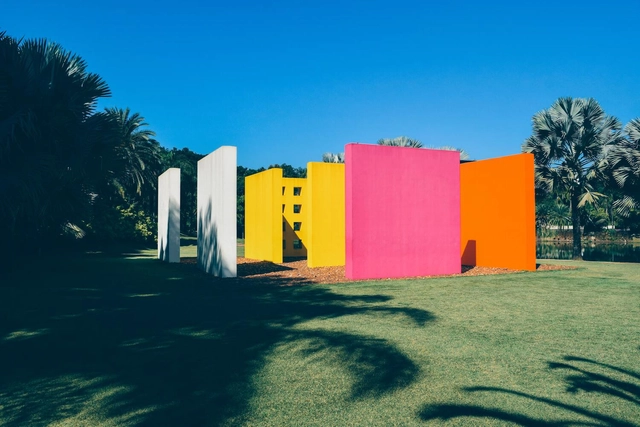
Starting in February, Instituto Inhotim will offer free admission on the last Sunday of every month. This promotional initiative is sponsored by B3 (the Brazilian Stock Exchange) and will run through 2024.
The first free-admission Sunday will be February 26. Currently, free admission is offered on the last Friday of every month, except holidays.
Registration for the 5th Tomie Ohtake Design Award, aimed at university students and recently graduated professionals from all fields, has been extended until February 16. The initiative has established itself as the leading Brazilian design mapping award, welcoming multiple languages due to its transdisciplinary nature and avoiding rigid categories, as it encompasses projects of diverse natures.
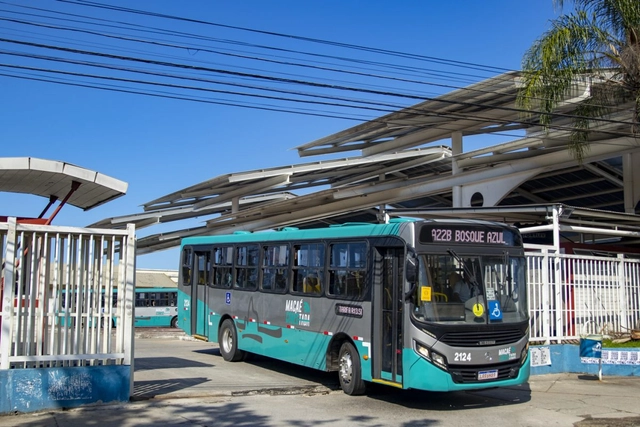
Macaé, a municipality in the state of Rio de Janeiro with over 266,000 residents, has just extended free public transit to people experiencing homelessness. While free access was already guaranteed for people over 60 and individuals with disabilities, it now also benefits the city's vulnerable population.
Unanimously approved during a session of the Macaé City Council, the measure was introduced by council member Iza Vicente (Rede) following a request from the Rio de Janeiro Public Defender's Office. This is the first law in the state of Rio de Janeiro to guarantee free public transit for this demographic.

Known for its impressive architecture, Dubai could add a 93-kilometer city-wide bike path to its list of mega-projects. Designed by architecture studio Urb, the mega-structure would be a covered pathway designed exclusively for cyclists and pedestrians, aiming to encourage Dubai's three million residents to swap their cars for more sustainable and healthier modes of transportation.
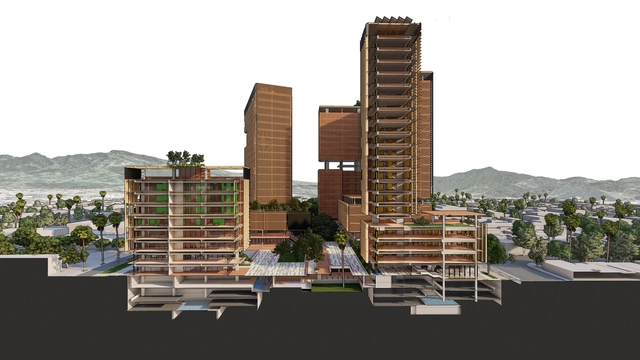
In December 2022, the Government of the Republic of Costa Rica launched an architectural and urban ideas competition for the area where the first phase of Ciudad Gobierno will be developed—an urban renewal project in downtown San José that aims to transform nearly four city blocks of the capital with office, retail, and public spaces.
At the end of February 2023, the winning proposal was announced from among 28 submitted designs to serve as a model for the building complex that will house 18 public institutions west of Plaza González Víquez. Designed by Venezuela-based Micucci Arquitectos Asociados, the winning project is titled "Metropolitan Civic Park."
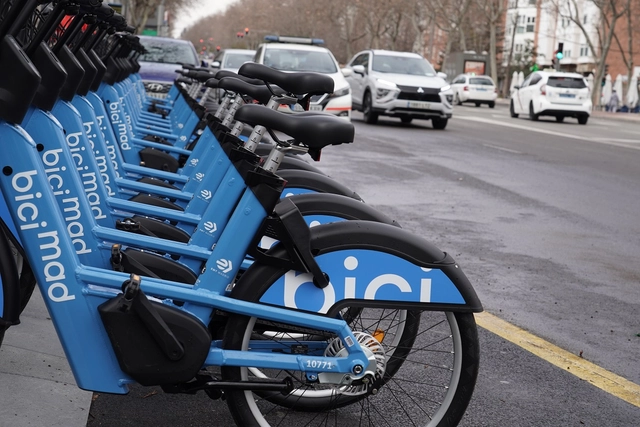
The Madrid City Council aims to encourage bicycle use as a means of transportation. To this end, the city has operated BiciMAD since 2014—a public bike-sharing system integrated into the Spanish capital's transit network. Now, the program will be free for trips of up to 30 minutes.
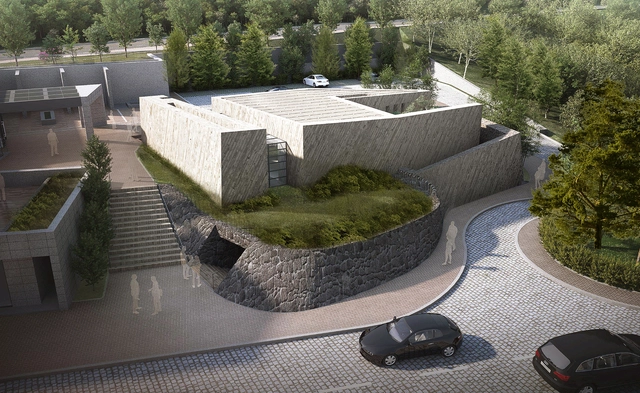
On Jeju Island in South Korea, Spanish architect Fernando Menis is designing the Park Seo Bo Museum of Contemporary Art, dedicated to the legacy of the Korean artist. Inspired by both his introspective work and collection and the volcanic nature of the site, the building aims to merge with its surroundings. Built mostly underground and utilizing local materials, natural light and shadow combine to form the essence of its interior spaces.

Today is the day to meet the finalists of ODA2023, the award celebrating the best architecture in the Spanish-speaking world. Our expert jury—you, the readers—has selected 15 of your favorite projects from nearly 1,000 architectural works built across Latin America and Spain.
Now in its fifteenth year, this award has become a true tradition. It is an open invitation to all our readers to recognize the projects published in 2022 that inspired them and that represent the identity of their local contexts in a globalized planet—shaping how architecture is made in Latin America and Spain within an increasingly heterogeneous and multicultural world.

Solar energy is one of the fastest-growing energy sources in the world. Going beyond rooftop installations or large power plants, various innovations are emerging to harness the power of sunlight. One such recent initiative is being developed by startup Sun-Ways, which will install removable solar panels along railway tracks in Switzerland.
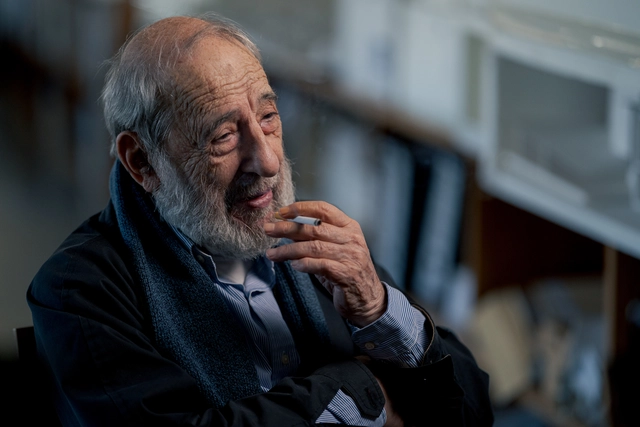
Álvaro Siza, the first Portuguese Pritzker laureate, is undeniably a figure of major importance in the history of contemporary architecture, with projects that have shaped the urban landscape of numerous cities around the world. While his name and work are widely recognized, Siza remains a deeply private and introspective figure who prefers to keep his personal life out of the spotlight.
Directed by producer and director Augusto Custódio, the documentary Siza offers an intimate, personal look at the renowned Portuguese architect. The film covers his childhood, his relationship with his wife, his passion for sculpture, and his appreciation for classical music, exploring both his influences and his professional journey.

We are pleased to present the finalist projects for the 2023 Obra do Ano Award. After two weeks of nominations, our readers have chosen their favorite projects from hundreds of works built across Portuguese-speaking countries. Our jury of experts, made up of our very own readers, has once again done an outstanding job of selecting these 15 finalists.
From today until April 3 at 11:59 PM (Brasília time, GMT-3), you can vote once a day for the projects you consider to be the best examples of contemporary Portuguese-speaking architecture. The winners will be announced on April 4.