This guide covers a workflow that moves from project parameters to generated floor plans, 3D perspective views, exterior design exploration, and site context visualization, using AI tools in place of preliminary CAD and rendering work.
This guide covers a workflow that moves from project parameters to generated floor plans, 3D perspective views, exterior design exploration, and site context visualization, using AI tools in place of preliminary CAD and rendering work.
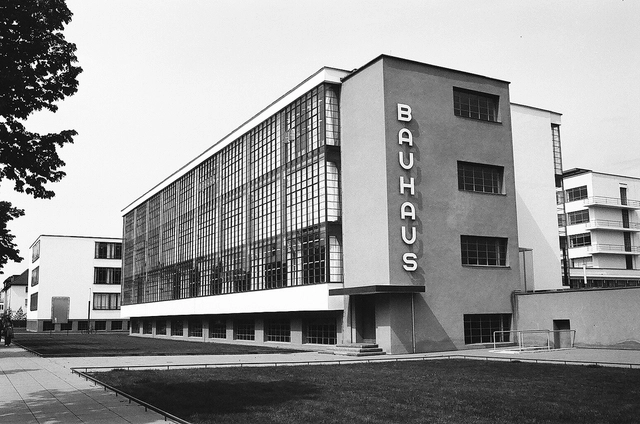
The concept of Gesamtkunstwerk (total work of art) shaped 19th-century art movements and influenced several design schools of the era—including the Bauhaus, which brought the term into the modern age. The school's unstructured architectural designs and avant-garde furniture paved the way for fields such as fashion, graphic design, and painting. At the Bauhaus, disciplines drew inspiration from one another, blurring the boundaries between art and industry. When the school closed in 1933, however, many design projects were left unfinished.
To revive some of these interrupted Bauhaus design projects, Adobe has launched the "Hidden Treasures" initiative to recreate five typefaces originally designed by five of the school's masters: Joost Schmidt, Xanti Schawinsky, Reinhold Rossig, Carl Marx, and Alfred Arndt.
.jpg?1524062964&format=webp&width=640&height=580)
The Museu de Arte de São Paulo has put up for sale a limited edition of one hundred crystal easels designed by Lina Bo Bardi. Originally introduced in 1968 and removed from the museum in 1996, the iconic easels were redesigned by the firm Metro Arquitetos and brought back to the MASP gallery in 2015. Each unit costs R$ 10,000, and the proceeds will support the museum's activities.

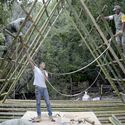
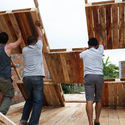
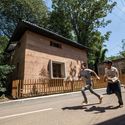
Year after year, natural disasters leave thousands of people homeless, forcing them to seek shelter as their only option. In many cases, cities are unable to address these crises due to a lack of resources. Furthermore, providing aid while preserving human dignity has become increasingly complex, rendering traditional solutions completely unviable.
In these moments, innovation and creativity in hands-on construction play a vital role, ultimately yielding faster, more efficient architectural models that can be rapidly replicated following natural disasters.
When designing semi-permanent architecture, certain principles must be followed. Below, we have compiled a set of tips and examples to guide this process.
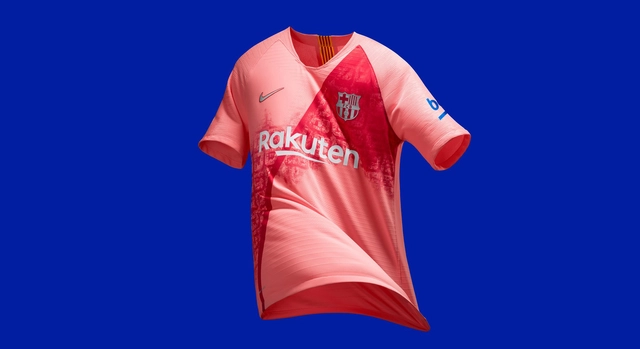
Barça’s history is closely tied to Barcelona, the city where the soccer club was founded in 1899. Today, the reigning Spanish league champions paid tribute to the city with the launch of their third kit for the 2018/2019 season.
The third jersey features a pale pink color crossed by a diagonal sash running from the left shoulder to the bottom right. The stripe pays tribute to Avinguda Diagonal, one of Barcelona's most important avenues, and is superimposed on a reddish-toned satellite image of the Eixample district.
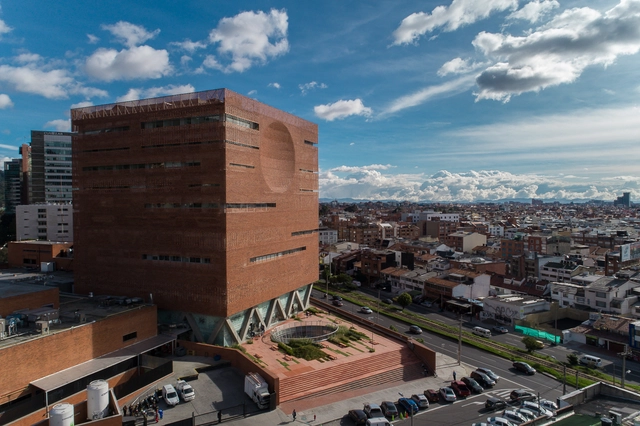
Designed by El Equipo de Mazzanti, the Fundación Santa Fe de Bogotá has been selected as the winner in the 'Healthcare Architecture' category of the 2018 Building of the Year Awards, making it the only Colombian project—and one of only two Latin American representatives—to win in the competition organized by ArchDaily, the network of websites to which ArchDaily Colombia also belongs.
The Building of the Year Awards are presented annually to the best projects published on our English-language edition—the most visited architecture website in the world—with winners chosen by the readers themselves, who can vote across 15 typological categories in two stages. In this edition, the competition reached 100,000 votes from around the world within a two-week period.

The challenge proposed by the competition, aimed at students, was to redefine the highway motel typology, creating a building that would engage with the Rio de Janeiro skyline and focus on design and entertainment for its guests.
According to the jury, “Many proposals focused on autonomous volumetric design, as if shifting volumes to meet a functional solution could account for the complexity required for urban integration. Therefore, the most critical evaluation criteria were program innovation, proper circulation planning, and the interaction between architecture and open spaces. In this regard, the proposals that managed to leverage the site's potential achieved the competition's objectives: the creation of an URBAN Motel.”
See the winners below.
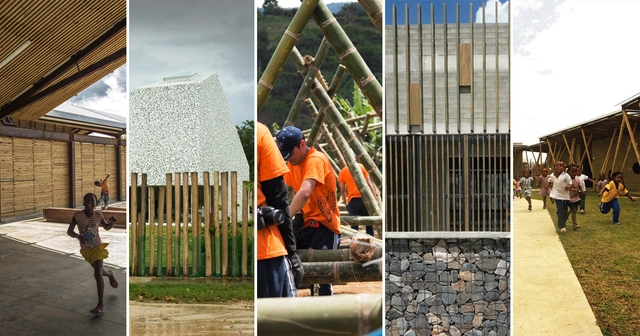

The need for both physical and mental reconstruction opens the door to various interpretations, highlighting the human capacity to adapt despite adversity: resilient individuals facing challenges in remote territories once constrained by armed conflict, oppression, and fear.
Post-conflict architecture is one of the major contributions to rebuilding a country that needs greater social awareness in this peace process. Redefining territories, preserving memory, and fostering a sense of ownership are the essential characteristics shaping these architectural spaces and reclaiming areas once marked by violence. Today, their symbolism plays an important role within many communities that find identity through architecture, proving that these remote locations in Colombia are now examples of unity and coexistence.
In light of this reality, we have selected five projects that have fostered a deep connection to the territory, offering flexible spaces that support new ways of building social fabric.

At the end of each year, we issue a call for submissions for graduation projects from our Portuguese-speaking readers. Through this, we aim to select the most interesting proposals to present inspiring visions and foster debates for our entire audience.
For this edition, we received 466 proposals from all over Brazil, as well as cities like Lisbon and Luanda. Before presenting the 30 selected by our editorial team, it should be noted that this list does not necessarily feature the "best" projects received. Instead, it highlights the works we found most well-presented, graphically engaging, and with themes that seemed particularly relevant for a final graduation project. Rather than simply resolving a design program satisfactorily, we believe that a final graduation project—as a culmination of a student's efforts during the transition from academia to professional practice (while, importantly, still part of their academic journey)—should raise questions and provoke discussion about the proposed theme.
It is worth noting that several submissions did not follow the guidelines of the call and were disqualified or lacked sufficient material for evaluation.
Below is our selection* of the best final graduation projects from Portuguese-speaking countries, accompanied by descriptions provided by their authors.
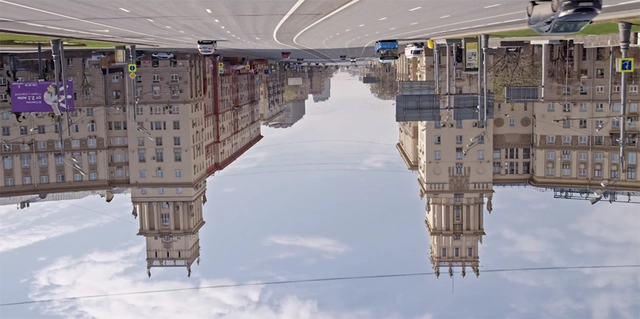
The Arquiteturas Film Festival, one of the most prominent film festivals dedicated to cinema addressing architecture and cities, has announced the list of award-winning films for its 2018 edition. In its 6th edition, the festival, which is an independent project promoted by DYMA – Do You Mean Architecture, focused on "exploring what we learn from the futuristic, utopian, or hyper-realistic stories that have been shaping our visual culture through cinema."
Believing that “there is no cinema without architecture,” the objective of Arquiteturas is to discover and present films that foster meaningful contemporary debates and broaden the viewer's critical thinking.

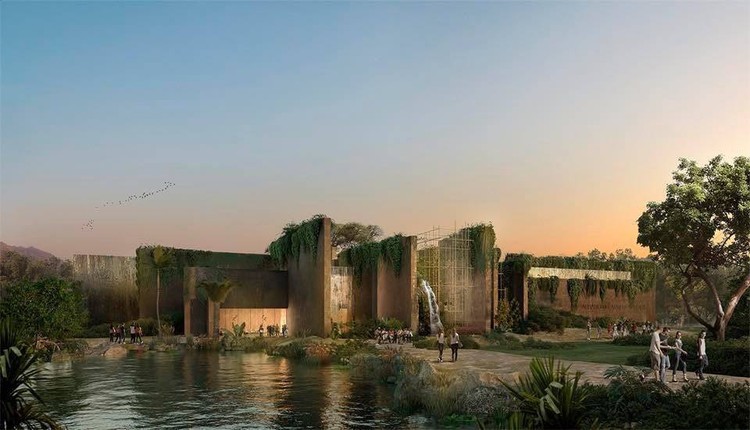
With an investment of 1.188 billion pesos, a new aquarium will be built in Mazatlán. According to local authorities, it will be the largest in Latin America, spanning 12,384 square meters, with 3,917 square meters allocated for outdoor areas and 9,441 square meters for interiors.
The Mexican architecture firm led by Tatiana Bilbao will head the project in collaboration with international companies, including San Francisco-based EHDD, San Diego-based TJP Engineering, and Chicago-based Space Haus.
Once the bidding process—expected to take three months from the release of the call—is complete, construction will take 24 months. This timeline is planned to avoid disrupting the operations of the existing aquarium.
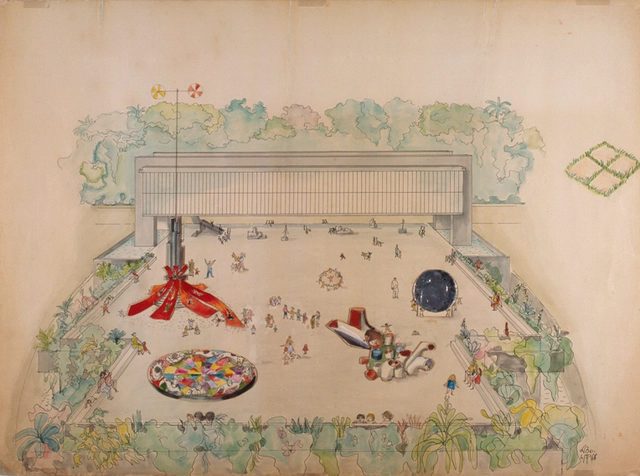
The theme “Women’s Histories, Feminist Histories” will guide the 2019 exhibition program at the Museu de Arte de São Paulo Assis Chateaubriand (MASP). Six solo exhibitions by female artists—Djanira da Motta e Silva, Tarsila do Amaral, Lina Bo Bardi, Anna Bella Geiger, Leonor Antunes, and Gego—have already been confirmed, alongside a major group exhibition sharing the program's title.
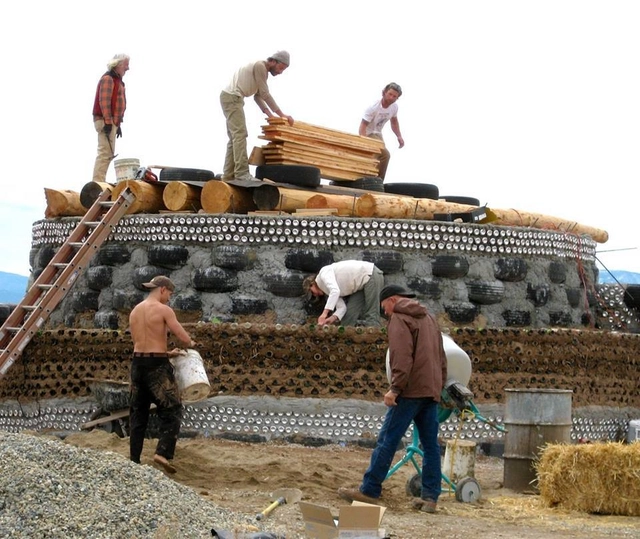
Bioconstruction is based on the principle that it is possible to build with a very low environmental impact. To promote this concept and present practical techniques, the Ministry of the Environment is offering a free online guidebook for training and information on the subject and its methodologies.
Although created for a course within the Support Program for Ecotourism and Environmental Sustainability in Tourism (Proecotur), the material is highly useful for anyone wishing to better understand bioconstruction and learn the details of different sustainable and environmentally friendly techniques.
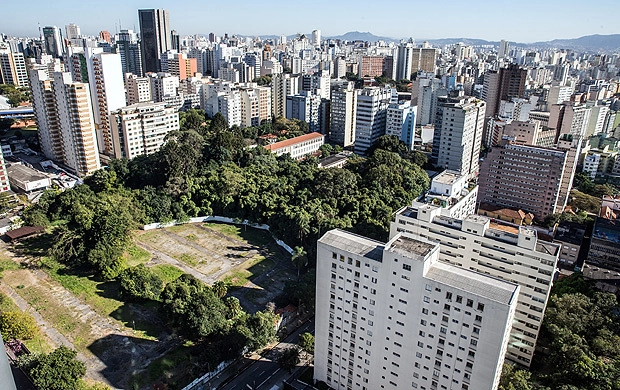
A happy ending to one of the disputes over the appropriation of urban space in São Paulo: the land that will house Augusta Park is finally becoming a public and common asset. After decades of impasse, the social, environmental, and cultural function of the city's last central woodland has prevailed over the right of the developers owning the land to exploit it by building high-rises.
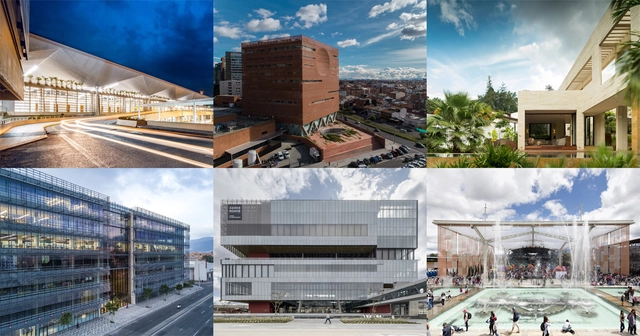
The Jury of the XXVI Colombian Biennial of Architecture and Urbanism has presented the list of projects and publications selected for the next edition of the event, which will be held once again in Cartagena this year.
Divided into eight categories, the 283 submitted projects were evaluated by an international jury comprised of Iñaqui Carnicero (Spain), Alejandro Beals (Chile), and Fabián Farfán (Bolivia), alongside local architects Germán Fonseca, Julián Rincón, Sara Giraldo, and Diego Aguilera.
The 108 finalist projects for the upcoming Colombian Biennial are:
The documentary FILME PAISAGEM, um olhar sobre Roberto Burle Marx (Landscape Film: A Look at Roberto Burle Marx) opens in theaters on November 15, showcasing the Brazilian landscape architect's profound contribution to the country's native flora. Written and directed by João Vargas Penna, the film is a journey through the art and personality of Roberto Burle Marx, who was also a painter, cook, and singer—lesser-known facets of his life to the general public.
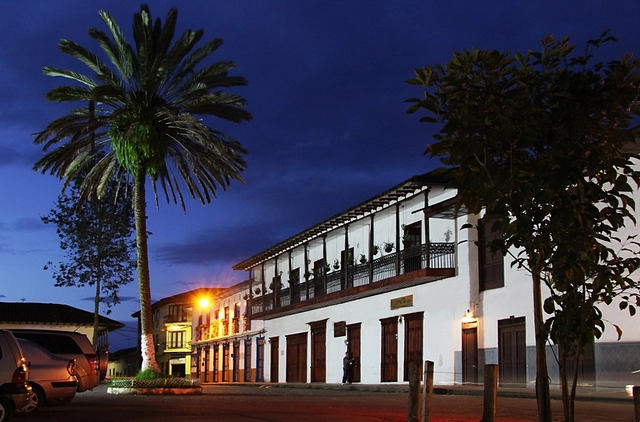
The vernacular architecture of bahareque was one of the first seismic-resistant building technologies in Colombia. By the late 19th century, this construction method was widely used across many regions of the South American country, valued for its earthquake resistance, speed of construction, and low cost. This was well before brick and sand-cement mortar arrived in cities like Medellín and Bogotá, eventually spreading to the rest of the country.
This construction method arose after its performance was analyzed as a viable system for implementation in different regions with high seismic activity. Its application leverages local, context-specific materials, making it a prominent vernacular technique in Colombia. It characterizes much of the colonial architecture still found today in historic centers and towns with rich heritage.
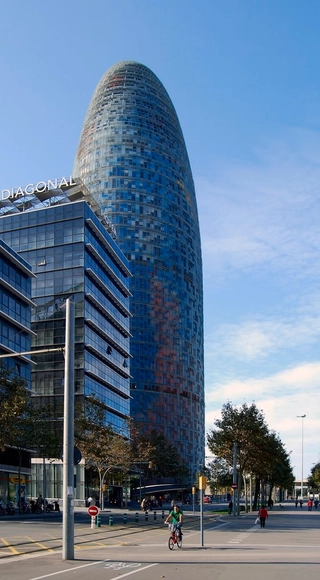
Although the Catalan political situation remains mired in uncertainty, companies seem to be regaining confidence in Barcelona as a location for their corporate headquarters, following the city's 2017 loss of the opportunity to host the European Medicines Agency (EMA) at Torre Glòries (formerly known as Torre Agbar) to Amsterdam.
Now, however, Facebook has chosen this tower—designed by architects Jean Nouvel and Fermín Vázquez (b720)—as the site for an operations center to combat and eliminate harmful content, such as fake news, on the social network.
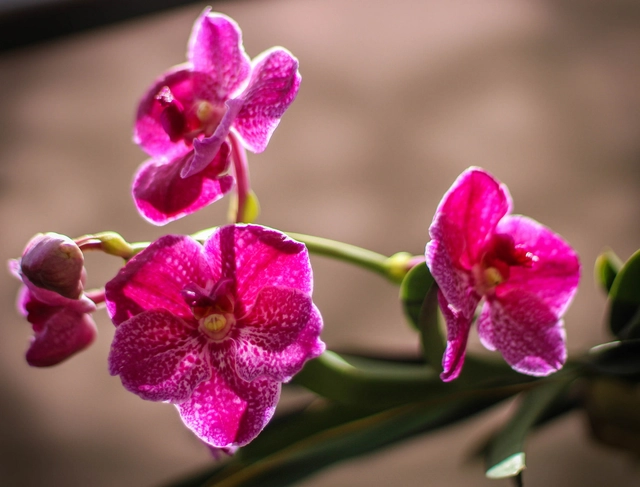
The orchid, or Cattleya trianae as it is scientifically known, is one of the most beautiful flowers. Its texture, combined with the variety of colors and species, makes this flower truly unique. It is estimated that Colombia has more than 3,500 species growing across nearly the entire country. Furthermore, the country has become the second-largest exporter of orchids in the world, behind only the Netherlands.
Colombia's first virtual herbarium of living orchid collections is a research project led by the Colombian Orchidology Society (SCO) with the support of the Humboldt Institute and the Corporation for Biological Research (CIB). The main objective is to establish and develop the virtual herbarium, backing it with a tissue bank. This initiative aims to promote and conserve the species through sustainable use as established in Colombia's orchid conservation plan.

UN-Habitat Executive Director Maimunah Mohd Sharif and Sheikh Mohammed bin Rashid Al Maktoum, Prime Minister of the United Arab Emirates and Ruler of Dubai, presented David Penchyna, Director General of Infonavit, with the Dubai International Award for Best Practices to Improve the Living Environment yesterday.
Established in 1996 to recognize global initiatives that excel in their contribution to sustainable urban development, this year's award was presented to the work led by INFONAVIT, within the framework of SEDATU's activities, carried out in collaboration with the UN-Habitat office in Mexico and with invaluable data contributions from local municipalities.
As you know, ArchDaily has joined forces with Spotify, the world's largest music streaming platform. From the start, we have been sharing our own playlists for those moments in the lives of all architects. We have also invited architects from Latin America and Spain to share the music that inspires them, or better yet, the sounds that have shaped their careers.
In this installment of ArchDaily en Español + Spotify, we share an ad hoc playlist to close out the year: Fiesta para Arquitectos. A constantly updated playlist to get the party started... while you edit your plans.
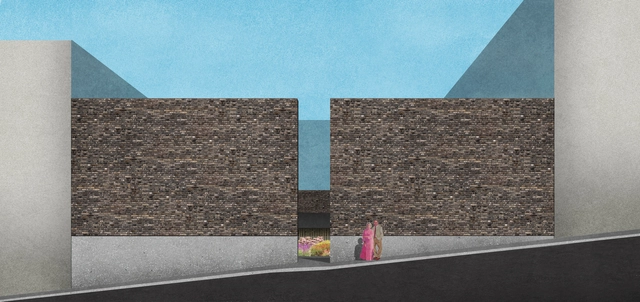
The results of the National Public Architecture Competition for the Memorial to the Victims of Kiss were announced this Tuesday morning (April 10) in a ceremony held in Santa Maria. The project unanimously awarded first place was by the firm Motta e Zene Engenharia e Arquitetura, from São Paulo (SP), represented by architect Felipe Zene Motta. The ceremony also recognized the five ranked projects and the five that received honorable mentions.
According to the jury, the proposal stands out for its appropriate urban integration and placement at the average level of the terrain, its symbolic character, and the delicacy of placing its focal point in a flower garden at the center of the exhibition. The project reinforces the emotional significance of the site of memory, while offering the city a narrative of the event that contributes to healing. Ease and simplicity of construction and maintenance are supported by the spatial organization of functions on a single level.
See the full results below:

Alongside Tiê, an adventurous capybara, Lina sets off on a journey through ten public spaces around the world – such as the High Line in New York or Paulista Avenue in São Paulo – to discover the secrets of how cities are built. The two are the main characters of the book Casacadabra – Cidades para Brincar (Cities to Play), a new release from Pistache Editorial, which launches its crowdfunding campaign on April 16 on Catarse. The book features text by Bianca Antunes and Simone Sayegh, with illustrations by Luísa Amoroso. This is the second title in the Casacadabra series – the first, titled Invenções para morar (Inventions for Living), presented the architecture of ten houses around the world.

The São Paulo City Government has resumed discussions regarding property tax (IPTU) exemptions and discounts for landmarked buildings. Previously debated during the administrations of Gilberto Kassab and Fernando Haddad, the issue is currently the focus of a newly drafted bill.
The proposal limits the IPTU exemption to landmarked properties located in downtown São Paulo, within a perimeter that is still being defined. It will not apply to properties subject to general zoning restrictions, such as those in historically preserved neighborhoods like Jardins and Pacaembu.

Registration is now open for the 1st National Public Photography Contest organized by the Council of Architecture and Urbanism of Goiás (CAU/GO), under the theme “Historic Heritage in Architecture and Urbanism.” Submissions will be accepted until 4:00 PM on September 24 at the CAU/GO headquarters.

.jpg?1525983268 "via Enfoque Informativo")
.jpg?1525983259 "via Enfoque Informativo")
.jpg?1525983252 "via Enfoque Informativo")
.jpg?1525983245 "via Enfoque Informativo")