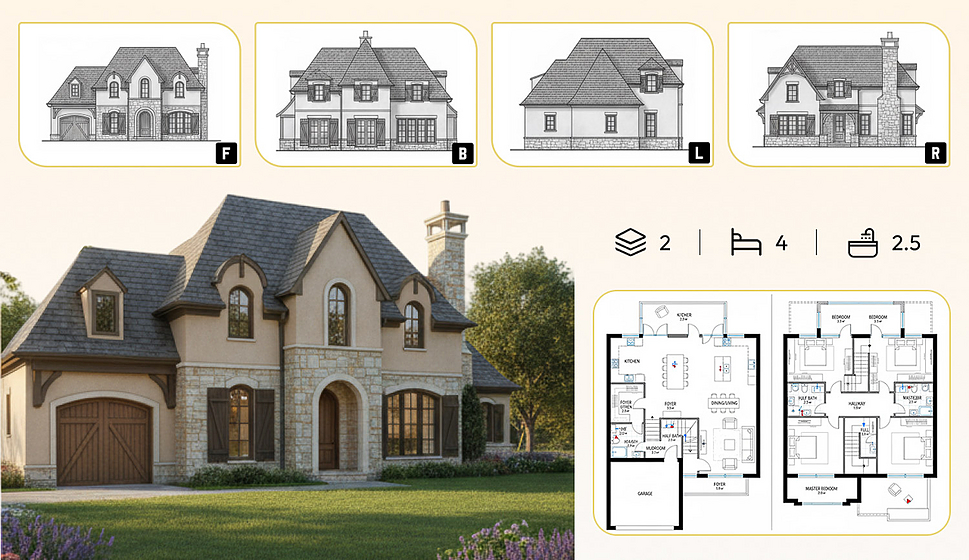
This guide covers a workflow that moves from project parameters to generated floor plans, 3D perspective views, exterior design exploration, and site context visualization, using AI tools in place of preliminary CAD and rendering work.
This guide covers a workflow that moves from project parameters to generated floor plans, 3D perspective views, exterior design exploration, and site context visualization, using AI tools in place of preliminary CAD and rendering work.
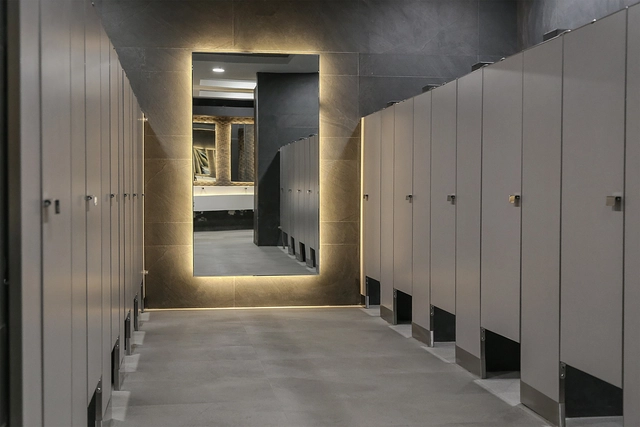
SANILOCK®, a Mexican company dedicated to the design, manufacture, sale, and installation of restroom partitions for non-residential buildings, is celebrating 35 years in the market. Since 1987, the company has provided a new and stronger architectural design for public restroom partitions.
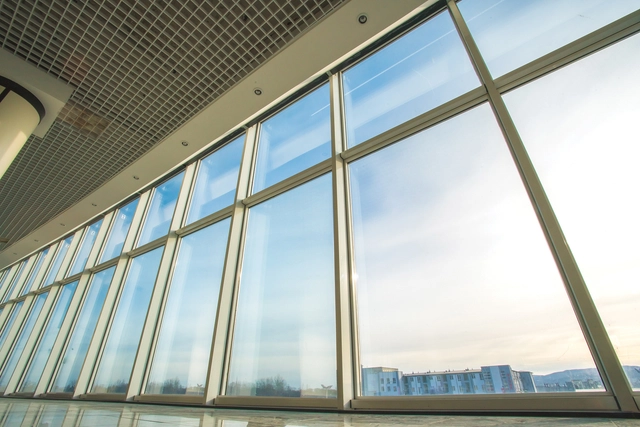
When specifying materials for projects, the thermal insulation level of windows is essential to ensure comfort inside buildings. A key challenge lies in balancing thickness with performance, as thin monolithic glass offers low thermal insulation, while highly efficient insulated glass is often too thick.
The company Vitro Architectural Glass has recently launched VacuMax™ Vacuum Insulating Glass (VIG), a high-performance glass consisting of two 4 mm tempered glass panes, including a Solarban® 60 solar control low-e coating on surface #2. By using a vacuum space for separation, high-performance thermal glazing is achieved in a thickness of just 8.3 mm.
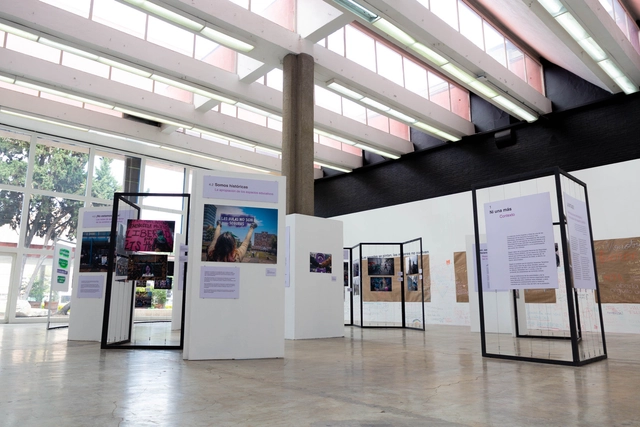
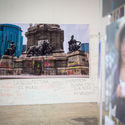
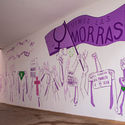
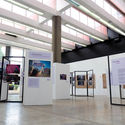
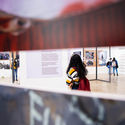
As part of the new cultural program of the María Luisa Dehesa Gómez Farías Gallery, located at the School of Architecture of the Autonomous University of Mexico, the photography exhibition "¡Juntas! Manifestaciones feministas y la apropiación del espacio público" ("Together! Feminist Demonstrations and the Appropriation of Public Space") opened on Friday, February 25. The exhibition was curated by the collectives Mujeres Organizadas de la Facultad de Arquitectura and Restauradoras con Glitter Isela Cruz Trejo.
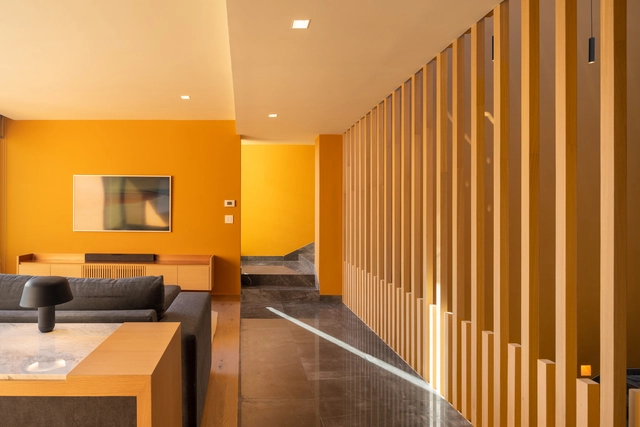
As part of an initiative by Tec de Monterrey, this year the first prize of the 212th Traditional Sorteo Tec features a work by Mexican architect Víctor Legorreta and his firm LEGORRETA®. Casa Ricardo is a tribute to the architecture of Ricardo Legorreta and is one of the 75th Anniversary Houses of Sorteos Tec, to be celebrated on May 10, 2022.
.jpg?1653495822&format=webp&width=640&height=580)
The exhibition "Intervención / Intersección," curated by Su Wu at the Rockefeller Center, reflects on the history of intellectual and creative porosity between Mexico and elsewhere. This is MASA's first exhibition in New York, featuring functional works by prominent Mexico-based designers, architects, and artists alongside canonical artworks that themselves suggest what artists have long sought in the country.

Facing the challenges of aligning development demands with sustainability policies, researchers from FGV EAESP (São Paulo School of Business Administration), alongside the international non-governmental organization ICLEI (Local Governments for Sustainability) and other partners, have created the Green and Blue Infrastructure Guide. The objective is to provide a step-by-step guide on how to make cities sustainable, focusing on improving local governance across three key factors: food, water, and energy.
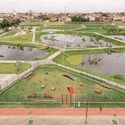

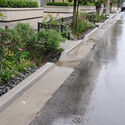


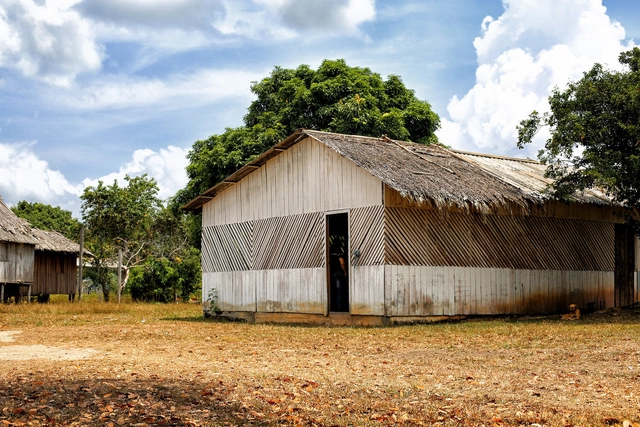
Applications are now open for the Heritage Education Projects call launched by the National Institute of Historic and Artistic Heritage (Iphan). The initiative will provide R$ 2 million to establish partnerships between Iphan, civil society organizations, and public entities at all levels of government, which can submit proposals ranging from R$ 200,000 to R$ 250,000. Applications are open until September 25.

Chile is looking to reactivate and add new cable car projects to address urban mobility in its cities. At the end of January 2023, economist and politician Carlos Montes, the current Minister of Housing and Urban Development, alongside Carlos Ponce, director of the Santiago Metropolitan Park, officially presented the new Pío Nono Cable Car project. Currently under construction, this one-kilometer, three-station line—to be named Zoológico Nacional, Chile Nativo, and Plaza México—aims to provide an alternative transport option to the summit of San Cristóbal Hill.
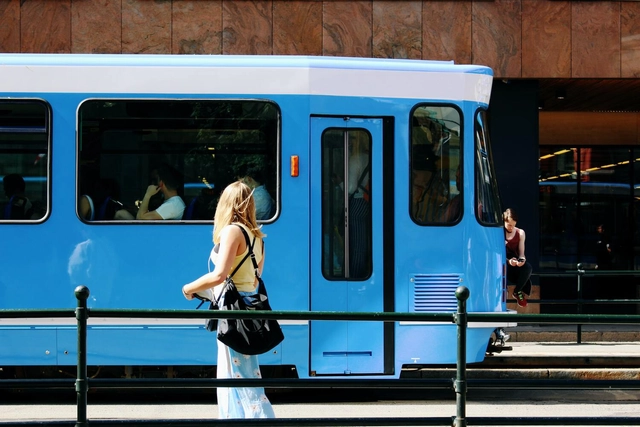
As the urgency to replace fossil fuels increases, new electric vehicle models are announced with growing frequency. From urban cars to models equipped with solar panels, the focus is on prioritizing electric mobility, with automakers shifting production lines and countries and cities passing laws to accelerate the energy transition.

The São Paulo Association of Art Critics (APCA) announced yesterday evening the winners of the 2022 APCA Awards. The accolade is divided into ten categories, covering Architecture, Visual Arts, Cinema, Dance, Literature, Popular Music, Radio, Theater, Children's and Youth Theater, and Television. After two years of virtual meetings, the jurors for each category met in person to debate the nominations.
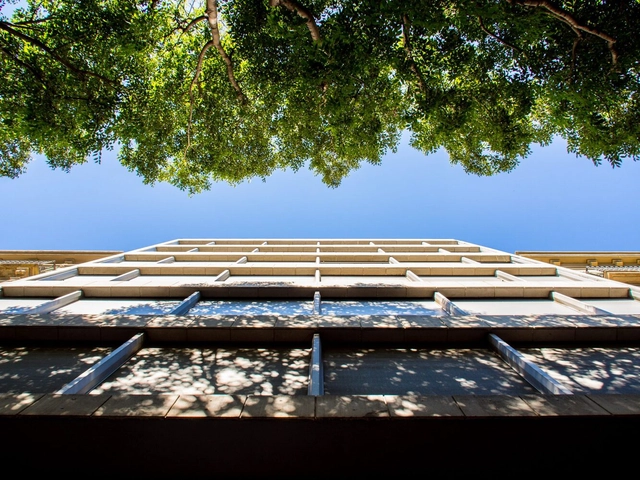
Over 4% of deaths in European cities during the summer months are due to urban heat islands, and one-third of these deaths could be prevented if tree canopy cover reached 30%. These are the main findings of a study recently published in the journal The Lancet and conducted by the Barcelona Institute for Global Health (ISGlobal).
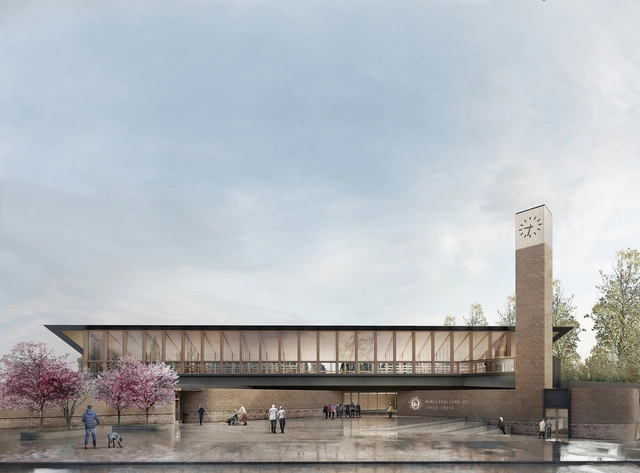
Cristóbal Tirado and Doering Pardo were awarded first place in the public competition “Architectural Design and Profile of the Chile Chico Town Hall.” Organized by the local municipality's Secretariat of Communal Planning in the Aysén Region, the competition aimed to select a distinctive and iconic architecture for this extreme region, while incorporating energy efficiency criteria, openness toward General Carrera Lake, and outdoor spaces for civic gatherings.
The selected project proposes “to articulate a dialogue between the present day and its technologies, and the historical past and foundational building traditions of Chile Chico.” With this in mind, the materials—brick, wood, and glass—were adapted to current technical and spatial requirements to create a modern civic building.
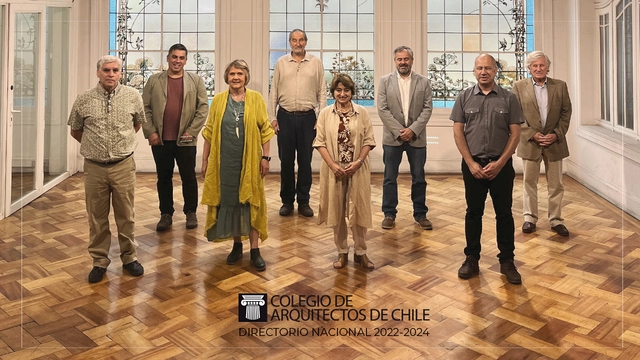
On Friday, January 20, 2023, during the Constitutive Session of the new National Board elected by our members in the 2022 CA Elections, the new Executive Board and officers of the Colegio de Arquitectos de Chile were chosen for the 2022–2024 term.
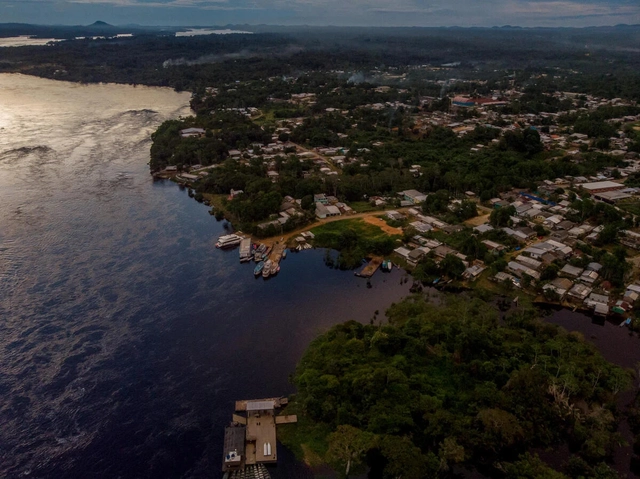
São Gabriel da Cachoeira (AM) is considered the most Indigenous city in Brazil, home to 23 peoples belonging to five language families — Eastern Tukano, Arawak, Yanomami, Japurá-Uaupés, and Tupi. There, at two small excavation sites, archaeologists have found evidence proving a dense, continuous, and ancient settlement dating back at least two thousand years.
The findings challenge the common narrative that characterizes the region by depopulation, isolation, and disconnection from the rest of the Amazon. The area is one of the best-preserved in the Amazon and has been studied since 2019 by Parinã (Intercultural Archaeological Program of the Northwest Amazon), which has just compiled its first reports on the recovered archaeological fragments.
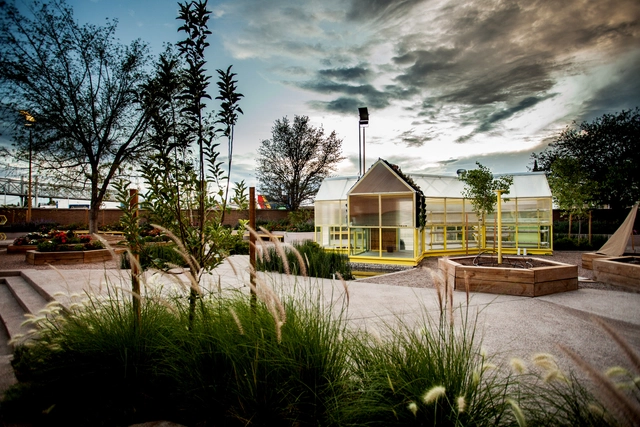
Various experts in the design, construction, and monitoring of sustainable buildings in Latin America come together on Emisor Cero, the new podcast from Proyecto CEELA produced by podcastera.mx. The show aims to highlight the concrete challenges and actions capable of mitigating the climate crisis affecting us all, while simultaneously exposing and debunking various myths about green architecture.
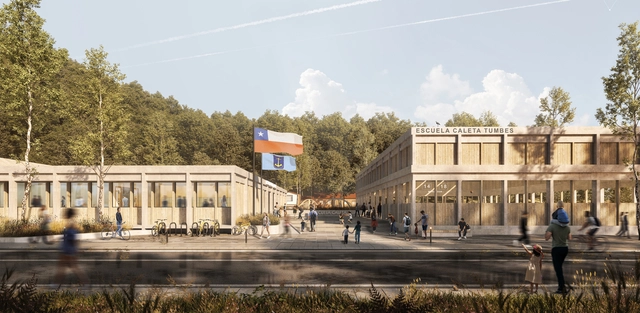
The community of Caleta Tumbes in the commune of Talcahuano, a few kilometers from Concepción, suffered severe damage from the 2010 Chile earthquake and tsunami. Nearly a decade later, the local municipality launched a public tender for the opportunity to rebuild one of the most affected structures, the F-495 School.
The winning project was designed by the firm 6280 Arquitectos, led by Pablo Arellano and Patricio Lopetegui. Below, the team describes the proposal in their own words.
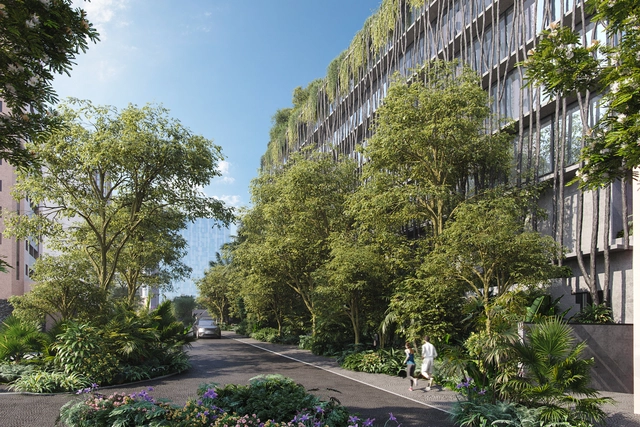
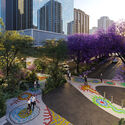
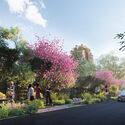
To mark its 470th anniversary in 2024, São Paulo will receive a green area of approximately 10,000 square meters featuring over 400 trees and urban furniture designed by the award-winning Estudio Campana, founded by brothers Humberto and Fernando Campana. The gathering space will be built in the Paulista Avenue area, along a stretch of Alameda Rio Claro, Alameda das Flores, and Rua São Carlos do Pinhal. Construction is scheduled to begin in the first half of 2023.


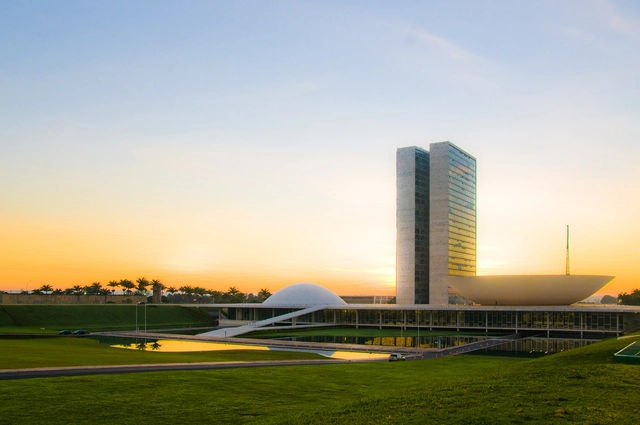
The National Institute of Historic and Artistic Heritage (Iphan), along with representatives from the institutions involved and affected by the January 8 attacks, began coordinating efforts last week to restore Brazilian Cultural Heritage in Brasília (DF).
During the meeting, representatives from the technical departments of infrastructure, restoration, and architecture outlined the damage, ongoing actions, and immediate needs—specifically regarding funding and specialized restorers—as well as proposals for joint initiatives. Discussions also covered potential funding sources for emergency actions and medium- to long-term restoration projects, including private donations and resources from UNESCO.
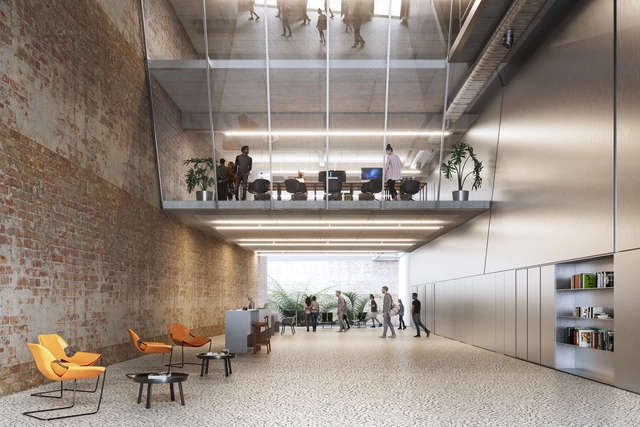
The Council for Architecture and Urbanism of São Paulo (CAU/SP) announced the three selected proposals in the first stage of the national competition to renovate the CAU/SP headquarters building, alongside honorable mentions and highlights. The competition registered 49 entries from firms across different regions of Brazil, receiving a total of 29 proposals.

On April 26, 27, and 28 of this year, the "FESTA Visiones" architecture festival took place in Los Mochis, Sinaloa, marking the return of in-person activities and the revitalization of events. To this end, the Architecture Committee of the Tecnológico Nacional de México Campus Los Mochis and the Colegio de Arquitectos del Norte de Sinaloa joined forces to resume the region's most important educational event, once again inviting students to learn from national leaders in the profession.
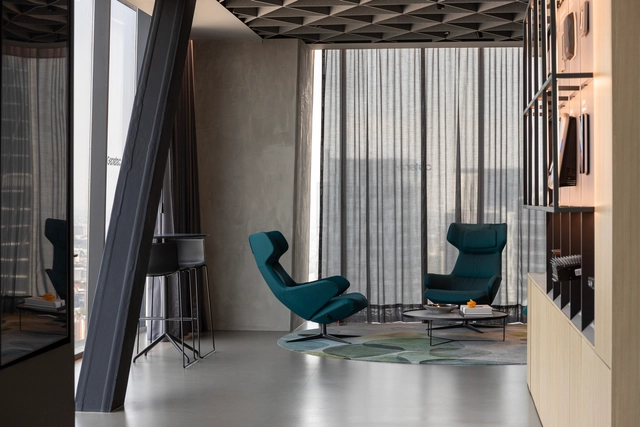
The 19th annual Design Awards, organized by Shaw Contract, is one of the premier interior architecture awards programs. With nearly 700 submissions from 36 countries, the accolade highlights trends in scale, functionality, and sustainability. Of the 43 Best of Region winners, two Brazilian and three Mexican projects have advanced to the final stage of the Best of Globe evaluation, with the winners to be announced in September. Addressing themes such as Material Health, Circular Economy, and Diversity and Inclusion, the awards evaluated Latin American projects through a jury representing five countries.
Discover more about the winners below.

RSAA/Büro Ziyu Zhuang has recently unveiled the design for the "Chengdu Linpan Resort" in Chongzhou, a county-level city under the administration of Chengdu. Boasting a rich history and deep cultural heritage, the region has inspired the works of renowned literary figures like Lu You, Du Fu, and Wang Bo, while preserving the ancient style, charm, and heritage of western Sichuan. RSAA/Büro Ziyu Zhuang's design integrates the historical residential spatial form of western Sichuan with local climatic conditions, cultural characteristics, and regional living habits. The project aims to overlay and reorganize the traditional Linpan prototype with the shifting perspective of Chinese scroll painting. This spatial synthesis creates richer spatial variations and narrative possibilities for both the interior and exterior experiences. The project is currently under construction.
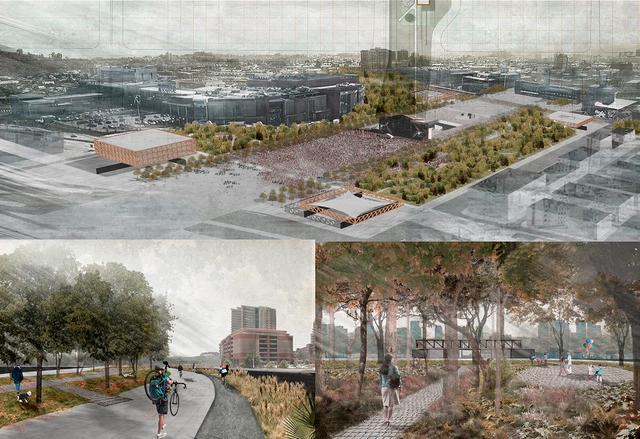
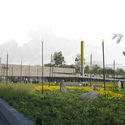
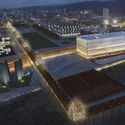
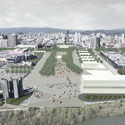
A proposal described as "a new esplanade guarded at its four corners by four new clearings: two public buildings and two programmed public spaces" is the winning design for the future Biobío Civic Esplanade in Concepción, Chile.
The project is the result of a competition launched last February by FESUR —the southern subsidiary of the State Railway Company in Chile— for the land that will be freed up once Concepción's railway line is placed underground. "Removing the railway barrier allows us to envision a system of significant, hierarchical public spaces capable of articulating the city's new relationship with the river," the organizers explained in the competition brief.
The future Biobío Civic Esplanade will integrate the current Plaza España, the Regional Government building, Plaza Bicentenario, Parque Bicentenario, and Parque Ribera Norte, as well as the Memorial to the Detained and Disappeared, the Biobío Regional Theater, the 27F Memorial, and Chile's second Museum of Memory, whose construction was recently postponed.

Fernando Guerra, one of the most prolific photographers in the field of architecture, is set to be the subject of a documentary directed by Sara Nunes and produced by Portugal's Building Pictures. The Flying Photographer, the film's working title, is drawn from a dedication by Álvaro Siza, an architect whose works and life Guerra has been extensively documenting.