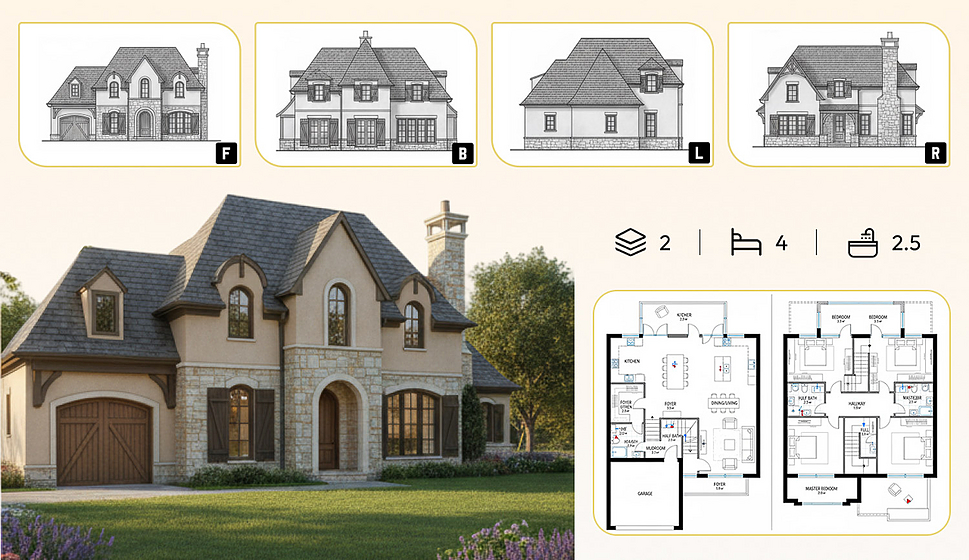
This guide covers a workflow that moves from project parameters to generated floor plans, 3D perspective views, exterior design exploration, and site context visualization, using AI tools in place of preliminary CAD and rendering work.
This guide covers a workflow that moves from project parameters to generated floor plans, 3D perspective views, exterior design exploration, and site context visualization, using AI tools in place of preliminary CAD and rendering work.

Located 60 km from Belo Horizonte, Caeté is the latest Brazilian city to adopt free public transportation. The initiative took effect on July 1 and will undergo a six-month trial period, with the potential for permanent implementation. Approved by the City Council, the bill allows residents to use the municipality's six bus lines free of charge. Previously, the fare was R$4.
The program is funded through a monthly subsidy of R$90,000 paid to Transcol Caeté, the transit concessionaire operating in the city, which had previously considered suspending services due to financial difficulties.
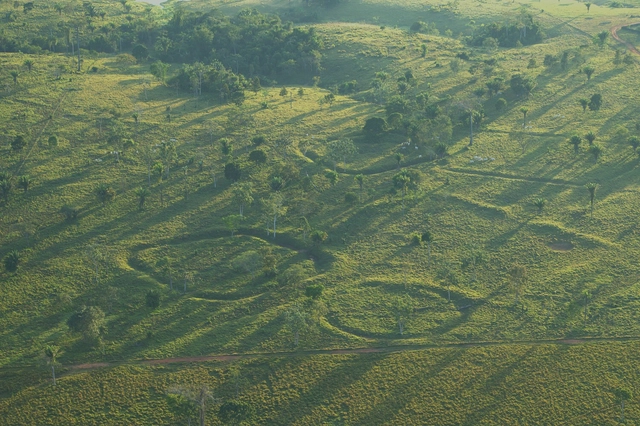
Brazil's participation in the 19th International Architecture Exhibition – La Biennale di Venezia will be marked by the exhibition (RE)INVENÇÃO, curated by architects Luciana Saboia, Matheus Seco, and Eder Alencar of the collective Plano Coletivo. The initiative, organized by the Fundação Bienal de São Paulo in partnership with the Ministries of Culture and Foreign Affairs, invites a reflection on the connections between nature and the city, exploring ancestral infrastructures and their potential reinterpretation in contemporary Brazil.
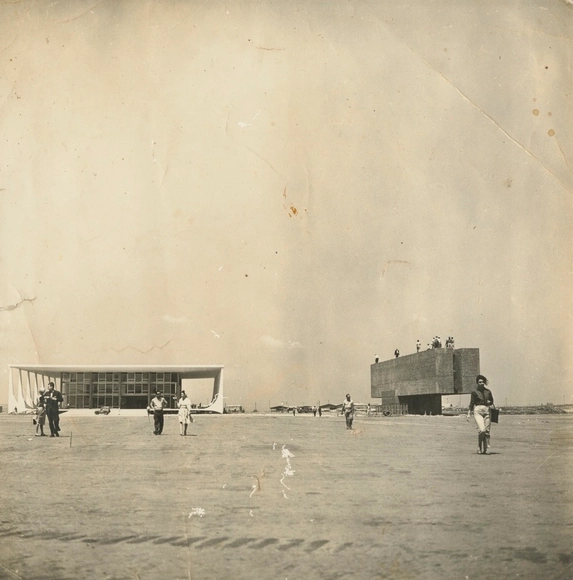
The Federal District of Brasília and Casa da Arquitectura in Portugal have signed an agreement to share the digital archive of Lucio Costa, the urban planner behind Brasília's Pilot Plan. The signing ceremony took place on February 18, 2025, at the Buriti Palace, in the presence of the governor of the Federal District, Ibaneis Rocha, the executive director of Casa da Arquitectura, Nuno Sampaio, and the Portuguese Minister of Culture, Dalila Rodrigues.

Today, Paulo Mendes da Rocha would have received the highest honor from the International Union of Architects at the World Congress of Architects (UIA 2021 RIO). To mark the occasion, the IAB São Paulo sent a letter to the city's mayor and councilors proposing a tribute to the architect.
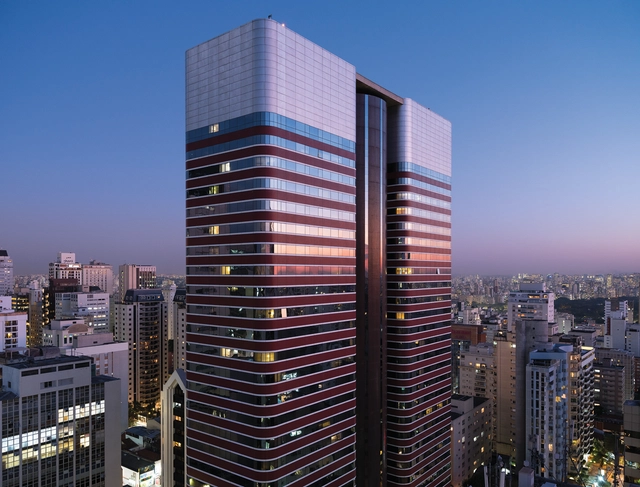
The Romano Guerra Editora and the Instituto Tomie Ohtake are launching a new book on the work of Ruy Ohtake, exploring aspects of the architect's career that have received little attention in previous publications. According to editors Abilio Guerra and Silvana Romano Santos, “the nine previous monograph publications lacked consistent technical drawings. Unrestricted access to the architect's archives, however, made it possible to analyze and present the complexity of the designs.”
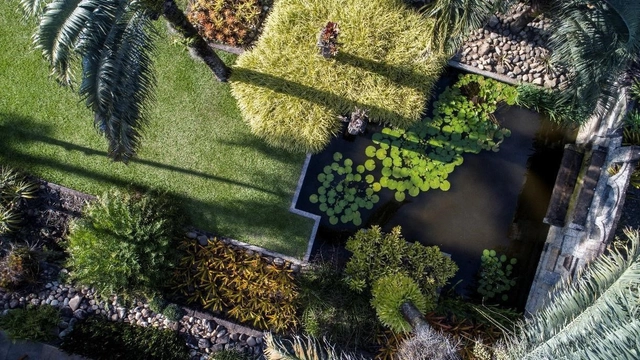
Brazil has just gained another World Heritage site. The legacy of one of the 20th century's greatest landscape architects, the Roberto Burle Marx Site (SRBM) was recognized on Monday, July 26, during the 44th Session of the World Heritage Committee of the United Nations Educational, Scientific and Cultural Organization (UNESCO).
The Site was recognized under the Cultural Landscape category, which includes properties that represent the interaction between the natural environment and human activities, resulting in a modified natural landscape. Brazil now has 23 properties inscribed on the UNESCO World Heritage List, a registry of sites considered to possess outstanding universal value for human culture.
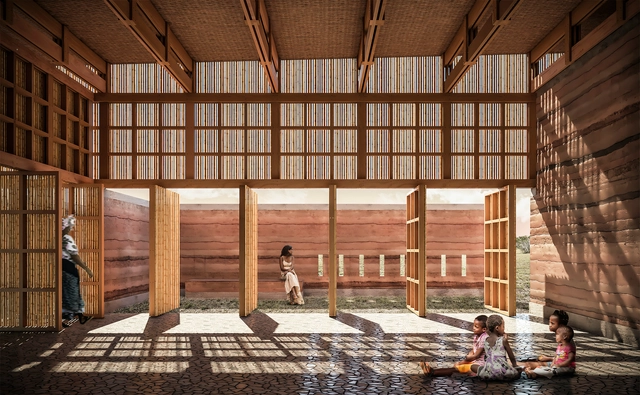
The Women’s House in Africa design competition aimed to promote the involvement and empowerment of the female community in Senegal. The competition was organized by Kaira Looro International, a non-profit organization that hosts contests open to students and young architects to foster humanitarian projects in developing countries and spotlight emerging architectural talent.
The competition, which challenged participants to design a “women’s house” featuring symbolic, ecological architecture inspired by local traditions, selected a Brazilian team among its finalists, composed of students Marcela Luana Sutti and Adenir Filho. Read more about the featured proposal and its project description below.
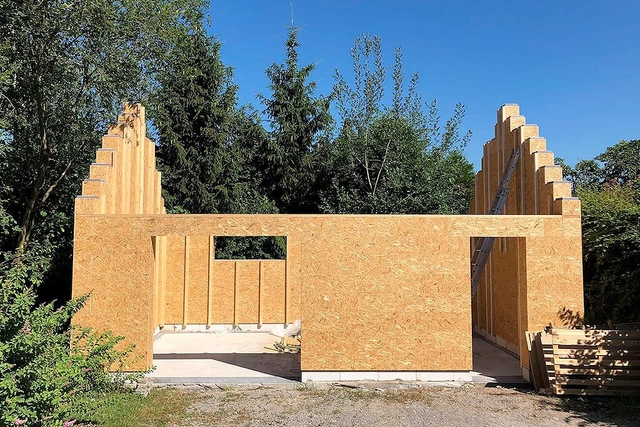
Anyone who has played with wooden blocks or the famous LEGO toy knows the satisfaction of imagining something and building it with their own hands. In Belgium, this concept has taken on a whole new scale. Construction specialist Gabriel Lakatos has always loved playing with blocks and turned this passion into a building system for wooden houses. His company, Gablok, sells home construction kits designed to make building simple and efficient.

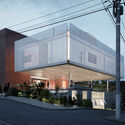
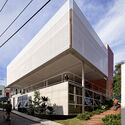
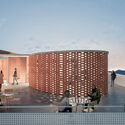
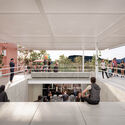
The Museu dos Emboabas Competition, an initiative of the municipality of Caeté, Minas Gerais, seeking architectural proposals to honor the memory of the War of the Emboabas, has selected the firm ARQLIQ arquitetura and architect Laila Bentes, with collaboration from Márcio Motta and Giulia Sgarbi, as the winners. The winning proposal was chosen for its careful attention to both the building's interior, with its spacious and versatile areas, and its surrounding environment.
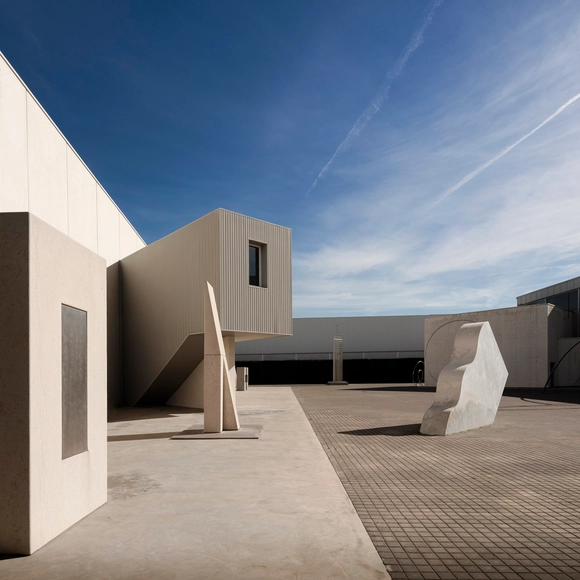
The MArch Valencia Postgraduate School offers a unique educational proposal, featuring three postgraduate programs and two master's degrees designed to effectively connect academic knowledge with professional experience. Its teaching methodology is based on a practical approach and collaboration with renowned professionals and architecture and design studios, providing students with the necessary tools to excel in a highly competitive job market.

Architect Wandenkolk Tinoco passed away today, August 4, 2021, at the age of 85. Born in Recife in 1935, Tinoco graduated in architecture from the School of Fine Arts of Pernambuco in 1958, and in 1960 began teaching at the same institution, which later became the Federal University of Pernambuco.
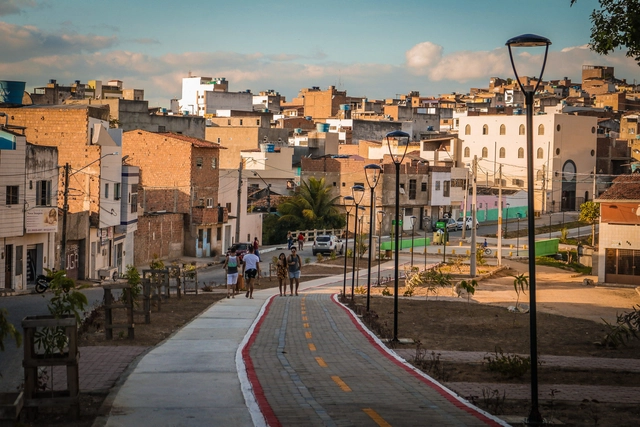
Planning and implementing projects to prioritize active travel has been a requirement in Brazilian cities since 2012, under the National Urban Mobility Policy. Walking is the most significant mode of transport in urban life, accounting for 39% of daily trips in Brazilian cities. Furthermore, walkable cities are more sustainable, resilient, healthy, social, and democratic.
To this end, the Walkable City Award, organized by SampaPé! with support from ITDP Brasil and Walk 21, sought to discover and recognize public sector projects and initiatives implemented in recent years to prioritize walking. Its inaugural edition received 28 eligible projects from 16 different cities across 10 states and the Federal District, representing every region of the country except the North. All submissions are featured on a map of public walkability initiatives available on the Award website to inspire future projects.
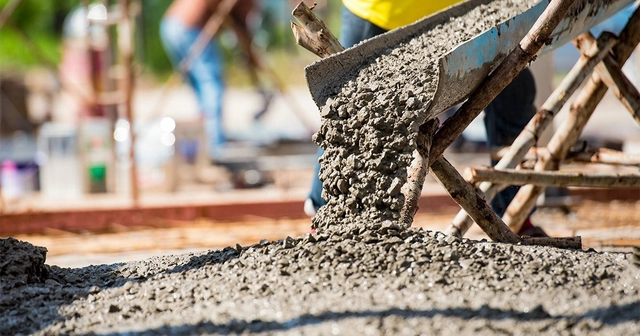
Renewable energy storage, particularly for wind and solar, remains a challenge. However, researchers at Chalmers University of Technology in Sweden are taking a major step toward creating an eco-friendly cement-based battery. Still in the prototype stage, the project focuses on the construction industry.
In search of sustainable and scalable materials, researchers Emma Zhang and Luping Tang, from the Department of Architecture and Civil Engineering, developed a new concept for rechargeable batteries. The process begins with a cement-based mixture containing small amounts of short carbon fibers to increase conductivity and flexural toughness. A metal-coated carbon fiber mesh—iron for the anode and nickel for the cathode—is then embedded into the mixture. This is the first concept of its kind in the world.

The Brazilian Center for Steel Construction (CBCA) has announced the winners of the 14th CBCA Competition for Architecture Students. The nationwide competition was open to students from architecture schools and colleges across the country, focusing on the theme "Health and Well-being."

The 4th Tomie Ohtake Institute Leroy Merlin Design Award, dedicated to university students and recent graduates, announces the 10 selected projects. The jury, composed of Cláudia Zacar (Curitiba - PR), Diego Mauro (Salvador - BA), Érico Gondim (Fortaleza - CE), Iran Pontes (Recife - PE), and Sâmia Batista (Belém - PA), evaluated 233 proposals submitted by 412 authors from 19 states and the Federal District.

We invite you to participate in the ArchDaily Brasil 2025 Building of the Year Award. Now in its ninth edition, we task our readers with the responsibility of recognizing and rewarding the projects that have made the greatest impact on the profession. By voting, you become part of an impartial network of jurors recognizing the most relevant projects built in Portuguese-speaking countries over the past year. Only a few days remain in the voting stage, which will select the three winners of the ArchDaily Brasil 2025 Building of the Year Award from the 15 finalists.
Registered users can vote for their favorite project once a day. The voting stage closes on April 9 at 11:59 PM (GMT-3).
We invite you to participate in the ArchDaily en Español Building of the Year Award. In its sixteenth edition, we give our readers the responsibility of recognizing and rewarding the projects that have had the greatest impact on the discipline. By voting, you become part of an unbiased jury network recognizing the most relevant works built in Latin America and Spain over the past year. There are only a few days left before voting closes, where the 3 winners of the ArchDaily en Español 2025 Building of the Year Award will be selected from among the 15 finalists.
Registered users can vote for their favorite project once a day. The nomination stage ends on April 9 at 11:59 PM (GMT-3).
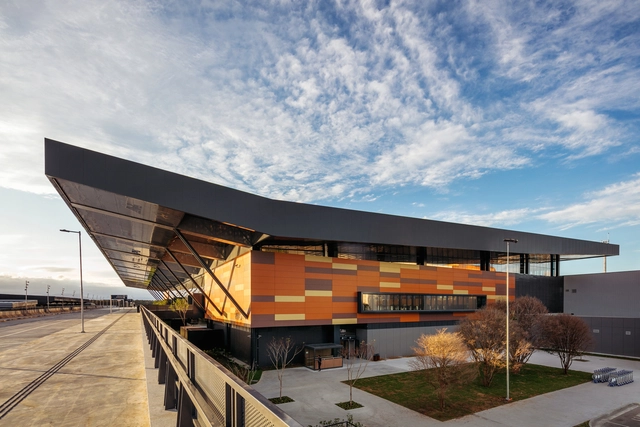
The Saint-Gobain Group and the Brazilian Association of Architecture Offices (AsBEA) have announced the winners of the 8th edition of the Saint-Gobain AsBEA Architecture Award. The accolade celebrates projects that offer comfort and innovative solutions while simultaneously preserving the environment and promoting sustainability within the Brazilian construction industry.
Divided into two categories, professional and academic, the award recognized more than twenty projects across subcategories that included commercial, residential, and institutional architecture, thermal comfort, sustainability, and innovation, among others. See the winners below.
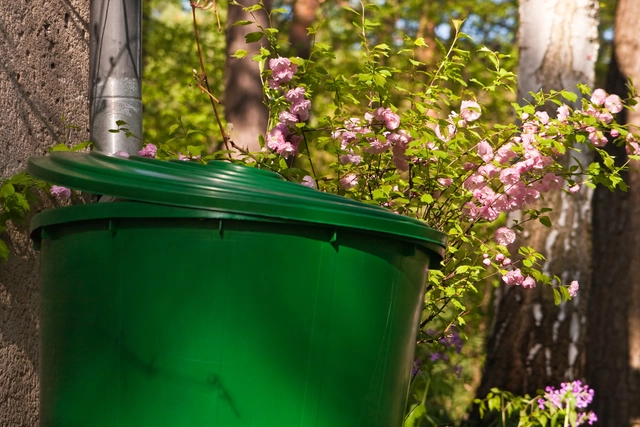
During an extraordinary session on August 17, lawmakers of the Legislative Assembly of the State of São Paulo (Alesp) approved Bill 356/2015, which mandates the inclusion of rainwater harvesting systems in architectural projects across the state of São Paulo.
Proposed by Representative Marcos Damasio (PL), Bill 356 mandates rainwater harvesting systems to promote sustainability and environmental preservation. The system would be installed during renovations of existing buildings and would be mandatory for new constructions, ensuring that new projects incorporate rainwater harvesting from the design phase.
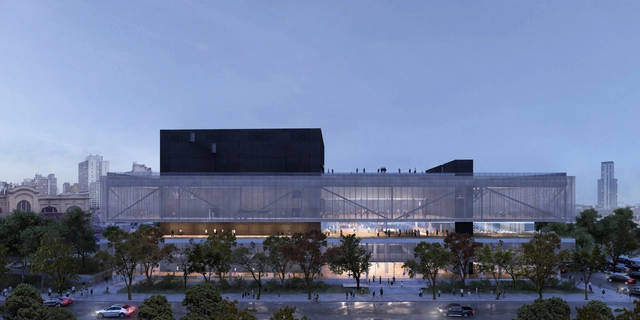
In its 8th edition, the Saint-Gobain AsBEA Architecture Award announced the winners of its 2021 cycle, and the Sesc Parque Dom Pedro II project, developed by UNA Arquitetos under the coordination of Fernanda Barbara and Fabio Valentim—currently partners at UNA Barbara e Valentim—won in three categories. It secured first place in the Professional Category – Institutional Project, the Sustainability Highlight award, and the "Roberto Claudio dos Santos Aflalo" Highlight of the Year award.

Last week, we announced the 15 finalists for the 2025 ArchDaily Brasil Building of the Year Award, which celebrates the best of Lusophone architecture by inviting our readers to vote for their favorite projects built in Portuguese-speaking countries. Now, the time has come to reveal the three grand winners!
This year, first place went to the Seedling Nursery - Ocupação Fazendinha, a simple and sensitive small-scale project developed by the Projects Department of the School of Architecture at the Federal University of Minas Gerais. Second place was awarded to Casa da Carnaúba Várzea Queimada in the state of Piauí, designed by the firm Rosenbaum, while third place went to the Requalification of the Municipal Square of Ribeira de Pena in Portugal, designed by the studio AXR - Arquitetura e Design.

Life is not easy for pedestrians in the periphery of São Paulo – especially in neighborhoods like Brasilândia, Guaianases, Cidade Tiradentes, and Sapopemba, where the percentage of narrow sidewalks (less than two meters wide) is higher than the city average. Meanwhile, areas such as Mooca, Lapa, Pinheiros, Vila Mariana, and Sé stand out positively. In these neighborhoods, the percentage of sidewalks wider than three meters is above the city average. Experts consider two meters to be the minimum width to ensure safe pedestrian mobility.
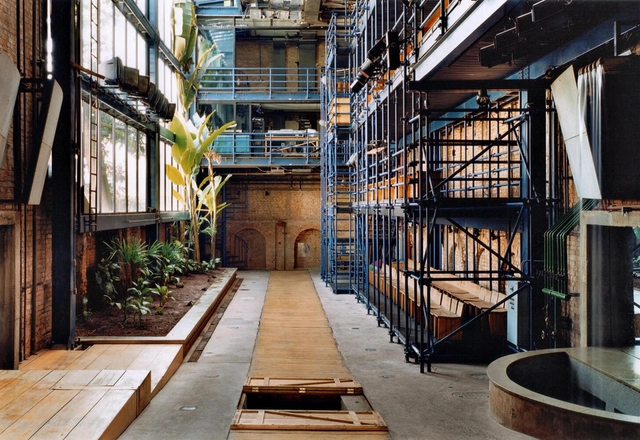
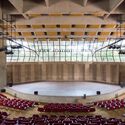
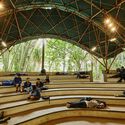
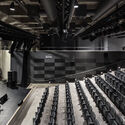
This Sunday, September 19, marks National Theater Day in Brazil. As an artistic and cultural medium, theater manifests in diverse spaces, from the stage to the streets. From actors and playwrights to costumes and set design, numerous roles and elements come together to move and captivate the audience. Architecture also plays a vital role, shaping lighting, acoustics, and the relationship between the stage and the audience. Ultimately, in theater, the story is materialized through space. To mark this national celebration, we have selected ten Brazilian theater projects previously featured on ArchDaily Brasil.

Conceived from the collection of the MAXXI museum in Rome, the traveling exhibition of At Home, at Garagem Sul, Centro Cultural de Belém in Lisbon, is complemented by Portuguese examples, expanding the interpretations and meanings of the presented materials. The exhibition ranges from the small scale of the shelter to the large scale of collective housing, revealing hybrid and complex experiences that bear witness to new ways of relating the individual and the community.