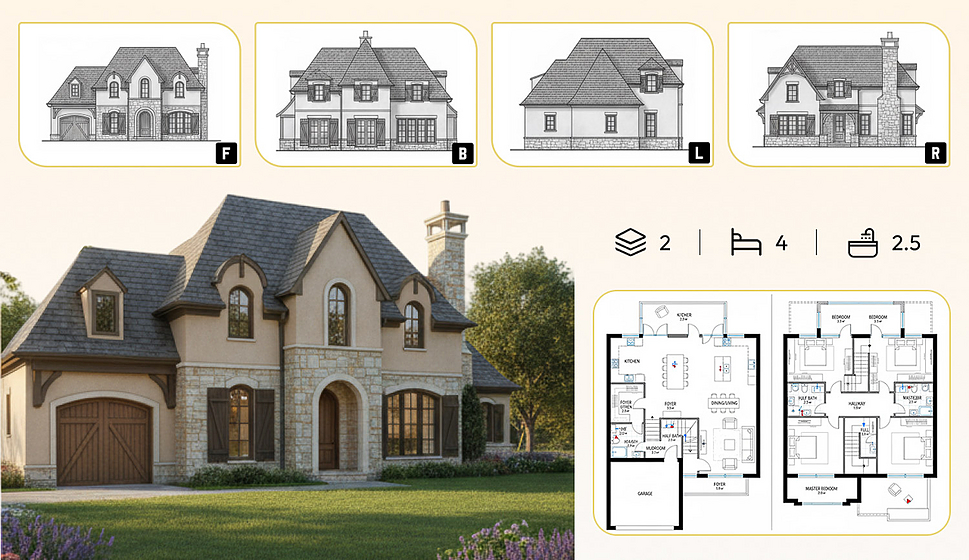
This guide covers a workflow that moves from project parameters to generated floor plans, 3D perspective views, exterior design exploration, and site context visualization, using AI tools in place of preliminary CAD and rendering work.
This guide covers a workflow that moves from project parameters to generated floor plans, 3D perspective views, exterior design exploration, and site context visualization, using AI tools in place of preliminary CAD and rendering work.
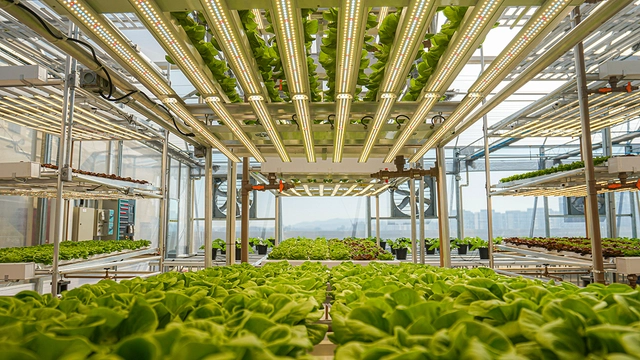
In partnership with BeGreen, Latin America's first urban farm, iFood has opened an urban farm on the rooftop of its headquarters in Osasco, Greater São Paulo. The 950-square-meter facility is dedicated to cultivating 1.7 metric tons per month of fresh, pesticide-free greens, fruits, and vegetables.
Located on the building's seventh floor, the urban farm aims to direct its entire production to the 3,000 families registered with the Osasco Food Bank. The first official harvest will take place in August and will be entirely donated to the municipal project.
The 8th {CURA} Award has announced the winners of its competition, which was themed around collective housing for the 21st century. The competition invited participants to reflect on new ways of living in the city, focusing primarily on issues of urban mobility, density, and bioclimatic efficiency.
Each project was evaluated individually, based on criteria such as consistency with the proposed theme; conceptual and architectural quality; creativity and critical vision in the proposed solution; suitability to the urban and territorial context; quality of graphic representation and clarity in communicating the proposal; social and environmental impact; and compliance with the competition brief. Team identities were only revealed after the jury's final decision.
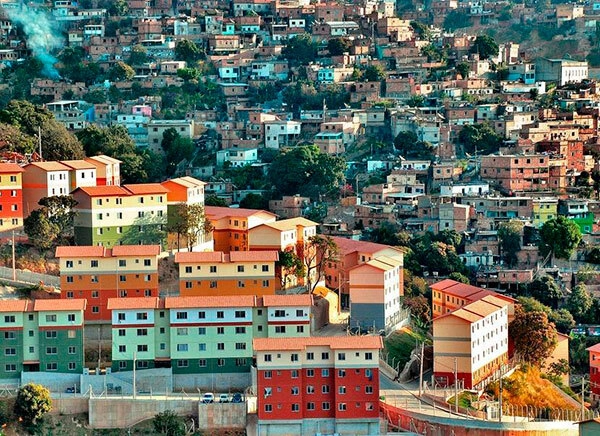
CAU Brazil has launched two public calls for institutional support aimed at selecting civil society organizations (CSOs) interested in carrying out two major initiatives to promote architecture and urbanism. Over R$ 1 million will be allocated to cultural projects and technical assistance for social interest housing (ATHIS).
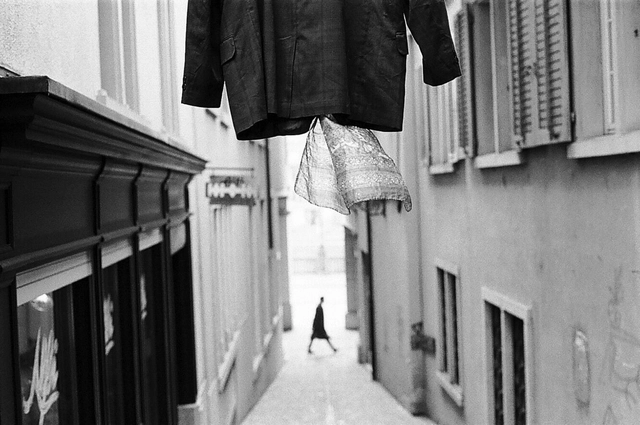
Romano Guerra Editora has launched a presale campaign to support the publication of the book Arquitetura e escrita: relatos do ofício, a collection compiling 24 interviews with prominent Brazilian and international historians and critics spanning different generations and intellectual backgrounds. The book is edited by José Lira, Felipe Contier, João Sodré, Jonas Delecave, Paula Dedecca, Samira Chahin, and Victor Próspero.
Conducted by the editors or guest contributors, the interviews shed light on their formative paths, affiliations, and major works, as well as their methodological and interpretive approaches, and their dialogues with other authors and disciplines.
Maps are fundamental tools for understanding the built environment. Rather than just representing locations, they allow us to visualize spatial relationships, recognize urban patterns, overlay layers of information, and produce new ways of reading a territory. In architecture, they can help reveal how projects are distributed across cities, identifying which areas concentrate investments or remain on the margins. Furthermore, maps are never neutral: all cartographic representation involves choices—such as data selection, spatial boundaries, and projections used—that can carry political intentions, reinforcing or questioning power structures and worldviews.
In partnership with the platform PLACE, developed by the firm OSPA, ArchDaily Brasil presents an interactive map featuring most of the projects published on the site in recent years. Each point provides information such as images, location, and technical data about the works. The initiative uses exclusively public data available on the platform and includes projects in almost every Brazilian state.
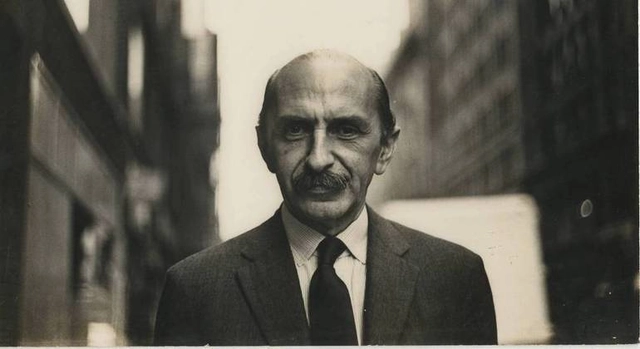
Following the controversy surrounding the news that Lucio Costa's estate was donated to Casa da Arquitectura, a Portuguese institution dedicated to safeguarding the archives of national and international architects, the Public Archive of the Federal District, the Secretariat of Culture and Creative Economy (Secec), and the National Institute of Historic and Artistic Heritage (Iphan) are now working to establish a cooperation agreement with the Portugal-based institution.

The Tomie Ohtake Institute and AkzoNobel present the 13 projects selected for the eighth edition of the Tomie Ohtake Institute AkzoNobel Architecture Prize. The selection was made by a jury comprising architects Ariadne Moraes, Carlos Alberto Maciel, Cintia Lins, Diego Mauro, and Tainá de Paula.
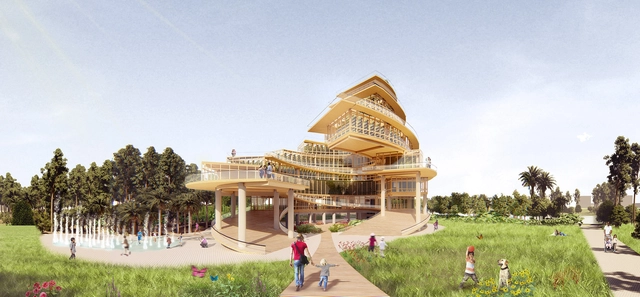
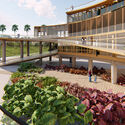
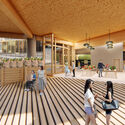
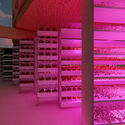
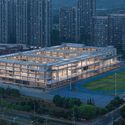
Cora Coletivo, a transdisciplinary Brazilian group, developed a project in the city of Dongguan, China, for the Urban Greenhouse Challenge II (UGC2) competition. The proposal for an iconic timber-structured vertical farm houses culture, leisure, and the entire food production and distribution chain. In addition, the site features landscape design in its open spaces and an Agroforestry System (SAF) for food production.
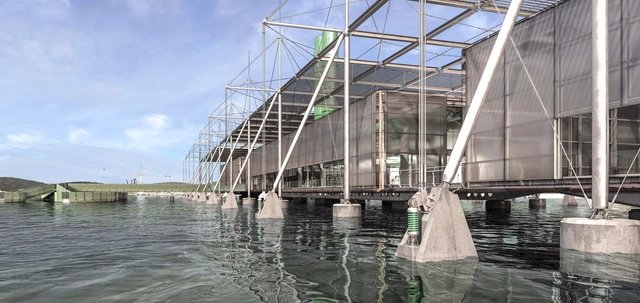
Architecture students from Mackenzie Presbyterian University in São Paulo have won the 14th ALACERO Steel Design Competition for Architecture Students 2021, surpassing competitors from countries such as Argentina, Chile, Mexico, Ecuador, and the Dominican Republic. The competition aimed to promote architectural concepts that utilize steel as their primary material.
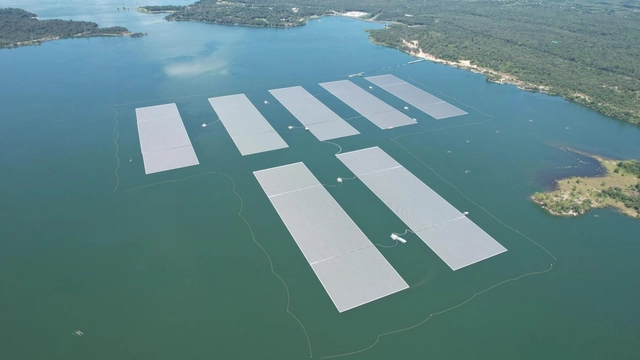
A large floating solar farm has begun operations in Thailand. Solar cells installed on the water's surface harness sunlight during the day, while three turbines convert hydropower at night.
The system combines two types of renewable electricity generation at the Sirindhorn Reservoir in Ubon Ratchathani province, located about 660 kilometers from the capital, Bangkok. A total of 145,000 solar panels have been installed. The 45 MW of peak power produced by the project complements existing dam operations, which can generate an additional 36 MW and supply electricity to three provinces in eastern Thailand.
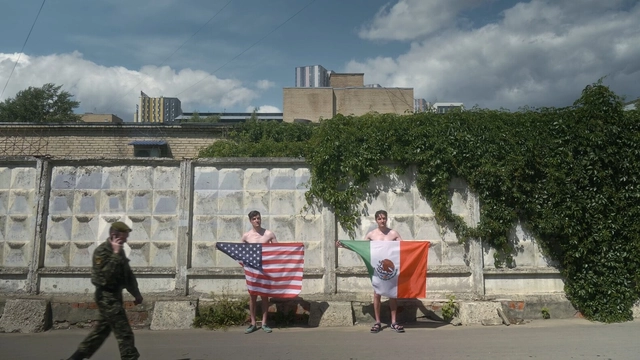
At a time of profound social, spatial, and cultural change, the 12th edition of the Arquiteturas Film Festival invites reflection on how physical and symbolic borders shape the built environment, influencing daily life and collective dynamics. What role do architecture and urban thinking play in understanding this changing world?
Since the cultural center INSTITUTO took over its organization in 2021, the festival has established itself as a critical platform connecting cinema, architecture, and spatial practices to discuss urgent issues. In recent years, it has addressed migration, ecological crises, decolonization, and new ways of living. In 2025, the focus turns to the 'border' in its multiple dimensions.

A vast majority of construction in Brazil occurs without the involvement of architectural professionals. Yet, thousands of architects graduate across the country every year. At the same time, Brazil has a rich building culture, expressed through people building their own homes and the traditional knowledge of communities shaping daily life.
Doesn't it seem obvious that those who build should stand alongside those who design to shape reality together? This is the proposal behind Canteiro Móvel.
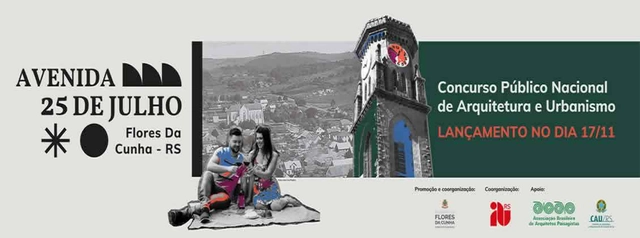
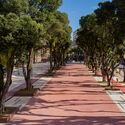
The Municipality of Flores da Cunha (RS), in partnership with the Institute of Architects of Brazil – Rio Grande do Sul Department (IAB RS) and supported by the Council for Architecture and Urbanism of RS (CAU/RS) and the Brazilian Association of Landscape Architects (ABAP), has launched the National Public Competition for Architecture and Urban Design to revitalize Avenida 25 de Julho – one of the city's most important thoroughfares. The competition guidelines are available on the website and the Instagram profiles of IAB RS and the municipal government.
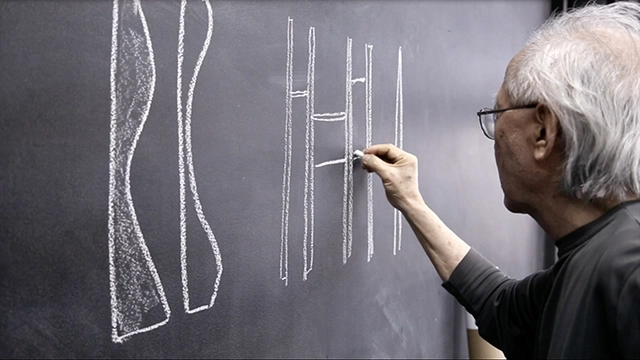
On Saturday morning (27), Ruy Ohtake, son of the Japanese-Brazilian artist Tomie Ohtake, passed away. The São Paulo architect, responsible for several architectural landmarks in the city of São Paulo, had bone marrow cancer, but the official cause of death has not yet been released.
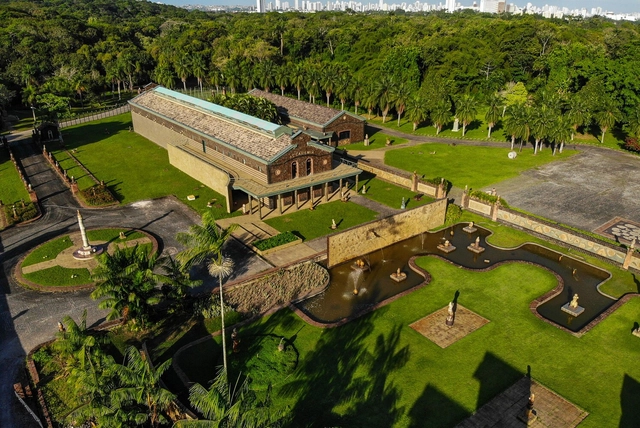
Oficina Brennand, one of Recife's landmarks, was established in 1971 on the ruins of a ceramic factory as a project by artist Francisco Brennand. The monumental 15-square-kilometer complex "became an inspiring source and repository of the Pernambuco artist's history" and is now entering a new institutional phase. It will feature a new master plan proposing interventions in the institute's deactivated spaces, designed by the São Paulo-based firm METRO Arquitetos Associados.
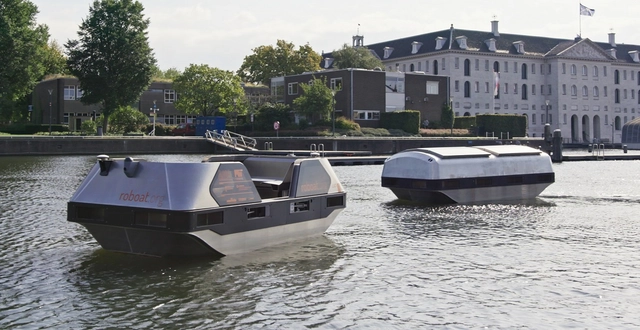
With a canal network spanning over 100 kilometers, Amsterdam has just unveiled a fully electric, autonomous boat. Designed to operate as a water taxi, the vessel can transport up to five people at a time.
Named Roboat, the vehicle can operate uninterrupted for 10 hours without a pilot on board. Charging is done wirelessly, via proximity and without human intervention. Other integrated technologies include sensors and 360-degree cameras powered by artificial intelligence.

A type of garden roof tile has been developed by a Dutch company. This “two-in-one” product promises to transform any conventional roof into a green oasis, bringing several benefits to residents.
Unlike traditional green roofs, where plants must be installed on top of the structure, these tiles come with the vegetation already “built-in.” Each unit is covered with a mix of sedum and substrate. Best of all, they require very little maintenance.

The Education and Training Commission (CEF) of CAU/RJ is conducting the survey Impacts of Remote Learning on the Training of Architects and Urban Planners. The goal is to analyze the impact of the COVID-19 pandemic on undergraduate education and professional training during the pandemic and its future ramifications, considering the implementation of remote classes and restrictions on curricular and extracurricular activities in architecture and urban planning schools across the state of Rio de Janeiro.

The incredible architectural drawings of Marion Mahony, the first registered female architect in Illinois (United States), were featured in many of Frank Lloyd Wright's projects—though he never credited her for them. Sophia Hayden, the first woman to graduate with an architecture degree from MIT, won the competition to design the Woman's Building, earning at least three times less than her male colleagues. Mayumi Watanabe was part of the first group of professors at UnB. Carmen Portinho, who was instrumental in introducing the concept of social housing to Brazil, fought for women's suffrage. Ruth Glass coined the term "gentrification." Rosa Kliass has more than 300 built projects. Zaha Hadid was the first woman to receive the Pritzker Prize (2004) and the RIBA Royal Gold Medal (2016).
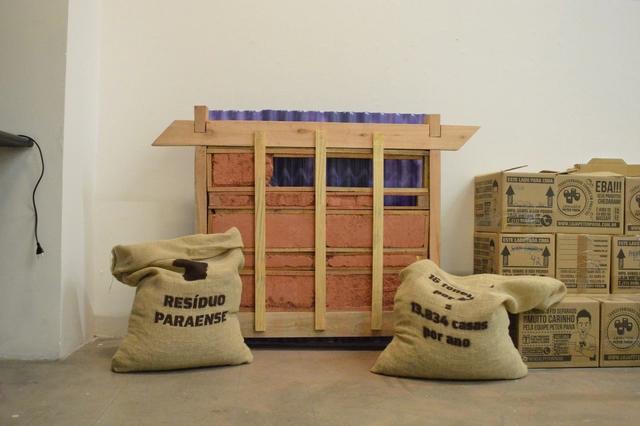
The 4th Tomie Ohtake Institute Leroy Merlin Design Award, dedicated to university students and recent graduates, has announced the three winning projects of this edition. The goal of this fourth cycle, themed around the verb acolher (to welcome/to shelter), is to highlight proposals that explore the relationship between design and other fields, such as communication, architecture, biology, engineering, fashion, technology, economics, physics, education, mathematics, and chemistry. The winners will receive scholarships for design courses abroad.
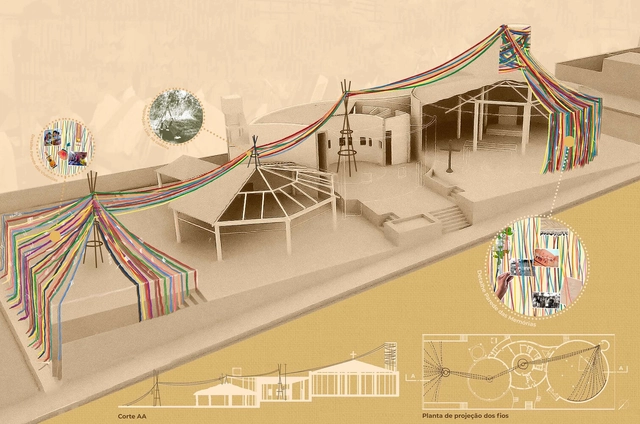
The 6th {CURA} Award has announced the results of its competition for students and young architects. In this edition, participants were invited to propose temporary interventions in works by Lina Bo Bardi. The proposal could be sited in any city in Brazil, provided it was an intervention in a work by the architect.
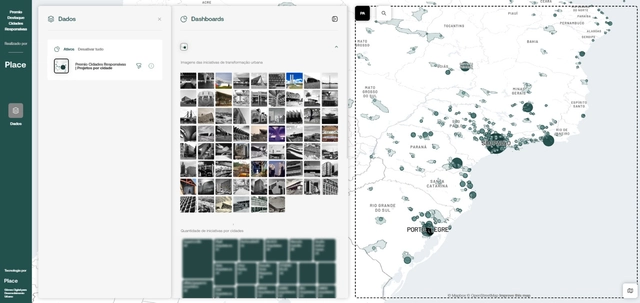
The Urban Initiatives Map, created by OSPA Place in partnership with the Responsive Cities Institute, is a free, collaborative mapping platform showcasing urban transformation projects driven by innovation, technology, and citizen participation. The initiative aims to identify, highlight, and give visibility to transformative urban experiences; inspire other cities with open innovation models; strengthen collaborative networks among public, private, academic, and civil society stakeholders; and share solutions that have a real impact on the population.
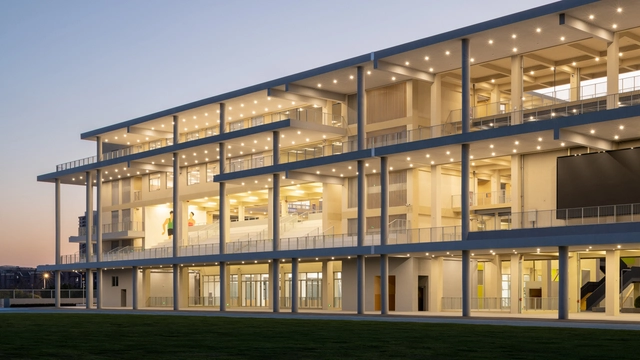
Chinese architect Sui Yanfei has won the 4th Kazuhiro Kojima Award in 2025, becoming the first recipient from outside Japan since the award's inception. The jury presented this honor to Sui in recognition of his deep insight into Chinese social realities alongside his continuous exploration of new, future-oriented possibilities for architecture. His work focuses on extending Eastern thought within a post-human context and excels at reinterpreting historically accumulated social structures. Grounding his practice in social, economic, and institutional realities, he transforms architecture within complex networks of relationships into a medium that connects people, objects, and time. The diverse practice of his studio is both deeply rooted in reality and brings a new poetry to contemporary life.

The Arquiteturas Film Festival has opened submissions for its 13th edition, which will take pace from July 1 to 5, 2026, in Porto, Portugal. Organized by INSTITUTO and directed by architect Paulo Moreira, the festival was founded in 2013 and has established itself as an international platform dedicated to discussing and disseminating architecture in dialogue with cinema, visual and spatial arts, critical thought, and interdisciplinary collaboration.
Under the theme "Urban Age," the 2026 edition invites filmmakers, architects, and artists to reflect on the urban era we inhabit and the ways in which cities and territories are shaped by contemporary social, political, and environmental challenges. The festival proposes a reflection on the lived experience of urbanization—from the material forms of architecture to the social and cultural dynamics that define contemporary cities.