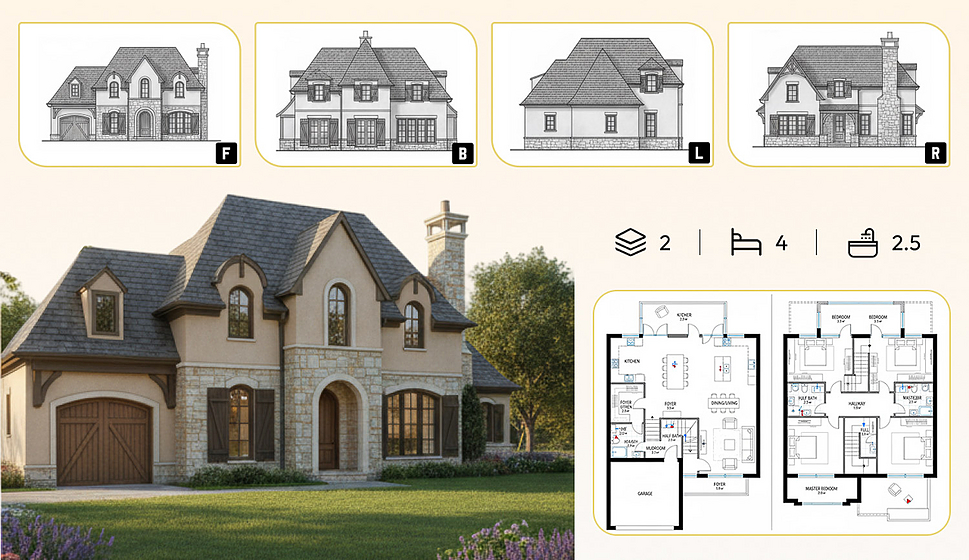
This guide covers a workflow that moves from project parameters to generated floor plans, 3D perspective views, exterior design exploration, and site context visualization, using AI tools in place of preliminary CAD and rendering work.
This guide covers a workflow that moves from project parameters to generated floor plans, 3D perspective views, exterior design exploration, and site context visualization, using AI tools in place of preliminary CAD and rendering work.
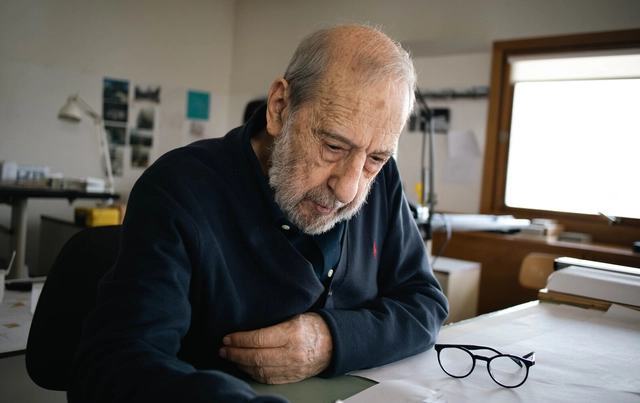
Álvaro Siza, Portugal's first Pritzker Laureate, is undeniably a figure of major importance in the history of contemporary architecture, with projects that have reshaped the urban landscapes of numerous cities around the world. While his name and work are widely known, Siza is a highly private and introspective person who prefers to keep his personal life out of the spotlight.
Directed by producer and director Augusto Custódio, the documentary SIZA offers a more intimate and personal look at the renowned Portuguese architect. The film covers his childhood, his relationship with his wife, his passion for sculpture, and his admiration for classical music, exploring his influences and professional journey.
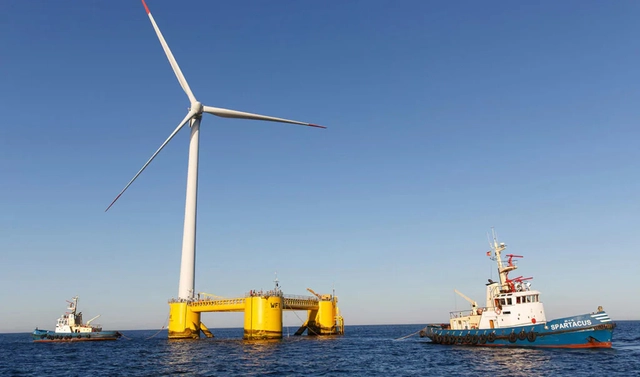
Between October 31 and November 6, 2023, Portugal produced more than enough renewable energy to meet the entire country's demand. While fossil fuel plants were still operational, the clean energy generated was more than sufficient to supply the grid. Consequently, consumer electricity rates dropped drastically.
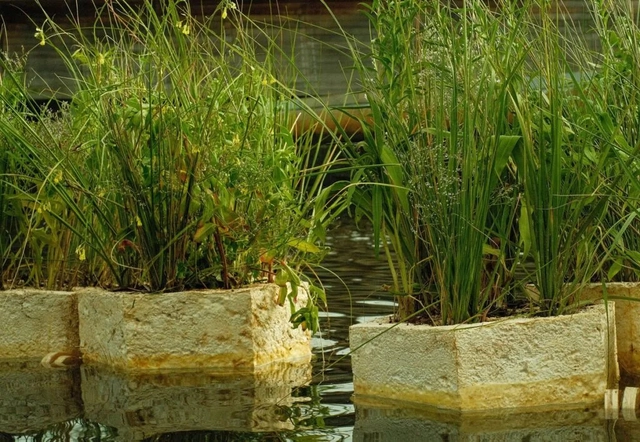
Using plants to filter impurities from lakes and rivers is already a common practice in sustainability. It is an alternative that avoids artificial chemicals in favor of maintaining a balanced ecosystem. Now, students at the Rhode Island School of Design (RISD) have gone a step further, creating floating planters made of mycelium to clean pollutants from waterways while restoring wetland habitats.
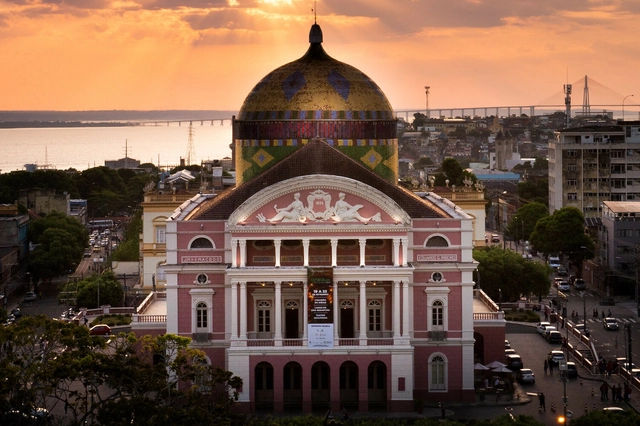
Teatro Amazonas in Manaus and Theatro da Paz in Belém could soon achieve recognition as UNESCO World Heritage Sites. The first step toward this distinction for the Amazon theaters will be taken between December 13 and 15, during the first mobilization workshop in Manaus. This event will gather representatives from the governments of Amazonas and Pará, the city halls of Manaus and Belém, civil society, researchers, and the National Institute of Historic and Artistic Heritage (IPHAN).
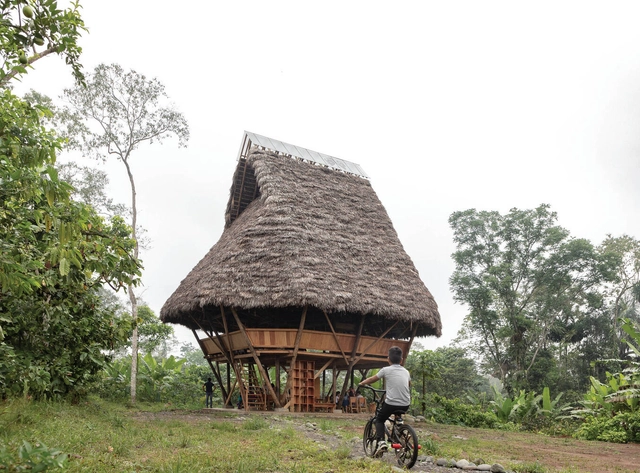
The Fondazione Teatro dell'architettura has announced the architecture firm Al Borde (Ecuador) as the winner of the 2024 BancaStato Swiss Architectural Award. Founded in Quito by Pascual Gangotena, David Barragán, Maríaluisa Borja, and Esteban Benavides, Al Borde conceives a collective approach to design and construction, paying special attention to climate variables, the involvement of local communities, traditional construction techniques, and innovation. As they state, Al Borde “inhabits the territory of questioning, where certainties about what architecture should or should not be are constantly under construction.”
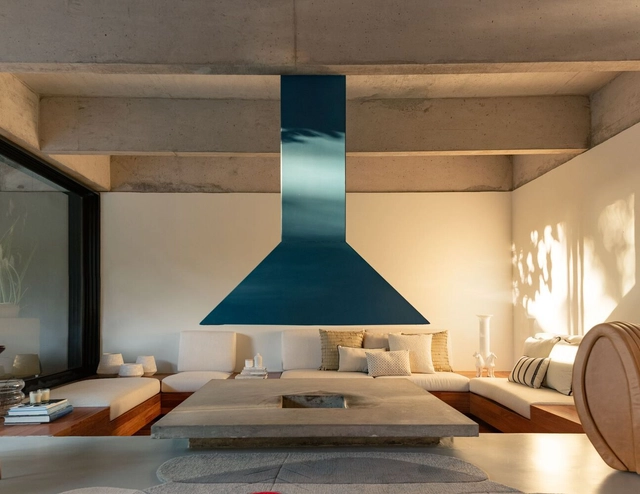
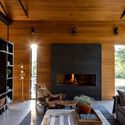
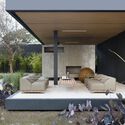
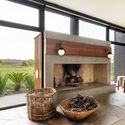
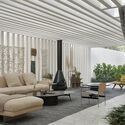
We are about to enter the coldest season of the year in the Southern Hemisphere: winter. When considering how to heat a home, one of the first solutions that comes to mind is the fireplace. After all, the fire brings warmth and provides a cozy gathering space. In addition, its design and placement can be key to the spatial composition of a room.
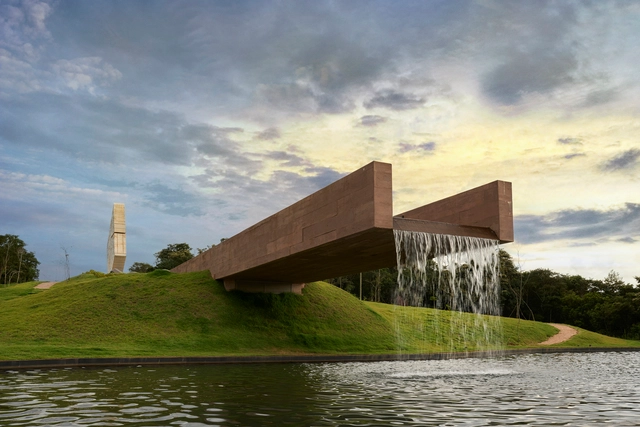
On January 25, 2025, six years after the collapse of the Córrego do Feijão mine dam in Minas Gerais, the Brumadinho Memorial was inaugurated. Designed by the firm Gustavo Penna Arquiteto & Associados (GPA&A) and built on the very site of the tragedy, the memorial was developed in collaboration with the victims' families to preserve memories, offer a space for mourning, and encourage reflection on the disaster.
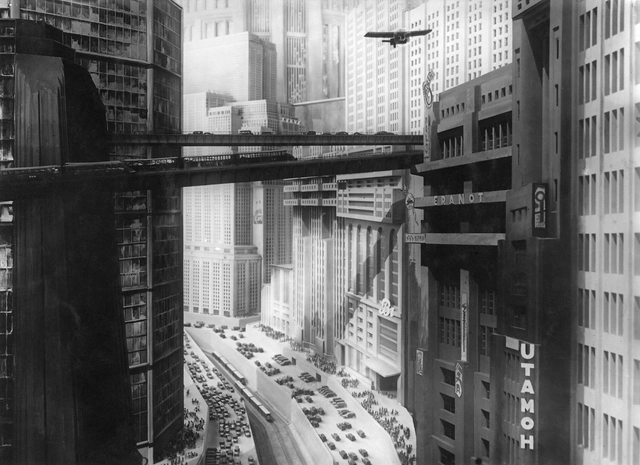
Belas Artes À La Carte is a movie streaming service designed for film lovers. Its catalog of around 400 titles includes films from all corners of the world and all eras: contemporary works, classics, cult films, works by great directors, award winners, and, above all, those that deserve to be revisited and touch the hearts of cinephiles.
Another highlight is the curated film showcases. Recently, À La Carte featured specials dedicated to French, Italian, Korean, Spanish, and Swiss cinema. Recognizing the close and prolific relationship between architecture and cinema, ArchDaily and Belas Artes À La Carte have partnered to offer readers one month of free access to the platform's film catalog!
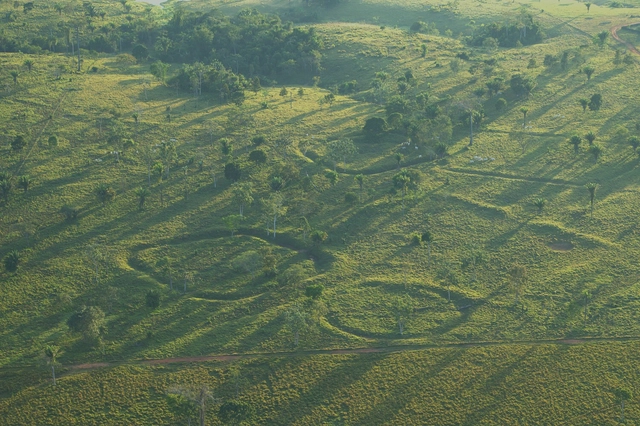
Brazil's participation in the 19th International Architecture Exhibition – La Biennale di Venezia will be marked by the exhibition (RE)INVENÇÃO, curated by architects Luciana Saboia, Matheus Seco, and Eder Alencar of the collective Plano Coletivo. The initiative, organized by the Fundação Bienal de São Paulo in partnership with the Ministries of Culture and Foreign Affairs, invites a reflection on the connections between nature and the city, exploring ancestral infrastructures and their potential reinterpretation in contemporary Brazil.
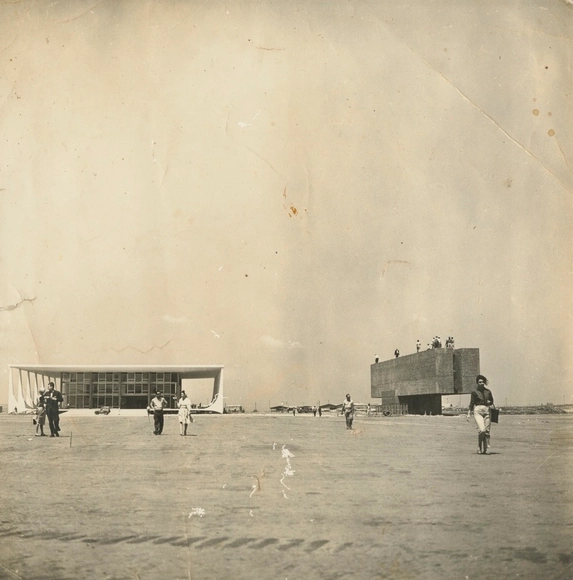
The Federal District of Brasília and Casa da Arquitectura in Portugal have signed an agreement to share the digital archive of Lucio Costa, the urban planner behind Brasília's Pilot Plan. The signing ceremony took place on February 18, 2025, at the Buriti Palace, in the presence of the governor of the Federal District, Ibaneis Rocha, the executive director of Casa da Arquitectura, Nuno Sampaio, and the Portuguese Minister of Culture, Dalila Rodrigues.
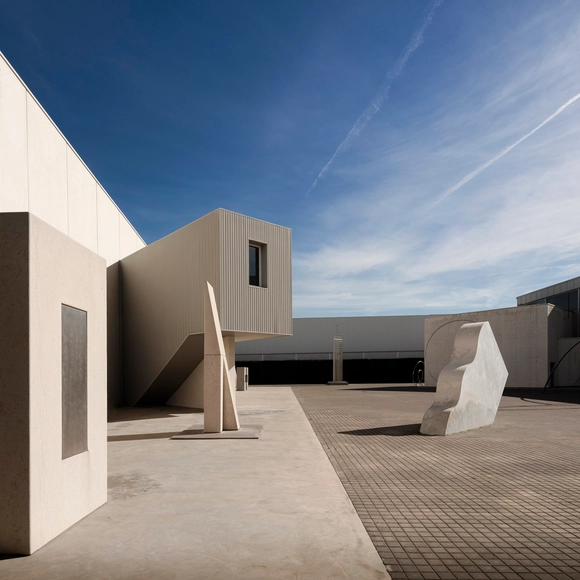
The MArch Valencia Postgraduate School offers a unique educational proposal, featuring three postgraduate programs and two master's degrees designed to effectively connect academic knowledge with professional experience. Its teaching methodology is based on a practical approach and collaboration with renowned professionals and architecture and design studios, providing students with the necessary tools to excel in a highly competitive job market.
We invite you to participate in the ArchDaily en Español Building of the Year Award. In its sixteenth edition, we give our readers the responsibility of recognizing and rewarding the projects that have had the greatest impact on the discipline. By voting, you become part of an unbiased jury network recognizing the most relevant works built in Latin America and Spain over the past year. There are only a few days left before voting closes, where the 3 winners of the ArchDaily en Español 2025 Building of the Year Award will be selected from among the 15 finalists.
Registered users can vote for their favorite project once a day. The nomination stage ends on April 9 at 11:59 PM (GMT-3).

We invite you to participate in the ArchDaily Brasil 2025 Building of the Year Award. Now in its ninth edition, we task our readers with the responsibility of recognizing and rewarding the projects that have made the greatest impact on the profession. By voting, you become part of an impartial network of jurors recognizing the most relevant projects built in Portuguese-speaking countries over the past year. Only a few days remain in the voting stage, which will select the three winners of the ArchDaily Brasil 2025 Building of the Year Award from the 15 finalists.
Registered users can vote for their favorite project once a day. The voting stage closes on April 9 at 11:59 PM (GMT-3).

Last week, we announced the 15 finalists for the 2025 ArchDaily Brasil Building of the Year Award, which celebrates the best of Lusophone architecture by inviting our readers to vote for their favorite projects built in Portuguese-speaking countries. Now, the time has come to reveal the three grand winners!
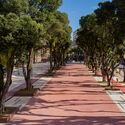
This year, first place went to the Seedling Nursery - Ocupação Fazendinha, a simple and sensitive small-scale project developed by the Projects Department of the School of Architecture at the Federal University of Minas Gerais. Second place was awarded to Casa da Carnaúba Várzea Queimada in the state of Piauí, designed by the firm Rosenbaum, while third place went to the Requalification of the Municipal Square of Ribeira de Pena in Portugal, designed by the studio AXR - Arquitetura e Design.
The 8th {CURA} Award has announced the winners of its competition, which was themed around collective housing for the 21st century. The competition invited participants to reflect on new ways of living in the city, focusing primarily on issues of urban mobility, density, and bioclimatic efficiency.
Each project was evaluated individually, based on criteria such as consistency with the proposed theme; conceptual and architectural quality; creativity and critical vision in the proposed solution; suitability to the urban and territorial context; quality of graphic representation and clarity in communicating the proposal; social and environmental impact; and compliance with the competition brief. Team identities were only revealed after the jury's final decision.
Maps are fundamental tools for understanding the built environment. Rather than just representing locations, they allow us to visualize spatial relationships, recognize urban patterns, overlay layers of information, and produce new ways of reading a territory. In architecture, they can help reveal how projects are distributed across cities, identifying which areas concentrate investments or remain on the margins. Furthermore, maps are never neutral: all cartographic representation involves choices—such as data selection, spatial boundaries, and projections used—that can carry political intentions, reinforcing or questioning power structures and worldviews.
In partnership with the platform PLACE, developed by the firm OSPA, ArchDaily Brasil presents an interactive map featuring most of the projects published on the site in recent years. Each point provides information such as images, location, and technical data about the works. The initiative uses exclusively public data available on the platform and includes projects in almost every Brazilian state.
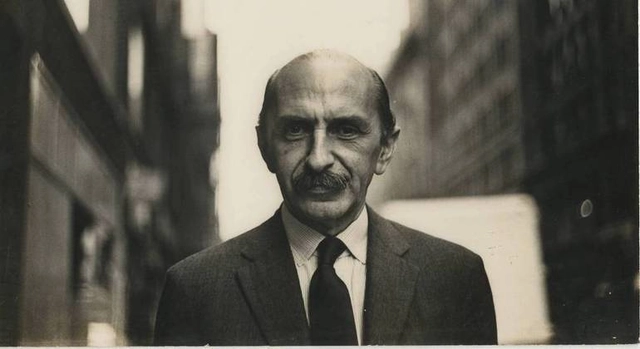
Following the controversy surrounding the news that Lucio Costa's estate was donated to Casa da Arquitectura, a Portuguese institution dedicated to safeguarding the archives of national and international architects, the Public Archive of the Federal District, the Secretariat of Culture and Creative Economy (Secec), and the National Institute of Historic and Artistic Heritage (Iphan) are now working to establish a cooperation agreement with the Portugal-based institution.

The Tomie Ohtake Institute and AkzoNobel present the 13 projects selected for the eighth edition of the Tomie Ohtake Institute AkzoNobel Architecture Prize. The selection was made by a jury comprising architects Ariadne Moraes, Carlos Alberto Maciel, Cintia Lins, Diego Mauro, and Tainá de Paula.
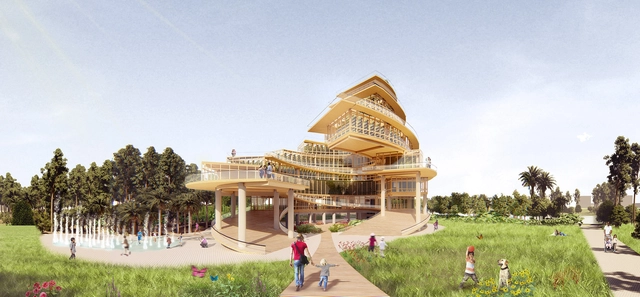
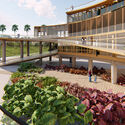
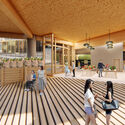
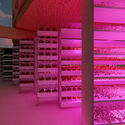
Cora Coletivo, a transdisciplinary Brazilian group, developed a project in the city of Dongguan, China, for the Urban Greenhouse Challenge II (UGC2) competition. The proposal for an iconic timber-structured vertical farm houses culture, leisure, and the entire food production and distribution chain. In addition, the site features landscape design in its open spaces and an Agroforestry System (SAF) for food production.
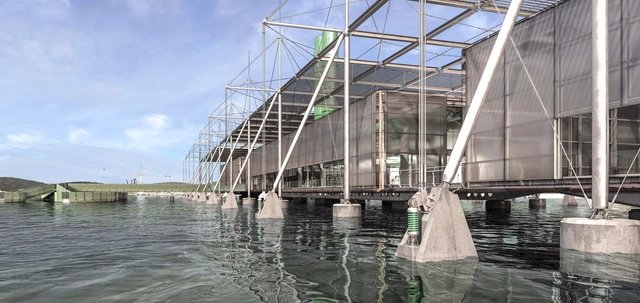
Architecture students from Mackenzie Presbyterian University in São Paulo have won the 14th ALACERO Steel Design Competition for Architecture Students 2021, surpassing competitors from countries such as Argentina, Chile, Mexico, Ecuador, and the Dominican Republic. The competition aimed to promote architectural concepts that utilize steel as their primary material.
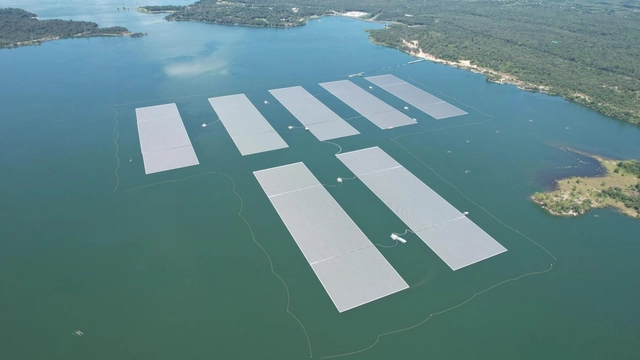
A large floating solar farm has begun operations in Thailand. Solar cells installed on the water's surface harness sunlight during the day, while three turbines convert hydropower at night.
The system combines two types of renewable electricity generation at the Sirindhorn Reservoir in Ubon Ratchathani province, located about 660 kilometers from the capital, Bangkok. A total of 145,000 solar panels have been installed. The 45 MW of peak power produced by the project complements existing dam operations, which can generate an additional 36 MW and supply electricity to three provinces in eastern Thailand.
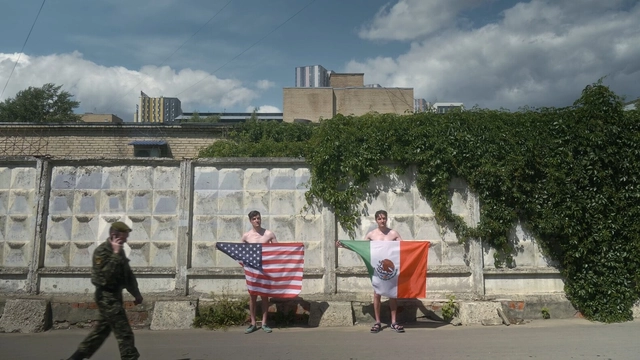
At a time of profound social, spatial, and cultural change, the 12th edition of the Arquiteturas Film Festival invites reflection on how physical and symbolic borders shape the built environment, influencing daily life and collective dynamics. What role do architecture and urban thinking play in understanding this changing world?
Since the cultural center INSTITUTO took over its organization in 2021, the festival has established itself as a critical platform connecting cinema, architecture, and spatial practices to discuss urgent issues. In recent years, it has addressed migration, ecological crises, decolonization, and new ways of living. In 2025, the focus turns to the 'border' in its multiple dimensions.

A vast majority of construction in Brazil occurs without the involvement of architectural professionals. Yet, thousands of architects graduate across the country every year. At the same time, Brazil has a rich building culture, expressed through people building their own homes and the traditional knowledge of communities shaping daily life.
Doesn't it seem obvious that those who build should stand alongside those who design to shape reality together? This is the proposal behind Canteiro Móvel.
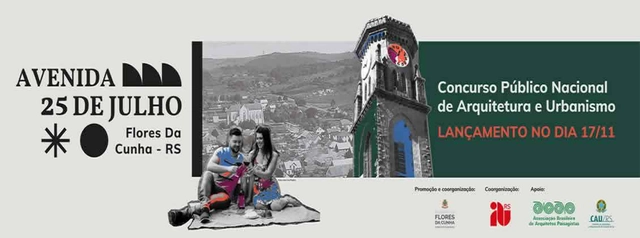
The Municipality of Flores da Cunha (RS), in partnership with the Institute of Architects of Brazil – Rio Grande do Sul Department (IAB RS) and supported by the Council for Architecture and Urbanism of RS (CAU/RS) and the Brazilian Association of Landscape Architects (ABAP), has launched the National Public Competition for Architecture and Urban Design to revitalize Avenida 25 de Julho – one of the city's most important thoroughfares. The competition guidelines are available on the website and the Instagram profiles of IAB RS and the municipal government.