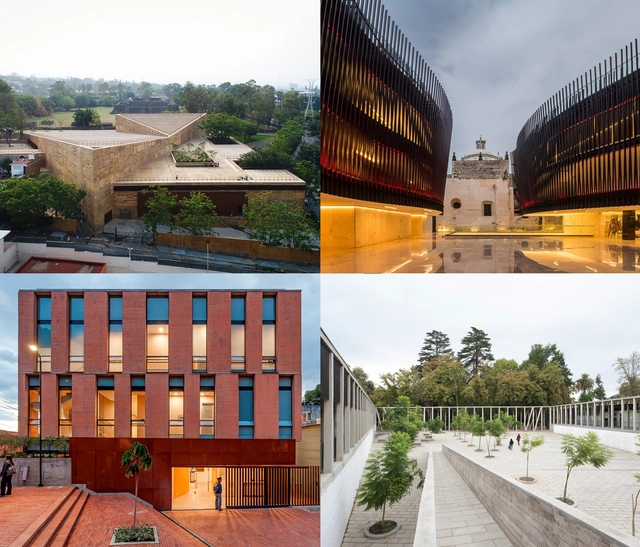
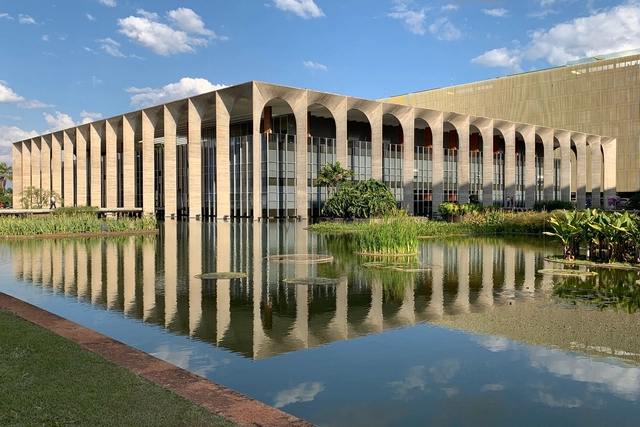
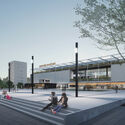
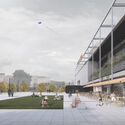
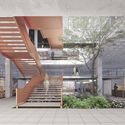
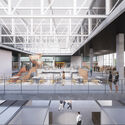
The ‘Rogelio Salmona Latin American Architecture Prize: open spaces / collective spaces’ seeks to recognize built works of architecture that create significant spaces for citizens, helping to foster more welcoming cities. Unlike previous editions, this year two categories were established: Latin America and Colombia.
From the 42 submissions, the jury—comprising Sol Camacho (Brazil/Mexico), Nicolás Campodónico (Argentina), Carlos Campuzano (Colombia), Carlos Jiménez (Spain/Colombia), and Mauricio Rocha (Mexico)—selected 26 Latin American works to be published, featured, and exhibited during this 2024 edition. The final awards ceremony will take place on October 24 of this year.
Architect Cristián Castillo Echeverría was recently awarded the 2024 National Architecture Prize, honoring, valuing, and recognizing his contributions to society and to the way of living in Chile. Awarded by the National Board of the Colegio de Arquitectos de Chile, the National Architecture Prize recognizes architecture professionals whose career and ethical and professional performance serve as an example to all colleagues, whether in architectural practice, academic or institutional settings, public service, or public administration.
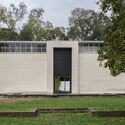
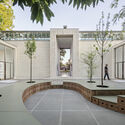
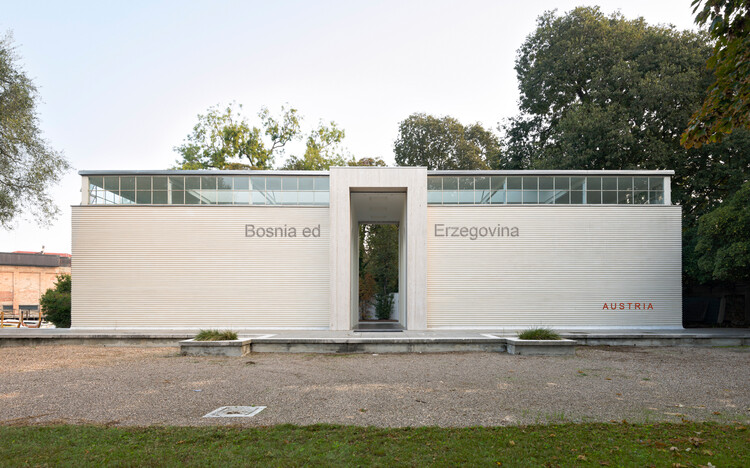
Austria has announced Koncesija / Konzession / Concession(e) as its contribution to the 20th International Architecture Exhibition – La Biennale di Venezia. Curated by architects Adna Babahmetović and Ajna Babahmetović together with curator Sebastian Höglinger, the project proposes temporarily granting the Austrian Pavilion to Bosnia and Herzegovina through a cooperative concession. Selected through Austria's open competition process, the pavilion examines questions of national representation, diplomacy, and architectural exchange by responding to the absence of a Bosnian national pavilion in the Giardini, where the Biennale's historic national pavilions are located.
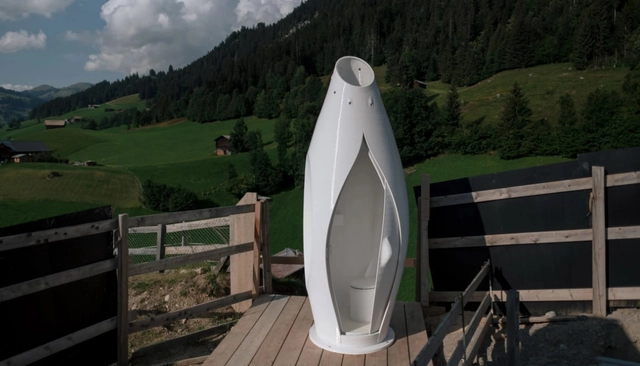
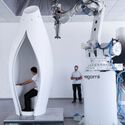
Spanish studio Nagami used discarded medical equipment to create a portable toilet. The plastic material was melted down for 3D printing. On a large scale, the project could provide an alternative for deploying public toilets wherever needed.
The toilet took only three days to complete. The structure consists of three main parts: the oval-shaped body, a sliding door, and the toilet bowl. Beyond the technology, the project's design is noteworthy. Unlike conventional chemical toilets, this one is “aesthetically pleasing.”
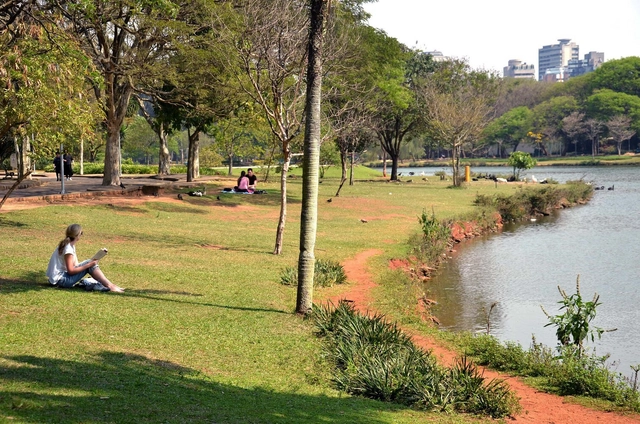
More and more people are concentrating in major urban centers. While cities are full of people and possibilities, this is far from making them welcoming environments. Loneliness and anxiety are common in the fast-paced life of the "concrete jungle," and nature may hold the key to alleviating these feelings.
Numerous studies have been published showing how contact with nature positively affects our health. Listening to birds chirping, getting your hands in the dirt, or spending time in contact with greenery—all of this benefits our physical and mental well-being. Now, researchers have shown that green spaces also help alleviate feelings of loneliness.
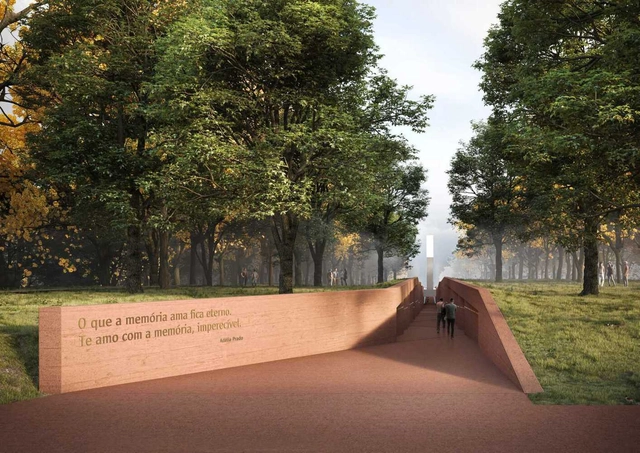
The Brumadinho Memorial, designed by the firm GPA&A and led by architect Gustavo Penna, is already under construction. Designed to honor the victims of the dam collapse on January 25, 2019, the project involved the entire local community to create a space of belonging, identity, and collective interest.
Construction is underway, and earthmoving works have already been completed. The memorial is scheduled to open in January 2023.
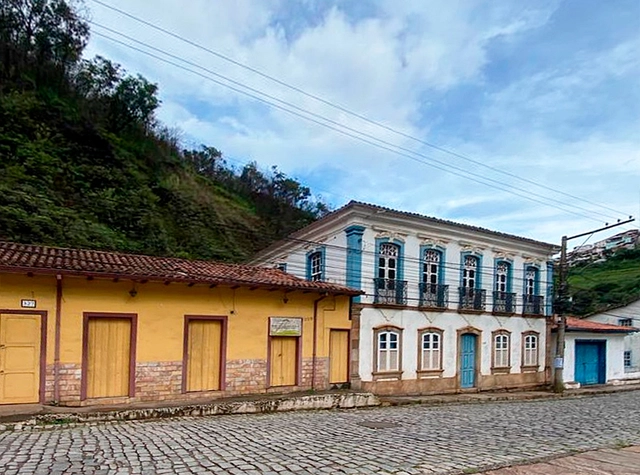
A landslide on the Morro da Forca hill struck two historic mansions in the historical center of Ouro Preto, Minas Gerais, this morning, completely destroying them. The buildings were listed by the National Institute of Historic and Artistic Heritage (Iphan). Minutes before the tragedy, the area had been evacuated, and there were no casualties.
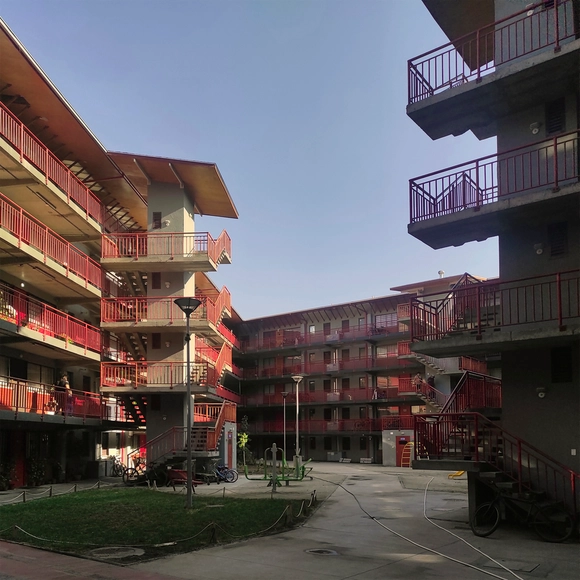
There are many architectural and urban planning qualities that justify Brasília's inclusion on UNESCO's World Heritage list, and perhaps the invention of the superquadra is one of the most overlooked. The structural module of the residential sector proposed by Lucio Costa, the superquadra does not exist solely for housing; it is part of a larger whole, the modern city, contributing to the enjoyment, harmony, and coexistence of its residents.
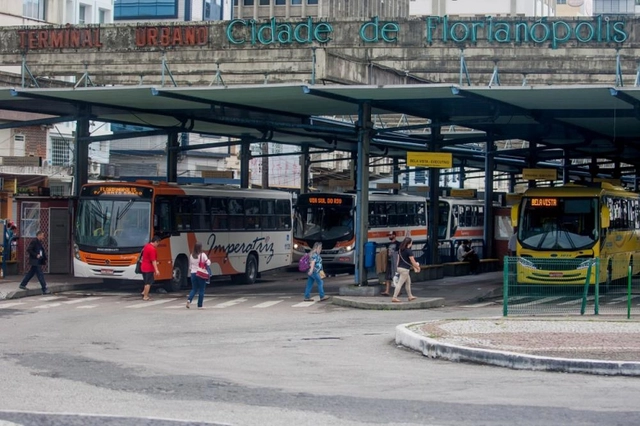
Starting today, Florianópolis residents will receive a one-real discount on bus fares paid during off-peak hours. Additionally, to facilitate short-distance travel, the City of Florianópolis is offering a 50% fare discount on six neighborhood lines. These benefits apply to all municipal transit cardholders.
Severiano Porto was honored today with the 2021 Global Award for Sustainable Architecture, organized by the Cité de l’Architecture et du Patrimoine, a French institution dedicated, among other things, to organizing events focused on heritage and architectural education. Porto, who passed away in 2020, had his work represented by Professor Marcos Cereto, a professor at the Federal University of Amazonas, and is the first Brazilian to receive the honor.
CAU Brasil is developing an Interactive Database for its Education and Training Commission. The project aims to collect, systematize, and qualitatively and quantitatively use data on education, training, research, and outreach activities in Architecture and Urbanism.
To develop this technology, CAU Brasil has launched a special bidding process to hire a software development startup. The estimated budget is R$ 100,000.
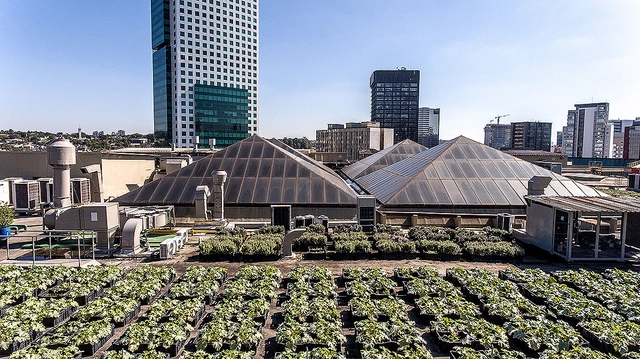
"Telhado Verde" (Green Roof) Project. Image: Courtesy of Shopping Eldorado
Aiming to find an environmentally friendly use for approximately 164 tons of organic waste generated monthly in its food courts, Shopping Eldorado in São Paulo has invested in the Telhado Verde (Green Roof) composting project since 2012. The initiative transforms food waste into organic compost, recycling more than 30% of the waste generated by the establishment.
Achieving greater independence in energy generation is one way to offset rising electricity bills. Consequently, small-scale renewable energy systems are becoming increasingly common. In Sorocaba, in the state of São Paulo, the startup Vida Maker has developed a micro-power plant that can be powered by solar panels, wind energy, and hydroelectric generators.
Operating as a generator, the system can serve as a power source for electronics, household appliances, and lighting.
Registration is now open for the second edition of the self-paced course “Heritage Education, Diversity, and Environment in the Federal District.” Open to the general public, the course is part of the work plan under a cooperation agreement signed between the National Institute of Historical and Artistic Heritage (Iphan) in the Federal District (DF) and the State Secretariat of Education of the DF (SEEDF).
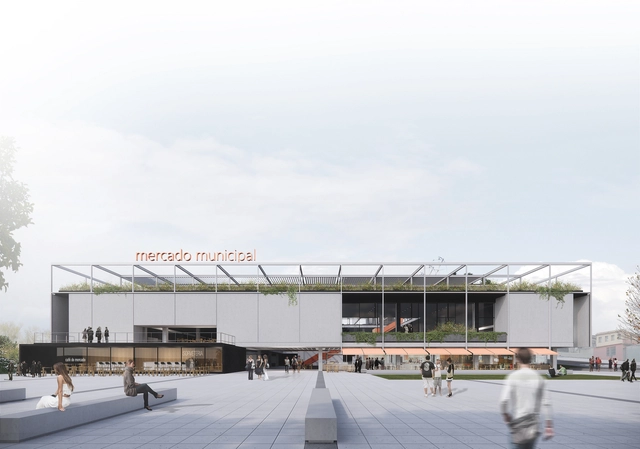
Seeking a more noble purpose for its Municipal Market, the municipality of Ponta Grossa, Paraná, launched a national design competition in September 2021. The site, previously filled with debris and hoarding, will be redeveloped to accommodate 180 commercial stalls, a food court, and parking. Last December, the jury announced Austral Studio, a Curitiba-based office led by architect Henrique Wosiack Zulian, as the competition winner.
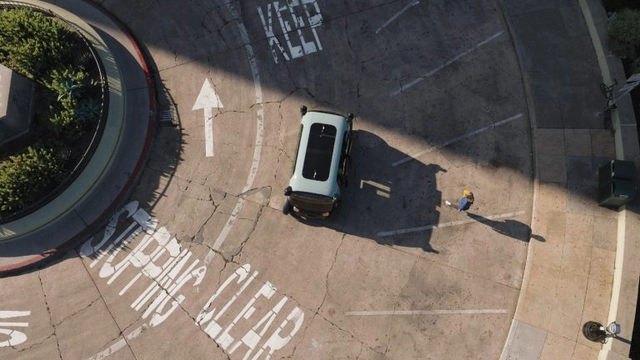
In 2020, US-based startup Zoox revealed the prototype of its autonomous electric vehicle. Now, the robotaxi is entering an advanced testing phase in California.
Resembling a minivan, the vehicle is tall, boxy, and features sliding glass doors. Its large wheels and rounded corners stand out, giving it a cartoonish appearance.
For the sixth time, we are giving our readers the responsibility of recognizing and rewarding the projects that have made the greatest impact on the profession through the ArchDaily Brasil 2022 Building of the Year Award. By voting, you become part of an unbiased network of jurors recognizing the most outstanding projects of the past year.
Over the next three weeks, the collective intelligence of our readers will filter through hundreds of projects from Portuguese-speaking countries—Brazil, Portugal, Mozambique, Angola, Guinea-Bissau, East Timor, Equatorial Guinea, Macau, Cape Verde, and São Tomé and Príncipe—published in 2021, selecting the best works built in Portuguese-speaking territories.
From hundreds of projects published in 2021, readers will choose their favorites, and the 15 projects with the most votes will move on to the second stage of the award.
In 2021, the average London driver spent 148 hours in traffic jams—double the national average, according to a new report by Inrix, a road traffic analytics company. These findings led to a BBC report that attributed this new, alleged status as the world's most congested city to an increase in bike lanes, implemented across London to ensure social distancing during pandemic travel. This analysis seems to overlook the fact that congestion in 2021 was practically the same as in 2019.
To understand what is happening, we must remember that the amount of time available to each of us limits how much we can travel. There are many things we need to fit into 24 hours and, on average, we spend only one hour commuting. This limits the accumulation of congestion in cities.
Students at Tunghai University in Taiwan have designed a type of artificial coral reef. The proposed structure is made of 3D-printed eco-friendly ceramic to help revitalize urban rivers.
While natural corals are irreplaceable and essential to ocean health, this 3D-printed structure has a specific mission: to provide shelter for aquatic organisms. This alone can help sustain various species.
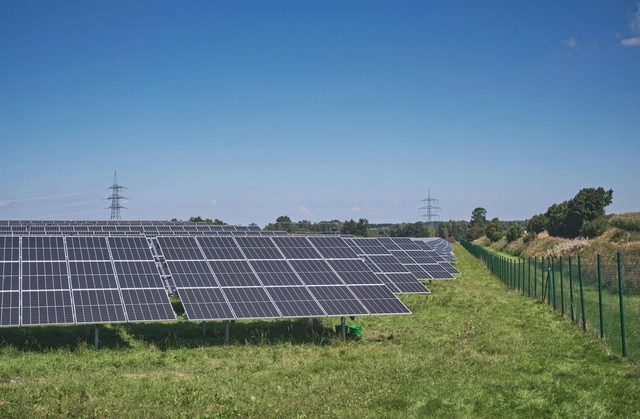
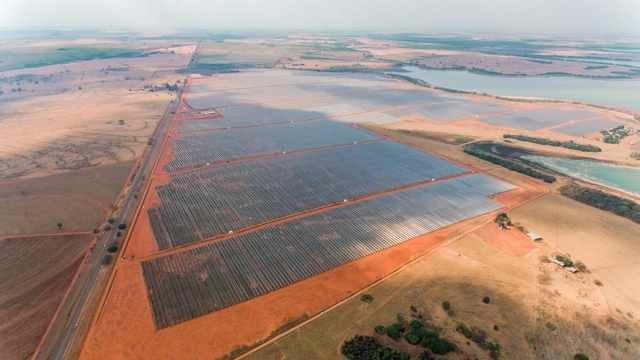
Pereira Barreto solar photovoltaic complex in the state of São Paulo. Image courtesy of EDP Renováveis
Brazil has just surpassed the historic milestone of 14 gigawatts (GW) of operational solar photovoltaic capacity, combining utility-scale plants and distributed self-generation systems on rooftops, facades, and small plots of land. Consequently, solar power now surpasses the installed capacity of the Itaipu hydroelectric plant, according to data from the Brazilian Association of Photovoltaic Solar Energy (ABSOLAR).
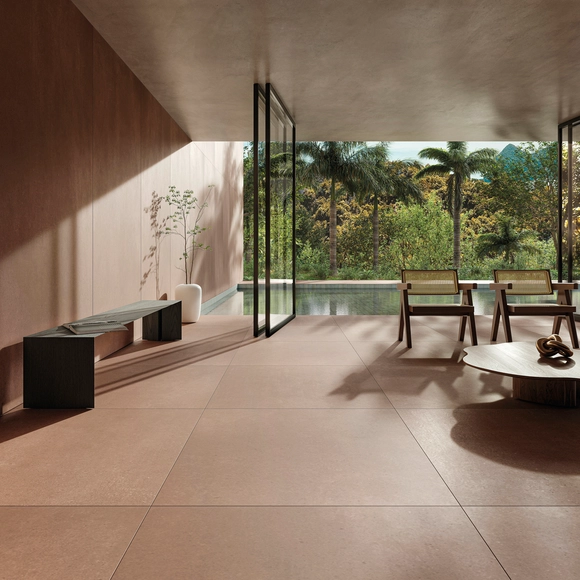
Linha Oh!Take "Cliff". Image Cortesia de Portobello
Portobello has just launched the Soma line, co-created with architect Paulo Mendes da Rocha; Oh!Take and its complement, Soul, designed by Ruy Ohtake; and Shibori, developed with Italian designer Paola Navone. These products are part of the 2022 Unlimited Dreams collection, launched simultaneously at Expo Revestir and in Portobello Shop stores across Brazil in early March.
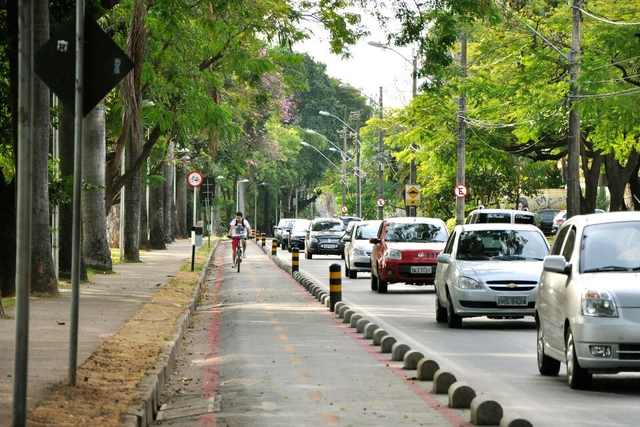
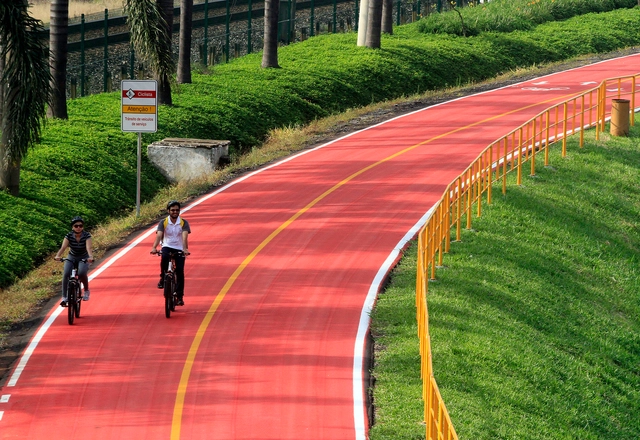
On Thursday (10), the São Paulo state government announced the project for Brazil's first long-distance highway bicycle path, the Ciclovia dos Bandeirantes, along the Bandeirantes Highway.
Located between São Paulo and Itupeva, the new bicycle path will connect the state capital to the newly launched Serra Azul Tourist District in Itupeva, spanning approximately 57 kilometers.
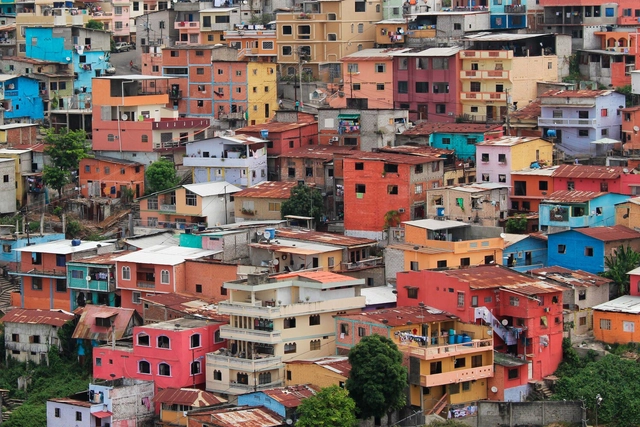
Favela Marte, located in São José do Rio Preto, in upstate São Paulo, will be the first community in Latin America to be fully powered by solar panels. The site will serve as a model for a broad project that promises to generate income and social development for its residents.
Known as Vila Itália, the community began to emerge in 2014. For several years, the residents were the target of lawsuits aimed at evicting them from the private land. A turning point came when the area was chosen to serve as a model for the “Favela 3D” project—standing for dignified, digital, and developed environments.