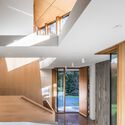
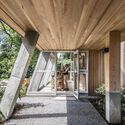
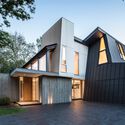
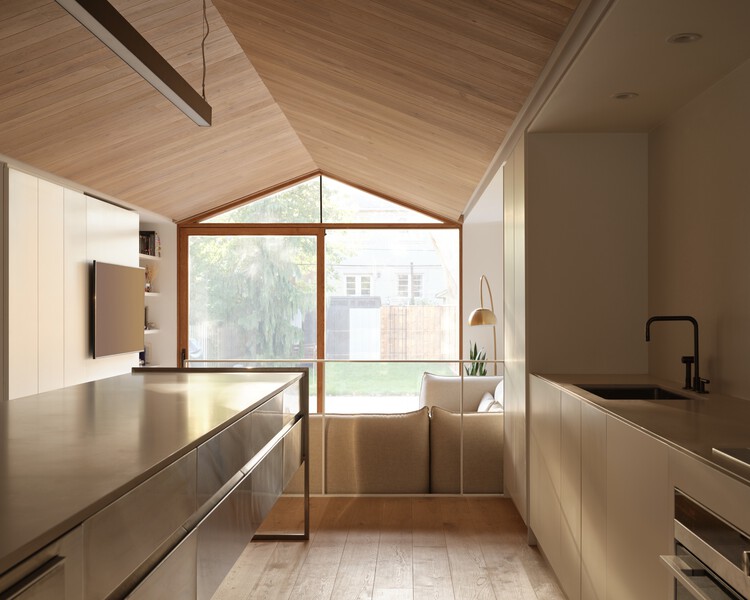
![DoubleMint House / large [medium] design office - Exterior Photography, Houses, Facade](https://snoopy.archdaily.com/images/archdaily/media/images/66d6/ee58/f999/c656/23a9/c4d7/slideshow/doublemint-house-large-medium-design-office_5.jpg?1725361776&format=webp&width=640&height=580)
![DoubleMint House / large [medium] design office - Houses](https://images.adsttc.com/media/images/66d6/ee5f/f999/c656/23a9/c4df/thumb_jpg/doublemint-house-large-medium-design-office_19.jpg?1725361778 "© Rémi Carreiro Photography")
![DoubleMint House / large [medium] design office - Exterior Photography, Houses, Door, Facade, Lighting](https://images.adsttc.com/media/images/66d6/ee51/d393/f16a/3583/6f53/thumb_jpg/doublemint-house-large-medium-design-office_20.jpg?1725361758 "© Rémi Carreiro Photography")
![DoubleMint House / large [medium] design office - Interior Photography, Houses, Table](https://images.adsttc.com/media/images/66d6/ee4d/f999/c656/23a9/c4d1/thumb_jpg/doublemint-house-large-medium-design-office_9.jpg?1725361759 "© Rémi Carreiro Photography")
![DoubleMint House / large [medium] design office - Interior Photography, Houses, Door, Table](https://images.adsttc.com/media/images/66d6/ee59/d393/f16a/3583/6f55/thumb_jpg/doublemint-house-large-medium-design-office_10.jpg?1725361776 "© Rémi Carreiro Photography")
![DoubleMint House / large [medium] design office - More Images](https://images.adsttc.com/media/images/66d6/ee58/f999/c656/23a9/c4d7/newsletter/doublemint-house-large-medium-design-office_5.jpg?1725361776)
-
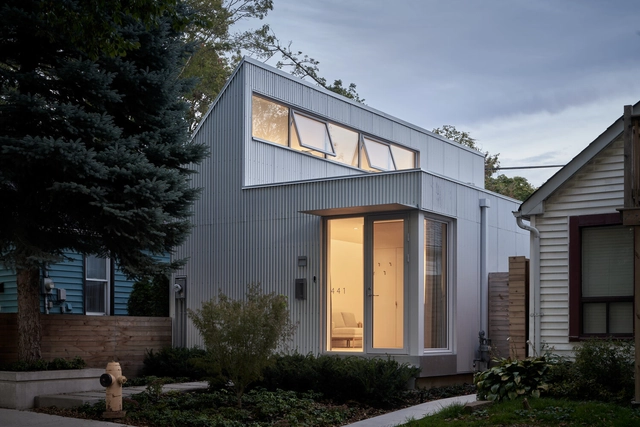
Architects: large [medium] design office
- Area: 215 m²
- Year: 2024







Join us for the opening reception of The Koffler Gallery's latest exhibition, “The Synagogue at Babyn Yar: Turning the Nightmare of Evil into a Shared Dream,” launches on April 17th, Yom HaShoah Eve.

Join editor Alissa North of the John H. Daniels Faculty of Architecture, Landscape, and Design as she discusses her new book Innate Terrain: Canadian Landscape Architecture, a collection of papers written by Canadian scholars and practitioners in the field of landscape architecture. Concerned with the practice and theories of landscape architecture in Canada, the book documents the breadth of contemporary practice from across the country, with each chapter author using works of landscape architecture to theorize a distinct approach practiced by Canadians in their national context. The book’s central argument is that Canadian landscape architecture is distinct because of the unique qualities of the Canadian terrain and the particular relationship that Canadians have with the landscapes of our nation.

Featuring Tura Cousins Wilson of SOCA, Jessica Kirk of the Wildseed Centre for Art and Activism and Jessica Hines of Black Urbanism Toronto, this conversation about what it means to take accountability within the practice of design and focus on Black community engagement is the first in a series centred around Blackness in architecture, landscape, and design within academia. As noted in the University Commitment in the Scarborough Charter, the work of Black flourishing and thriving should “be informed, shaped and co-created by communities” in order to be effective. Other discussions in this series will include Black Flourishing through Design (February 15), a workshop for designers and educators called Blackness in Architectural Pedagogy and Practice (March 1) and a student-led online event that centres Black belonging through design.

Dimitra doesn’t want to move symposium to be held on February 14, 2023
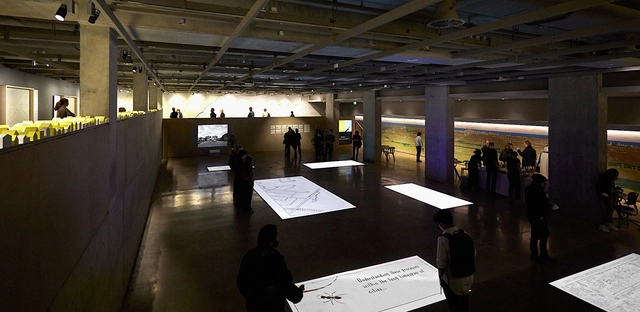
This daytime roundtable uniting urban scholars, designers, planners, community developers and policy specialists will explore how to take some of the ideas of the Housing Multitudes exhibition forward. Discussion will be especially focused on what is being forgotten or ignored in the proposed “solutions” to housing shortages and affordability that Ontario’s Bill 23, and Toronto’s Housing Action Plan, seek to address.