Héctor Esrawe is a leading figure in contemporary furniture and interior design in Latin America. From his studio, Esrawe, based in Mexico City, he develops everything from furniture and objects to interiors, architecture, public space installations, and museography.
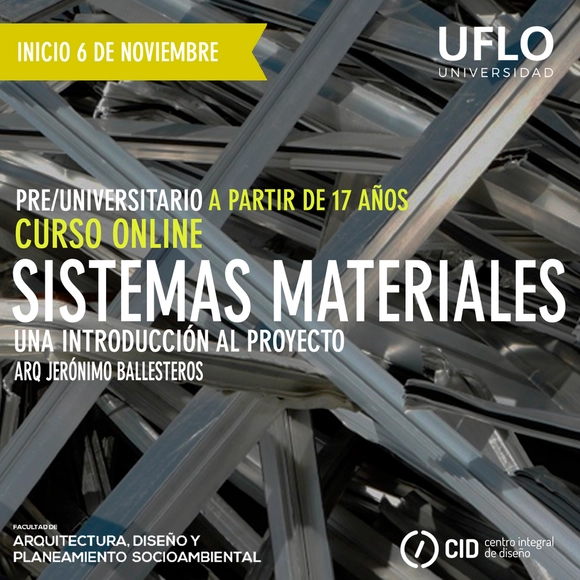
This course aims to introduce prospective architecture students to fundamental concepts in the development of architectural projects, specifically those related to materialization. The goal is to facilitate the mastery of a technical language that will be used throughout their academic and professional careers.
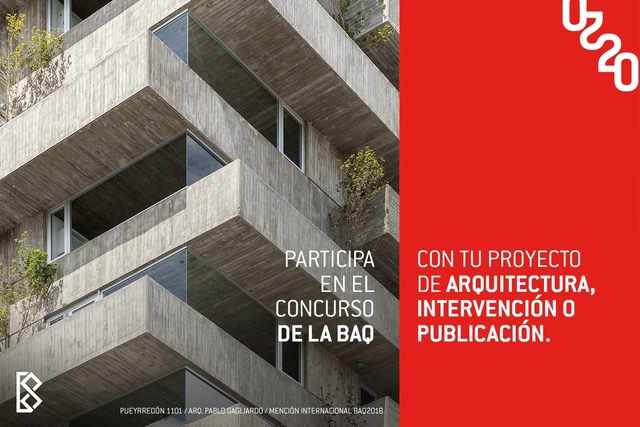
The 2020 Pan American Biennial of Architecture of Quito has opened its call for entries for projects and publications completed in the four years leading up to each edition. Over its twenty-one editions, the Biennial Competition has received more than 7,000 submissions and recognized contributions to the practice of architecture, urbanism, landscape, theory, and architectural dissemination.
The Journal of Traditional Building, Architecture and Urbanism is aimed at individuals and institutions interested in traditional building, architecture, and urbanism. Published articles address the theory and practice of these disciplines. Its objective is to promote the creation of places and buildings that harmonize with local culture and tradition while respecting the environment and its natural resources. Furthermore, it seeks to foster a deeper understanding of traditional construction cultures worldwide, thereby encouraging greater respect for them and contributing to their preservation and continuity.
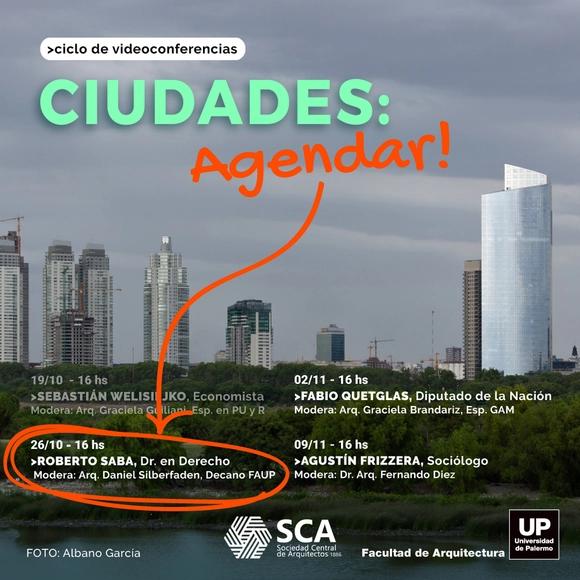
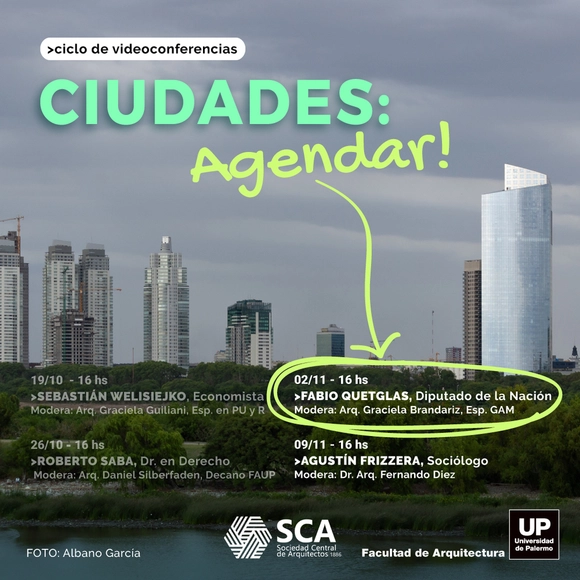
Local policymakers in urban planning must have a better understanding of potential impacts and a more profound reflection to find a solid foundation for acting effectively within their own territory. Co-organized by @sca_socearq and the Faculty of Architecture at @universidaddepalermo, the series features guests from diverse fields of urban culture who are active participants in the ongoing reconstruction of the city.
Organized by Editores de Chile, the event opens this Thursday, August 27, at 7:00 PM, featuring a conversation between Francisca Jiménez and Paulo Slachevsky, as well as a performance by the national band Yorka.
Local urban policy decision-makers must possess a better understanding of expected impacts and engage in deeper reflection to identify the solid foundations needed to act effectively within their own territories. Co-organized by the Sociedad Central de Arquitectos and the University of Palermo’s Faculty of Architecture, the series features guests from diverse fields of urban culture who are active participants in the ongoing reconstruction of the city.
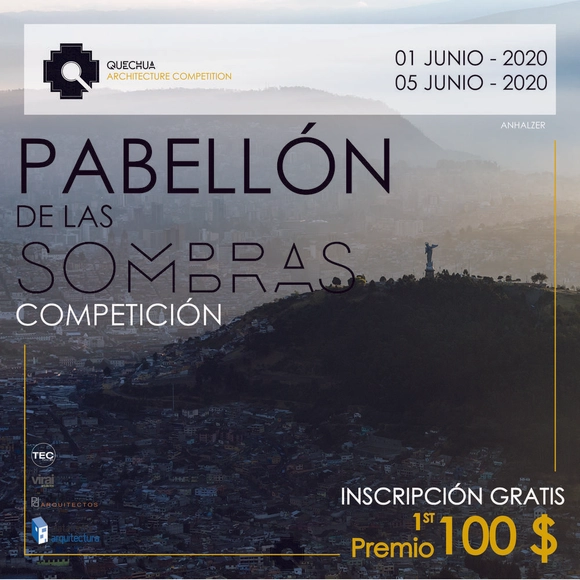
The Quechua Architecture Competition invites all participants to take part in this one-week challenge and develop a project that explores diverse fields of thought and design. The challenge for this edition: "Shadow Pavilion."
In the mid-eighties, the advertising campaigns for the Benetton brand—under the art direction of Oliviero Toscani—provided an iconic image for the coexistence of different races and, in doing so, for the very idea of diversity. In 2000, an image created by Polish designer Piotr Mlodozeniec spelled out the word "CoeXisT," with the "C" replaced by a Muslim crescent, the "X" by the Star of David—a Jewish symbol—and the "T" by the Latin cross representing Christianity. Through these images, the concept of coexistence became associated with tolerance, serving as a counterpoint to both racism and religious fundamentalism.
Given our current reality, CoRe aims to channel the experiences and sentiments of this coronavirus-induced quarantine through literary expression. To that end, the organization is launching:
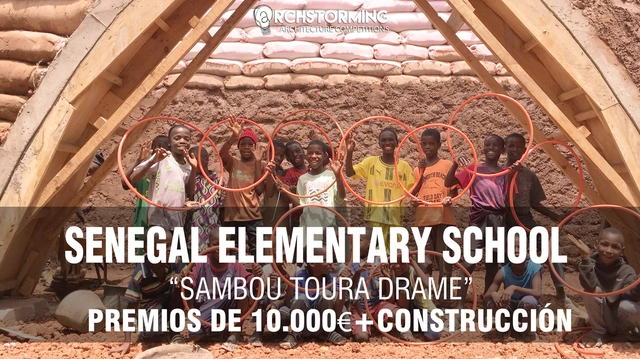
The new Archstorming competition takes us to Senegal, Africa. In some regions of the country, only 50% of school-age children have access to education, and classrooms are often overcrowded with up to 80 students due to a lack of infrastructure.
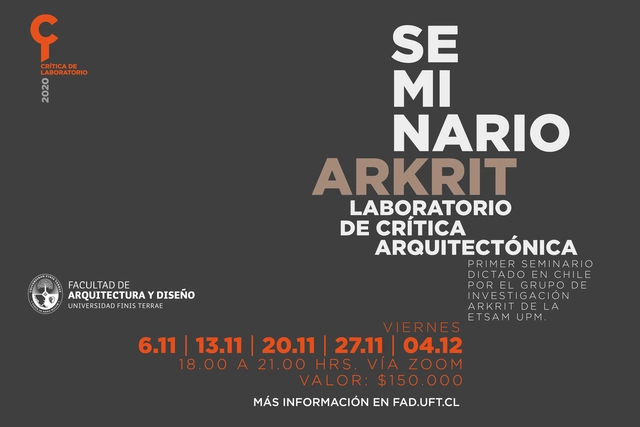
Starting in November, the Faculty of Architecture and Design at Universidad Finis Terrae will host the "Architectural Criticism Laboratory" seminar. The program will be led by the ARKRIT Research Group, established in 2008 at ETSAM, which focuses on developing architectural criticism as a methodological foundation for design. In their work, the critical exercise serves as the primary driver of the design process, to the point where criticism and design can become indistinguishable.
Isolation, viewed from various perspectives and disciplines, is the central theme of the "Isolated Dialogues" series, organized by the Universidad Finis Terrae School of Architecture, which takes place every Wednesday. Participants include artists, architects, designers, musicians, scientists, writers, journalists, and others, both Chilean and international.
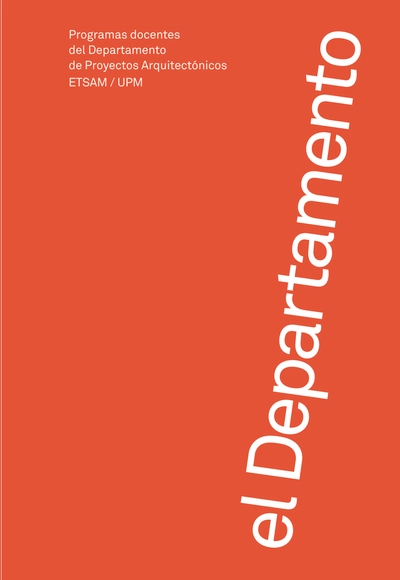
This publication compiles the teaching programs of the various and diverse units within the Department of Architectural Projects at ETSAM, offering an opportunity to analyze and compare the set of pedagogical initiatives that have shaped the teaching of design projects in recent years. It serves as an X-ray of a department that is key to understanding the general approach to teaching at the Madrid School, allowing readers to discern how learning tools have evolved to become more useful, effective, and contemporary.
Join us on Monday, July 13, at 8:00 PM for a talk with Felipe Carrasco, architect at GMMC Australia and Director of the SouthAmerican Masterclass - COMA. Presented by: Nicolas Valencia | Editorial & Data Manager | ArchDaily
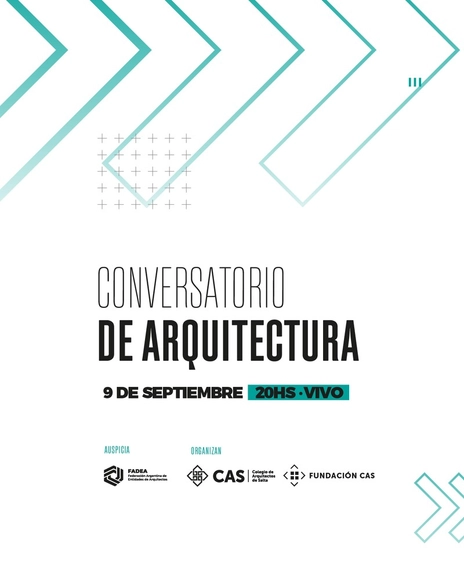
The Salta Architects' Association invites you to participate in an experiential training session: "Architecture Talk I: The Secrets of the Profession."
FOCO is a lecture series organized by the University Commission of the Sociedad Central de Arquitectos every Saturday at 7:00 PM. With over 15 editions to date, the series has featured presentations from more than 65 prominent figures in architecture, design, and related disciplines, concluding each session with a performance by a guest artist.