The mission and aim of the Thinking Hand NGO Talk Series is to empower and educate people, and especially students. Talk series will be on various topics starting from (Questioning Why? How? What?) Architecture, Design, Landscape, Environment, Thesis, Theory, Practice, Sustainability and more.
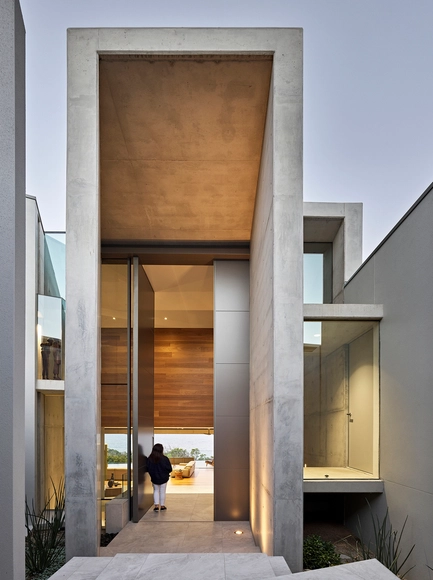
It sounds like a dream — the ability to design whatever comes to mind without worrying about the execution. It seems too good to be true and perhaps, in some cases, it is. There are simply too many rules - spoken and unspoken - that architecture and design have to obey. However, in some situations, you can take back your design freedom by utilizing smart solutions that already exist but may be little-known. This is especially true for the architecture and design of doors.
Image produced by the doCACAU organization. It features a photograph of CarmoCoffees, in Minas Gerais, with the event information.
Promoted by the Student Council of the Architecture and Urbanism program at UFJF (CACAU UFJF), the CACAU Audiovisual Program aims to democratize the teaching of architecture and urbanism for the community. By integrating cultural and social knowledge, the program seeks to share insights beyond the university walls. It features internal initiatives focused on audiovisual production and architectural dialogues, which are published through the Student Council's media channels.
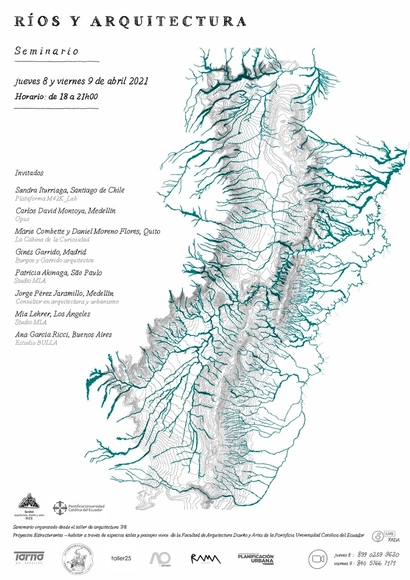
Rivers and Architecture Seminar cover, credits: Marie Combette and Daniel Moreno Flores
The Rivers and Architecture seminar aims to highlight projects, strategies, and research where the river—and the architectural elements that accompany it as part of a living landscape—takes center stage. This event will serve as a forum to discuss rivers as structural elements of our cities and contemporary architecture.
Little is known about the trips Sigurd Lewerentz made to Italy. Among the documents from his estate deposited at the Stockholm Architecture Museum, several boxes contained negatives wrapped in paper that had become brittle with time. These images of Italy barely reveal recognizable locations; instead, they unveil an enigmatic approach to the remains of Antiquity—one focused on details, materials, and textures—that can help us understand the work of the great Swedish architect.
Real-time rendering is the fastest and easiest way to turn building models into immersive 3D experiences. It empowers the creative process by enabling designers to generate, document, and visualize simultaneously from one model.
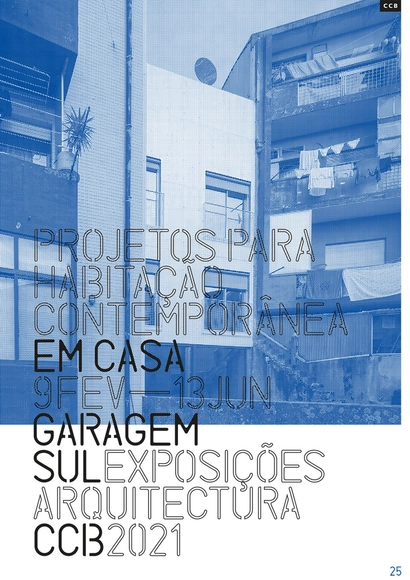
Garagem Sul at Centro Cultural de Belém—the Lisbon gallery dedicated to architecture—will open the exhibition At Home: Projects for Contemporary Housing, on 10 February. Originally presented at the MAXXI, the National Museum of XXI Century Arts collection in Rome, the show is an invitation to reflect on the houses we live in. How do today’s architects design our homes and how have notions of housing changed over the last generation? This exhibition analyses the investigations and answers to these questions through the work of several architects.
What kind of homes do we live in? How do architects design our homes today? How have notions of dwelling changed over the last generation? The exhibition "At Home. Projects for Contemporary Housing" examines investigations and responses to these questions through the work of various architects.
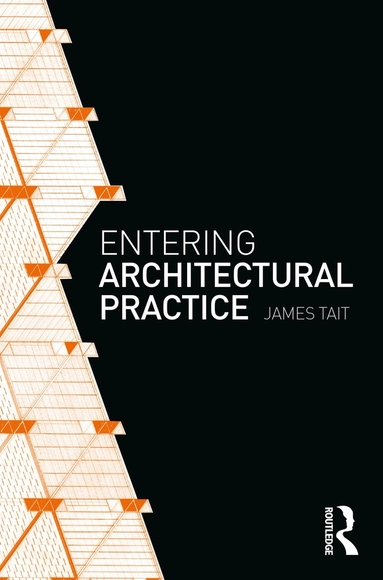
Entering Architectural Practice is a practical and honest guide for architecture students, entering the world of architectural practice. There is often a disconnection between what you are taught in architecture school and the actual practice of architecture in the workplace. As both a practising architect and architecture school tutor, the author has first-hand experience of this disconnection and so helps students bridge this divide between academia and practice.
The Brick Award is an internationally known architectural prize, which pays tribute to modern and innovative brick architecture. The submitted projects show how varied and diverse ceramic products can be when used for walls, façades, roofs, and paving.
We must combat the built environment's contribution to global air pollution. We believe that sustainable buildings and cities are a fundamental part of the solution to reducing the environmental and health impacts of global air pollution. Green buildings and cities are an integral component of global sustainable development, as defined by the Sustainable Development Goals.
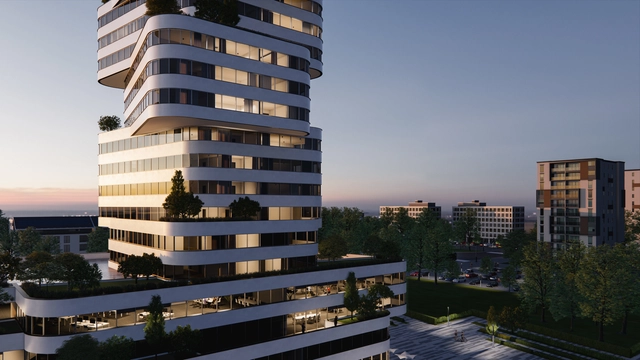
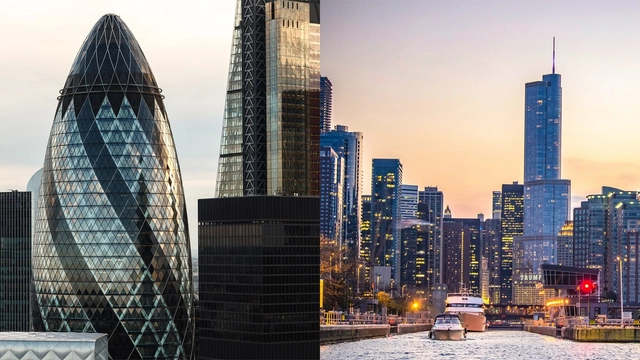
Ever since the world’s first skyscraper was built here in 1885, Chicago has been a city of tall buildings. As its skyline has changed it has inspired other cities around the world to pursue high-rise solutions of their own.
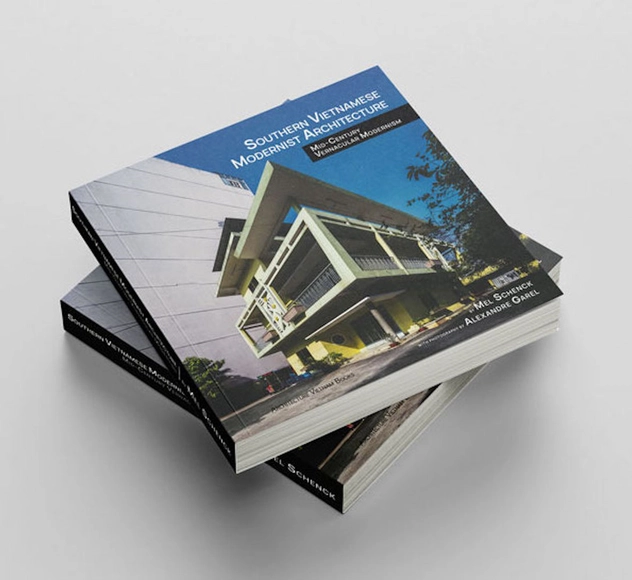
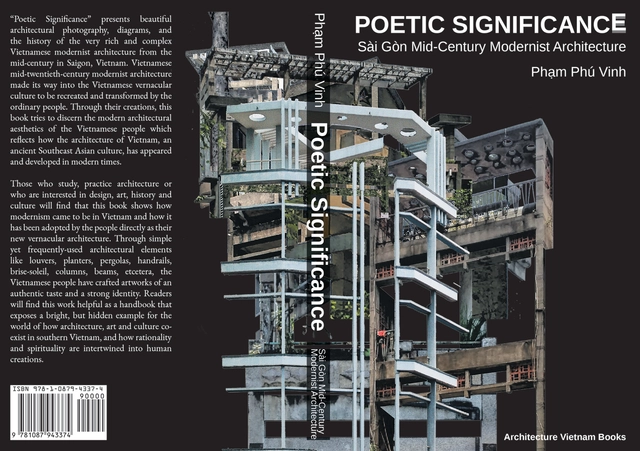
When asked about Vietnamese architectural identity, most people would associate Vietnamese identity with the period before the French colonisation, comprising the traditional architecture of wooden communal houses or imperial palaces. That is widely accepted. But less known, yet more significant, is that this very same identity of Vietnamese authenticity has made its way into modern times, surviving colonialism to thrive again in a new material reality.
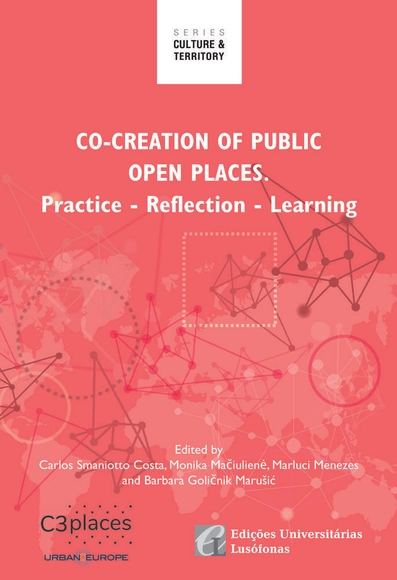
The book is an achievement of Project C3Places - using ICT for Co-Creation of inclusive public Places [linkto www.c3places.eu] and published as volume 4 of the Series Culture & Territory (https://www.ceied.ulusofona.pt/pt/serie-culture-territory) by the Lusófona University Press. In 17 chapters different invited authors share their experiences in actively involving stakeholders in the production of more sustainable public spaces. The book aims to spark discussion on the co-creation for more inclusive, attractive and responsive public open spaces. It intends to help researchers, governments and drivers in understanding and implementing more collaborative actions. The authors share experiences, visions and reflections on how co-creation and participatory processes can open up possibilities for a sustainable and equitable future. This book emphasises three dimensions: practice, reflection, and learning. Practice concerns driving actions, identified and analysed experiences that serve as key models. Reflection refers to exploring and examining the results and performances of a co-creation process. Learning discusses to the knowledge transfer and replication induced by the synergy of the different actors involved in this book.
TAB 2019 Installation Steampunk. Photo: Tõnu Tunnel
The 2022 TAB installation brief operates in parallel to the "Edible" theme of Lydia Kallipoliti, Areti Markopoulou and Ivan Sergejev’s Curatorial exhibition. The installation competition is interested in how the Slow Food movement, a countercultural response to industrialized food production, can serve as an effective departure point for reimagining how and what we build.