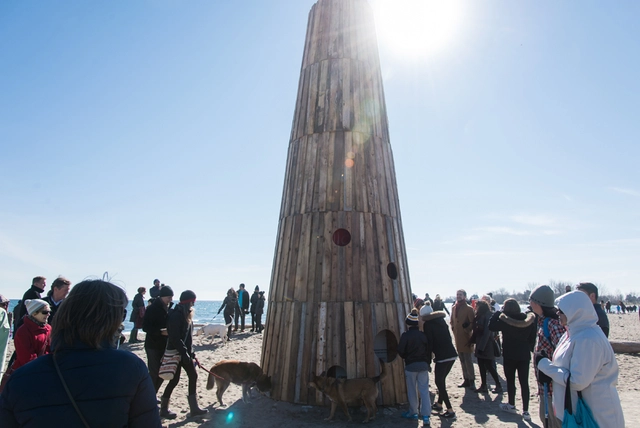
WinterStations is now embarking on its fourth year, again opening up an international design competition to bring temporary public art installations to The Beaches, an exhibition to celebrate Toronto's winter waterfront landscape.


WinterStations is now embarking on its fourth year, again opening up an international design competition to bring temporary public art installations to The Beaches, an exhibition to celebrate Toronto's winter waterfront landscape.
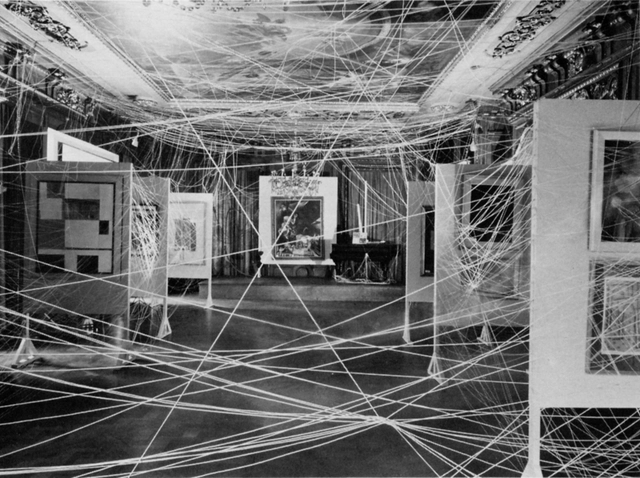
Are.na Grants is a new initiative to support research, writing, and other creative projects that are being developed and built on Are.na. For the first set of grants, we are especially interested in projects that address issues around the shifting nature of “knowledge work,” algorithmic governance, and networked learning, though proposals of all kinds are welcome.

cartasia, the international paper Biennale, is looking for artists and designers from around the world to collaborate and create works of art, sculptures, exhibitions and performances, through the medium of paper and following the theme chosen for the next edition: Chaos and Silence. Cartasia takes place in the beautiful city of Lucca between August and September 2018.

Architecturally Educated invites you to submit content to a new publication. The folly of architecturally education has begun to crumble. Overworked, underpaid and some may argue unnecessary, the profession of architecture has many questions to ask over the next 10 years. We believe these questions should first be posed to Architectural Education. An old decrepit model little changed since 1958, Architectural Education sets students up to fail, teaching very few practical skills which can be implemented in the real world. Instead it wallows in a void, somewhere between artistic representation and narrative’. Any quick google search for the term “Architectural Education” would reveal the state of the system with all top results returning calls for upheaval and overhaul.

Designing Buildings Wiki have joined forces with BSRIA to launch a new competition looking for fresh and innovative ideas in response to the question: How can tomorrow's challenges be met by today's buildings?

Edges, whether defining physical space or conceptual territories, provide a charged zone for interaction. The edge—solid or porous, fixed or fluctuating—formalizes difference and shapes relationships between different groups. The articulation of these zones becomes a political act, bringing conditions to public view, creating allegiances or separations, and generating dissonance through heterogeneity.

EUGIC 2017 Budapest—interactive, dynamic, exciting—urban green infrastructure leaders share nature-based solutions for cities. Global practitioners, local experts, projects from Europe and around the world.

Held during the Venice Biennale, photographers are invited to submit for consideration their work showcasing architecture.
No exhibition fees; application fees apply.

The International Journal of Environmental Science & Sustainable Development (ESSD) is calling for papers for its third issue titled Environmental Sustainability: Methods for Green Energy Management.

The aim of the “Eating” competition is to develop a design proposal for the restaurant typology, intended as a place of preparation and consumption of food. It is asked to the participants to create innovative and unconventional projects on this theme, questioning the very basis of the notion of the restaurant.

Chicago—The School of the Art Institute of Chicago (SAIC) and the University of Chicago jointly announced today their selection by the U.S. Department of State to serve as co-commissioners of the United States Pavilion at the 2018 Venice Architecture Biennale. As co-commissioners, the two institutions will organize Dimensions of Citizenship, the exhibition they proposed as the official United States contribution to the 16th International Architecture Exhibition, on view from May 26 through November 25, 2018.

Focusing on excellence in classical and new traditional design, the Institute of Classical Architecture & Art’s (ICAA) Stanford White Awards recognize achievement in architecture, interiors, landscape, urbanism, and building craftsmanship & artisanship throughout New York, New Jersey, and Fairfield County, Connecticut. The awards program is named for Stanford White (1853-1906), of the distinguished New York firm McKim, Mead & White, whose legacy of design excellence and creativity in architecture and the related arts continues to serve as a source of inspiration and delight.

The exhibition presents around 50 drawings which can be grouped into three categories: the Tallinn School, Paper Architecture from Moscow and that from Novosibirsk. It includes works by renowned artists such as Leonhard Lapin, Yuri Avvakumov, Alexander Brodsky and other architects.
Although the artists belong to different architectural groups and come from three diverse cities, they were united by the impulse to break out of the routine of late Soviet planning bureaus, dare something new, develop bold projects and confront the issues of environmental change, authority and technology.
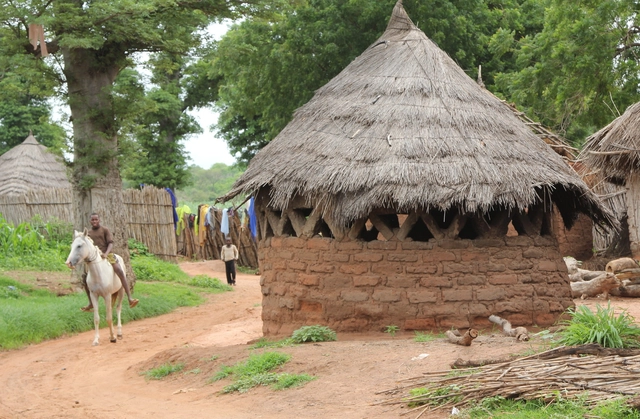
Durham University and University College London are pleased to announce the establishment of a new multi-disciplinary research network called the BOVA (Building out vector-borne diseases in sub-Saharan Africa) Network. The Network, funded by the Global Challenges Research Fund aims to bring together researchers and practitioners working in the fields of the built environment and insect-borne diseases such as malaria and dengue.
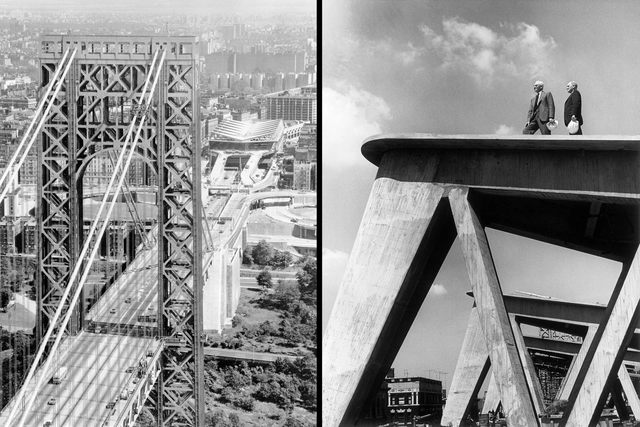
During the month of October, a host of events will take place throughout the five boroughs of New York City as part of the month-long architecture and design festival, Archtober. The well-known Building of the Day series of walking tours continues with highlights including the Sea Glass Carousel, Freshkills Park, and the George Washington Bridge Bust Station.

The Arte Laguna Prize is an international art competition aimed at promoting and enhancing contemporary art. The contest stands out in the global art scene for the variety of its partnerships and opportunities offered to artists and designers, and is recognized worldwide as a real springboard for the artists’ career.
INHABITING NATURE
"The idea of using development as an engine to protect open space, strengthen communities, reduce auto-mobile use and even restore damaged ecosystems is an exciting one.... It will require a paradigm shift to move society 'from thinking the best it can do is to minimize negative impact, toward a view in which development is seen as both contributing to the growth of healthy human communities while simultaneously restoring (not merely sustaining) the natural environment. '"
- Alex Wilson, Green Development, 1998
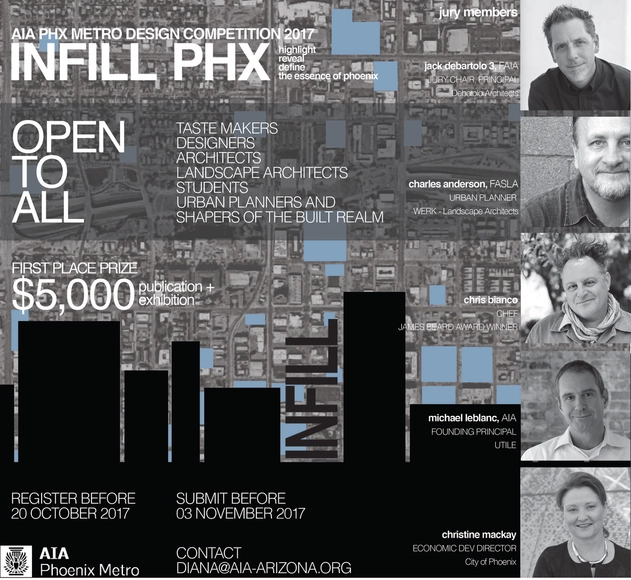
INTRODUCTION
Phoenix, the fifth largest city in the United States by population and area, is very much a function of the 20th century technologies that enabled its rapid post WWII growth and inhabitation of an arid desert environment. While frequently cited for seemingly endless suburban sprawl, the metro area is in a state of transformation and is beginning to densify in line with other emergent urban centers. For decades, vacant land has made up a sizable portion of Phoenix’s land mass — up to 43 percent in the year 2000, according to a study by the Washington, D.C.-based Brookings Institution Center on Urban and Metropolitan Policy. This is especially true of the Phoenix downtown area, a location which has enjoyed positive, if not game-changing, developments over the past decade including light rail, a new university campus, thousands of new housing units, and an increasingly attractive business environment. The area also features a celebrated and long-standing arts and culture core with an emerging live music scene.