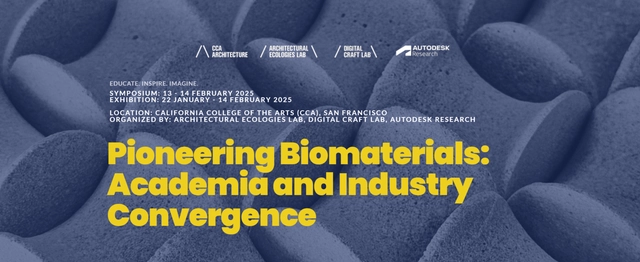
Pioneering Biomaterials Symposium & Exhibition 2025
Pioneering Biomaterials Symposium & Exhibition 2025
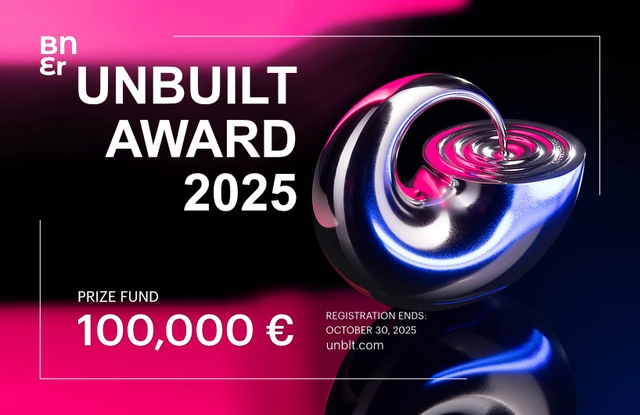
Unbuilt projects hold untapped potential. They tell stories of creativity, vision, and exploration. The Unbuilt Award 2025 shines a spotlight on these extraordinary designs, creating a platform for ideas that redefine boundaries.
With categories for small, medium, and large-scale projects, this competition ensures every vision receives the attention it deserves. No qualifications are required—this open call is for everyone, everywhere.

In today's world of architecture and design, it's no longer enough to present clients with blueprints or plans — they want to visualize the final product before construction begins. This is where 3D visualization studios come into play. By offering photo-realistic renderings, virtual tours, and interactive configurators, these studios make it easier for architects to communicate their ideas and leave a lasting impression on their clients. With the help of these cutting-edge tools, architects can create stunning presentations that truly deliver the "wow" effect at every stage of the project. Here's how DEGO render studio deliver with their unique solutions.

The results are in, and FritsJurgens are excited to announce the winners of the Best Pivot Door Contest 2024. This year brought forth an exceptional selection of pivot doors, each representing cutting-edge innovation, sophisticated design, and meticulous craftsmanship from across the globe.
FritsJurgens' esteemed jury, composed of last year's winners, conducted a thorough evaluation to determine the best entries in each of the three categories: Best Exterior Pivot Door, Best Interior Pivot Door, and Best Specialty Application.

The Daxi Wood Art Ecomuseum (hereafter referred to as the Ecomuseum)is pleased to announce the opening of submissions for the 2nd Daxi International Wood Furniture Craft and Design Competition. Entries are welcome from now until February 3, 2025. The competition calls on creators worldwide to reimagine the potential of wooden furniture design through the lens of “storage.” This theme highlights the harmonious blend of traditional woodworking craftsmanship and contemporary design innovation, celebrating the distinctive aesthetics and functionality of wooden furniture. Designers from around the globe are warmly invited to engage in this dynamic and creative journey.

Future Plastic Design Award
We are seeking creative and original concepts for furniture elements that blend functionality with contemporary design. These products should be manufactured using injection molding with a single mold, ensuring an optimized production process and reduced unit costs. The products will be sold disassembled to minimize packaging dimensions and should be designed for quick and intuitive assembly, allowing users to easily put them together.
You are invited to propose a single piece of furniture or, if preferred, a collection of furniture elements designed for home use in both indoor and outdoor contexts.
The product categories include:
1) Furniture (chairs, tables, shelves, etc.)
2) Objects/accessories (for desk, kitchen, bathroom, etc.)
Unleash your creativity and present ideas for a collection that embodies innovation, functionality, and exceptional design quality.
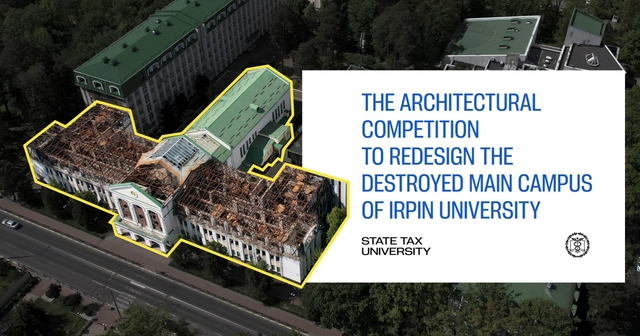
State Tax University of Ukraine and its partners announce an Open Competition for the best architectural solution for the design of the Main Campus building of the University in Irpin (Kyiv suburb), which was almost completely destroyed in the first days of the Russian-Ukrainian war in 2022.
The first comprehensive monograph on the cross-disciplinary practice including over 100 built and ephemeral works
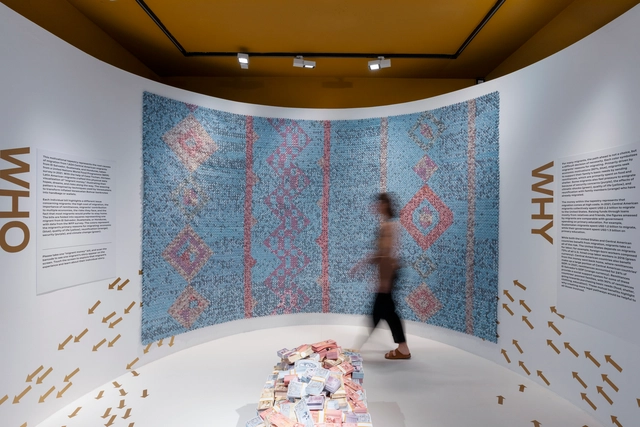
The European Cultural Centre (ECC) has unveiled the forthcoming chapter of its acclaimed Time Space Existence exhibition. Marking its seventh edition, this celebrated biennial architecture will once again transform Venice into a global hub of architectural innovation. From 10 May to 23 November, 2025, the iconic venues of Palazzo Bembo, Palazzo Mora, and Marinaressa Gardens will serve as vibrant stages for a kaleidoscope of ideas and visions redefining the built environment community.

A stunning portfolio of work by Japan’s leading contemporary architect, showcasing exquisite photography of 28 extraordinary projects selected by Ando

In today's rapidly changing professional landscape, the office is no longer a static environment. As companies continue to embrace hybrid working models and flexible teams, the need for adaptable, people-centric workspaces has never been greater. In collaboration with Foster + Partners Industrial Design, UniFor has responded to this shift with the XYZ collection, a suite of modular, versatile furniture designed to meet the dynamic needs of contemporary workplaces.
The collection features three key products: the X Shelving System, the Y Table, and the Z Desk—each designed to support a range of working styles while maintaining a harmonious visual language.

An homage to the design pioneers who defined the Mid-Century aesthetic through their work in furniture, glassware, ceramics and textiles

Discover 25 of the most recognizable design styles through 150 residential interiors from the world’s leading designers
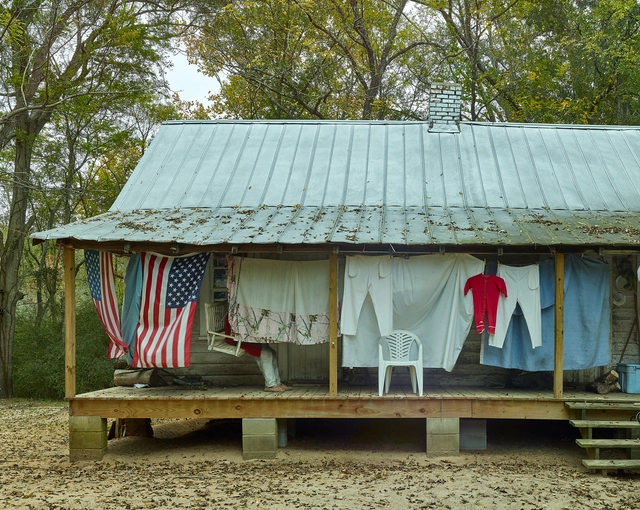
The Fay Jones School of Architecture and Design at the University of Arkansas, in partnership with DesignConnects and Crystal Bridges Museum of American Art, invites architects, designers, artists and creatives from across the United States and its territories to submit exhibit design proposals for PORCH: An Architecture of Generosity, the U.S. Pavilion exhibition at the 19th International Architecture Exhibition of La Biennale di Venezia.
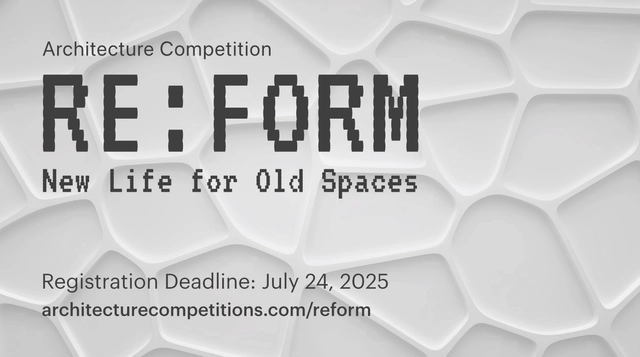
Choose a site—used, abandoned, or forgotten—anywhere in the world, and give it a new purpose!

Concéntrico, in its aim to initiate new formats that respond to urban transformations, presents three calls Objects in the city, Third landscape and Picnic in the vineyard to participate in the festival in Logroño. The new edition will be held from 19 to 24 June 2025.

Overview
As climate change policies become stricter and resource conservation becomes essential, architects and designers play a key role in shaping a sustainable future. Every building has the potential to either contribute to or mitigate climate change. To truly build 'green,' architects must embrace innovative approaches to water conservation, energy efficiency, and carbon sequestration.
The city center of Peja, Kosovo, hosts a historically significant site that has long been a focal point for community gatherings and social interactions. Rich in cultural and recreational elements, this central location, originally designed for leisure and relaxation, has been an integral part of the urban landscape. One of its most notable features is an ancient water source dating back to the 15th century, which remains under the protection of the Ministry of Culture of Kosovo. Despite its historical and cultural importance, the site has been neglected for years, falling into disrepair and disuse. This Peja Culture Pavilion competition, aims to revitalize this area, transforming it into a vibrant public hotspot.