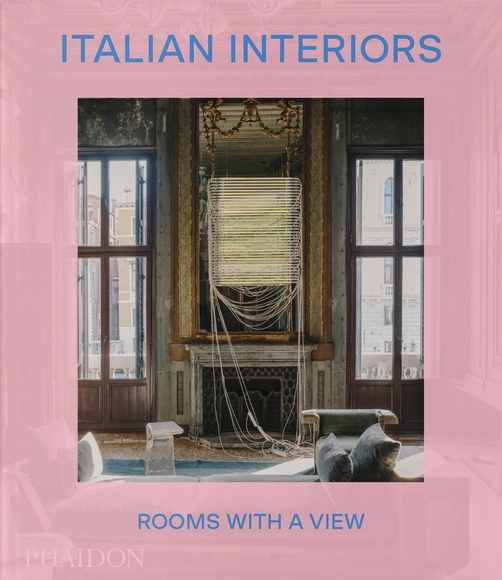
How have the events of recent years impacted Brazilian visual arts? This is the focus of the "Brasil Visual" series, directed by Rosa Melo, which premieres on June 25, 2024, at 8:30 PM on the Curta! channel. The preview will take place this Saturday, June 22, starting at 5:00 PM at Praça Luís de Camões (Praça do Russel) in Glória. The free, public event will feature the screening of three episodes, a conversation with some of the series' participants, guest DJs, and a pocket show by artist Cabelo. Starting from the visual arts, the series addresses themes that have impacted society as a whole, such as the COVID-19 pandemic, the demonstrations that swept the country, and artificial intelligence, while also exploring spirituality and the duality between the worlds of the living and the dead, among others.
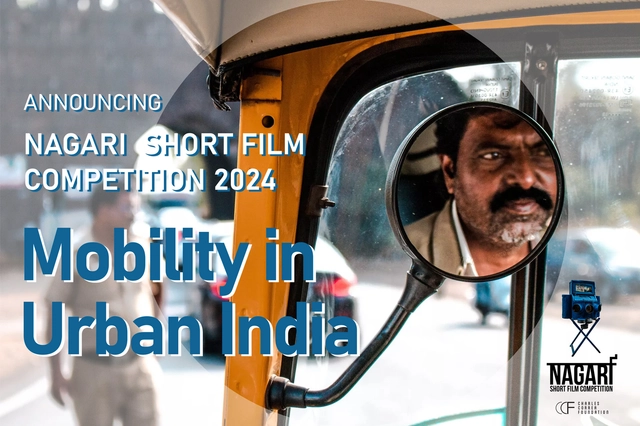
Open call for Nagari Short Film Competition 2024 - Mobility in Urban India
The Nagari Film Competition is an annual competition designed to guide and develop films that focus on urban issues, specific to Indian cities. Nagari intends to be a bioscope for the city, and through this lens we explore diverse conditions and engage with urban issues.
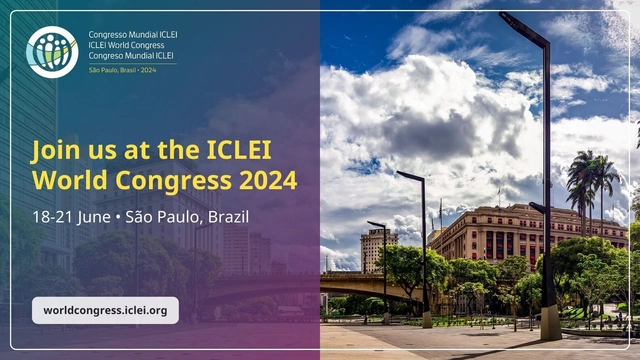
The ICLEI World Congress 2024, hosted by the City of São Paulo, Brazil, is a pivotal gathering focused on advancing sustainable urban development and equitable adaptation to local and regional challenges. Running from 18 – 21 June, this year’s Congress is a journey of reflection and forward-looking vision, emphasizing the critical challenges and opportunities facing cities, towns, and regions due to rising global risks and changes.
Waste is a key topic in the discussions regarding climate change, and the familiar call to reduce, reuse, and recycle continues to be a valid imperative that applies to everyone, and on whatever scale. Still, some industries need to pay special attention to the materials used, and construction is certainly one of them. With construction and demolition waste (CDW) accounting for approximately 25% - 30% of all waste generated in the EU, it is a challenging area that is in desperate need of reinvention, when it comes to materials. As one part of a holistic approach, EPDM (Ethylene-Propylene-Diene Terpolymer) membranes such as Elevate’s RubberGard EPDM can help significantly reduce the environmental impact of buildings. Here’s why.
Radicepura Garden Festival - Chaos (and) order in the garden
Radicepura Garden Festival announces the Call for Ideas to participate at the fifth edition of the Biennale dedicated to garden design, which will have the topic
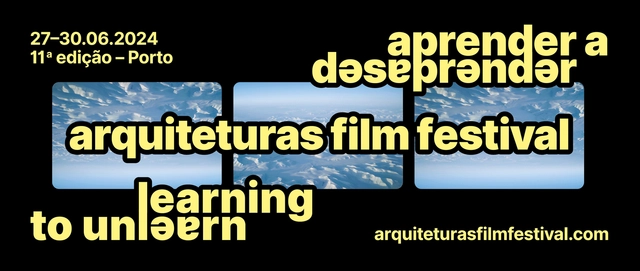
The 11th edition of the Arquiteturas Film Festival: Learning to Unlearn
Architecture welcomes cultures and people from all walks of life. However, it does not always address pressing issues such as social justice, the ecological crisis, and decolonization, often at the expense of a dominant Western paradigm in education and professional practice. The Arquiteturas Film Festival 2024 seeks to challenge this hegemony by reflecting on the discourses embedded in the discipline.
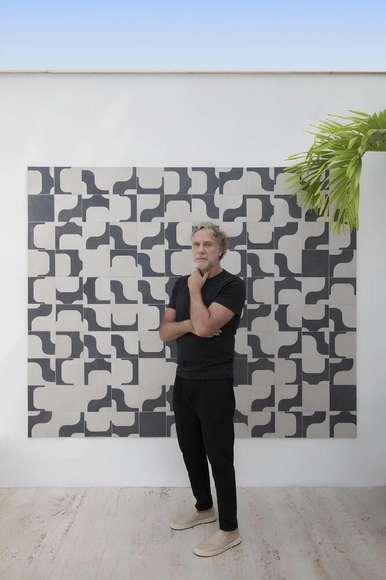
Oskar Metsavaht co-creates with the brand the upgrade of the Janeiro Kit, in the new 160 x 160 format, expanding the design inspired by the stones of the Ipanema boardwalk. Photo: Courtesy.
The Portobello Group is hosting another edition of its Sustainability Week from June 17 to 22, an initiative aimed at mobilizing the public and showcasing the company's actions related to the topic.
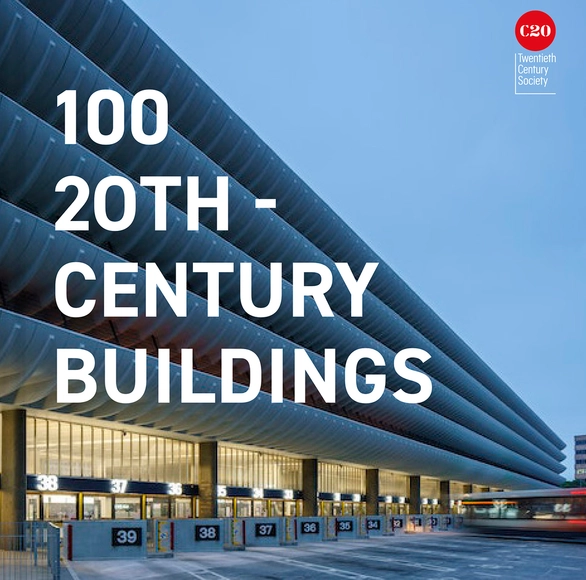
A stylish celebration of some of the greatest buildings in Britain, from the 20th century and beyond, by the country’s leading organisation for the protection of 20th century architecture.
WASA World Architecture Student Award 2024 Competition
[Overview] The WASA World Architecture Student Award is one of the world's largest architecture student competitions, held mainly in Japan, China, the United States, and Europe. It is a competition that measures the diverse abilities of architecture students by allowing them to submit works such as design assignments, competitions, and graduation projects that they have created in the past. As a global architectural design competition, applications are received from all over the world, and all applicants can accurately grasp their own abilities by receiving objective evaluation "feedback". In addition, the winning works will be disseminated to the world in multiple languages, providing an opportunity for participants' works to attract international attention. 100 types of award certificates are available, and awards are given with respect to individuality, giving more participants new insights and encouragement. With a high degree of freedom in submission format and theme, participants can maximize their creativity. * Languages used: 5 languages: English, Japanese, Chinese, German, and Hindi. *Participation fee: Free For more information, please visit the official website of the competition↓ https://www.zenkokukenkomi.com/wasa2024%E3%83%BCenglish
It's difficult to fathom what constitutes appropriate sustainable urbanisation policy amidst persistent systemic inequalities, decaying institutional bodies, and hollow political discourse. In Melbourne School of Design’s third Dean's Lecture of the year, founding director of African Centre for Cities at the University of Cape Town Professor Edgar Pieterse will explore how to create working and sustainable urban policy in the Global South. In rethinking urban policy, Edgar looks to Africa where emerging urban sustainability experiments are moving communities towards a more just and culturally welcoming environment.
Courtesy of Vienna Architecture Summer School 2024.
The Vienna Architecture Summer School (VAS²) aims to provide an open learning space and prototypical infrastructure for the exchange and negotiation of knowledges in architecture, reaching beyond dominating institutions and mainstream discourses. VAS² invites local and international participants to exchange with young architects and established experts all practicing in Vienna and beyond.
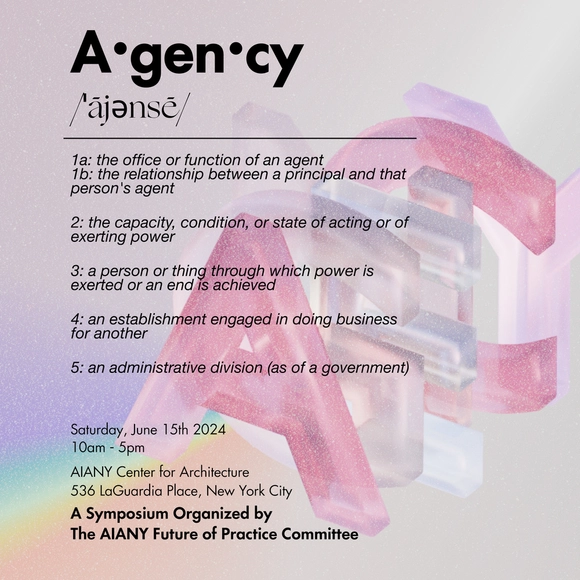
AGENCY: The Power of Architects Inside, Beside, and Beyond Practice
AGENCY (noun) is defined as: 1a: the office or function of an agent 1b: the relationship between a principal and that person's agent 2: the capacity, condition, or state of acting or of exerting power 3: a person or thing through which power is exerted or an end is achieved 4: an establishment engaged in doing business for another 5: an administrative division (as of a government)
SUPSI and MC2.0 present the contest “Solar Design for Public Co-working Spaces”. This contest highlights the crucial interplay between solar energy and buildings in creating multifunctional solar architectures to redefine the use of solar energy as a building and design material. For the contest “Solar Design for Public Coworking Spaces”, participants are asked to design a temporary co-working space in which a flexible and lightweight photovoltaic film is integrated into one or more technological systems such as shading systems, facades, roofs, street furnishing elements, etc. This space, accommodating approximately 10 workers, should encompass essential co-working amenities such as desks, chairs, electrical outlets, and a small outdoor workspace. The jury will be looking for designs that study how the photovoltaic elements are integrated into the built environment and used as a construction materials and how the technology can influence and shape architectural decisions. Participants may select any urban environment for their “Solar Design for Public Co-working Spaces” and propose a design solution for the fully functional building. Winning proposal, 3 special awards. The MC2.0 consortium will award a maximum of 3’000 € in in-kind services to competition winners.
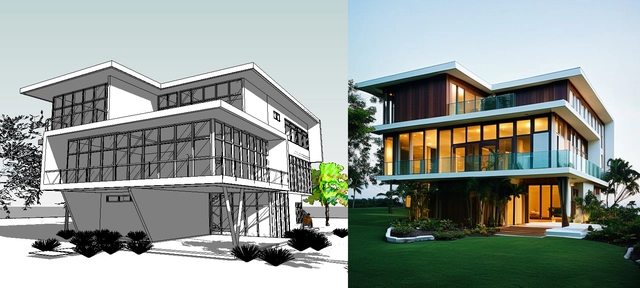
Projeto desenvolvido por Revit. Imagem gerada por IA: VERAS. Image Cortesia de ZIGURAT
In the field of architecture, there is growing client interest in integrated solutions that offer comprehensive support across all stages of a project, simplifying and optimizing each phase of the construction lifecycle to deliver greater efficiency and precision. This spans stages such as budgeting, construction planning and management, resource and procurement management, materials purchasing, and ultimately, real estate sales.