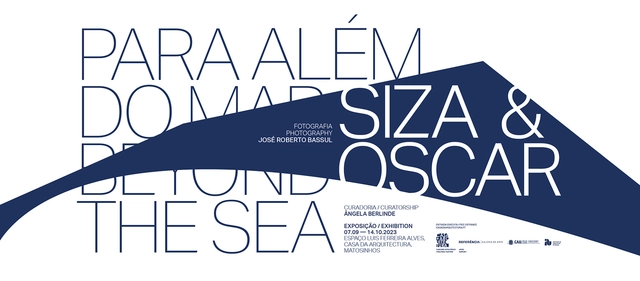
Siza and Oscar: Beyond the Sea, a photography exhibition by José Roberto Bassul opening on September 7 at the Espaço Ferreira Alves, at the Casa da Arquitectura, consists of an abstract visual dialogue between the architecture of Siza Vieira in Brazil and that of Oscar Niemeyer in Portugal. Curated by Ângela Berlinde, the exhibition comprises 28 images that pay photographic homage to two icons of modernist architecture.
On this side, the Pestana Casino Park Hotel on the island of Madeira, the only work in Portugal by the Brazilian Oscar Niemeyer. On the other side, the Iberê Camargo Foundation building in Porto Alegre, Brazil, also the only work by the Portuguese architect Álvaro Siza Vieira.
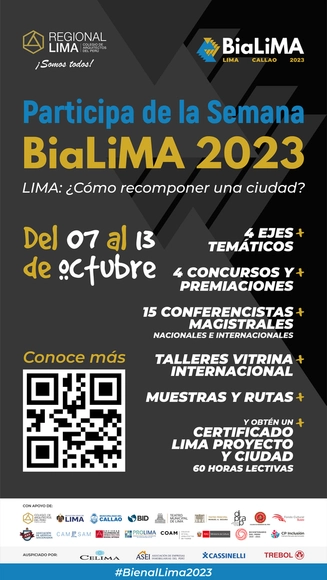
The second edition of the International Architecture and Urbanism Biennial returns as an in-person event, taking place in the historic centers of Lima and Callao.
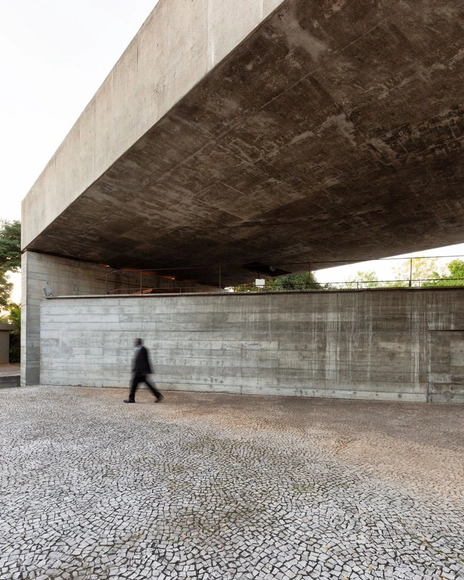
Architectural and urban photography has existed for nearly 200 years. Since 1826, the impact, debate, and relevance surrounding the subject have only increased, as a truly relevant photograph, after all, raises more questions than it answers.
Affective Ecologies is an independent learning environment for observing and experiencing the affective realities that drive us in relation to design and contemporary ecology.
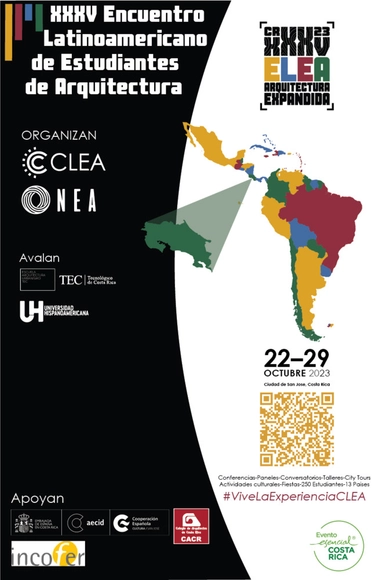
The Latin American Meeting of Architecture Students (ELEA) has served, across thirty-three in-person and one virtual edition, as an annual space to bring together hundreds of architecture students and young professionals from across Latin America. It provides a platform for different generations to exchange experiences and knowledge, and to build networks through exhibition, dialogue, and action within the field of architecture—and even in areas not commonly recognized as part of the discipline.
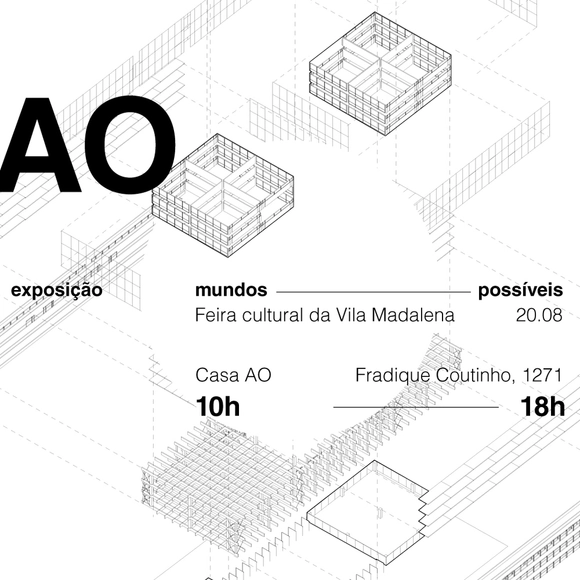
Casa AO open | “Possible Worlds” exhibition | Image: AO
ARCHITECTS OFFICE is opening its doors for the Vila Madalena Art Fair on August 20, inviting the public to explore the work and behind-the-scenes of the architecture, urbanism, and interior design agency. Attendees can also visit the “Possible Worlds” exhibition, which features projects that inspire the imagination of desirable futures for living, presenting sustainability research that ranges from ecology to sociology.
Feeding ourselves requires a colossal effort that has a greater impact than anything else we do. Observing the world through the lens of food can help us understand the interrelation between a host of factors that shape the city and influence our lives: large-scale infrastructure dedicated to mobility and transport, energy, climate change, health and the obesity epidemic, the power of major production, distribution, and retail multinationals, urbanization...
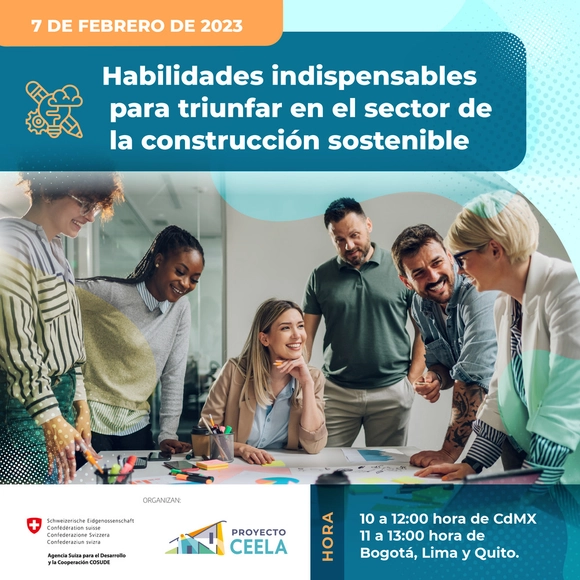
As part of the gender focus component of the CEELA Project, in collaboration with the Network of Women in Renewable Energy and Energy Efficiency (REDMEREE - Mexico), we invite you to the third webinar in the series "Making the Role of Women in Sustainable Construction Visible" – Essential Skills for Success in the Sustainable Construction Sector.
In its seventh edition, the "Italian Design Day"—an initiative promoted by the Italian Ministry of Foreign Affairs through its global diplomatic-cultural network—will be celebrated in Rio de Janeiro with a series of events organized by the Italian Cultural Institute, in partnership with the Consulate of Italy, the Triennale di Milano Foundation, PUC-Rio, and the Istituto Europeo di Design (IED).
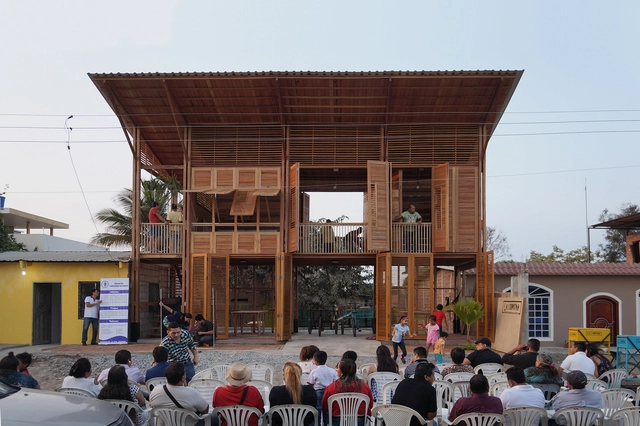
Natura Futura Arquitectura + Frontera Sur Arquitectura
The Centro Cultural La Moneda invites you to explore Free Access: Contemporary Public Space in Latin America, an exhibition that examines the relationships between architecture, public space, and the city in Latin America through the presentation of various modern and contemporary projects.
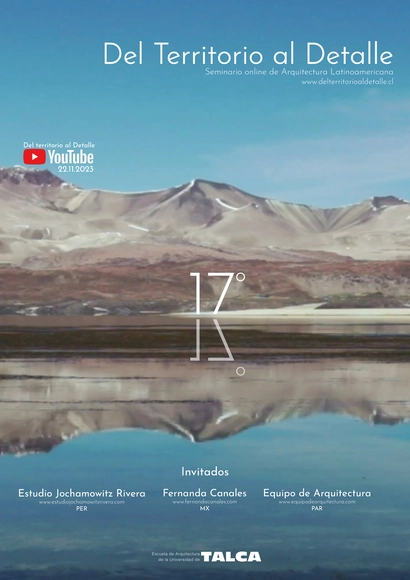
The 17th edition of the "From Territory to Detail" International Architecture Seminar serves as a space for dialogue and reflection, bringing together students, academics, and professionals alongside renowned Latin American architects. These architects share a common trait: they balance teaching with professional practice across various fields, ranging from editorial work to artistic experimentation.
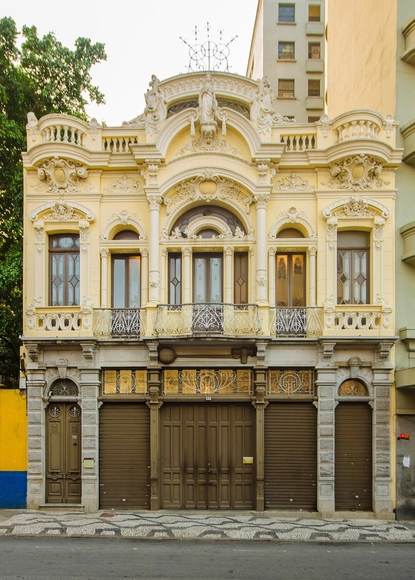
Facade of the Casa da Boia in the historic center of São Paulo
Preserving the past through the recovery and appreciation of history, and promoting access to culture. Guided by these pillars, Casa da Boia—one of São Paulo’s most traditional commercial establishments, which recently celebrated its 125th anniversary—has scheduled a series of activities throughout the year, including workshops, musical performances, guided tours, and an exhibition.
Event marks the launch activities for the book 'Vou a pé' [I Go on Foot] by Bianca Antunes. Promotional photo.
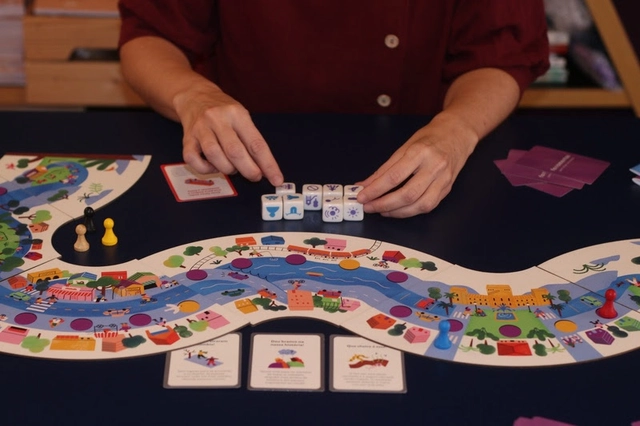
The relationship between cities and childhood will be in the spotlight at the end of August at Casa Tegra. On the 30th, starting at 7:30 PM, Tegra Incorporadora’s experience space in the city's south zone will host journalist Bianca Antunes and architect and urban planner Beatriz Martinez for a free talk on how to introduce architecture and urbanism concepts to children through reading and play.
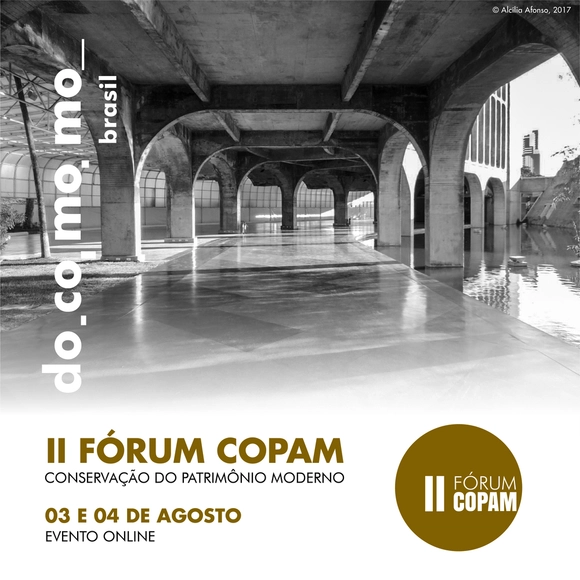
Federation of Industries of the State of Paraíba/FIEP Building. Photo: Alcília Afonso
The 2nd COPAM DOCOMOMO BR/Forum for the Conservation of Modern Heritage continues one of the initiatives of our Docomomo Brazil administration (SOMA MANAGEMENT 2022-2023), which aims to discuss and highlight paths for the conservation of modern assets, focusing on the themes of safeguarding, rehabilitating, and conserving 20th-century heritage.
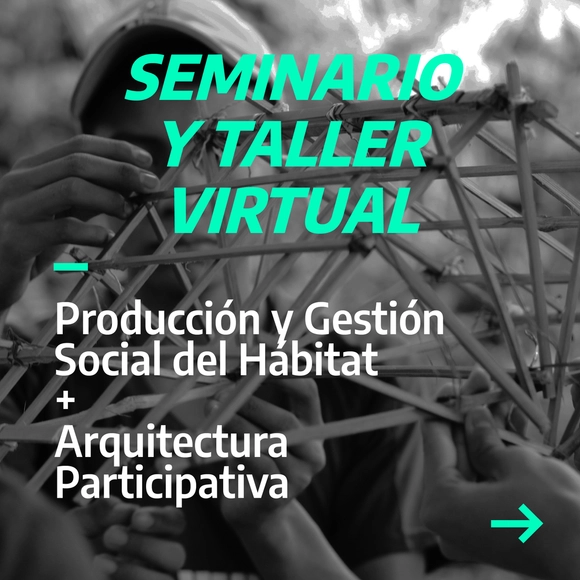
At Comunal, we believe it is essential to engage in dialogue, exchange ideas, and reflect critically on how we produce our habitat, while recognizing participation as a collective right and an ethical-political stance.
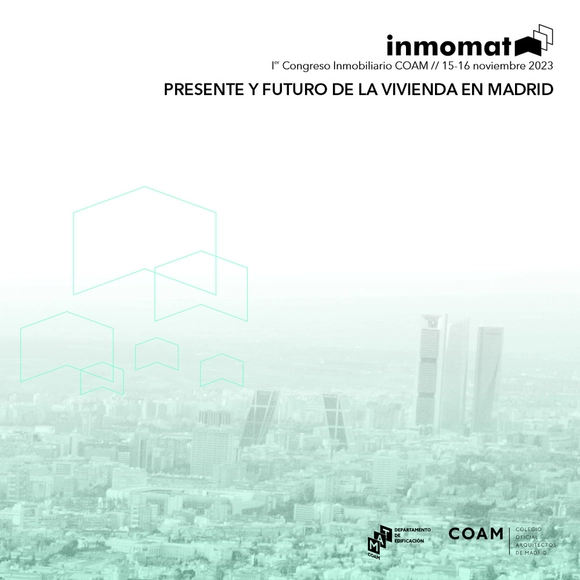
The Official College of Architects of Madrid (COAM), through its MATCOAM Building Department, is organizing the INMOMAT Real Estate Congress. The event aims to become an essential gathering for the real estate industry, offering an immersive experience with key agents of change to revalue architecture and urban planning as tools for transforming the real estate sector.