UDL Thesis Publication 2025 – Global Thesis Seminar


In architecture, the effect of color is rarely neutral. It has the power to calm or energize, to expand or compress space, to unify or divide. Far from solely being a decorative layer, color is a tool that architects, interior designers, and designers use to structure atmosphere and perception. Alongside light, material, and proportion, it is one of the most precise instruments available for guiding spatial experience. When treated deliberately, it becomes a system — one that allows designers to articulate relationships between spaces, establish moods, and create continuity across various scales.
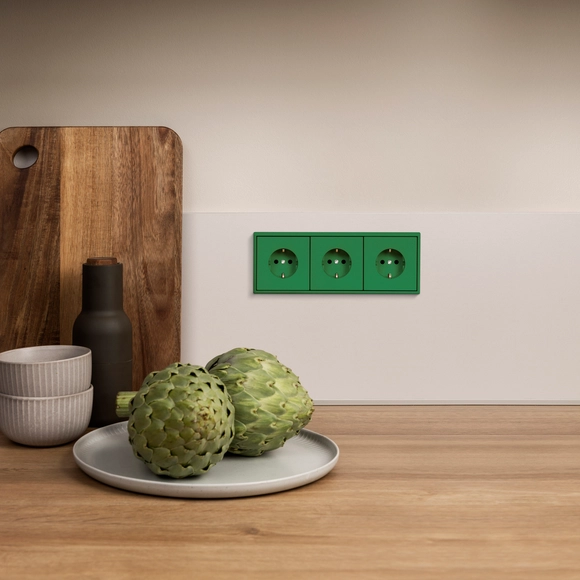
Color is not limited to paint. Surfaces, materials, finishes, and technical elements all carry chromatic weight. Yet in practice, color often remains uneven across the finest details — switches, sockets, intercoms — frequently appearing as neutral interruptions. This gap highlights a broader question: if color is to be considered a true architectural tool, should it not extend to every detail, no matter how small? Addressing this, German manufacturer JUNG has extended Le Corbusier's Polychromie Architecturale to electrical installations, allowing essential building components to speak the same language as the surrounding architecture.
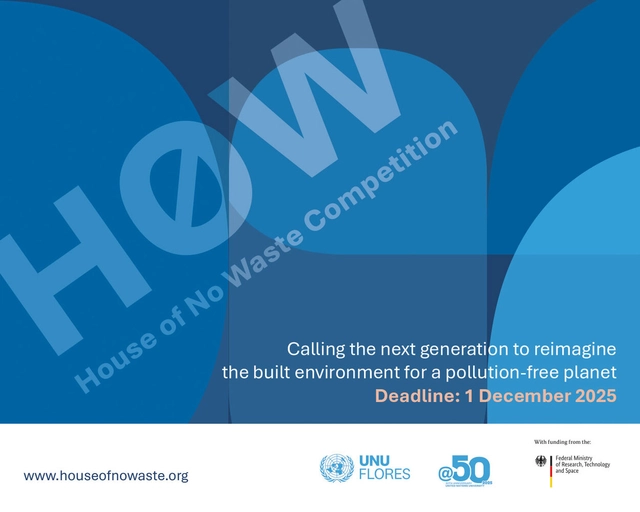
The House of No Waste Competition (HØW) calls upon aspiring young architects, landscape architects, building and structural engineers, planners, builders, material and environmental scientists, product designers, and built environment professionals to engage in a global competition that tackles pressing issues of the circular economy and waste management in the built environment. The competition is organised by the United Nations University-FLORES, to mark the 50th anniversary of the UNU. Its Institute for Integrated Management of Material Fluxes and Resources (UNU-FLORES) is marking the anniversary with the launch of the HØW initiative, of which the competition is a central element.
The competition