Registration is now open for the 26th Awards of the Institute of Architects of Brazil – São Paulo Department
Registration is now open for the 26th Awards of the Institute of Architects of Brazil – São Paulo Department
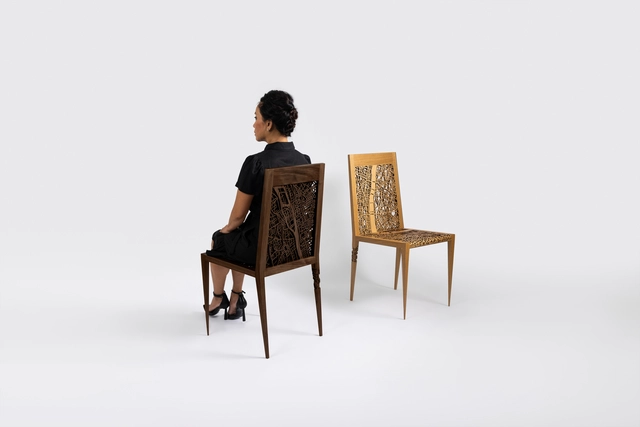
Buildner is pleased to announce the results of its second annual Architect's Chair Competition, which received excellent ideas from around the globe. As this competition series gains traction and interest, Buildner is excited to announce the launch of the Architect's Chair Edition 3 competition with a registration deadline of January 15, 2025. Buildner has also published its first book on the topic, highlighting key ideas and outstanding projects past editions.
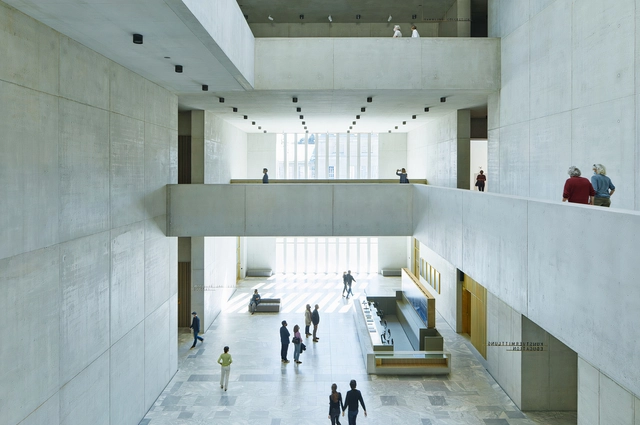
By now, most people in the construction industry know that addressing the carbon emissions that come from the built environment is key to solving the climate challenge. Yet, knowing where to start can be a challenge for many professionals. That's why education and upskilling across the value chain—from architects to urban planners, and real estate developers to engineers—are essential to fostering sustainable construction practices.
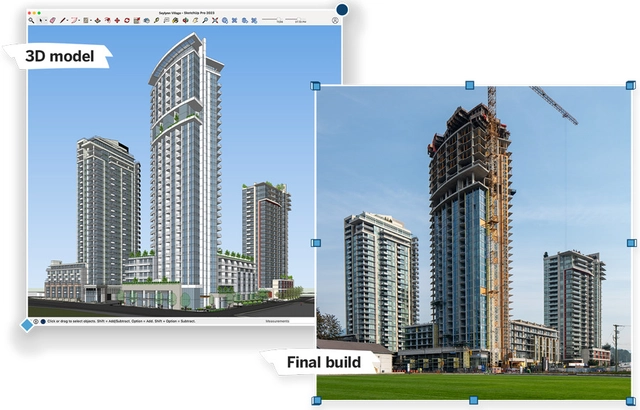
With a longstanding dedication to empowering designers and beautifully bringing their ideas to life, SketchUp software offers an intuitive, comprehensive 3D modeling toolset straight out of the box. Still, users can supercharge its capabilities with a range of powerful extensions.
SketchUp's Extension Warehouse features hundreds of plugins for everything from animation and urban planning to interior design and architecture. These tools eliminate repetitive tasks, improve accuracy, and streamline workflows, allowing designers to customize and enhance their SketchUp experience. But with so many extensions to choose from, diving in can feel daunting. Get started with this list of the top 11 SketchUp extensions to extend and customize your workflows.

Jeffrey Huber:
Jeffrey Huber, FAIA, ASLA, NCARB, LEED AP, WEDG is a principal and manages the South Florida studio of Brooks + Scarpa. In addition to practice, Huber currently serves as a Professor of the School of Architecture at Florida Atlantic University. He holds master's degrees and licenses in both architecture and landscape architecture. A distinguished architect and landscape architect, Huber's work specializes in public realm projects that combine ecological, landscape, urban, and architectural design. He has advanced sustainability initiatives in soft cities, agricultural urbanism, green school design, missing-middle housing, transit-oriented development, low-impact development/green infrastructure, and adaptation/transformation design methodologies to address emerging and future climate disruptions.

View of the City: Vedute and Panoramas from the Albertina

Competition Title: "The Appointment between Youth and City" Wuxi Urban Regeneration Design Competition
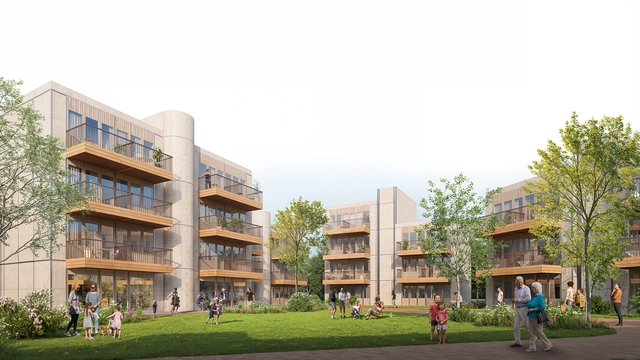
Buildner has announced the results of the Kharkiv Housing Challenge, the first competition in a two-part series focused on rebuilding Ukraine. Kharkiv, Ukraine's second-largest city, has been deeply affected by the ongoing conflict, and this competition is part of a broader effort to rebuild its housing and public spaces.
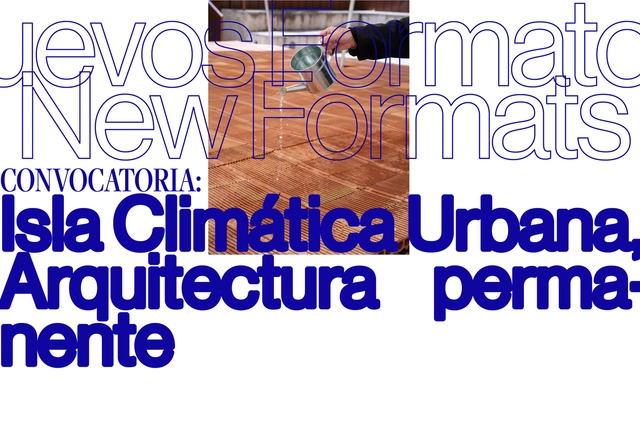
Concéntrico, in its effort to initiate new formats that respond to urban transformations, presents a call for entries in collaboration with the Logroño City Council and LIF 2002 (Logroño Railway Integration), as part of the city's strategic plan to address heatwaves. The objective of this call is to create a permanent urban climate island, to be located in the vicinity of the Felipe VI Park lake on the unpaved area that forms a hexagonal plaza.
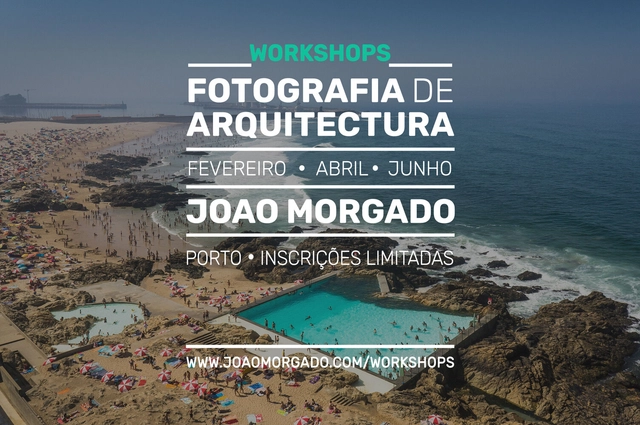
Introduction to Architectural Photography Workshop with João Morgado

The video art project "Ruínas" (Ruins) examines the significance of urban ruins located in the city of Americana, SP, exploring their symbolic function in times of crisis. As material remnants of political failure, economic speculation, and social decline, these ruins have become essential to many contemporary cultural narratives. The project is funded by the Paulo Gustavo Law through the Ministry of Culture, with support from the Americana City Hall, via the Secretariat of Culture and Tourism.
Over the past two decades, the Holcim Foundation Awards has committed USD 20M to spotlight transformative projects by architects, designers, and engineers who pioneer sustainable design and construction practices. To capture these stories, the Foundation launched a short film series titled Words with Winners.
This series provides an in-depth look at award-winning sustainable design projects through exclusive interviews with their creators. It includes one of the first films to showcase the BIG U, also known as the DryLine, in its built form, featuring an exclusive one-on-one with Bjarke Ingels, Creative Director and Founder of Bjarke Ingels Group (BIG).
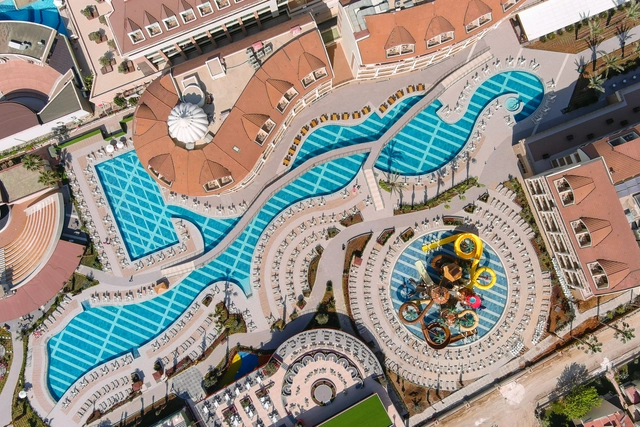
Serapool, a leading brand in porcelain pool tiles and complementary porcelain products, has been innovating and producing sustainable design solutions for residential, spa and wellness centers, hotels, water parks, and Olympic-size pools globally for 40 years. The brand's holistic approach to pool design has led to a comprehensive porcelain collection that includes pool tiles, stair nosings, pool copings, porcelain pool grates, infinity tiles, concealed overflow handles, terrace nosings, and rain channels. With years of expertise in the industry, the company stands as a leading example of innovation, consistently delivering safe and long-lasting products.
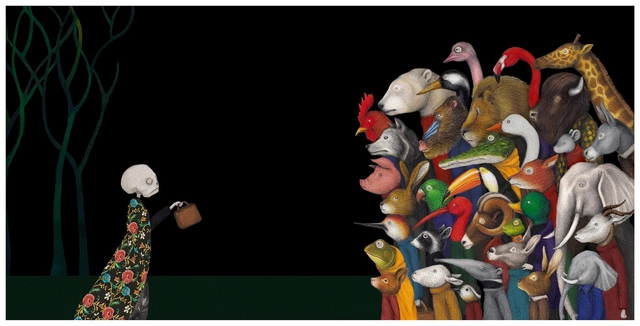
"Migrantes" opens on November 7 at 7:00 PM at the Instituto Cervantes.
Prominent Peruvian graphic artist Issa Watanabe concludes the 2024 exhibition schedule at the institute's Rio de Janeiro headquarters in Botafogo.

The Institute of Tropical Medicine (ITM) in Antwerp is planning a comprehensive redevelopment of its site to create a future-oriented campus that integrates and enhances scientific, medical, and educational activities. For this, it is collaborating with the Vlaams Bouwmeester through an Open Call procedure (OO48), in which designers can apply until November 11, 2024.

The book [KONG KONG ARCHITECTURE - Hong Kong City Architecture User Guide] has won the 2024 Good Design Award in the Media & Content category, announced on October 16, 2024. As the first architectural book to win this award, it offers a fresh approach to understanding architecture, specifically focusing on offering an accessible guide to appreciating the structures that surround us in everyday life.

Choosing between vinyl and laminate flooring is no longer necessary, as resilient hybrid flooring combines the best features of both materials. Kiwi is a natural flooring made of 80% wood, utilizing a premium impregnation technology that makes it 100% waterproof. This product features 80% wood, while the remaining 20% is composed of plant-based resins. Consequently, it is 100% PVC-free, making it an entirely eco-friendly choice.
An Immersion into the Future of Sustainable Construction
Date: November 22, 2024 | Time: 8:00 AM – 6:00 PM | Location: AYA Earth Partners, São Paulo
The Most Comprehensive Experience for Low-Carbon Construction Leaders